Featured CE-Certified Container & Modular Systems
Precision-engineered high-insulation modules designed for rapid site deployment, climate extremes, and commercial longevity.
1. Executive Summary: Engineering Standards for Insulated Modular Infrastructure
In the evolving landscape of global modular construction, the demand for CE-certified insulated container houses has transitioned from temporary site accommodation into permanent, highly engineered building assets. Global civil engineering firms, commercial contractors, and institutional wholesalers face stringent regulatory demands under European Union Construction Products Regulation (CPR No 305/2011), national energy efficiency requirements, and harsh climate realities ranging from sub-zero Arctic environments to high-humidity equatorial zones.
Achieving true compliance and operational longevity requires moving beyond conventional converted shipping containers or basic flat-pack systems. It demands a holistic, factory-controlled engineering approach integrating cold-formed structural steel frameworks (EN 1090-1/2), thermal-bridge-free sandwich panel envelope configurations, and advanced polymer or mineral cores (PUR/PIR and High-Density Rockwool). As an Intertek-assessed manufacturer, Hebei BSU Building Materials Technology Co., Ltd. spearheads this paradigm shift, offering B2B buyers fully compliant, OEM/ODM modular units customized to localized building codes.
This whitepaper serves as an authoritative procurement benchmark for wholesale buyers, detailing the physical mechanics, manufacturing workflows, quality assurance protocols, and emerging procurement models for insulated container structures.
Core Architectural & Technical Pillars
Every module engineered by BSU adheres to rigorous mechanical, thermal, and material parameters.
CE & EN 1090 Structural Rigidity
Built using hot-dip galvanized cold-formed steel profiles (Q235B/Q355B) certified to EN 1090-1 Execution Class EXC2. Designed to withstand seismic activity up to Magnitude 8 and wind uplift speeds reaching 120 km/h.
High-Efficiency Thermal Envelopes
Integrated Polyisocyanurate (PIR) and hydrophobic Rockwool core sandwich panels (50mm–150mm options). Eliminates interior thermal bridging, meeting stringent EU energy efficiency standards (Euroclass B-s1,d0 fire rating).
Anti-Corrosion C3/C4 Coatings
Multi-stage surface treatment including automatic shot blasting, zinc-rich primer application, and fluorocarbon topcoats compliant with ISO 12944 standard, delivering superior protection against coastal salt fog and industrial pollutants.
Factory Pre-Engineered MEP Systems
Concealed electrical wiring, distribution boxes, LED fixtures, and PEX plumbing pre-installed to target region specs (CE, UL, SAA, or UKCA standards), ensuring plug-and-play connection on arrival.
Optimized Freight Economics
Engineered for high-density ocean freight shipping. Expandable, folding, and flat-pack systems allow up to 4–8 units to fit inside standard 40ft HQ shipping containers, reducing sea freight overhead per square meter by up to 70%.
Custom Modular Floor Plans
Fully adaptable structural modules allow vertical stacking (up to 3 stories) and horizontal expansion for workforce housing, site offices, medical clinics, luxury eco-resorts, and outdoor commercial kitchens.
2. Structural Metallurgy & Insulation Core Material Science
The structural efficacy of an insulated container home relies on its load-bearing skeleton and exterior composite skin. BSU employs precision roll-formed Q235B and Q355B low-carbon structural steel with a minimum yield strength of 235–355 MPa. Main perimeter beams, corner columns, and cross-members undergo hot-dip galvanization with zinc coating densities exceeding 275 g/m² (Z275), providing an effective barrier against atmospheric oxidation.
Comparative Performance Matrix: Insulation Core Materials
Selecting the optimal core material is crucial for matching local thermal regulations, fire codes, and budgetary parameters. Below is a comparative technical breakdown evaluated by BSU's engineering lab:
| Core Material Type | Density Range (kg/m³) | Thermal Conductivity (W/m·K) | Fire Resistance Rating | Moisture Absorption | Optimal Application |
|---|---|---|---|---|---|
| PIR (Polyisocyanurate) | 38 – 45 kg/m³ | 0.018 – 0.022 | Class B-s1, d0 (EN 13501-1) | < 1.0% (Closed-Cell) | Extreme Cold/Hot Climates, NZEB Projects |
| Rockwool (Mineral Fiber) | 80 – 120 kg/m³ | 0.038 – 0.044 | Class A1 Non-Combustible | Hydrophobic Treated (< 2.0%) | High Fire-Risk Zones, Multi-Story Camps |
| PUR (Polyurethane) | 35 – 40 kg/m³ | 0.022 – 0.026 | Class B2 / B3 | < 1.5% | Standard Residential, Eco-Cabins |
| EPS (Expanded Polystyrene) | 12 – 18 kg/m³ | 0.035 – 0.040 | Class B1 / Flame Retardant | 2.0% – 4.0% | Budget Temporary Offices, Storage Pods |
By pairing PIR or Rockwool cores with 0.5mm 55% Aluminum-Zinc alloy coated steel facings (Galvalume AZ150), BSU insulated panels achieve structural self-supporting strength while drastically reducing structural weight. This maximizes payload efficiency during ocean transit while delivering exceptional insulation performance on site.
3. Global Sourcing Trends & Procurement Roadmap (2025–2035)
The global market for prefabricated and containerized buildings is undergoing rapid modernization driven by institutional procurement shifts, sustainability mandates, and site labor shortages. B2B importers, developers, and wholesale distributors should align their purchasing strategies with four key macro trends:
A. Transition from Conversions to Purpose-Built Modular Frames
Historically, container homes were fabricated by modifying retired ISO shipping containers. However, structural degradation, toxic anti-fouling floor chemicals, and localized rust cut their operational life short. The modern procurement market has almost universally pivoted toward purpose-built modular container frames. Purpose-built units allow exact dimensioning, integrated thermal breaks, cleaner aesthetic profiles, and uncompromised structural life exceeding 25 years.
B. Decarbonization and Near-Zero Energy Buildings (NZEB)
European and North American building regulations increasingly require modular housing to demonstrate carbon neutrality across its lifecycle. Sourcing CE-certified insulated units equipped with high PIR thermal barriers allows developers to easily integrate rooftop photovoltaic solar arrays, rainwater collection systems, and smart HVAC controls, meeting strict green building standards like LEED and BREEAM.
C. Plug-and-Play Turnkey Sanitation and Outdoor Living Modules
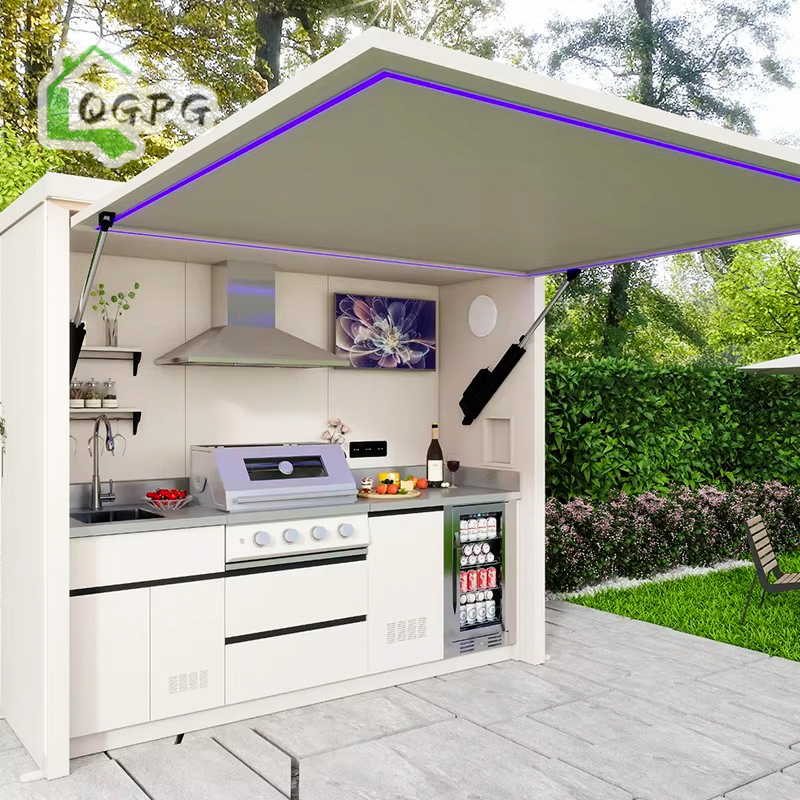
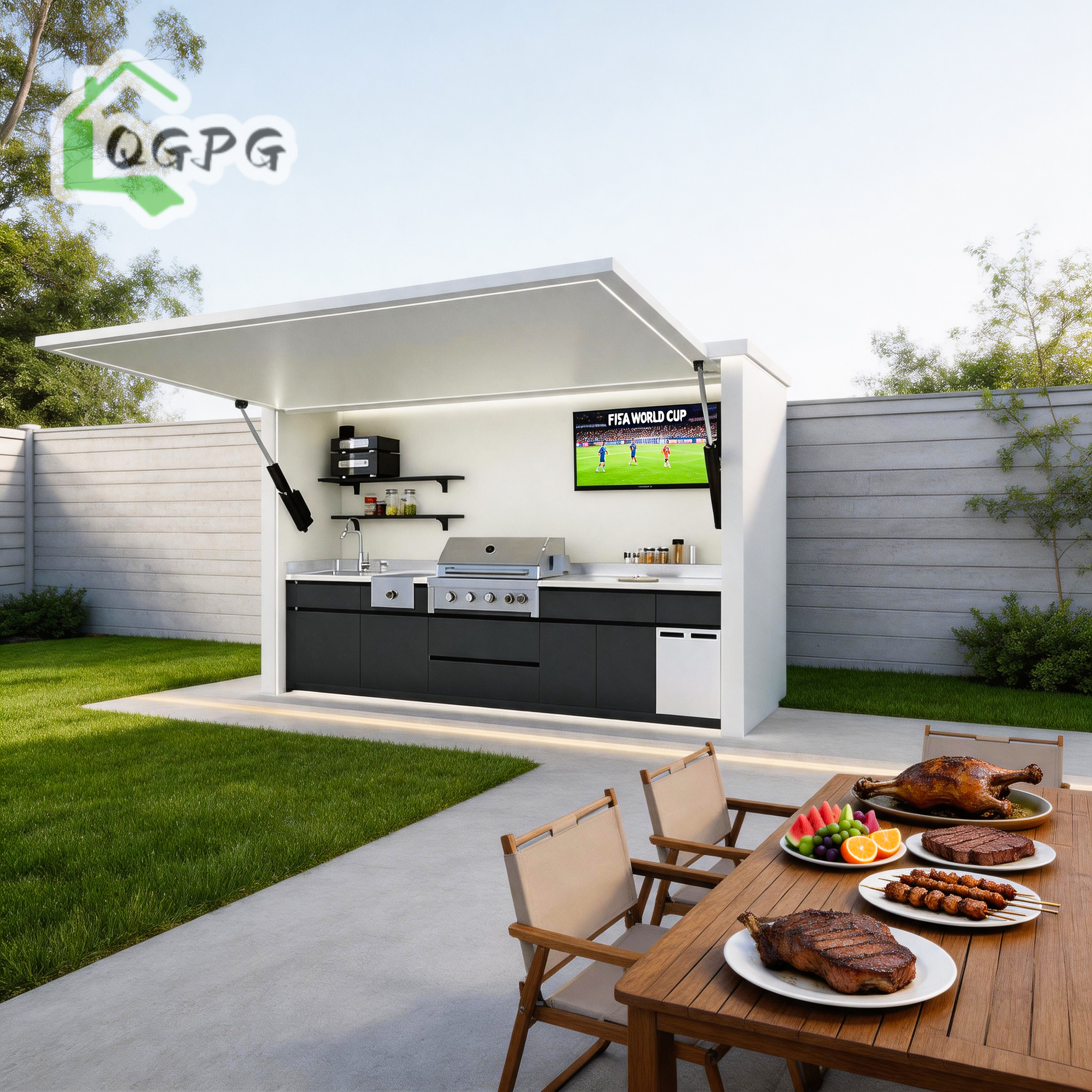
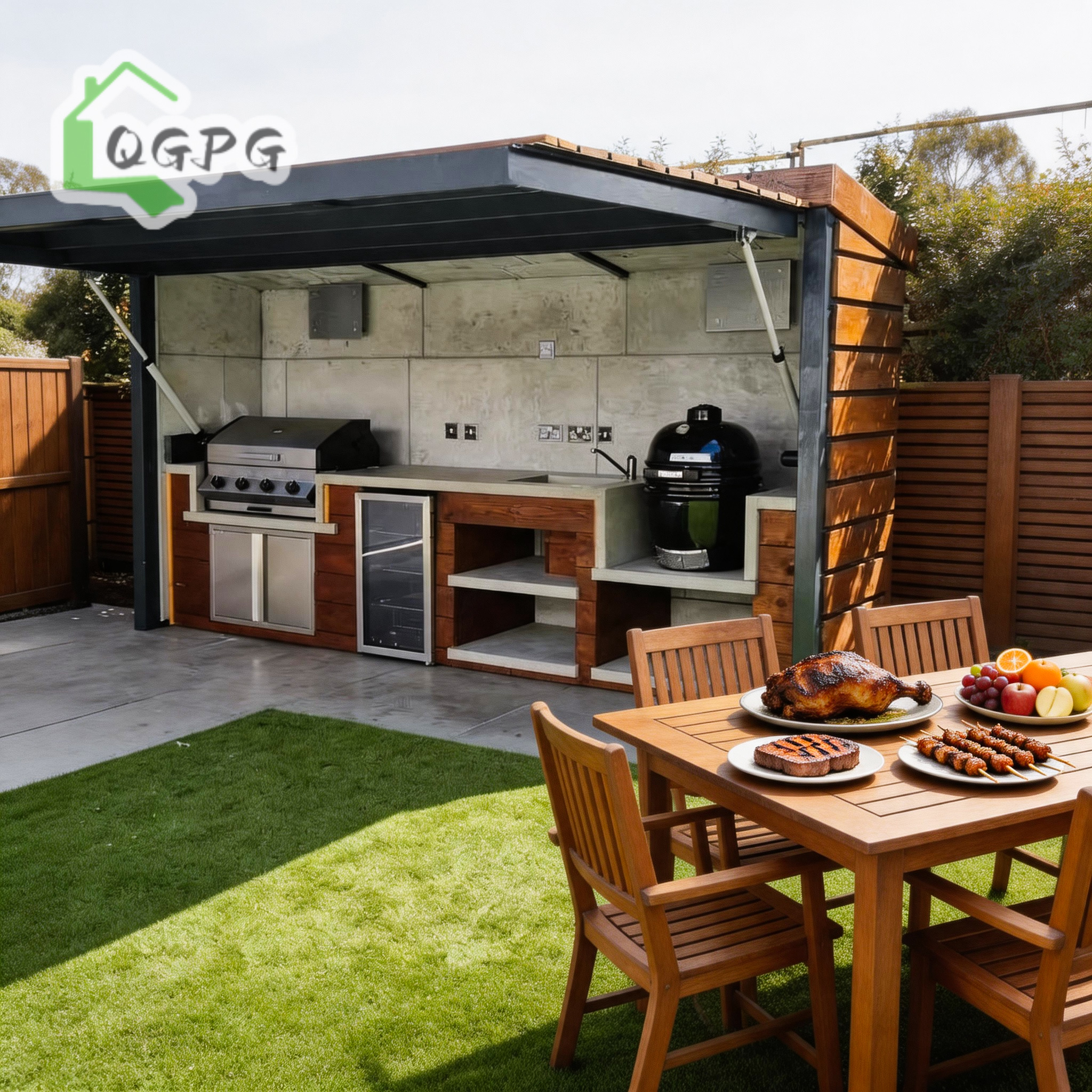
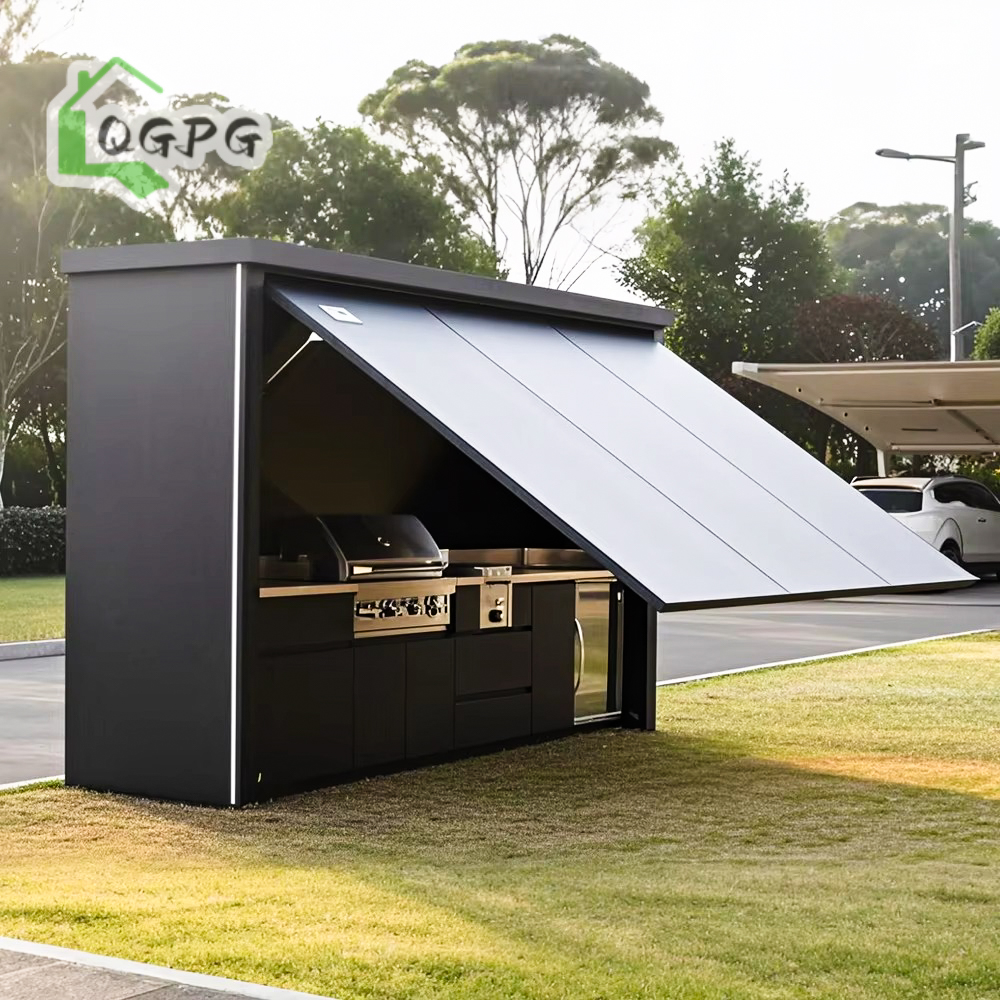
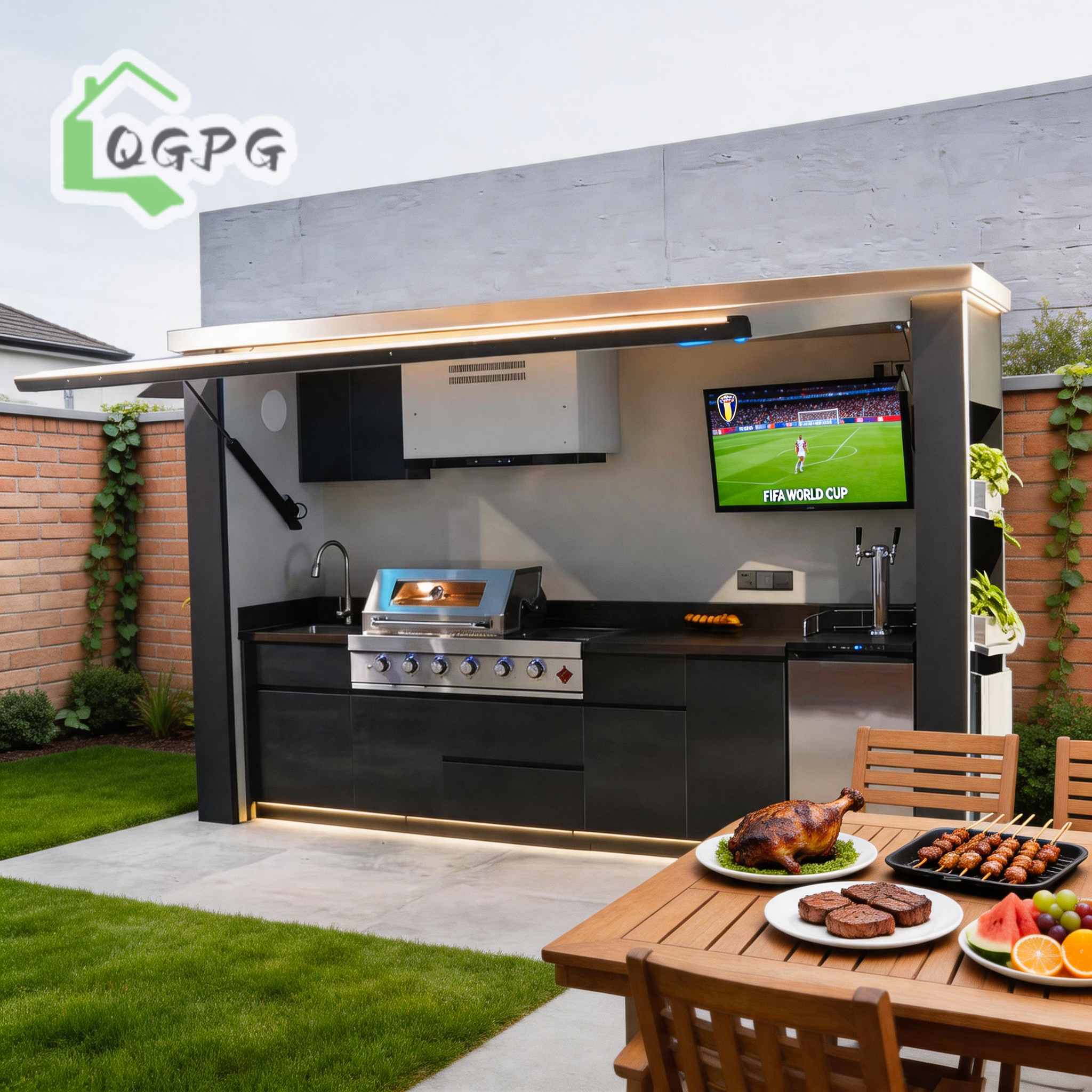
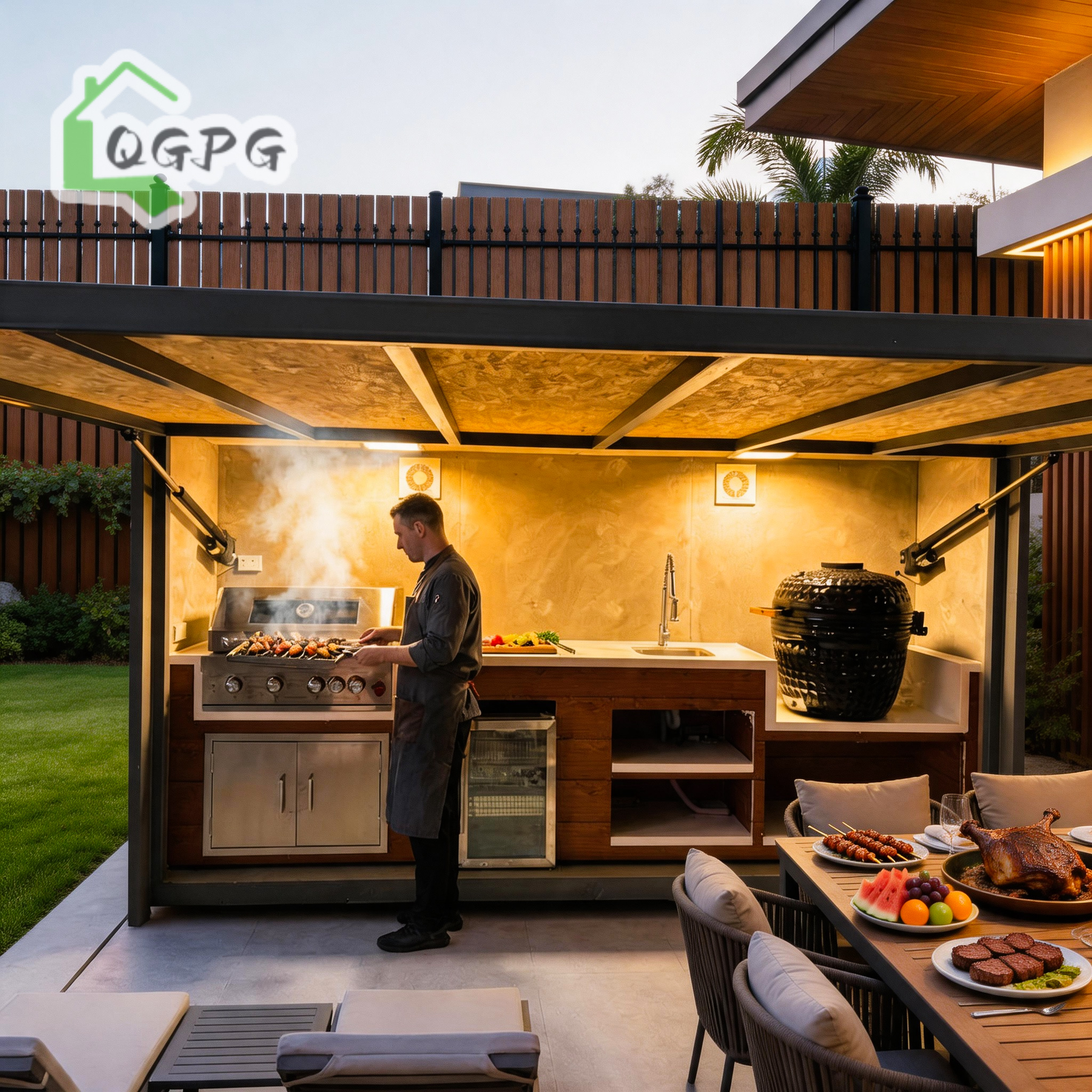
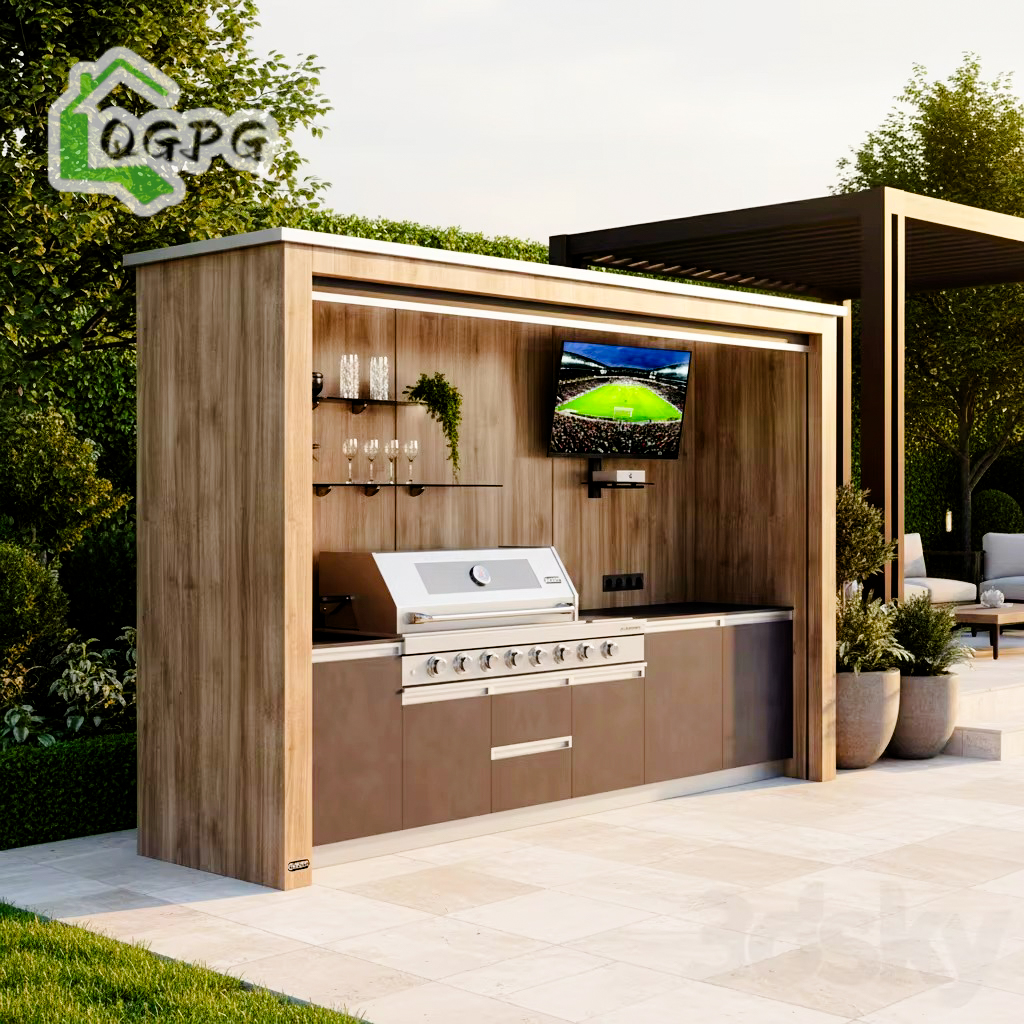
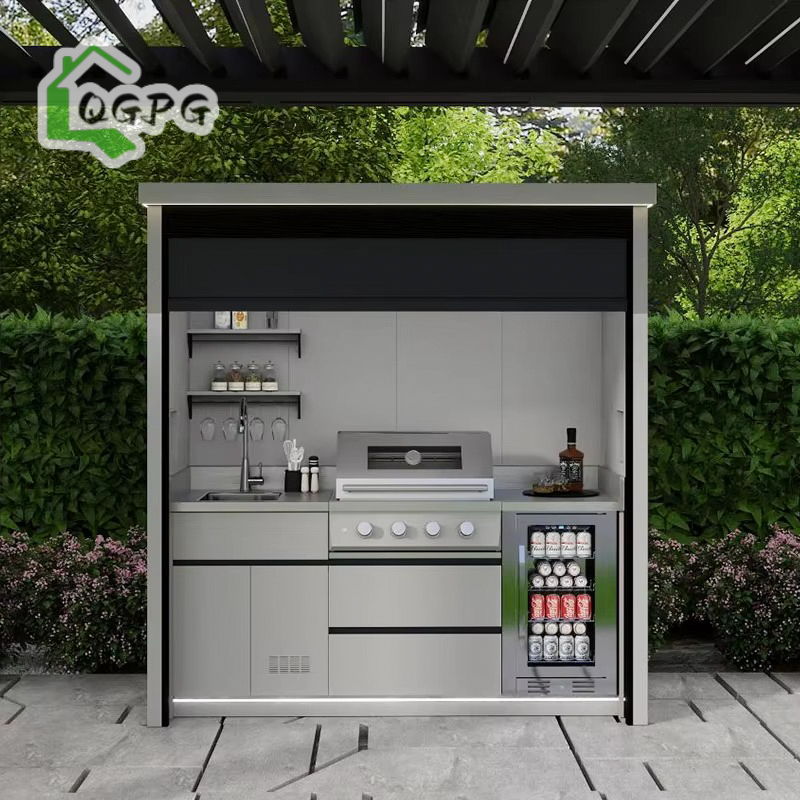
In high-end residential, resort, and commercial developments, procurement buyers no longer want bare steel boxes requiring lengthy on-site interior fitting. The market now favors integrated turnkey modules—such as stainless steel outdoor kitchens, motorized flip-up BBQ pods, and pre-plumbed luxury restroom trailers. These units arrive fully equipped with electrical lift systems, marine-grade 304/316 stainless steel cabinetry, integrated refrigeration, and automated canopies, dramatically shortening project setup timelines.
D. Rigorous Third-Party Factory Audits and Supply Chain Transparency
Uncertainties in international trade have raised the baseline for supplier vetting. Institutional buyers now prioritize factories with verified manufacturing credentials, independent third-party audits (such as Intertek Factory Assessment), documented trade histories, and verifiable credit reports over unverified intermediaries or trading agents.
4. Enterprise Strengths & Supply Chain Assurance: Why Partner with Hebei BSU
Hebei BSU Building Materials Technology Co., Ltd. is a leading manufacturer specializing in prefabricated container houses, expandable cabins, flat-pack units, light steel structure villas, and commercial outdoor pod modules. Situated in Hebei Province—the heartland of China’s steel production and structural engineering hub—BSU delivers distinct competitive advantages to global B2B clients:
Intertek On-Site Assessed Capability
Our manufacturing facility has undergone extensive on-site assessment by Intertek. Verification records, credit ratings, trade histories, and 360-degree panoramic factory tours are fully accessible for institutional due diligence.
Vertical Manufacturing Integration
From raw steel cutting, automated welding, and shot blasting to sandwich panel lamination and final MEP testing, BSU controls 100% of the production workflow, ensuring strict quality control and competitive factory-direct pricing.
Custom OEM/ODM Engineering Team
Our engineering division supports custom structural calculations, BIM model generation, CAD shop drawings, and tailored electrical wiring compliant with destination standards (EU, US, AU, NZ, UK, and Middle East).
End-to-End Export Logistics & Support
BSU provides robust export packaging, precise sea freight loading plans, step-by-step video assembly guides, and optional on-site engineering dispatch for large-scale mining or commercial camp setups.
Frequently Asked Sourcing Questions (FAQ)
Key technical and operational answers to help streamline your procurement evaluation process.
Ready to Request an Engineering Proposal & Factory Quote?
Submit your site plans, thermal parameters, or project volume requirements to our engineering division today. We deliver comprehensive CAD layouts, technical specs, and competitive FOB/CIF quotation packages within 24 hours.
Inquire Now