Blog

10 Best Container Housing Solutions for Global Buyers
Container Housing offers global buyers a practical route to adding living space, but the right solution depends on more than appearance. A compact studio may suit a remote worksite, while a multi-module home can better serve a family or staff team. The details matter: climate, transport access, installation needs, and intended use all shape a project’s real cost and comfort.
This guide compares ten container housing solutions, from basic single-unit layouts to expandable and modular designs. It considers useful features such as insulation, ventilation, window placement, plumbing, and the ease of connecting additional units. In a hot region, for example, roof shading and airflow can matter as much as floor area. In a colder location, insulation and careful sealing deserve close attention. Not every option fits every site.
Buyers should also ask suppliers for clear specifications, material details, delivery requirements, and examples of completed projects. Product names alone are not enough. Local building and safety requirements vary, so buyers should confirm relevant requirements with qualified professionals before committing. A polished rendering can make a small room look generous; a measured floor plan is less flattering, but more useful. Some compromises may remain, especially when budgets or shipping limits are tight. This comparison aims to make those trade-offs easier to see, so readers can shortlist solutions with realistic expectations.
Read more »
 By:Eleanor
- November 19, 2026
Why Choose a Container House for Your Next Project?
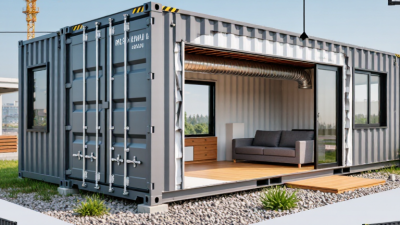
A Container House can turn a steel shipping unit into a compact studio, site office, or small home. Its appeal is tangible: a familiar rectangular shell, quick transport, and a structure that can be adapted to a project’s needs. Yet the container itself is only the starting point. Insulation, ventilation, moisture control, and careful detailing around doors and windows determine whether the finished space feels comfortable—or damp and noisy.
The scale of the wider building challenge makes alternatives worth examining. The 2023 Global Status Report for Buildings and Construction, published by UNEP and the Global Alliance for Buildings and Construction, says the sector produced 37% of global energy- and process-related CO₂ emissions in 2022. McKinsey’s 2019 modular-construction analysis estimated that modular methods could shorten project schedules by 20–50%; that benchmark is not specific to container homes. The distinction matters. A reused shell does not automatically make a project low-carbon, especially when transport, upgrades, and site work are included.
Architect Stewart Brand, an expert on how buildings adapt over time, wrote, “A building is not something you finish. A building is something you start.” That idea suits container design: a strong shell can support a new use, but thoughtful planning makes it livable. Check the unit’s condition, climate demands, and local project requirements before committing. Small details matter. A steel corner can bridge heat; a poorly sealed cutout can invite water. Container House projects can be practical and distinctive, but they are not effortless. Sometimes the most honest answer is that another building method may fit better.
Read more »
 By:Clara
- November 19, 2026
Why Choose a Container Home for Your Next Project?
Why Choose a Container Home for Your Next Project?
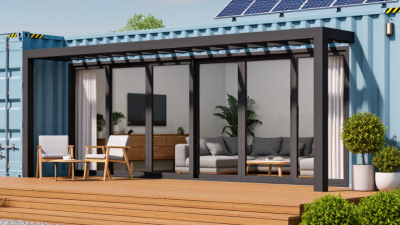
A container home can turn an ordinary steel box into a bright, practical place to live or work. But the appeal is not just visual. Reusing a shipping container may reduce demand for some new materials, while its compact dimensions can encourage efficient planning. As architect Carl Elefante famously put it, “The greenest building is the one that is already built.” His observation offers a useful lens for container projects, though reuse alone does not guarantee sustainability.
The details matter. A well-planned home needs careful insulation, ventilation, moisture control, and thoughtful window placement. In a real project, a steel wall can become uncomfortably hot, and a beautiful glass opening may complicate the structure. These choices deserve professional review. Local building requirements and site conditions should shape the design from the start.
There is real potential here. And real trade-offs. Container homes can suit compact sites, guest spaces, studios, or larger modular plans. Their transportable form may simplify some stages, but delivery access, foundations, and modifications still need attention. Costs also vary with location, finishes, and site preparation. A low purchase price is not the whole budget.
This guide explores design flexibility, construction considerations, costs, and sustainability. It also asks a less glamorous question: will the finished space feel comfortable every day? A container home can be distinctive and efficient, but only when the practical choices receive as much care as the exterior.
Read more »
By:Clara
- November 19, 2026