Featured Expandable & Modular Building Systems
Precision-engineered, factory-integrated modular units built for rapid deployment, high structural integrity, and harsh climate adaptability.
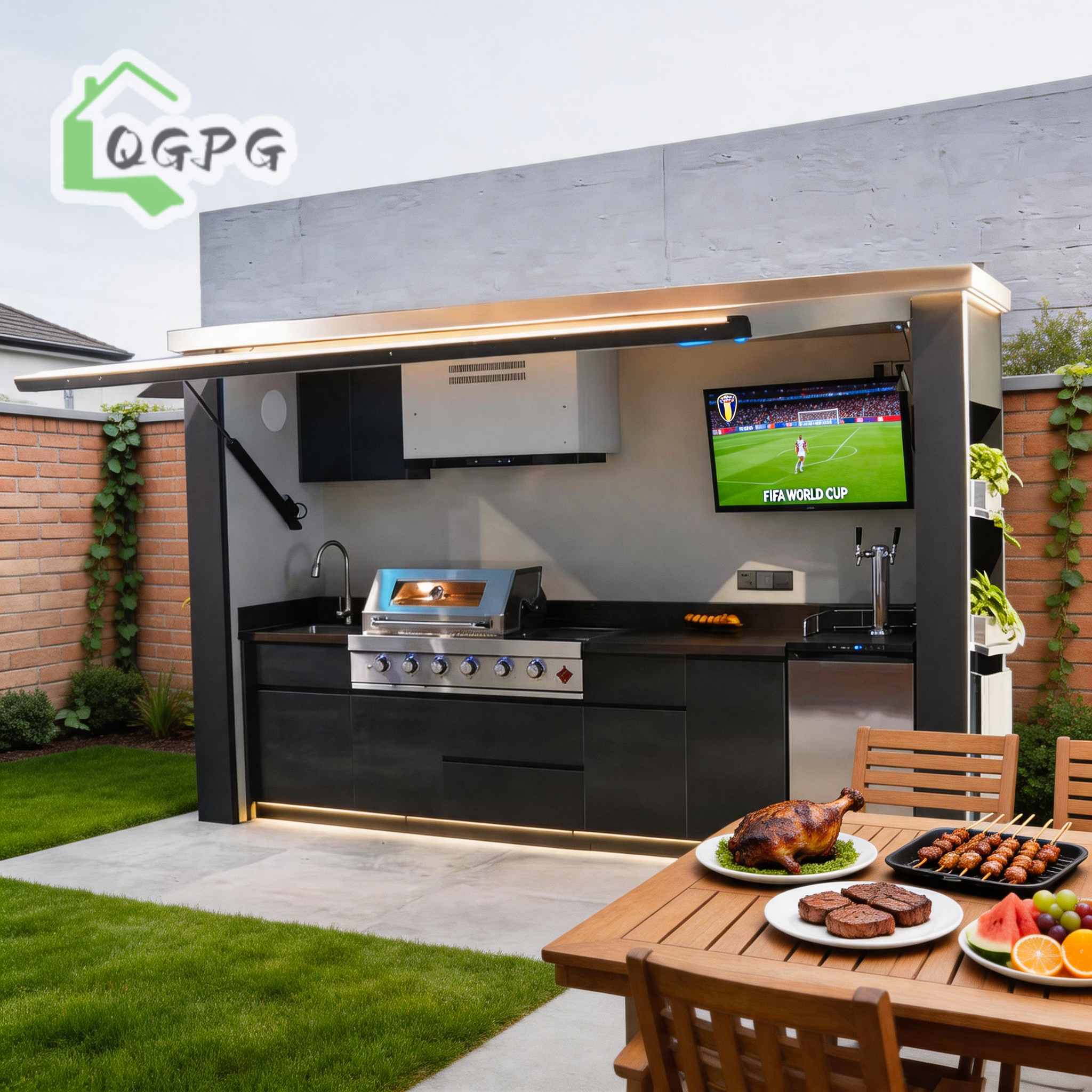
Premium 304 Stainless Steel Hydraulic Canopy Expandable Container Kitchen
Includes built-in commercial grill, sink, and integrated fridge. Engineered with automatic hydraulic canopy deployment for luxury outdoor entertaining and hospitality pods.
View Details →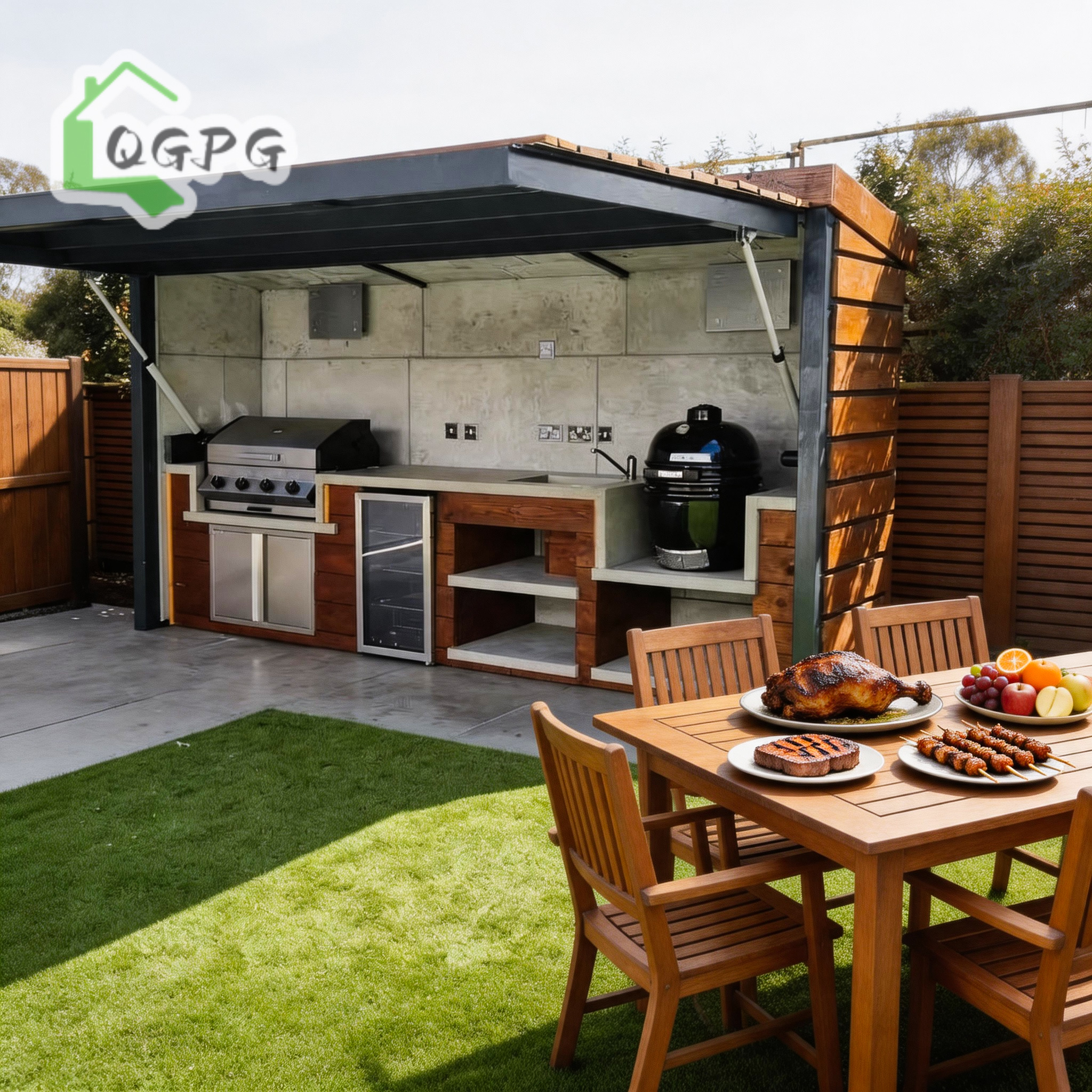
Commercial Grade Marine Grade 304 SS Motorized Retractable Roof BBQ Pod
All-weather motorized retractable roofing system featuring high-grade stainless steel framing, complete barbecue station, plumbing, and storage modules.
View Details →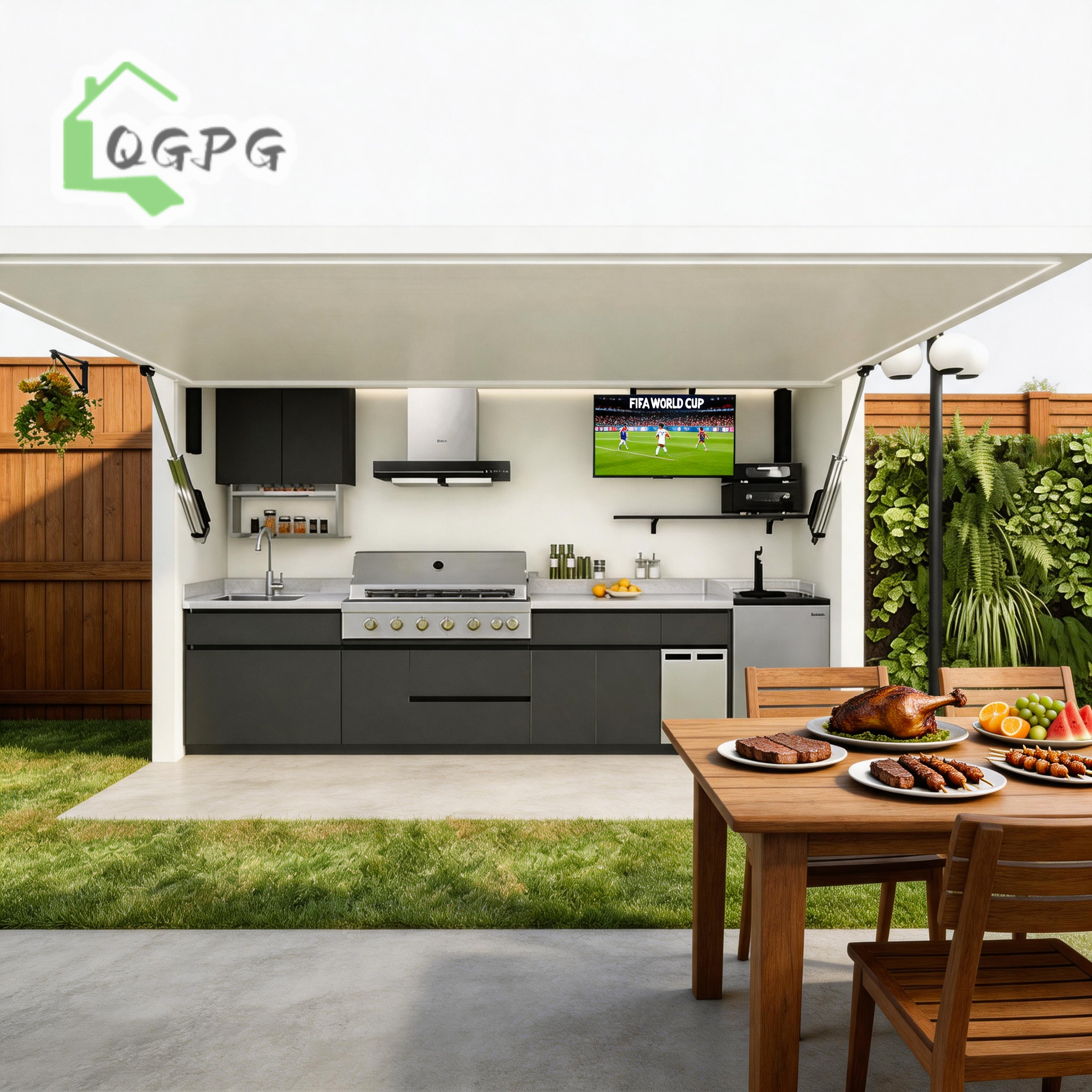
Custom Stainless Steel Motorized Retractable Roof Outdoor Kitchen Pod
All-in-one customizable luxury terrace pod with motorized ceiling actuation, built-in heavy-duty grill, integrated sink, and weatherproof cabinetry.
View Details →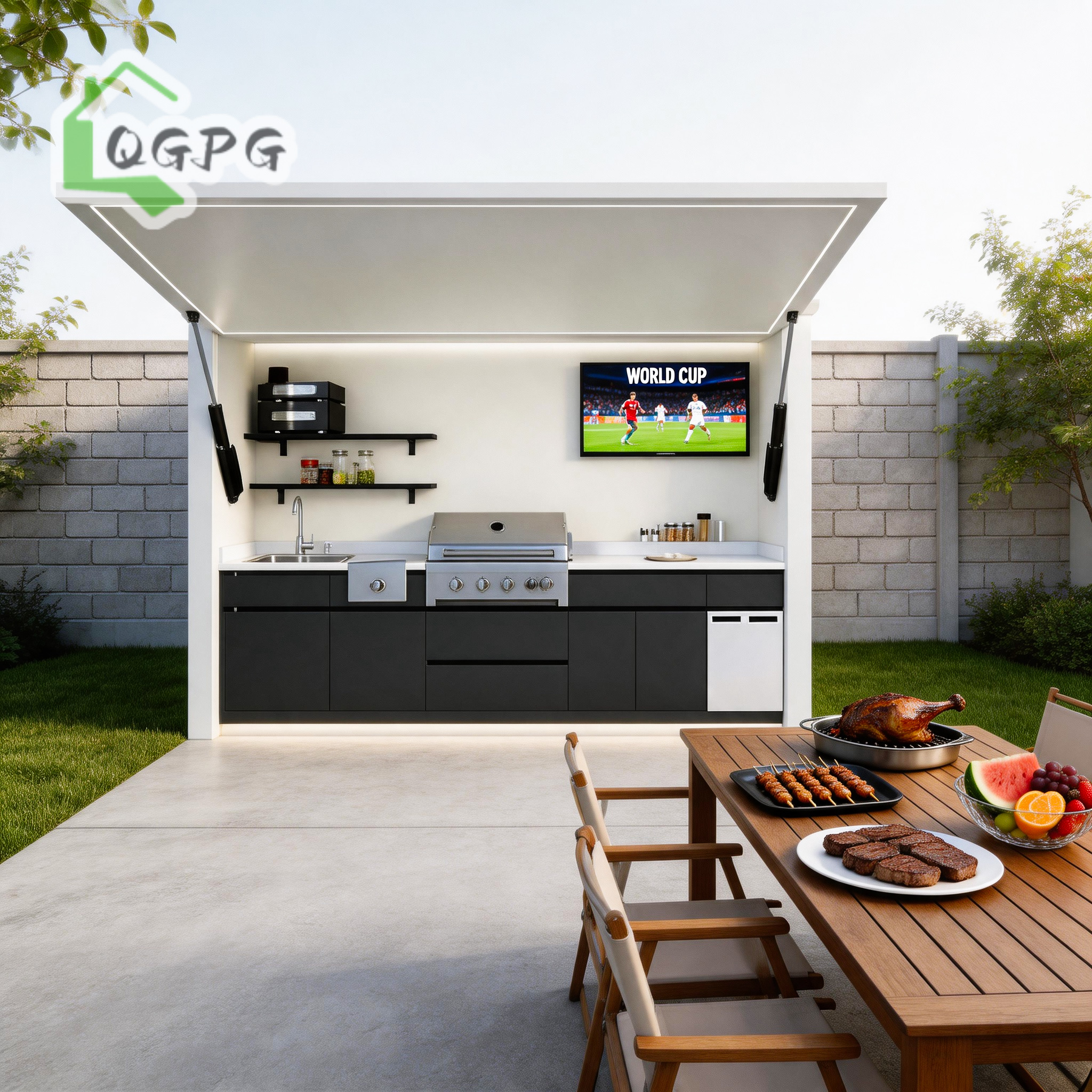
Turnkey 304 Stainless Steel Hydraulic Canopy Enclosed Outdoor Kitchen
Fully enclosed modular container unit with motorized side-wall hydraulic awnings. Factory pre-fitted with electrical, plumbing, refrigeration, and cooking modules.
View Details →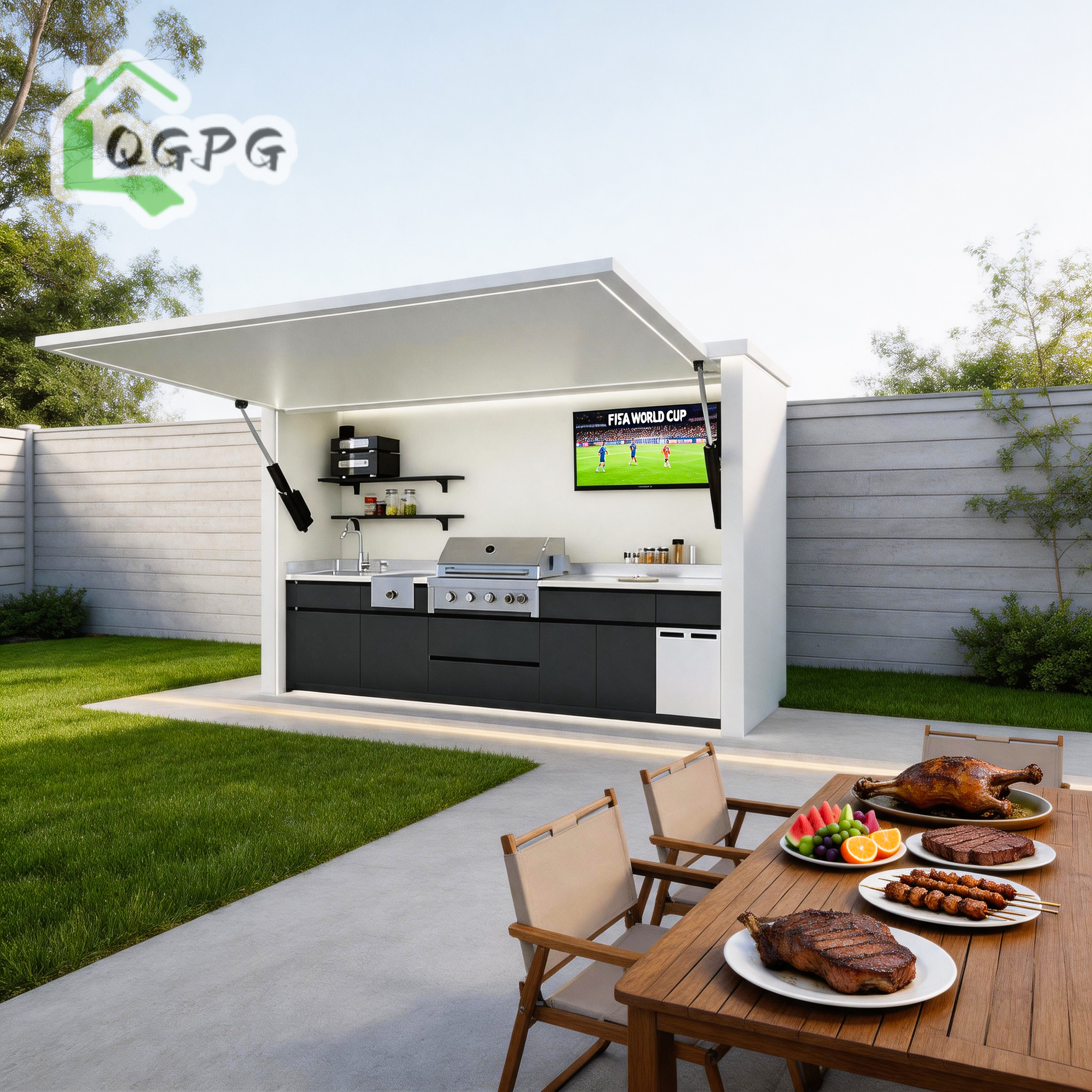
Luxury Marine Grade Stainless Steel Electric Hydraulic Lift BBQ Pod
Corrosion-resistant marine grade stainless steel construction with smooth electric-hydraulic canopy lifts, patio refrigeration, and full cooking layout.
View Details →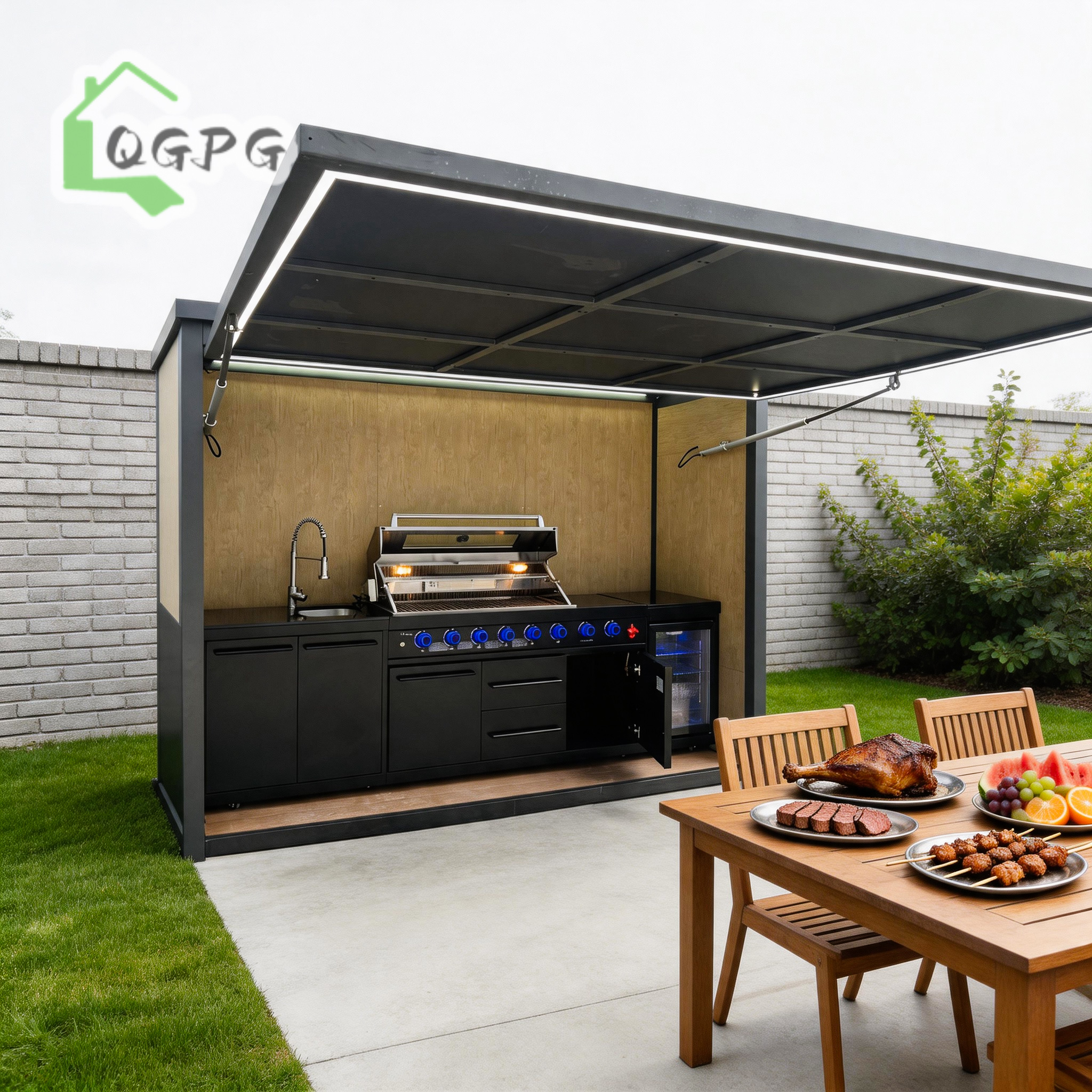
Factory Direct 304 Stainless Steel Expandable Container Kitchen
Industrial-grade expandable container unit featuring electric-hydraulic lifts. Designed for rapid deployment in outdoor commercial venues and resort facilities.
View Details →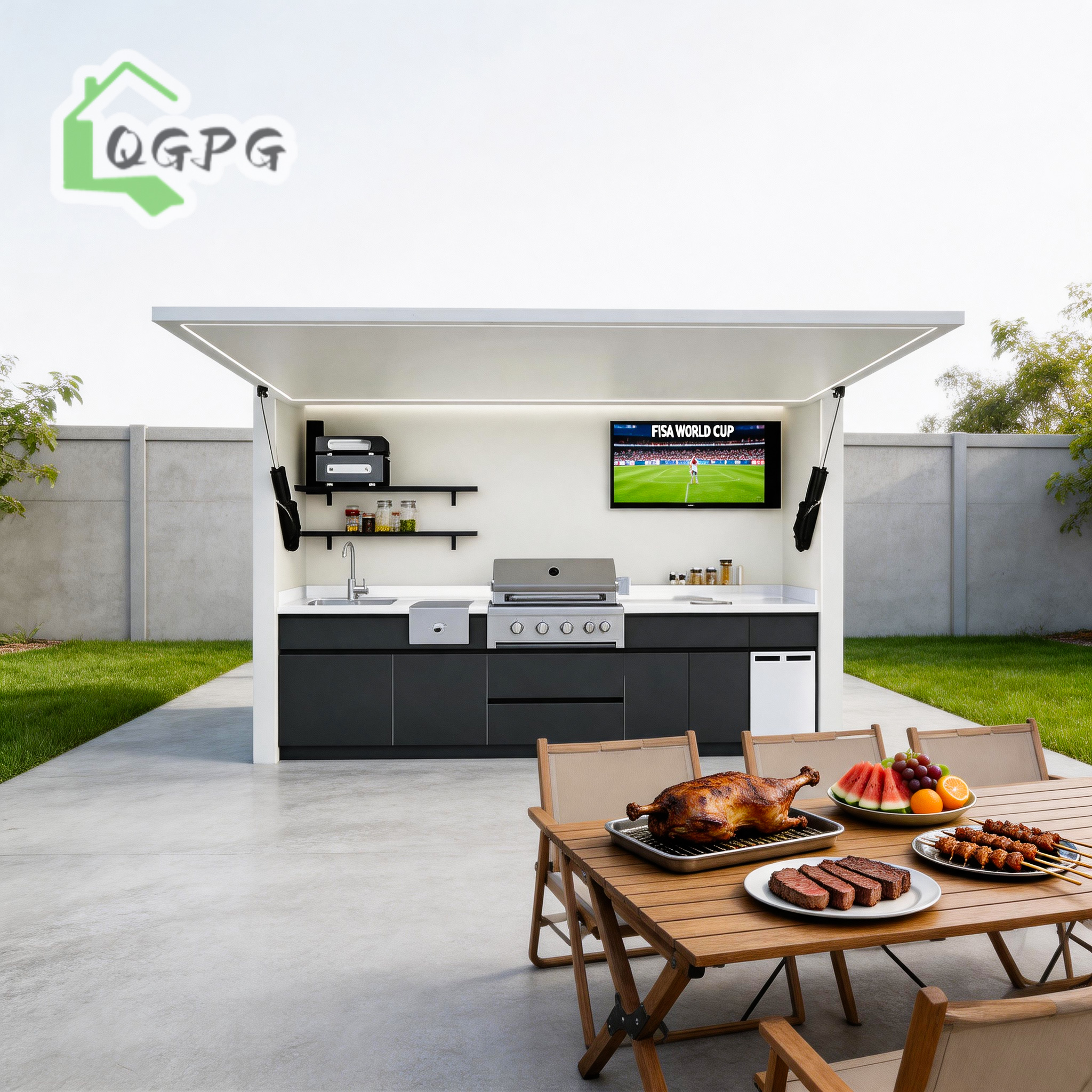
Premium Stainless Steel Motorized Retractable Roof BBQ Pod (CE Certified)
CE-compliant all-weather terrace BBQ pod built with high-grade structural stainless steel, motorized ceiling panels, integrated drainage, and modern appliances.
View Details →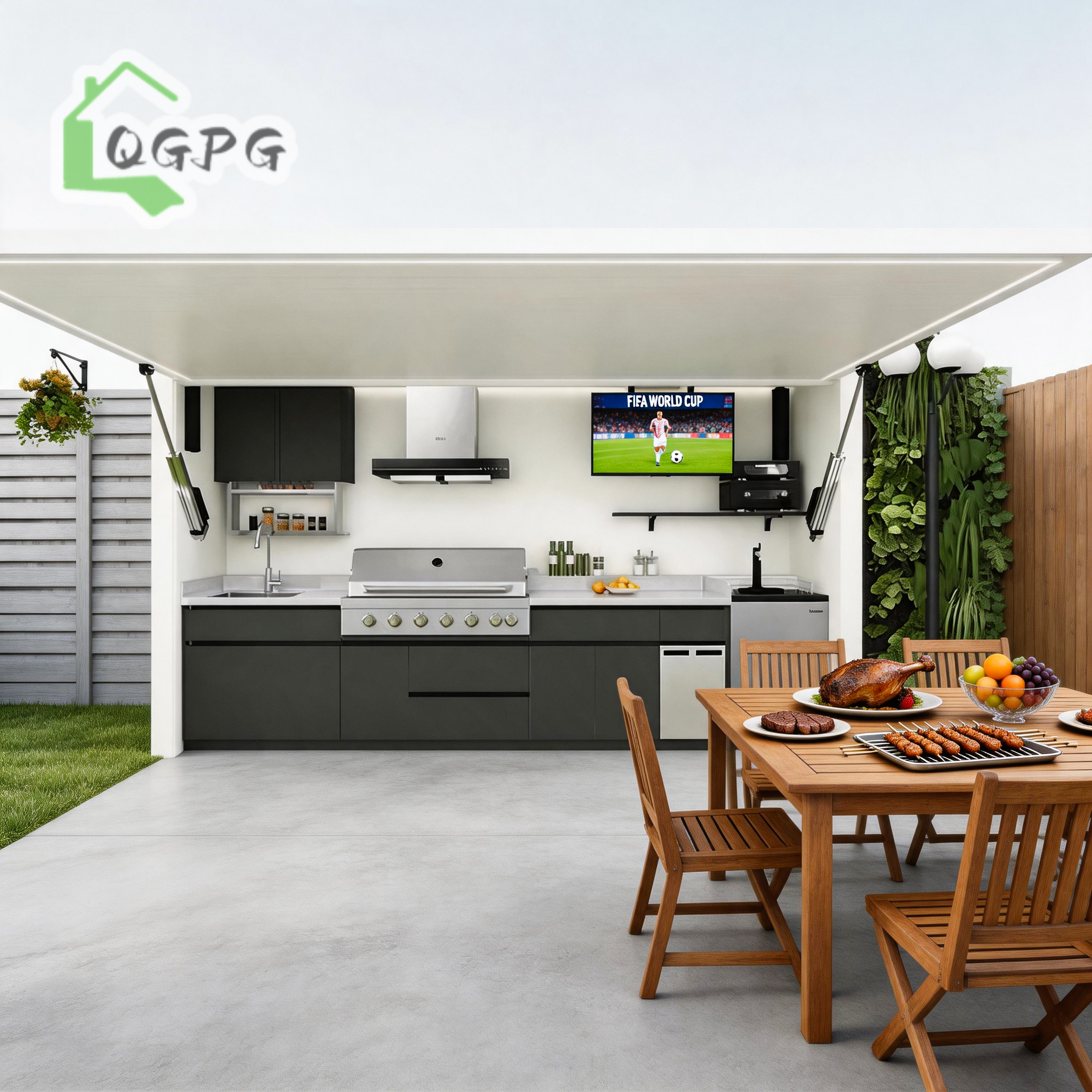
Modern 304 Stainless Steel Electric Lift Canopy Prefab Outdoor Kitchen
Architectural-grade outdoor kitchen container featuring automated canopy lifts, custom cabinetry, sink, dual-zone fridge, and high-performance barbecue grill.
View Details →1. China's Dominance in Structural Expandable Modular Housing Manufacturing
The global construction sector is undergoing a profound structural shift toward off-site prefabrication and modularization. At the center of this industrial transformation is China, specifically the advanced manufacturing cluster in Hebei Province. As global developers, B2B procurement directors, and civil engineering contractors face tight schedules, rising local labor costs, and unpredictable environmental conditions, China expandable modular house manufacturers have established themselves as essential partners for high-quality, cost-effective infrastructure.
Hebei BSU Building Materials Technology Co., Ltd. represents the apex of this industrial ecosystem. Operating as an Intertek-assessed custom manufacturer with over 80 authenticated structural engineers, production supervisors, and quality control specialists, BSU integrates structural steel fabrication, high-performance thermal envelope engineering, and turnkey MEP (Mechanical, Electrical, and Plumbing) integration under one roof.
Engineering Physics of the Expandable Container System
Unlike conventional static shipping container conversions, an expandable modular house relies on custom-engineered structural kinematics. The primary central chassis acts as the structural spine, housing the primary load-bearing columns constructed from cold-formed, hot-dip galvanized steel profiles (Q235B / Q355B steel grades). Secondary side wings fold flush against the main body during maritime transport and slide or pivot outward on site via engineered hinge systems or hydraulic actuators.
This kinematic configuration increases usable floor area by up to 250% upon deployment—turning a standardized 20ft ISO shipping footprint (approx. 14.8 m²) into a generous 36 m² to 38 m² fully insulated, multi-room living unit within 1 to 2 hours of site arrival.
Hot-Dip Galvanized Frame
Structural Q235B/Q355B steel chassis with minimum 275g/m² zinc coating, resisting C3/C4 atmospheric corrosion for over 25 years.
Integrated MEP Wiring
Factory-embedded conduit, breaker panels, and plumbing lines pre-certified to UL, CE, SAA, and UKCA destination standards.
Thermal Envelope
High-density PIR, Rockwool, or Polyurethane sandwich panels delivering U-values as low as 0.22 W/m²K for extreme climates.
2. Enterprise Advantages: Why BSU Leads Chinese Exporters
When sourcing prefabricated modular structures from overseas, global buyers face two primary operational risks: structural compliance failures and supplier authenticity gaps. Hebei BSU Building Materials Technology Co., Ltd. addresses both issues through rigorous third-party auditing and state-of-the-art manufacturing processes.
Verified Manufacturing Credentials & Intertek Assessment
BSU operates under a verified dual identity as both a direct manufacturer and international trading entity. Our facility has completed an extensive Intertek On-Site Assessment, validating our physical machinery, weld quality management, structural assembly lines, labor welfare standards, and global shipping capabilities. Overseas buyers can inspect our panoramic workshop view, trade credit history, and transaction metrics directly through our verified supplier profile.
Complete In-House Quality Control Protocol
Every modular unit produced in our Hebei manufacturing facility undergoes a multi-stage Quality Assurance (QA) pipeline before container loading:
- Structural Weld Integrity: Ultrasonic testing (UT) and magnetic particle testing (MT) on all load-bearing chassis joint welds to guarantee load distribution under seismic and extreme wind forces.
- Water Tightness & Hydraulic Testing: 100% simulated heavy rainfall testing at 2.5 bar pressure for 45 minutes across expanded roof hinges, hydraulic canopy seals, and window surrounds.
- Electrical Insulation & Grounding Continuity: High-potential (Hi-Pot) insulation resistance testing across all internal circuits, ensuring full compliance with NEC (US), AS/NZS 3000 (Australia), and IEC (Europe) standards.
- Hydraulic Mechanism Calibration: Dual-cylinder hydraulic lift systems undergo 50 consecutive cycle stress tests under full nominal loading to ensure zero pressure decay in hydraulic fluid lines.
3. Global Sourcing Trends: The Future of Expandable Modular Housing (2025–2035)
As off-site construction matures from a temporary site solution into permanent residential, commercial, and hospitality infrastructure, international procurement directors must align their purchasing strategies with emerging technological and market trends.
A. Smart Hydraulic & Motorized Actuation Systems
Traditional manual winches and pull-out frames are rapidly being replaced by integrated electro-hydraulic and motorized push-button deployment systems. As seen in BSU’s premium stainless steel outdoor kitchens and luxury expandable units, single-touch motorized canopy lifts and automated side-wall expansions dramatically cut field installation labor. A single technician can now deploy a fully featured 40ft modular pod in under 30 minutes, drastically reducing on-site civil works budgets.
B. Net-Zero Energy (NZE) Envelope Integration
Future global procurement mandates prioritize thermal insulation efficiency and localized renewable power generation. BSU is leading this transition by offering factory-integrated flexible BIPV (Building-Integrated Photovoltaics) roof panels, thermal-break double-glazed low-E glass systems, and heat-recovery ventilation (HRV) ducting built directly into the sandwich panel ceiling structures.
C. Marine-Grade Stainless Steel & Composite Metallurgy
In coastal resorts, island developments, and high-salinity mining sites, carbon steel structures often suffer from premature coating breakdown. Modern sourcing specifications heavily favor 304 and marine-grade 316 stainless steel sub-frames paired with fluorocarbon (PVDF) aluminum-zinc wall cladding. This material combination ensures exceptional corrosion resistance, UV stability, and minimal long-term maintenance costs.
Technical Specification Comparison Across Modular Systems
| Modular Building Type | Deployment Speed | Structural Load (Wind/Snow) | Shipping Efficiency (40' HQ) | Primary Target Applications |
|---|---|---|---|---|
| Expandable Container House | 1–2 Hours (2 Persons) | Wind: Up to 120 km/h Snow: 1.2 kN/m² |
1 Complete Unit per 40' HQ Container | Residential Homes, Glamping Resorts, Site Headquarters |
| Hydraulic Canopy Pod (SS304) | 15 Minutes (Motorized) | Wind: Up to 140 km/h Snow: 0.8 kN/m² |
1 Ready-to-Operate Module per Container | Commercial Catering, Luxury Terrace Bars, Outdoor Kitchens |
| Flat Pack Container House | 3–4 Hours (4 Persons) | Wind: Up to 110 km/h Snow: 1.0 kN/m² |
4 Stacked Units per 40' HQ Container | Workforce Camps, Multi-Storey Dormitories, School Pods |
| Folding Container Unit | 10 Minutes (Crane required) | Wind: Up to 100 km/h Snow: 0.8 kN/m² |
10–12 Folded Units per Flatbed/Container | Emergency Relief, Short-Term Site Guard Booths, Disaster Response |
4. Frequently Asked Questions (FAQ) for Global B2B Sourcing
Technical guidance compiled by BSU’s structural engineering team to address common queries from international project engineers, procurement agencies, and commercial developers.
Which expandable container house configuration is optimal for high-wind or heavy-snow regions?
How do BSU modular units comply with destination electrical and plumbing codes?
What are the sea-freight packaging and logistical arrangements for expandable homes?
Can BSU expandable houses be customized for off-grid operation?
How can overseas buyers verify factory production and perform pre-shipment inspections?
What is the typical production lead time for bulk B2B orders?
Plan Your Modular Project with BSU Engineers
Contact our technical engineering team today for structural CAD drawings, detailed material specifications, freight calculations, and factory-direct wholesale pricing tailored to your project location.
Inquire Now