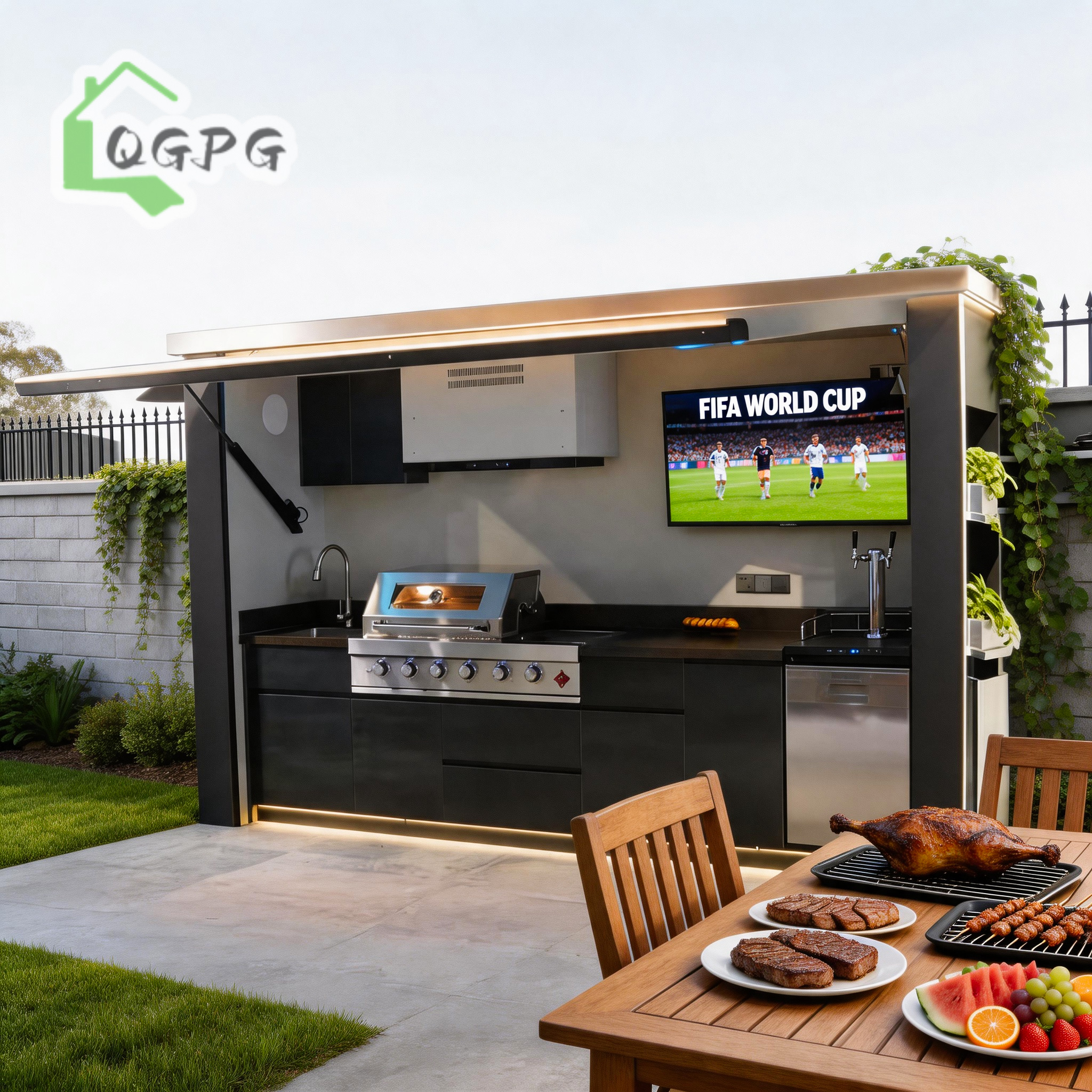
Engineering Product Showcase
Explore our export-ready prefabricated container cabins, motorized units, and deployable outdoor modular stations built for extreme longevity.
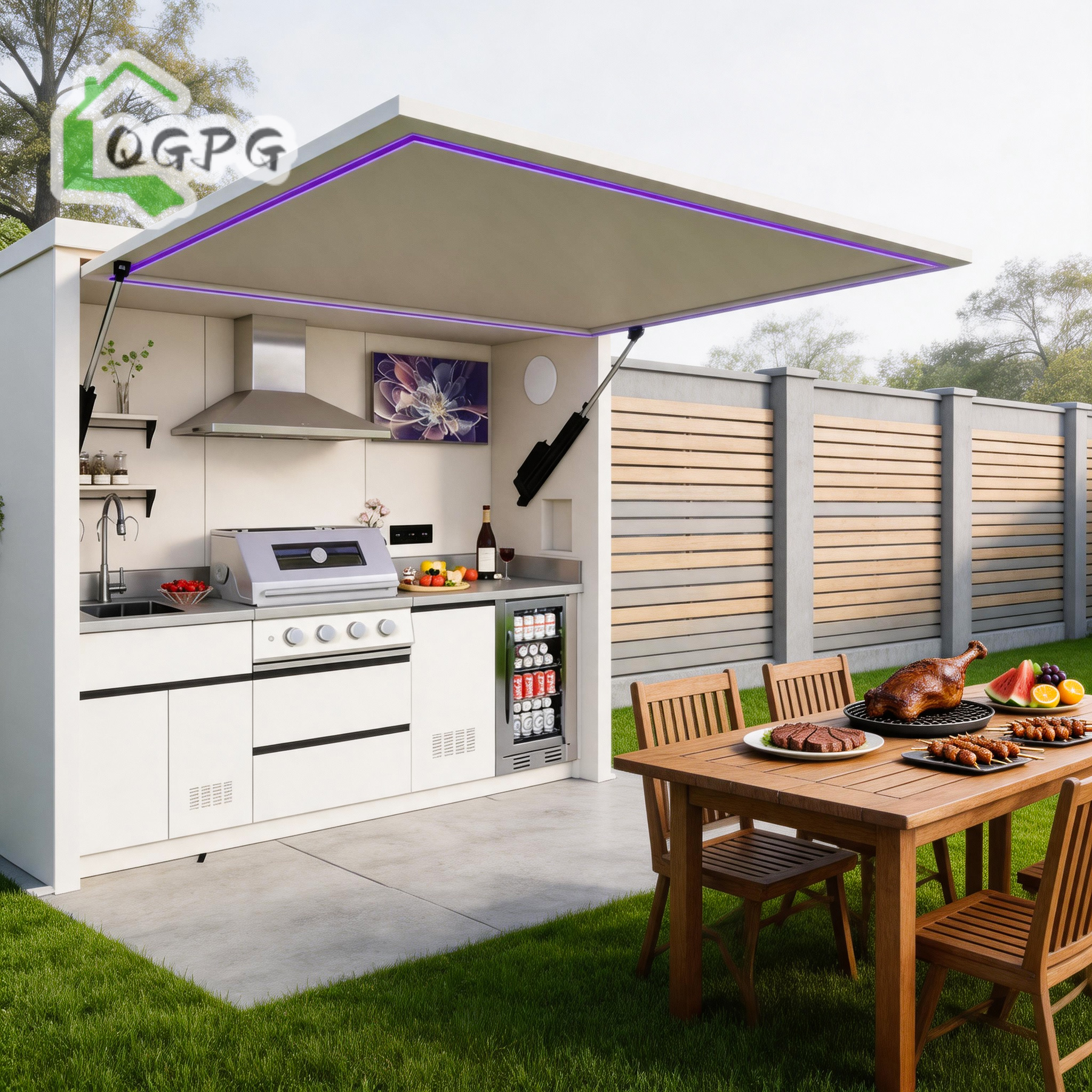
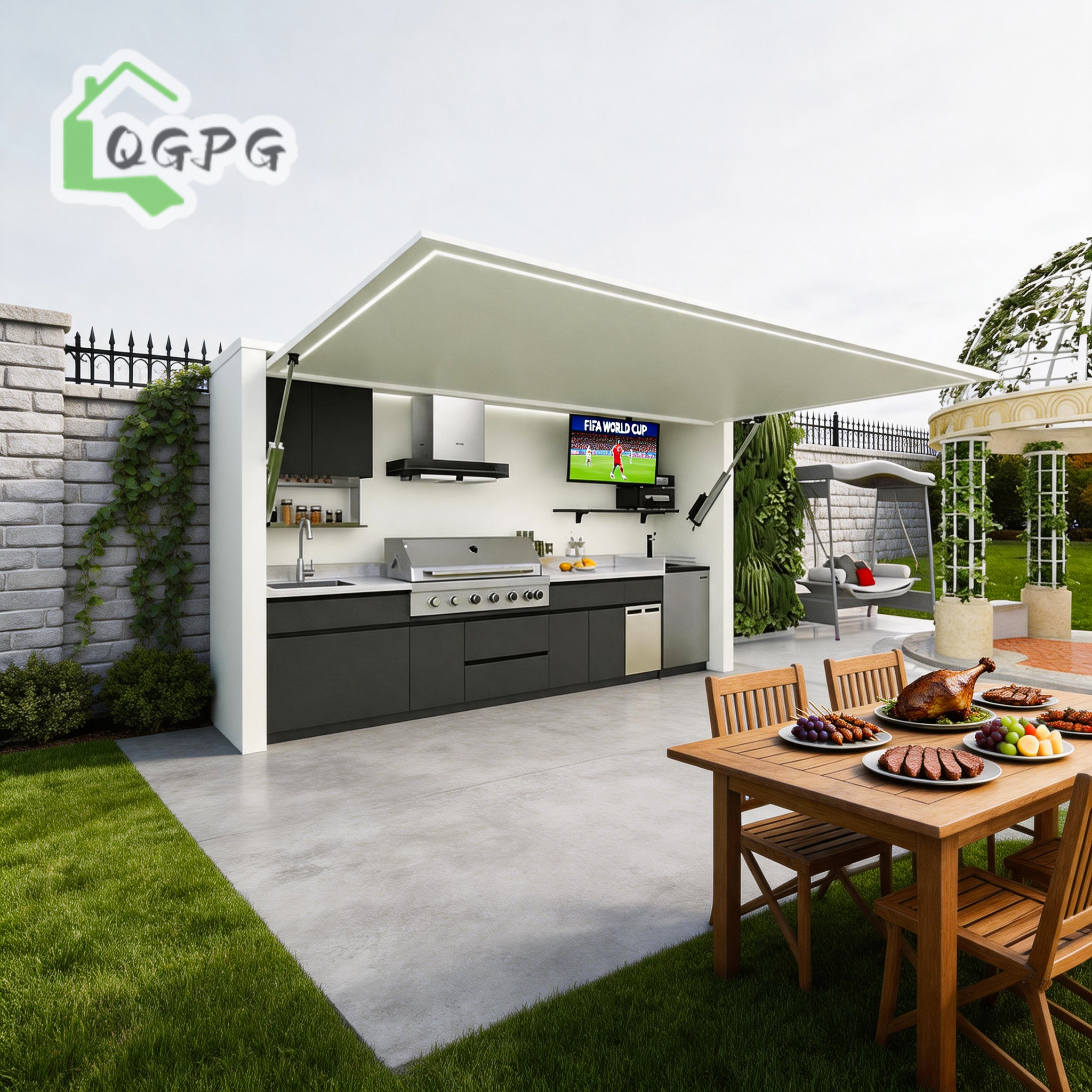
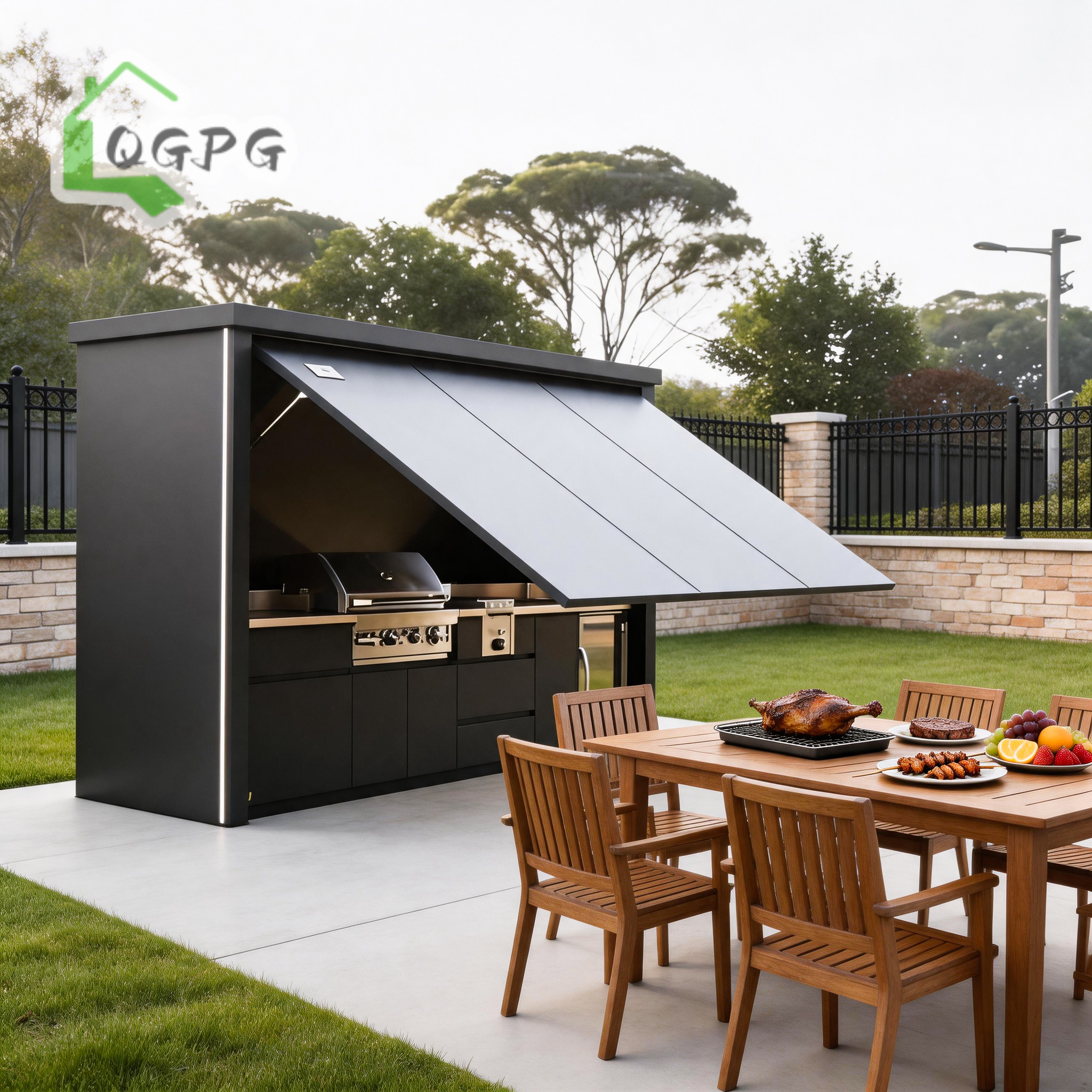
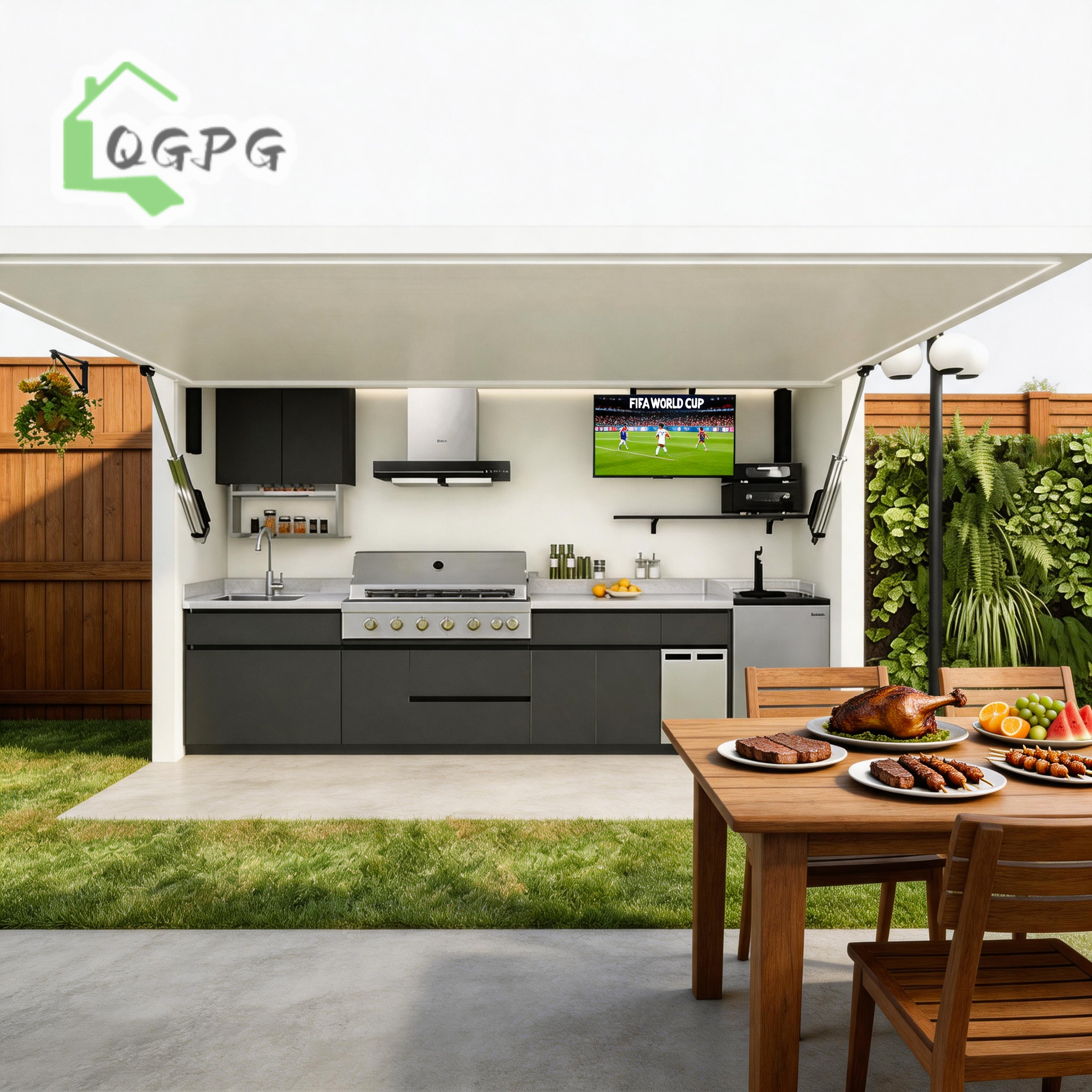
Enterprise Strengths & Direct Manufacturing Authority
Why Tier-1 contractors, resort developers, and government agencies trust Hebei BSU Building Materials Technology Co., Ltd. for turnkey modular deployments.
Intertek On-Site Assessed Facility
Hebei BSU Building Materials Technology Co., Ltd. has undergone rigorous independent verification by Intertek. Unlike mere trading intermediaries, our verified dual manufacturer/trading status ensures full quality control over structural cold-formed steel framing, welding integrity, and insulation panel bonding.
End-to-End In-House Customization
From custom hydraulic flip-up canopies to expandable double-sided wing designs, our 80+ structural engineers translate complex CAD/BIM architectural drawings into precise, factory-built modular assemblies fitted with pre-engineered MEP (Mechanical, Electrical, Plumbing) systems.
Export-Ready Logistics Engineering
We engineer for freight efficiency. Whether maximizing 40ft HQ container payload ratios via flat-pack knocked-down kits, or shipping fully integrated motorized stainless steel pods ready for plug-and-play installation, our packing methodologies eliminate transit damage and slash ocean freight overheads.
Industrial Whitepaper: Structural & Engineering Standards
An in-depth evaluation of material choices, fire resistance ratings, load-bearing capacities, and thermal performance values implemented by China’s premier container cabin factory.
1. Structural Steel Metallurgy & Frame Stability
The core structural integrity of BSU prefabricated container cabins relies on high-yield Q235B and Q355B cold-formed hot-dip galvanized steel section profiles. Main chassis structural beams are engineered with frame thicknesses ranging from 2.5mm to 4.0mm, reinforced by corner fittings compliant with ISO 1161 standards for multi-storey stacking (up to 3 levels high under full dead and live loads).
To resist severe maritime and industrial atmospheric corrosion (C3 to C5 corrosive environments according to ISO 12944), structural steel components undergo multi-stage surface treatments: automatic shot-blasting to Sa 2.5 standard, followed by a zinc-rich epoxy primer coat and a high-durability fluorocarbon (PVDF) topcoat. This system prevents oxidation, providing an expected service life exceeding 25 years even in coastal resorts or humid equatorial climates.
2. Thermal Insulation Envelope & Fire Mitigation
Managing heat gain and thermal conductivity ($\lambda$) is critical for modular project success across extreme climate zones. Hebei BSU integrates high-density sandwich panel wall and roof systems selected strictly according to project specifications:
- Rock Wool Sandwich Panels (Class A Non-Combustible): High-density rock wool core ($\ge 100\text{ kg/m}^3$) delivering zero flame spread and up to 2-hour structural fire endurance (EN 13501-1 compliant). Thermal conductivity: $\le 0.040\text{ W/m}\cdot\text{K}$. Essential for labor camps, modular offices, and public facilities.
- Polyurethane (PU / PIR) Rigid Foam Panels: High-performance thermal envelope ($\lambda \le 0.022\text{ W/m}\cdot\text{K}$) providing superior insulation efficiency per millimeter of thickness. PIR formulations provide Class B1 self-extinguishing fire performance, ideal for cold-climate residential cabins and luxury resort pods.
- Expanded Polystyrene (EPS) Core Panels: Cost-effective thermal barrier ($\ge 16\text{ kg/m}^3$) suited for temporary site office accommodation and emergency response shelters in temperate zones.
3. Marine-Grade Stainless Steel & Actuation Mechanisms
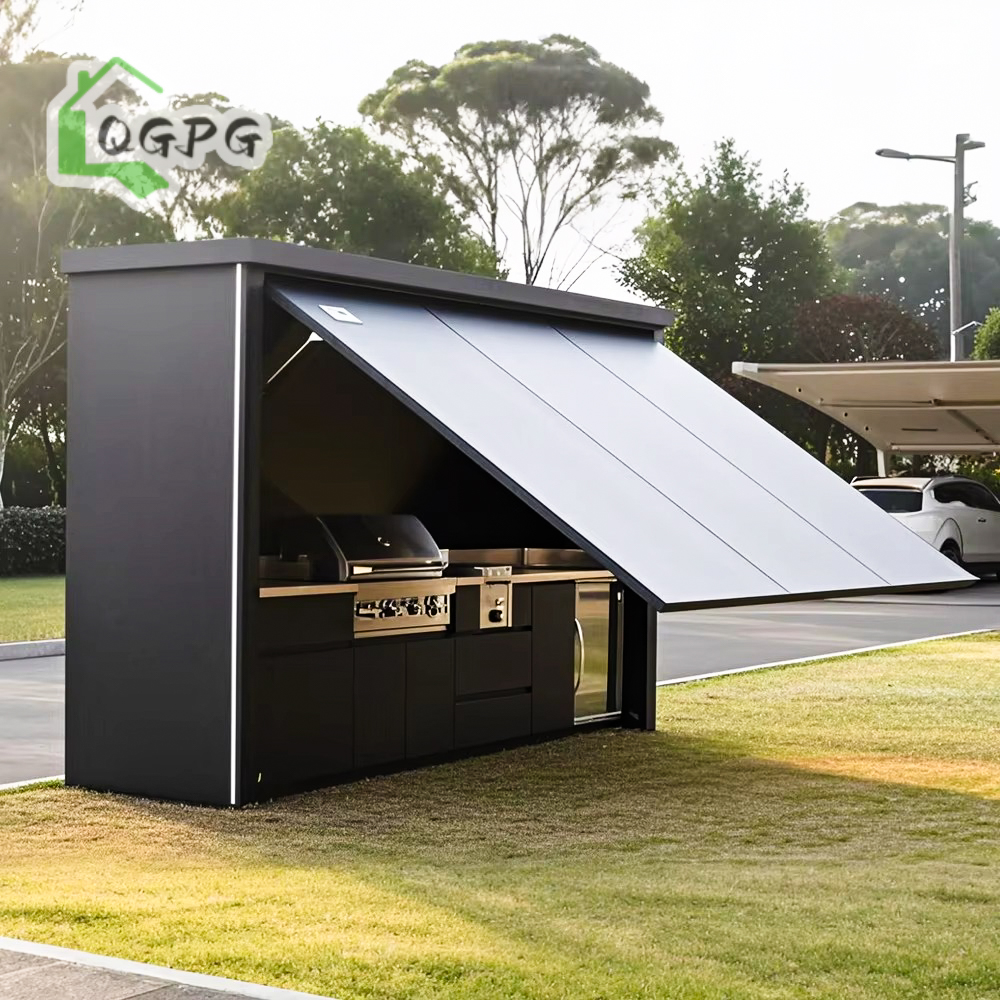
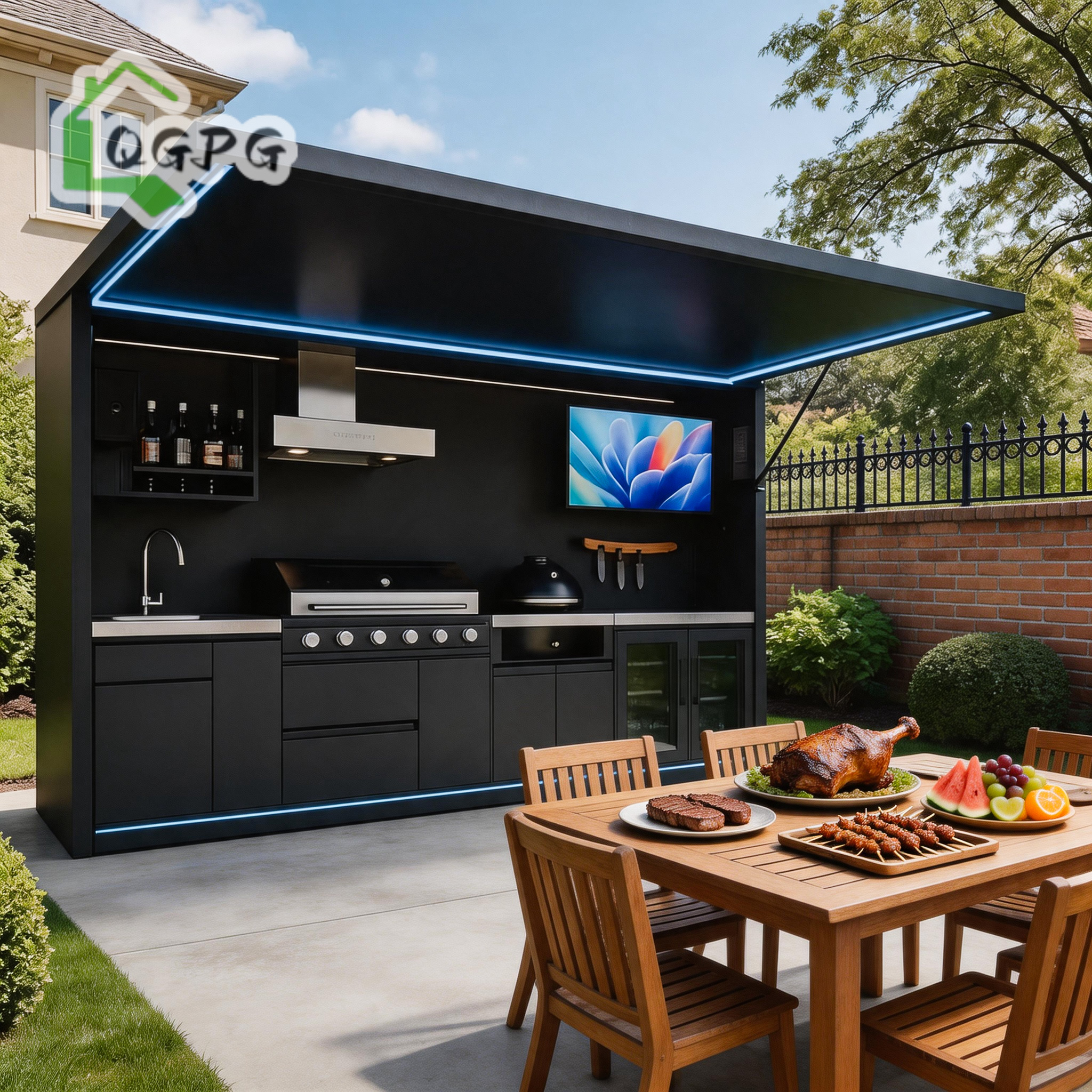
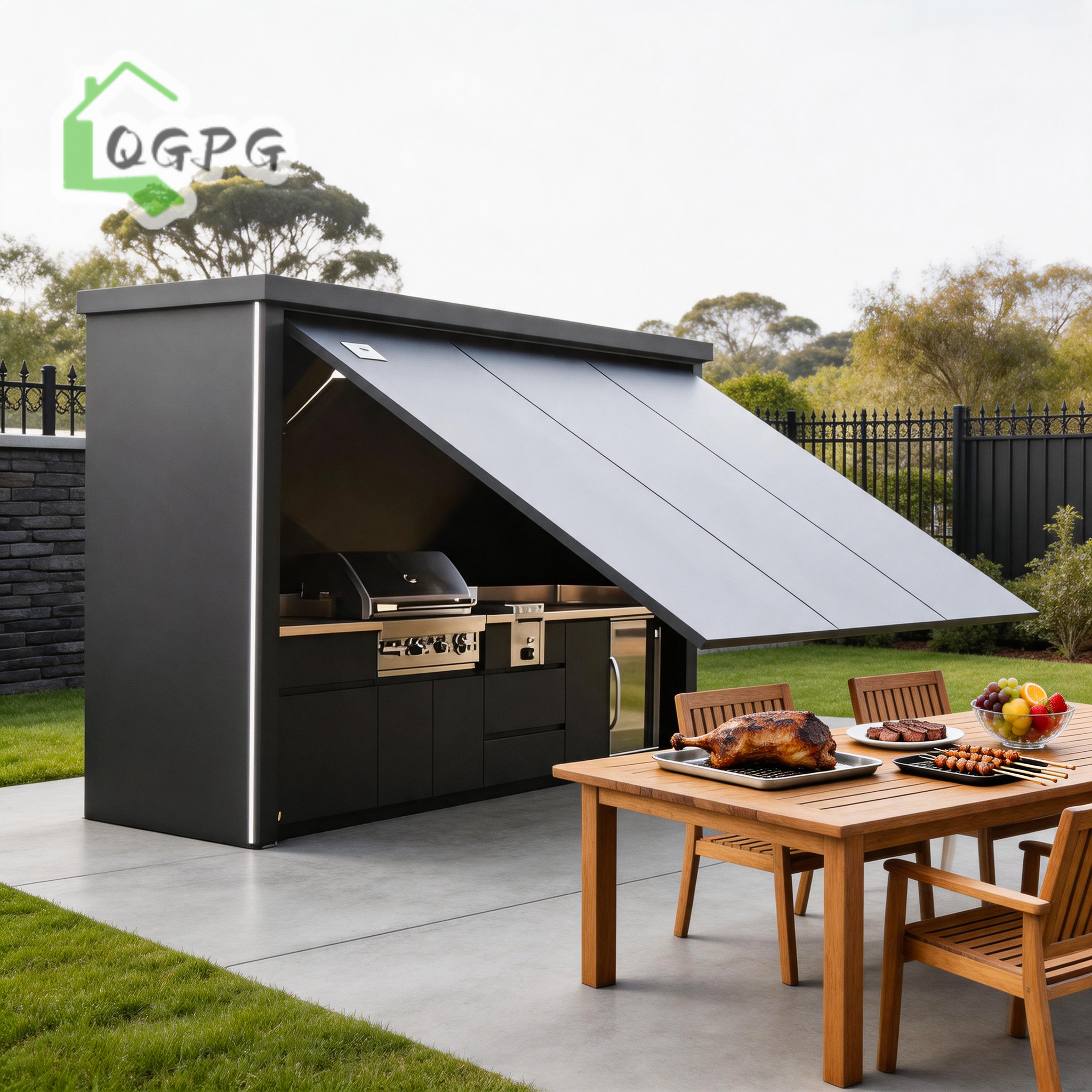
For specialized commercial outdoor kitchen pods and motorized retractable cabins, BSU utilizes premium 304 and 316 Marine-Grade Stainless Steel for exterior cladding, lift arms, and counter systems. Motorized hydraulic and electric actuator lifts are IP65 water-ingress rated, featuring integrated safety sensors, emergency manual override mechanisms, and remote radio-frequency (RF) remote controls built to withstand continuous daily commercial operations.
Prefabricated System Architecture Comparison Matrix
A technical reference guide to assist project managers and procurement officers in selecting the optimal prefab structure based on deployment requirements.
| Building System Type | Structural Core | Assembly Speed | Freight Volume Ratio | Target Applications |
|---|---|---|---|---|
| Expandable Container Cabin | Galvanized Steel Frame + Foldable Dual Wings | 2 Hours / Unit (2-3 Persons) | 1x 40ft HQ loads 2 Units | Luxury Tiny Homes, Resort Cabins, Field Offices |
| Folding Container Unit | Hinged Galvanized Skeleton + Integrated Panels | 10 Minutes / Unit (Crane Required) | 1x 40ft HQ loads 10-12 Units | Disaster Relief, Emergency Camps, Short-term Site Housing |
| Flat Pack Modular Container | Bolted Frame Corner Columns + Swap Panels | 3 Hours / Unit (4 Persons) | 1x 40ft HQ loads 4 Stacked Kits | Multi-Storey Dormitories, Construction Headquarters, Clinics |
| Detachable Container Module | Knock-Down Frame + Individual Panel Components | 4 Hours / Unit (3 Persons) | 1x 40ft HQ loads 15 Units (Knock-down) | Large Mining Camps, Mass Housing, School Classrooms |
| Motorized Stainless Outdoor Pod | 304/316 Stainless Steel + Hydraulic Actuator Lift | 0 Hours (Turnkey Plug-and-Play) | Shipped as Completed Unit / Flat Rack | Commercial Resorts, Villa Patios, Outdoor Catering Venues |
Future Sourcing Trends in Prefabricated Modular Structures
Key technological, regulatory, and architectural shifts redefining global container cabin procurement over the next decade.
1. Net-Zero Energy & Off-Grid Solar Integration
Procurement is rapidly shifting toward self-sustaining modular cabins. Modern designs integrate low-profile photovoltaic roof arrays, integrated lithium battery storage banks, and greywater recycling loops, allowing remote cabins to operate off-grid without utility infrastructure.
2. Automated & Hydraulic Spatial Versatility
The market demand for dual-purpose structures has driven high adoption of motorized flip-up walls and hydraulic roof canopy systems. Commercial venues utilize single modular footprints that transform from secure, weather-sealed storage boxes into fully shaded outdoor kitchens or bars at the push of a button.
3. High-Density Freight Optimization (ESG-Driven)
With international ocean freight volatile, top manufacturers are re-engineering container structures to maximize volumetric payload. Ultra-flat folding mechanisms and nested packaging reduce carbon footprints per unit transported by up to 60%, aligning with corporate ESG metrics.
4. Advanced Prefabricated MEP Compliance
International buyers no longer accept generic wiring or plumbing. Modern modular cabins feature factory-fitted electrical systems pre-certified to country-specific codes (UL for North America, CE for Europe, SAA for Australia), drastically reducing on-site trade labor expenses.
Frequently Asked Technical & Procurement Questions
Clear, direct answers to common questions asked by B2B buyers, site engineers, and procurement directors.
Which prefabricated container cabin system is right for my project?
Selection depends on four primary parameters: living space requirement, speed of erection, budget per unit, and transport logistics.
• Choose Expandable Container Houses for residential living, eco-resort cabins, and sales offices requiring generous floor areas (e.g., 36sqm to 72sqm) with minimal on-site assembly.
• Select Folding Container Houses for rapid emergency response, relief shelters, or construction camps where fast deployment (under 10 minutes) and maximum freight density are required.
• Select Flat Pack Container Units for multi-storey accommodation, mining camp dormitories, and administration headquarters requiring structural stacking and panel-swapping flexibility.
• Choose Motorized Stainless Steel Pods for commercial outdoor kitchens, hospitality food stations, and luxury resort amenity centers needing turnkey plug-and-play installation.
How does Hebei BSU customize units to match local building codes and standards?
As an Intertek-assessed custom manufacturer, BSU adjusts framing gauges, insulation thickness, and electrical/plumbing systems according to destination specs. We provide customized electrical wiring harnesses compliant with UL (USA), SAA (Australia), CE (Europe), or SASO (Saudi Arabia). Architectural layouts, door/window structural framing, fire-rated insulation panels (Rock Wool vs. PU), and exterior colors are fully customized based on client CAD/BIM drawings prior to factory sign-off.
How are container units packaged, secured, and shipped overseas?
Units are engineered specifically to fit standard 40ft High Cube (HQ) shipping containers or shipped as SOC (Shipper Owned Container) units. Flat pack and folding designs are bundled into certified transport packages with heavy-duty steel protection frames and corner castings. Expandable units fold into sealed, self-contained sea-freight modules. Every order includes a detailed packing list, weight distribution map, and ocean-freight loading plan to streamline port customs clearance and unloading.
What installation support and engineering documentation do you provide?
Every shipment includes comprehensive 3D installation manuals, step-by-step video tutorials, structural foundation engineering drawings, and electrical circuit schematics. For large-scale mining camps, commercial resorts, or multi-unit labor accommodation projects, Hebei BSU can dispatch experienced field engineers or installation supervisors to direct your local crew on site.
How can overseas buyers verify factory capabilities and quality before ordering?
Hebei BSU Building Materials Technology Co., Ltd. operates with complete operational transparency. Buyers can inspect our verified Intertek factory assessment reports, audit credit profiles, view 360-degree panoramic factory virtual tours, or request real-time live video tours with our engineering management team. Third-party pre-shipment inspections (e.g., SGS, TÜV, Bureau Veritas) are fully welcomed.
What structural wind and seismic ratings are BSU container cabins designed to withstand?
Standard BSU container structures are engineered to withstand wind loads up to Grade 11-12 (approx. 110-120 km/h) and seismic shocks up to Grade 8. For extreme environments—such as coastal hurricane zones or heavy snow load regions—our structural team upgrades beam profile gauges, integrates add-on ground anchoring assemblies, and increases roof snow-load ratings (up to 1.5 kN/m²).
Ready to Engineer Your Modular Project?
Connect with Hebei BSU’s technical sales team to request custom CAD drawings, material samples, factory verification credentials, or a factory-direct wholesale quotation.