Featured Export Products & Modular Systems
Factory-direct modular units, expandable container homes, and marine-grade outdoor kitchen pods engineered for international structural compliance and rapid field deployment.
Industry Overview: China's Modular & Containerized Construction Ecosystem
The global construction sector is undergoing a paradigmatic transition toward Off-Site Manufacturing (OSM) and volumetric modular building technology. As the global epicenter of structural steel fabrication and containerized manufacturing, China accounts for over 85% of global prefabricated building output. Navigating this vast supply landscape requires global project managers, EPC contractors, and commercial wholesalers to distinguish between commodity brokers and authenticated engineering manufacturers.
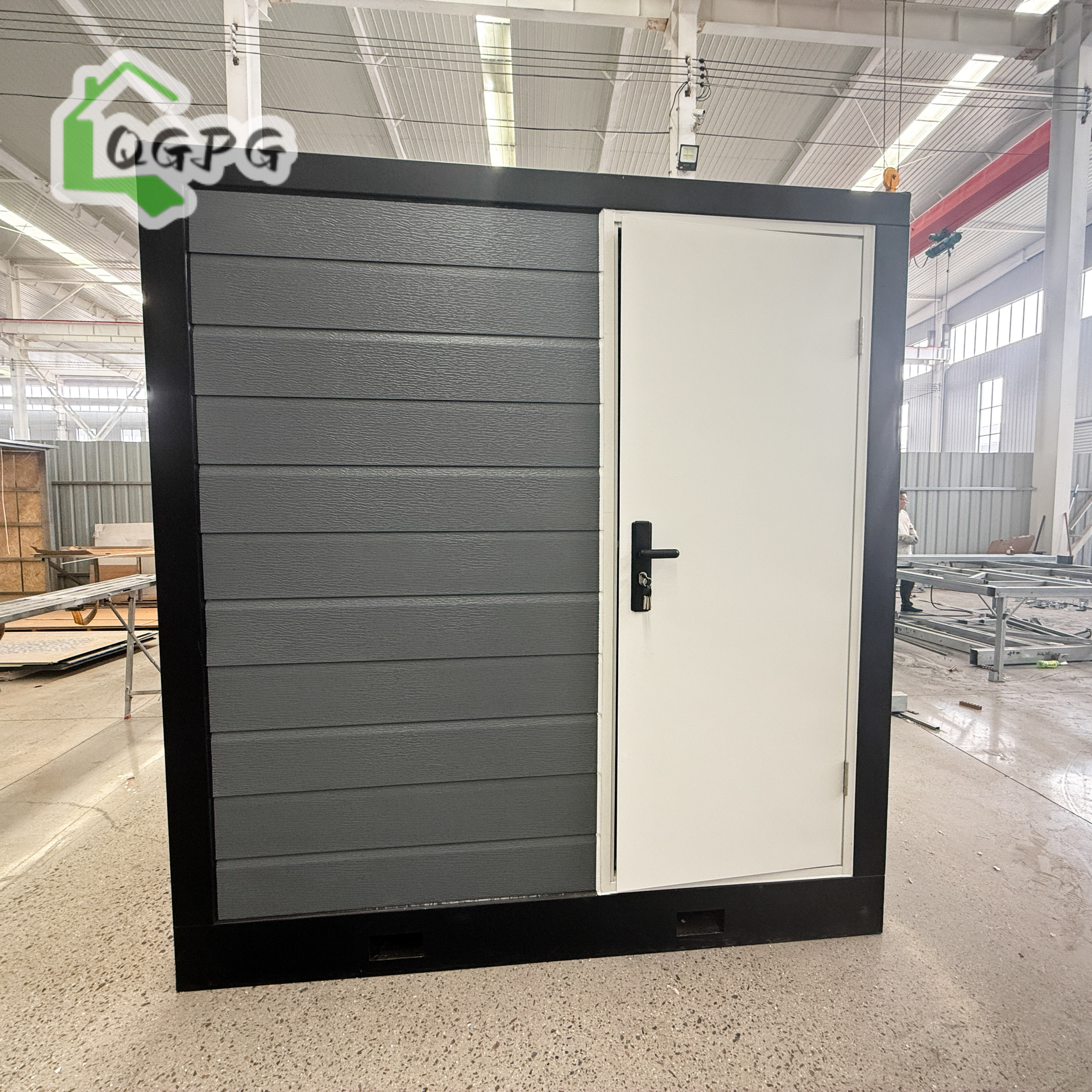
Hebei BSU Building Materials Technology Co., Ltd. stands as an industry benchmark in northern China's structural steel manufacturing cluster. Operating under rigorous third-party oversight, our manufacturing infrastructure in Hebei Province has successfully passed formal on-site factory assessments by Intertek. Verified both as a high-capacity custom manufacturer and international trade entity, BSU maintains an integrated production framework spanning cold-formed structural profiling, automated MIG/TIG structural welding, sandblasting, anti-corrosion coating, sandwich panel lamination, and full MEA (Mechanical, Electrical, and Plumbing) modular assembly.
Metallurgical Precision
Utilization of Q235B and Q355B galvanized structural steel profiles alongside SPA-H Corten atmospheric corrosion-resistant steel, ensuring structural integrity under high structural loads.
Third-Party Audited Quality
Comprehensive inspection protocols matching ISO 9001 and ISO 14001 standards, with complete material test reports (MTRs) and weld non-destructive testing (NDT) records.
Volumetric Export Logistics
Engineering designs optimized for ocean freight, featuring flat-pack knocked-down nesting, telescopic folding mechanisms, and ISO standard corner casting locking systems.
Product Development & Technological Trends in China's Container House Sector
The prefabricated container building industry in China is transitioning rapidly from simple modified ISO shipping units toward fully custom, thermally broken, highly articulated volumetric spatial pods. B2B buyers seeking competitive advantage must align with suppliers capitalizing on four core technological trends:
1. Electro-Hydraulic Kinematic Architecture & Smart Retractable Pods
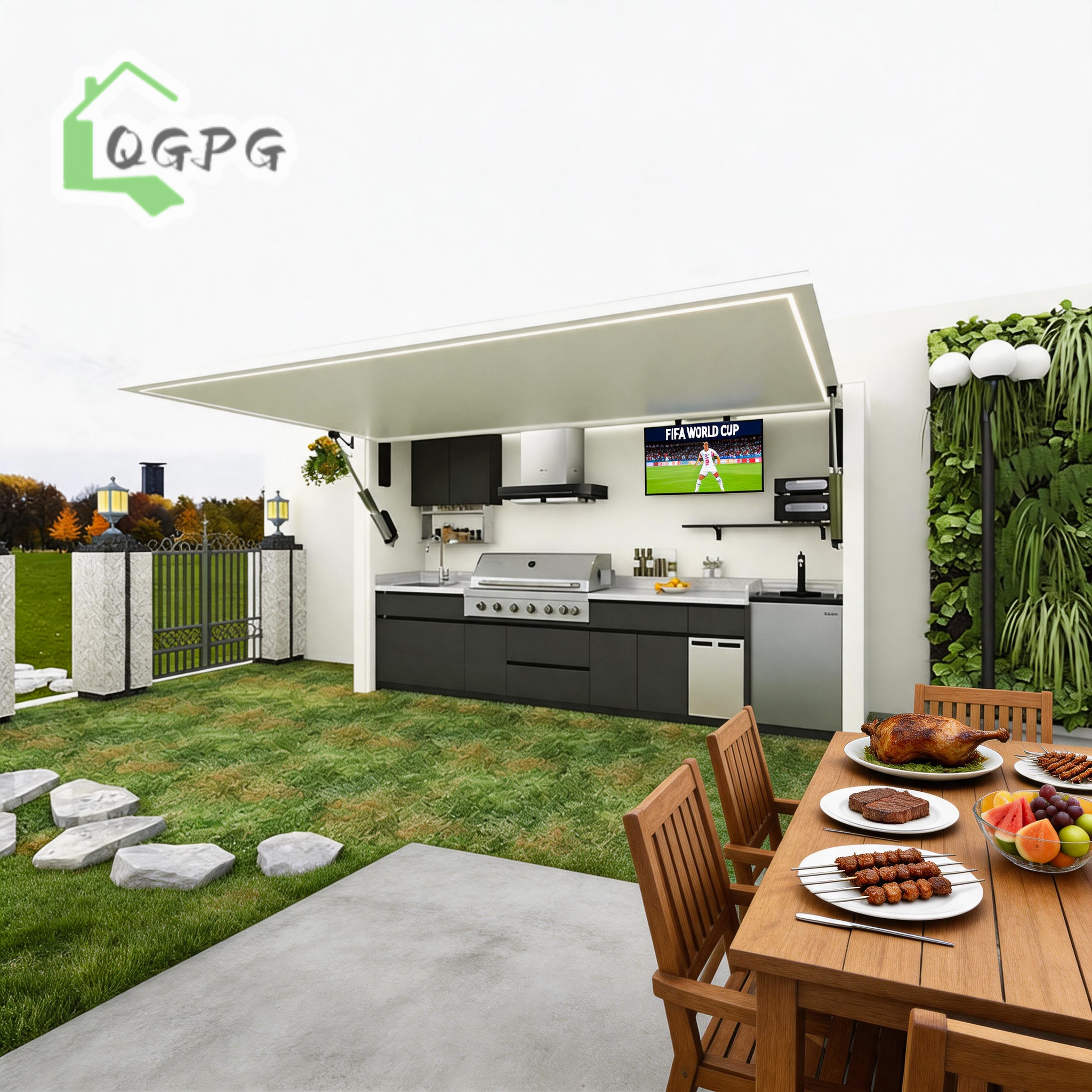
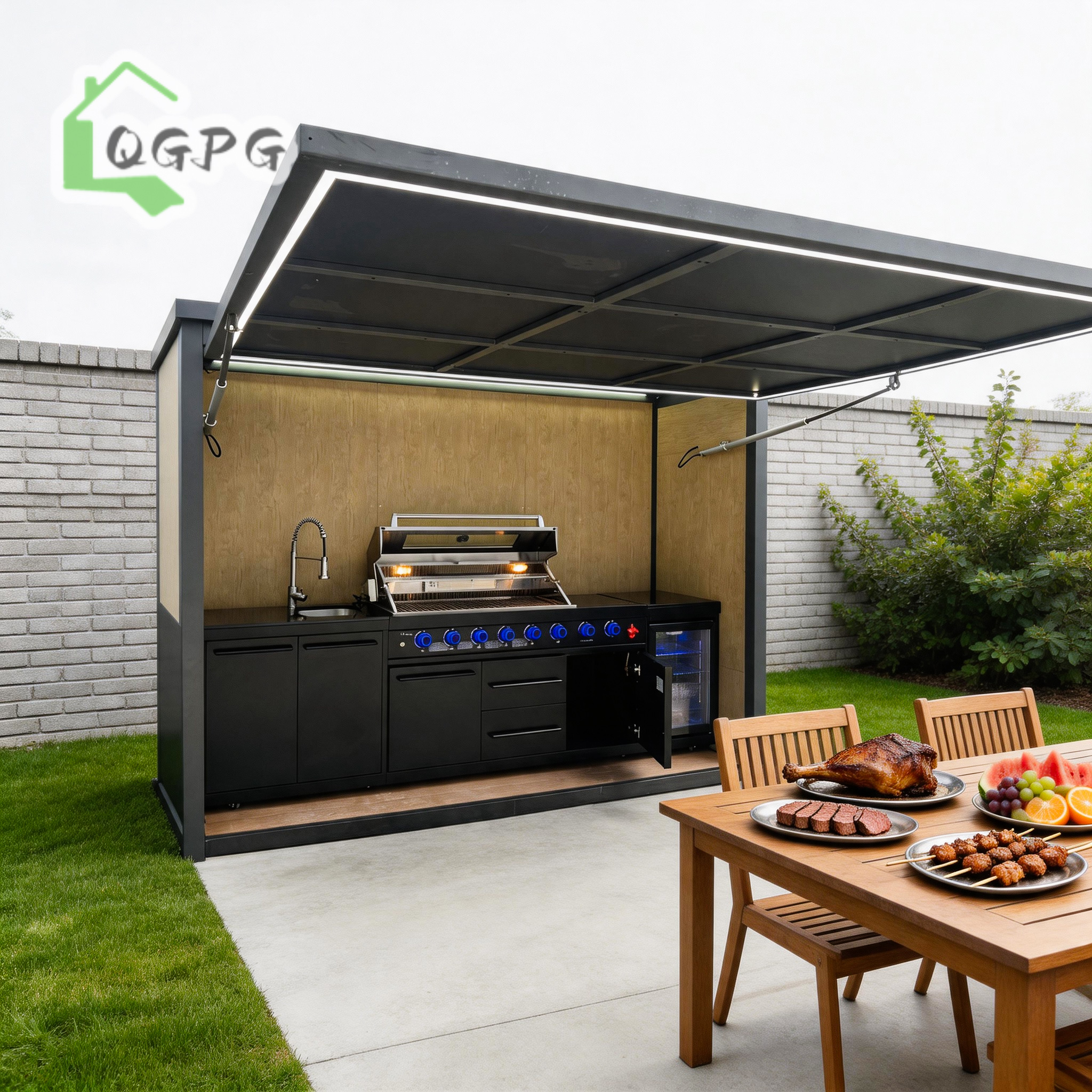
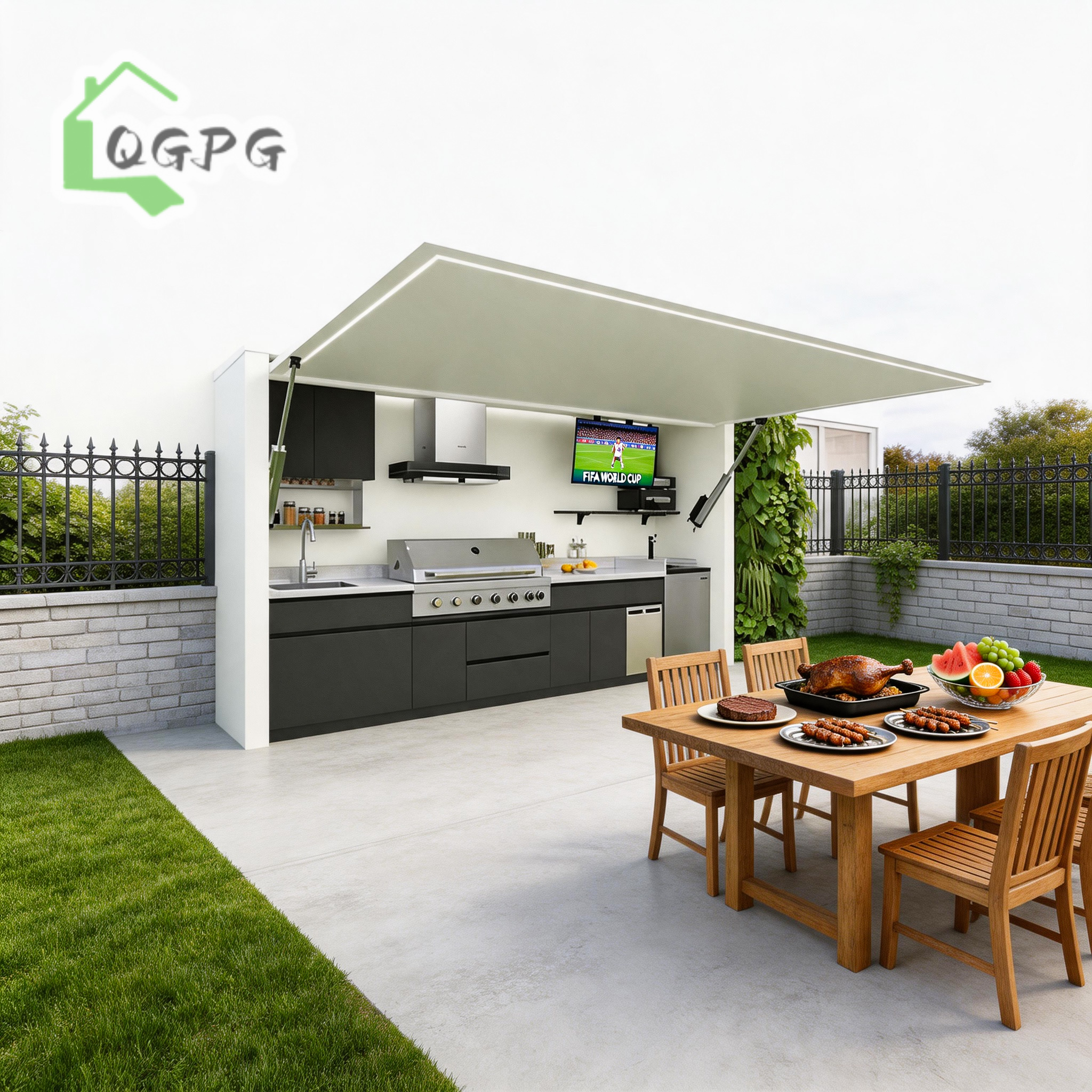
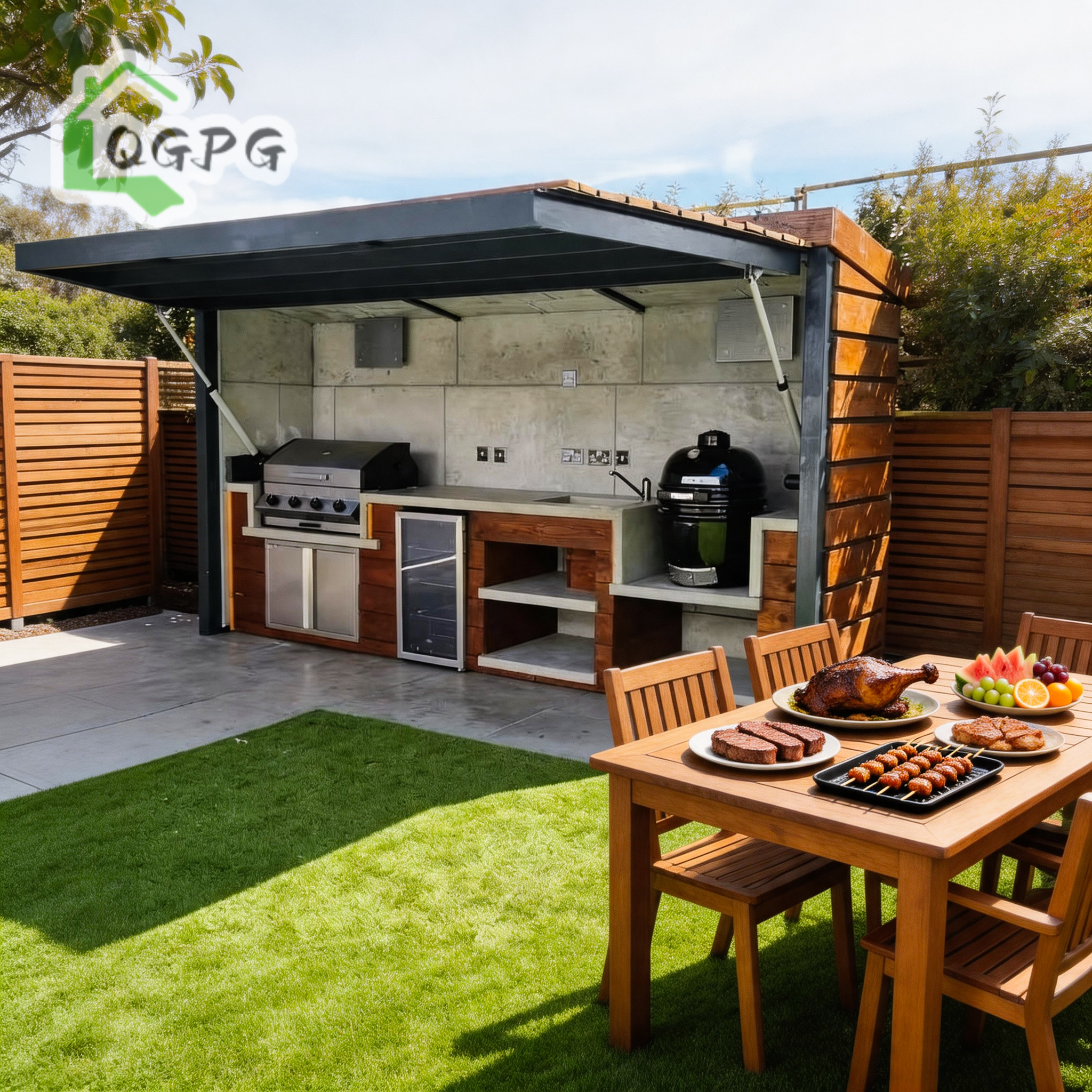
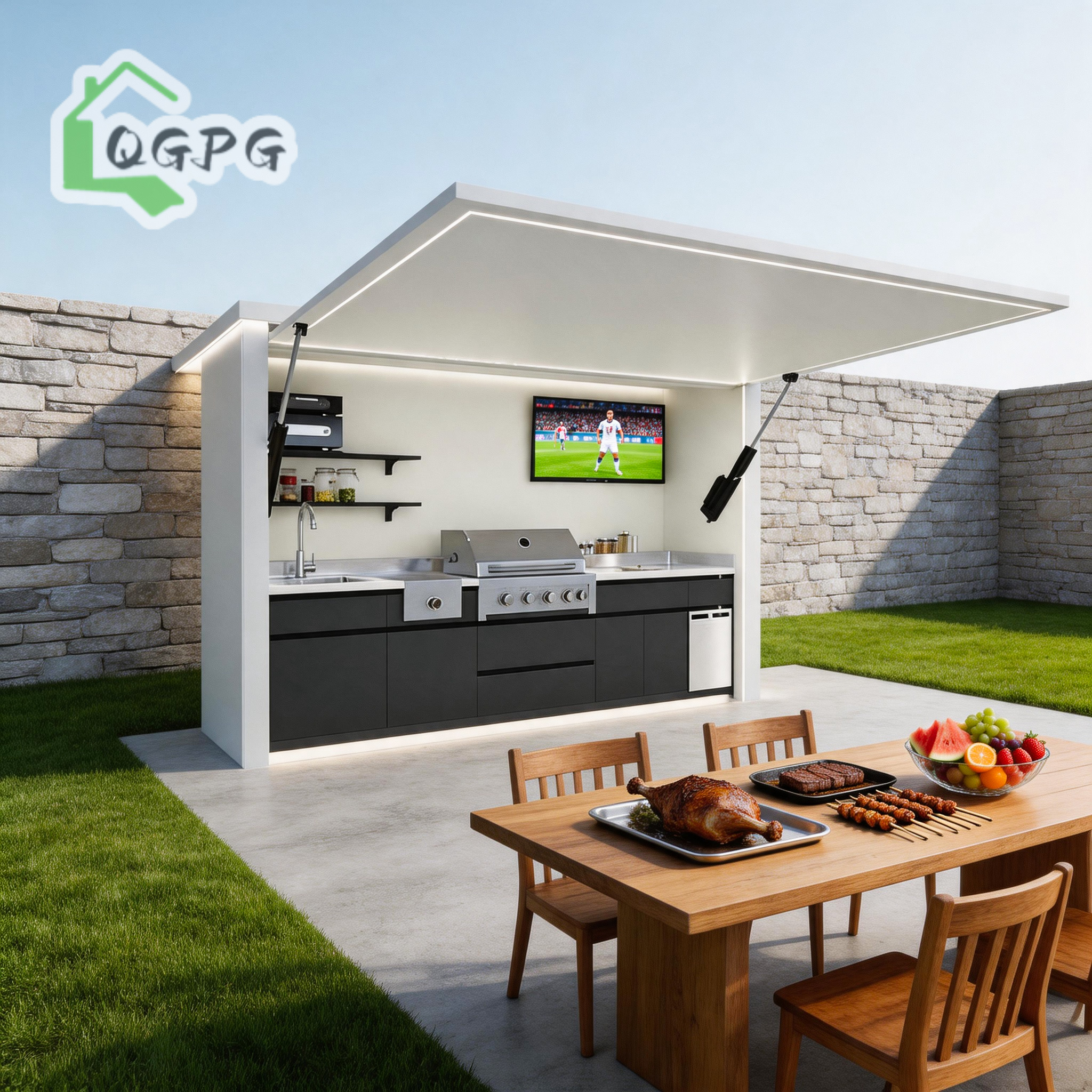
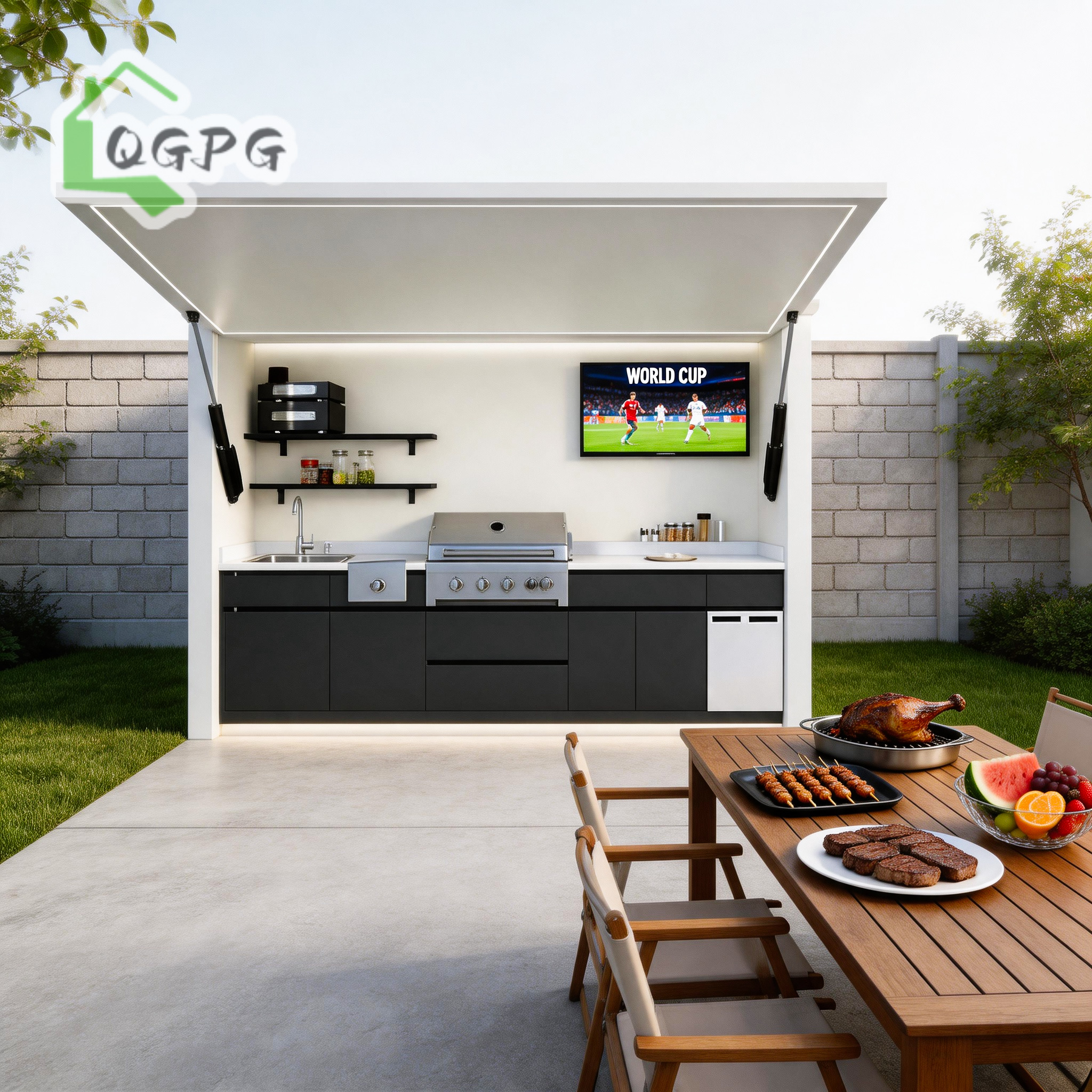
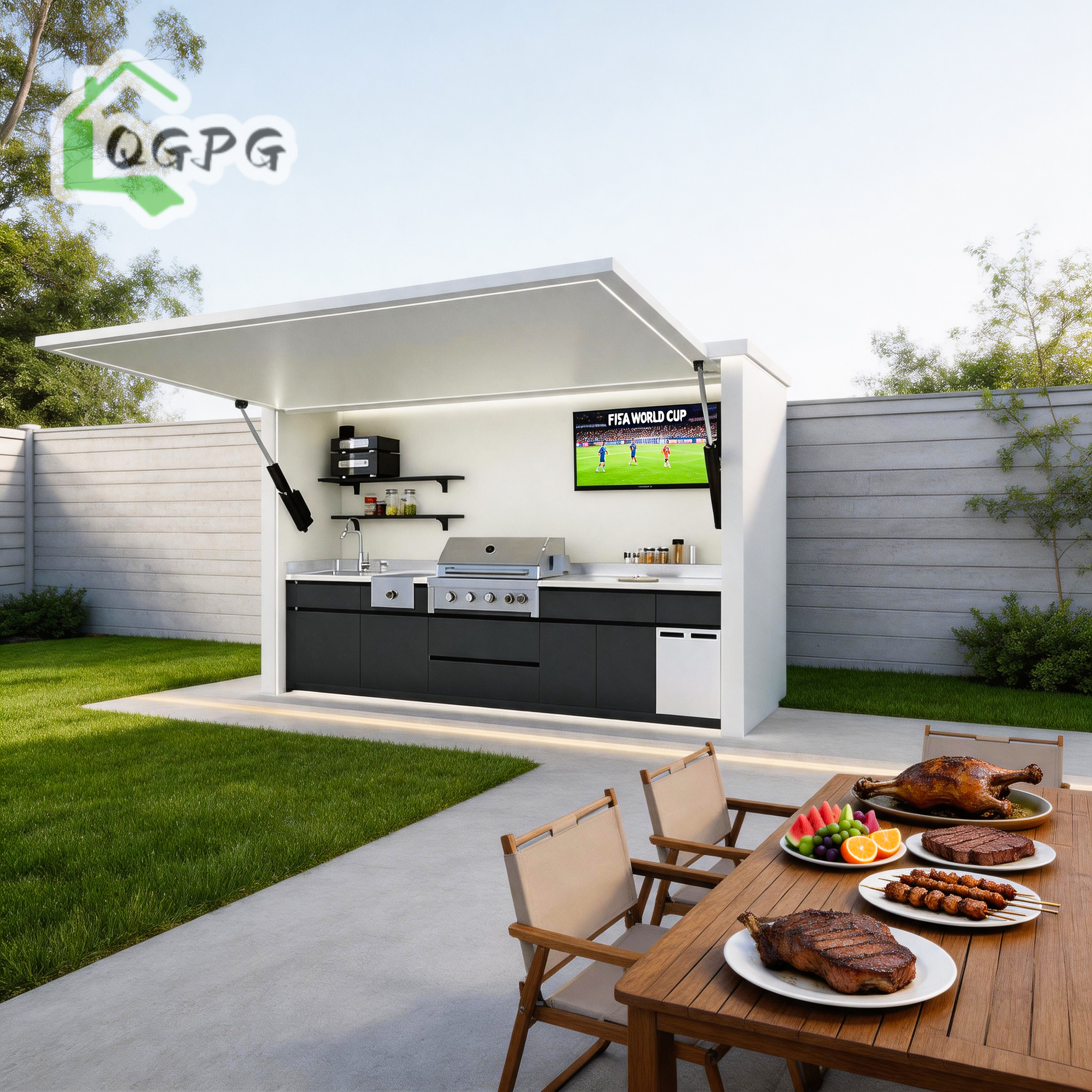
A major milestone in outdoor modular engineering is the integration of automated electric-hydraulic lifting systems and motorized retractable canopy roofs. As demonstrated in BSU's advanced outdoor kitchen pods and expandable luxury units, integrated 24V DC hydraulic actuators allow full enclosure during harsh weather and automated expansion for functional use at the touch of a button. This kinetic functionality completely removes the need for manual site assembly or heavy rigging equipment.
2. Advanced Thermal Envelopes & PIR/PU Injection Lamination
Legacy container housing suffered from severe thermal bridging and condensation. Modern engineering standards mandate structural thermal breaks using high-density Polyisocyanurate (PIR) and Polyurethane (PU) continuous core sandwich panels, alongside rockwool core panels achieving Class A fire resistance. Thermal conductivity values ($\lambda \le 0.022 \text{ W/m}\cdot\text{K}$) ensure compliance with stringent European energy efficiency regulations and Middle Eastern cooling load mandates.
3. Marine-Grade Stainless Steel Kinematics (SUS304 / SUS316)
For high-end residential, hospitality, and coastal resort applications, traditional carbon steel frame structures are increasingly being replaced by 304 and marine-grade 316 stainless steel structural frames. Stainless steel pods eliminate ambient atmospheric oxidation, withstanding saltwater spray environments (C5-M corrosion rating under ISO 12944) while providing an architecturally striking industrial aesthetic.
4. Plug-and-Play Mechanical & Plumbing Subsystem Integration
Future-ready container structures are no longer empty steel shells. Modern off-site fabrication incorporates factory-pre-installed concealed PEX plumbing networks, integrated greywater drainage, CE/UL certified electrical wiring conduits, dynamic RGB LED ambient lighting, and integrated commercial-grade appliances (grills, sinks, refrigeration, and acrylic sanitary cabins) prior to container stuffing.
Comparative Structural Matrix for Modular Container Systems
Selecting the appropriate structural topology directly impacts total project cost of ownership (TCO), logistics footprint, and on-site assembly schedules. Review the technical baseline established by BSU engineers:
| Structural System | Primary Material | Assembly Time / Unit | Freight Packaging Efficiency | Wind / Seismic Load | Optimal Application |
|---|---|---|---|---|---|
| Expandable Container House | Galvanized Steel + Hinged Wings | 2 Hours (2-3 Workers) | 1 FEU Container = 1-2 Units | 110 km/h | Seismic Grade 8 | Residential Villas, Glamping, Clinics |
| Folding Container House | Pre-assembled Hinged Steel Frame | 10 Minutes (Crane required) | 1 FEU Container = 10-12 Units | 90 km/h | Seismic Grade 7 | Emergency Relief, Mining Camps |
| Flat Pack Container House | Bolted Column & Frame Modular | 3-4 Hours (4 Workers) | 1 FEU Container = 4 Stacked Units | 120 km/h | Seismic Grade 8 | Multi-Storey Site Offices, Dorms |
| Stainless Steel Outdoor Pod | 304/316 Marine Grade Stainless | Zero Assembly (Plug & Play) | Shipped as Completed Volumetric Pod | 150 km/h | C5 Corrosion Rated | Luxury Hospitality, Outdoor Kitchens |
Future Sourcing & Procurement Trends for International B2B Buyers
Procuring prefabricated container buildings from China requires moving beyond initial FOB unit pricing to analyze total land-use cost, import compliance, and lifecycle durability. Procurement directors should structure their Sourcing & Quality Control strategy around three critical pillars:
1. Volumetric Shipping Optimization & Freight Cushioning
Freight costs represent a substantial percentage of total import expenditure. Leading buyers prioritize suppliers capable of high-density volumetric nesting. For example, BSU's flat-pack and folding container solutions achieve packing densities that allow up to 12 fully functional shelter units per 40ft High Cube container, reducing per-unit sea freight costs by as much as 75% compared to fully built volumetric units.
2. Verification of Verification: Factory Audits and Verification Profiles
To mitigate remote procurement risks, global enterprise buyers now demand comprehensive digital due diligence before issuing Purchase Orders (POs). Key verification requirements include:
- On-Site Intertek / SGS Factory Audits: Independent validation of factory footprint, machinery, annual output capacity, and worker welfare standards.
- Transparent Trade Records: Access to verified shipment histories, transaction volumes, and financial credit ratings via authenticated supplier portals.
- Live High-Definition Factory Inspections: Utilizing remote video tours and 360-degree panoramic VR workshop walkthroughs to verify raw material stock and active production lines.
3. ESG, Sustainability & Lifecycle Recyclability
Corporate sustainability mandates require architectural materials to align with Scope 3 carbon reduction goals. Prefabricated steel container buildings represent a highly sustainable structural choice—incorporating over 90% recyclable steel elements, generating zero wet-construction site waste, and allowing 100% demountability and relocation without structural degradation.
Frequently Asked Questions (B2B Procurement FAQ)
Clear, definitive answers to standard technical, logistical, and compliance inquiries raised by international project buyers and engineering teams.
Which container house type is most cost-effective for large-scale labor camps?
For large workforce accommodations and multi-storey site facilities, Flat Pack Container Houses offer the optimal balance of structural strength and freight economy. Up to four flat-pack modules stack to form standard ISO dimensions, allowing four complete units to ship in a single 40ft High Cube container. On-site assembly takes approximately 3-4 hours per unit using standard tools, resulting in the lowest Total Cost of Ownership (TCO) for projects exceeding 50 modules.
How do BSU container structures withstand extreme weather and salt spray corrosion?
BSU structural frames utilize high-grade hot-dip galvanized steel coated with multi-layer epoxy primers and fluorocarbon topcoats, reaching a C5-M anti-corrosion rating under ISO 12944. For specialized marine or coastal projects, our luxury pods and kitchens are built from 304 or 316 marine-grade stainless steel. Thermal insulation cores (PIR, PU, or high-density Rockwool) are customized from 50mm to 100mm+ thickness to withstand temperature ranges from -40°C in arctic climates to +55°C in desert environments.
Can electrical, plumbing, and structural elements be customized to destination country codes?
Yes. As a verified custom manufacturer, BSU tailors every engineering design to meet destination regulations. Electrical distribution boxes, conduits, sockets, and breakers are pre-installed to conform with CE (Europe), UL/CSA (North America), or SAA (Australia/New Zealand) electrical standards. Plumbing systems are pre-fitted with international standard PEX/PVC piping and certified fixture connections.
How are units packed, secured, and shipped overseas to ensure zero transit damage?
Depending on unit geometry, products ship as standard ISO volumetric modules, flat-pack bundles, or folded packages protected by high-gauge poly-wrap and steel banding. Glass windows and delicate finishes feature corner guards and foam padding. Every shipment includes a detailed packing list, container loading diagram, and material safety documentation provided prior to port departure.
What factory verification credentials does Hebei BSU hold for buyer due diligence?
Hebei BSU Building Materials Technology Co., Ltd. has passed an extensive on-site audit conducted by Intertek, confirming our verified status as both an authenticated manufacturer and international exporter. Buyers can inspect our verified supplier profile, third-party credit reports, trade history records, and 360-degree panoramic virtual factory tours directly through our global platform.
What is the standard production lead time and order fulfillment process?
Standard container modules (such as standard folding or flat-pack units) carry a factory production lead time of 10 to 15 business days for standard batch sizes. Fully custom architectural designs, specialized stainless steel motorized pods, or multi-hundred unit projects typically require 20 to 30 days. Formal CAD/BIM shop drawings are submitted for buyer approval prior to raw material cutting and frame welding.
Initiate Your Modular Building Sourcing Request
Partner directly with an Intertek-assessed manufacturer in Hebei, China. Submit your project floor plans, structural requirements, or wholesale quantities for an immediate engineering assessment and competitive mill-direct quotation.