Custom OEM Modular Container Building Exporters & Wholesaler

Technical Whitepaper & B2B Procurement Authority: Engineering Precision, Sustainable Structural Design, and Global Supply Chain Integration by Hebei BSU Building Materials Technology Co., Ltd.

Factory-Direct Modular Solutions

Precision-Engineered OEM/ODM Modular Products

Explore our Intertek-assessed, export-ready portfolio of expandable container structures, hydraulic motorized pods, and prefabricated sanitary units tailored for commercial, industrial, and luxury residential projects.
Manufacturer Trust & Authority

Hebei BSU: Verifiable Manufacturing Excellence

Headquartered in Hebei Province, China, Hebei BSU Building Materials Technology Co., Ltd. is an Intertek-assessed manufacturer engineering structural steel solutions for global B2B procurement agencies.

80+
Certified Technical Personnel
In-house structural engineers, CAD draftspeople, AWS certified welders, and QC managers.
Intertek
Audited On-Site Facility
Third-party assessed manufacturing operations, supply chain integrity, and corporate standing.
100%
Pre-Assembly Inspection
Every modular unit undergoes complete electrical, plumbing, and structural trials before packing.
120+
Export Destination Markets
Engineered to comply with local codes across Europe, Australia, North America, and the Middle East.

Direct Factory Customization

We operate as both verified direct manufacturer and trading entity. B2B buyers deal directly with the engineering floor—eliminating distributor markups, streamlining OEM design iterations, and guaranteeing rigorous adherence to project CAD specs.

End-to-End Modular Integration

From expandable container living units to motorized hydraulic kitchen pods and commercial sanitary cabins, our manufacturing facility houses cold-form steel rolling, robotic welding, sandwich panel assembly, and automated powder coating line under one roof.

Export-Optimized Logistics & Strapping

Shipping cost is a critical component of total procurement expenditure. Our flat-pack, folding, and knock-down container designs maximize volumetric efficiency, allowing up to 4 units per 40ft HQ container and drastically reducing ocean freight costs per square meter.

Industry Whitepaper Analysis

Technical Trends Reshaping Modular Container Construction

An engineering analysis of structural innovations, automation mechanisms, and material science developments in the global prefabricated building market.

The global construction landscape is undergoing a structural paradigm shift toward off-site prefabrication, accelerated by labor shortages, rising on-site construction costs, and stringent municipal carbon reduction mandates. As a premier custom OEM modular container building exporter and wholesaler, Hebei BSU is at the forefront of this industrial transition. Modern modular container buildings have evolved far beyond basic ISO steel boxes into high-performance, architectural-grade structures integrated with smart automation, advanced metallurgical coatings, and high-efficiency thermal envelopes.

1. Automated Hydraulic & Motorized Canopy Dynamics

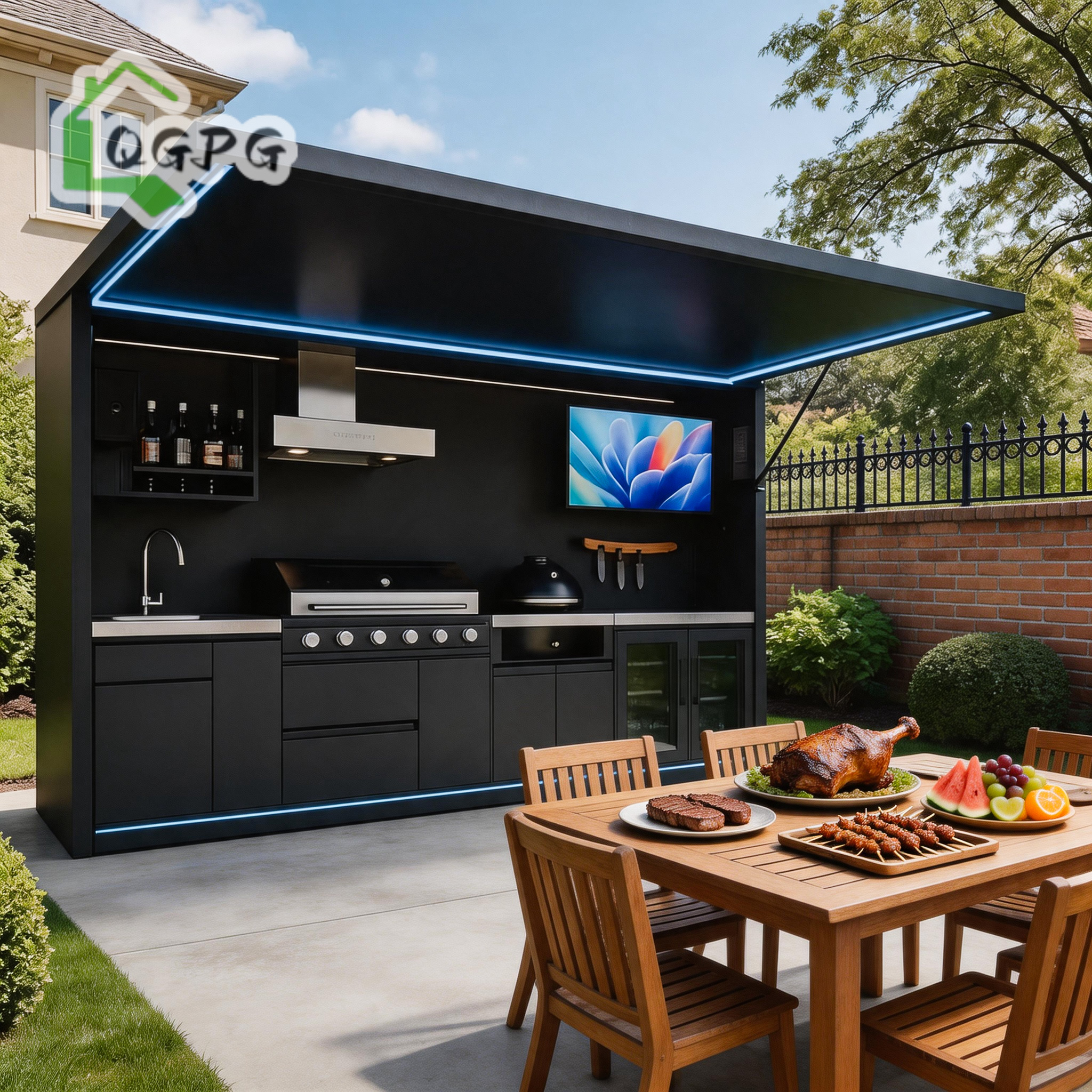
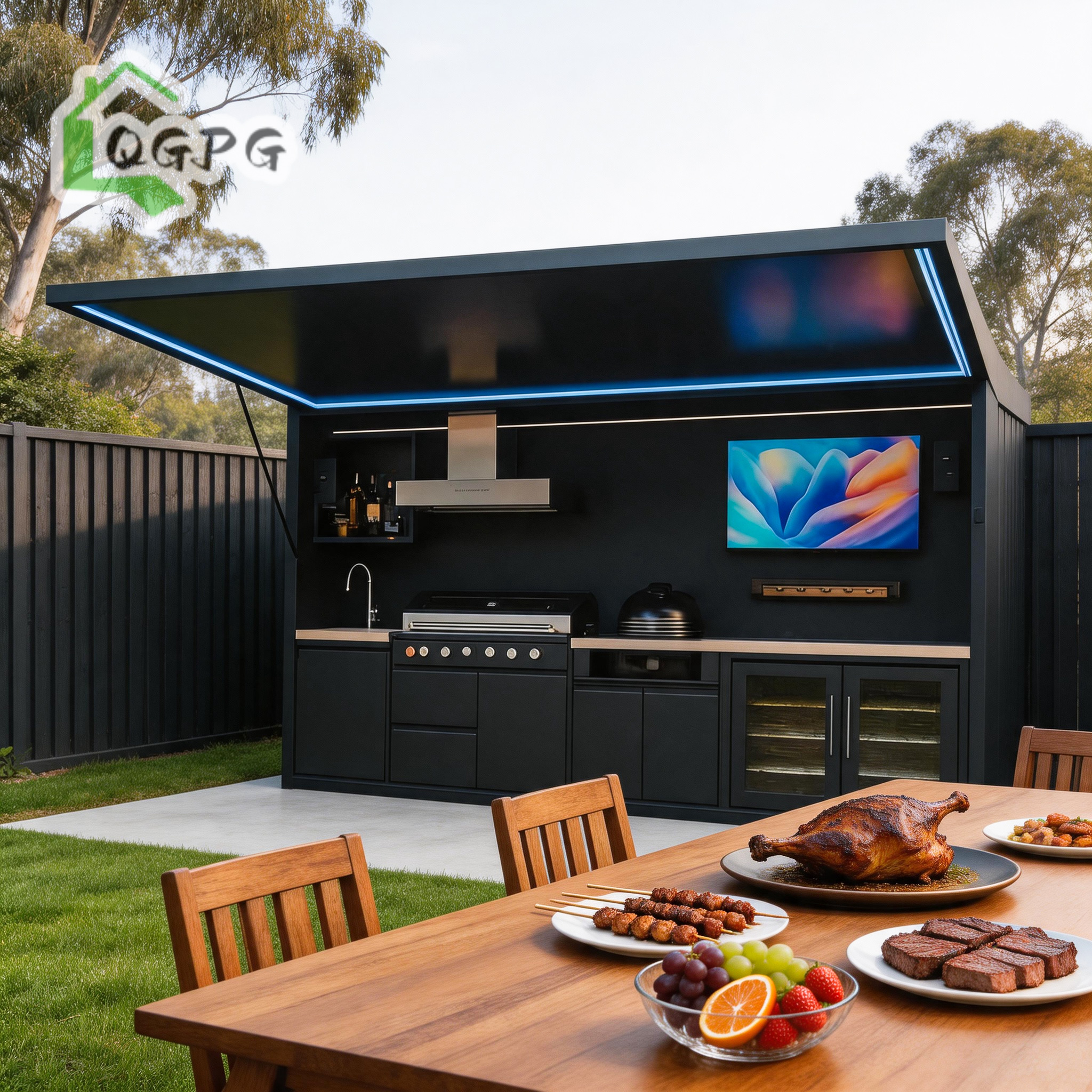
One of the most notable technological trends in commercial and luxury modular pods is the incorporation of heavy-duty hydraulic and motorized elevation systems. Modern commercial hospitality venues, luxury resorts, and outdoor residential spaces require multi-functional structures that offer security when closed and expansive usability when deployed.

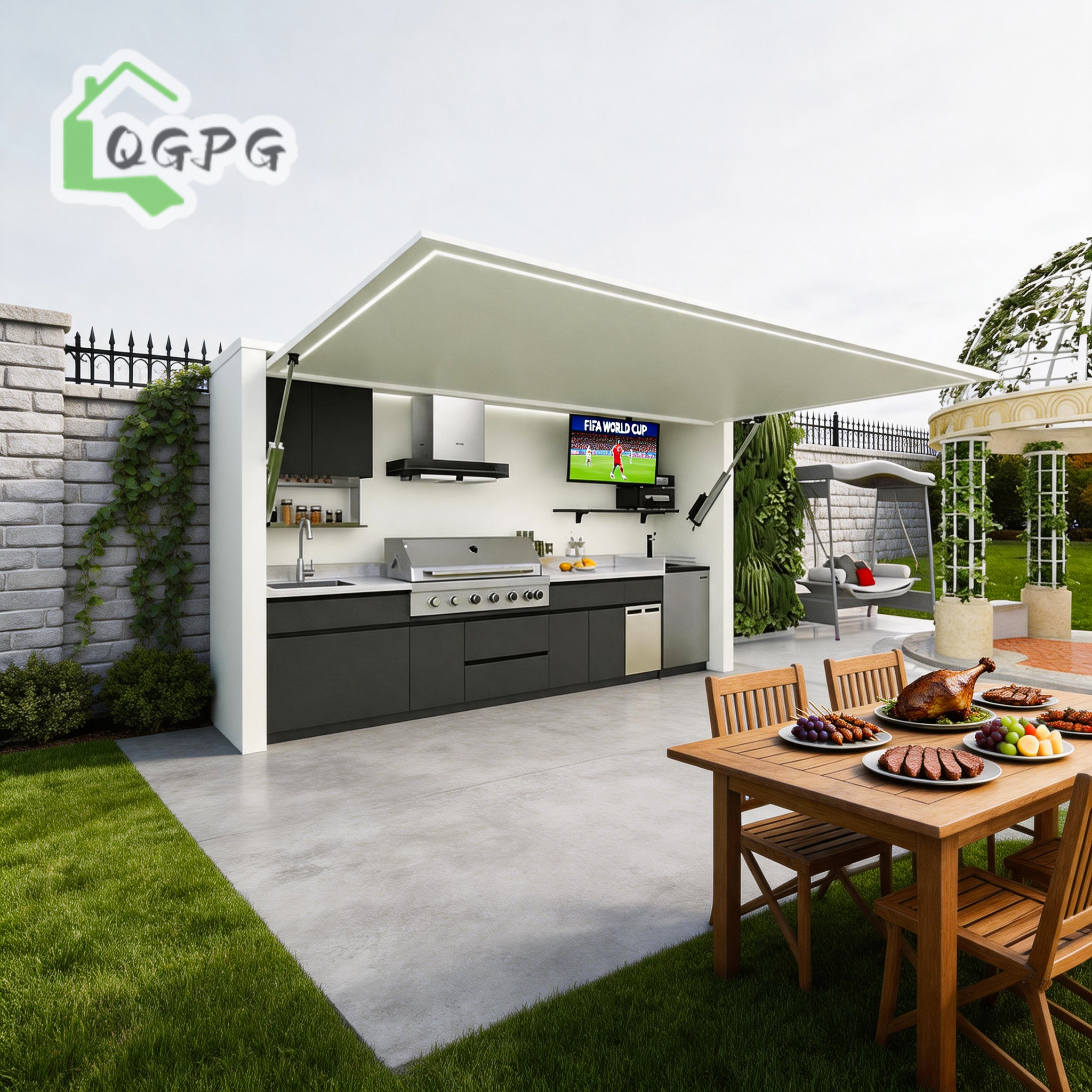
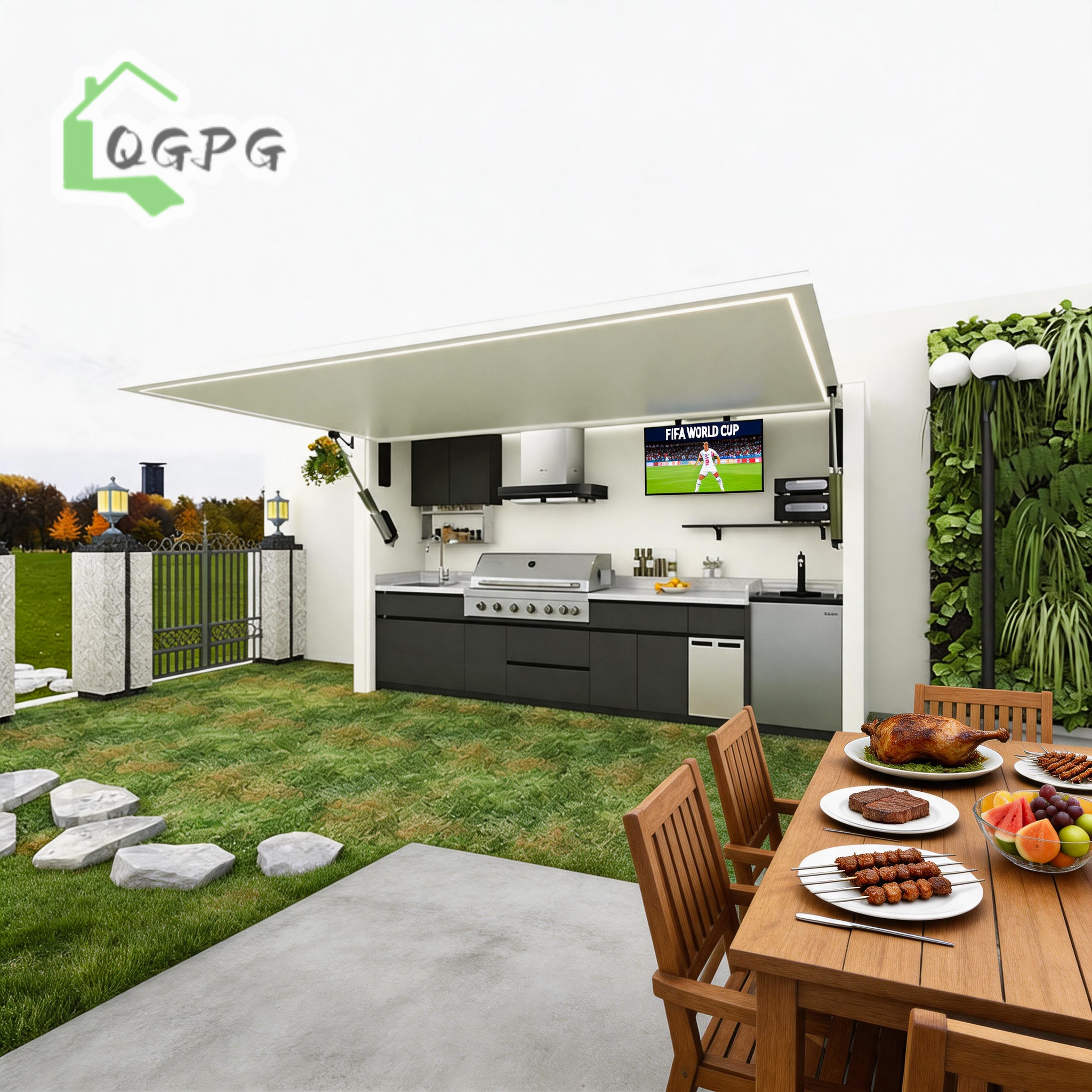
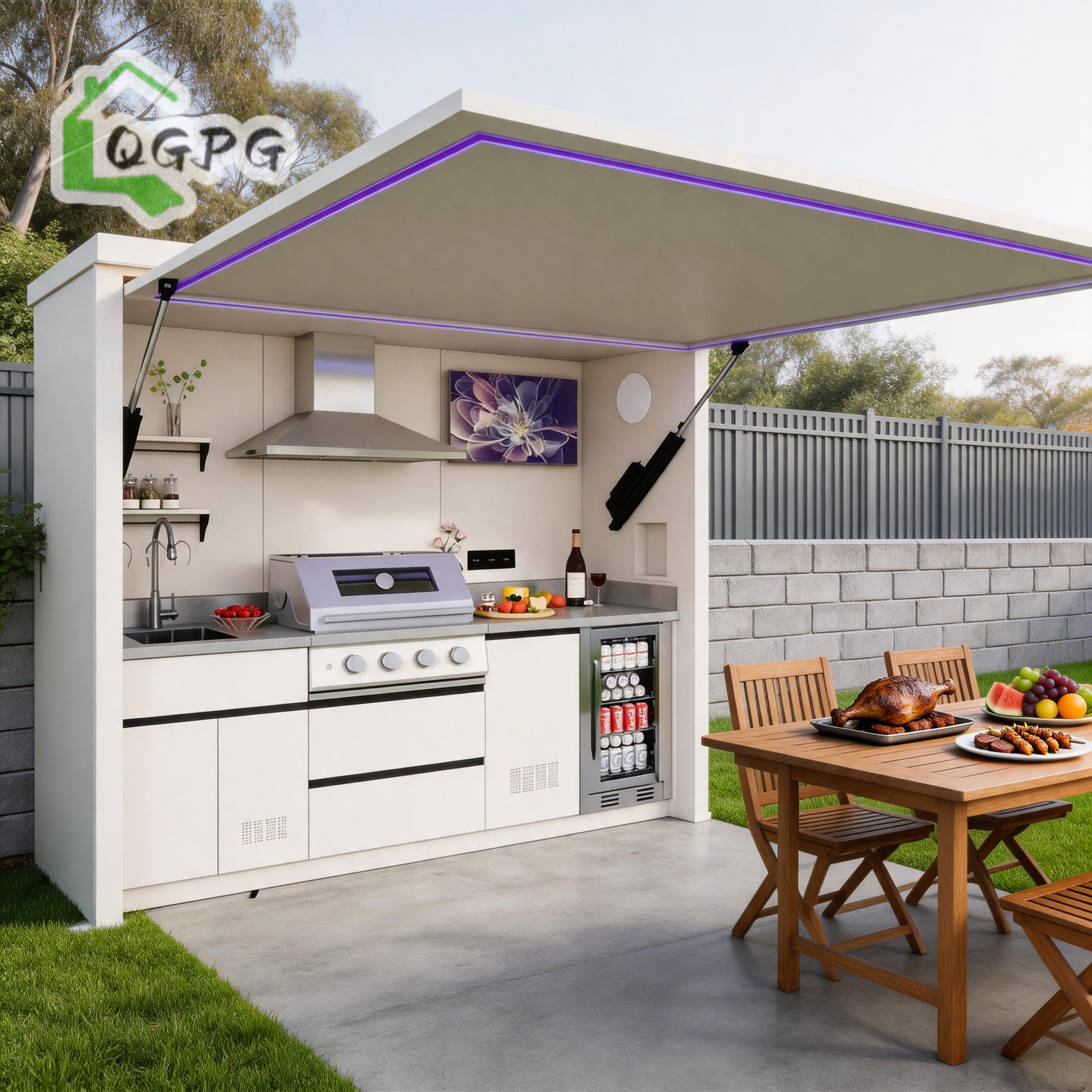
  • Hydraulic Actuation: Utilizing dual or quad industrial-grade hydraulic rams with sync-controller valving, modular kitchen pods and pop-up retail containers can lift integrated steel/aluminum awnings weighing over 800 kg smoothly at the push of a button.
  • Bioclimatic Motorized Roofs: Extruded aluminum louvres with IP67 electric linear actuators allow full 0° to 120° rotation. Integrated rain sensors automatically seal the louvres upon detecting precipitation, directing water through internal column drainage channels.

2. Advanced Metallurgical & Thermal Enclosure Systems

Structural longevity in hostile climatic conditions—such as coastal high-salinity air, sub-zero northern winters, or arid desert heat—demands advanced metallurgical selection and thermal break engineering.

  • Austenitic Stainless Steel (SUS304/SUS316): For food contact surfaces, outdoor cooking pods, and marine applications, SUS304 stainless steel with passivated surfaces prevents pitting and galvanic corrosion, ensuring decades of hygienic operational service.
  • Polyisocyanurate (PIR) & Rockwool Core Composites: Transitioning away from basic Expanded Polystyrene (EPS), modern flat-pack and expandable containers utilize non-combustible Rockwool (A1 fire rating) or high-density PIR panels (lambda values as low as 0.022 W/m·K), achieving high thermal resistance (R-values > 3.5 m²·K/W) within thin panel profiles.

3. Off-Grid Energy & Bioclimatic Integration

Commercial buyers increasingly demand modular buildings capable of autonomous off-grid operation. High-end custom container units now incorporate pre-wired micro-inverter solar arrays, integrated lithium-iron-phosphate (LiFePO4) storage banks, and greywater recycling loops, transforming temporary site facilities and remote resort pods into carbon-neutral building assets.

Need Engineering Specifications for Your Project?

Our technical team provides comprehensive BIM drawings, structural loading calculations, and material compliance certificates tailored to your regional building codes.

Procurement Strategy

Future Sourcing Trends for Wholesalers & Project Contractors

Strategic insights for international procurement directors, developers, and commercial buyers navigating the modular supply chain.

1. Shift to "Plug-and-Play" Fully Fitted Pods

Procurement managers are shifting away from buying raw shell containers that require extensive local fitting. The future belongs to factory-integrated pods equipped with pre-certified plumbing manifolds, pre-wired electrical sub-panels (UL, CE, SAA certified), and built-in fixtures. This reduces on-site labor installation times by up to 85%.

2. Stringent Vendor Auditability & Verification

Global buyers are increasingly mitigating supply chain risk by selecting manufacturers with third-party verified production capabilities. Assessments conducted by international testing bodies like Intertek verify legal manufacturing status, factory throughput, welding quality management systems, and ethical labor standards before purchase orders are placed.

3. Total Lifecycle Cost (TCO) Optimization

Smart procurement evaluates modular buildings on total cost of ownership rather than initial FOB price. Key factors include structural reusability (number of folding cycles), shipping container payload density, maintenance resistance against UV/rust, and salvage value upon project completion.

Comprehensive Structural Systems Specifications Matrix

Modular System Type Primary Structural Material Standard Insulation Core Wind Load Resistance Seismic Performance Typical Field Assembly Time
Expandable Container House Q235B Galvanized Steel Tube + C-Section 50mm/75mm High-Density EPS/PIR Up to 110 km/h (Cat 11 Typhoon) Grade 8 Magnitude 2 Hours (2-3 Workers)
Folding Container House Hinged Hot-Dip Galvanized Frame 50mm Rockwool (Fire Class A1) Up to 100 km/h Grade 7 Magnitude 10 Minutes (1 Crane + 2 Workers)
Flat Pack Container House Cold-Formed Galvanized Corner Posts & Beams 60mm/75mm Glasswool or Rockwool Up to 120 km/h Grade 8 Magnitude 3 Hours (3 Workers)
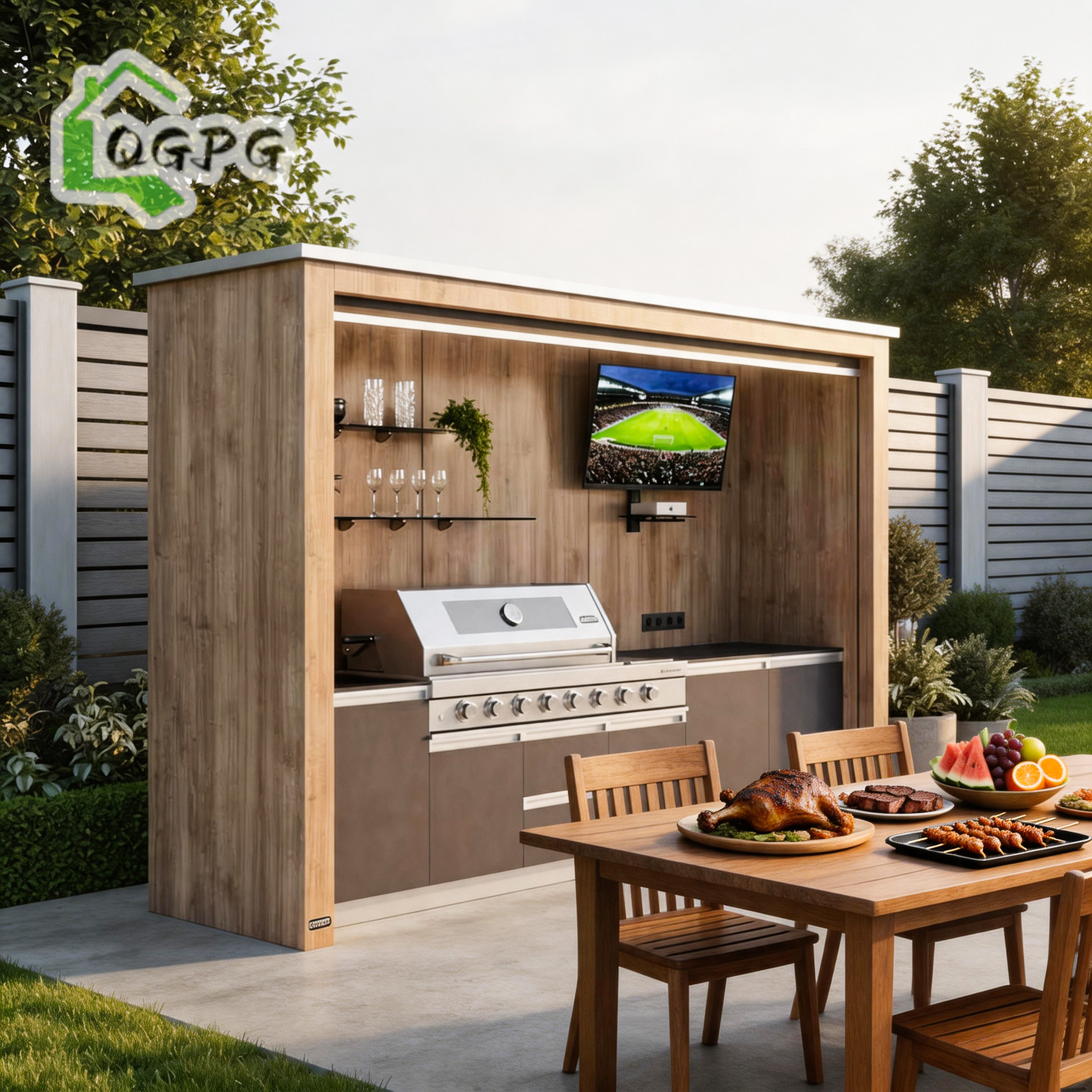
Hydraulic Outdoor Kitchen Pod SUS304 Stainless Steel / Powder Coated Aluminum Polyurethane Injected Thermal Insulation 120 km/h (Closed) / 80 km/h (Deployed) Grade 8 Magnitude Instant Plug-and-Play (0 Assembly)
Sanitary Bathroom Cabin Light Gauge Galvanized Frame + Acrylic Interior 50mm PU Composite Board Up to 110 km/h Grade 8 Magnitude 1 Hour Utility Connection
Procurement Guidance

Frequently Asked Questions for Global Procurement

Technical, logistical, and commercial answers for engineering firms, wholesalers, and project buyers.

What structural and metallurgical specifications does Hebei BSU implement for high-corrosion or coastal environments?

For projects located in coastal, marine, or industrial high-salinity zones, BSU utilizes marine-grade 304 stainless steel or hot-dip galvanized steel framing with a zinc coating weight exceeding 120g/m². Outer surfaces receive an electrostatically applied thermo-setting epoxy resin or fluorocarbon (PVDF) powder coating, providing salt-spray test resistance up to 1,500 hours without red rust. Stainless steel kitchen pods utilize food-grade SUS304 internally and externally to eliminate ambient oxidation.

How are your modular container buildings customized for destination country electrical and plumbing codes?

As a dedicated OEM/ODM exporter, BSU pre-engineers all mechanical, electrical, and plumbing (MEP) systems according to destination market standards. For North America, electrical systems adhere to National Electrical Code (NEC) 110V/220V 60Hz standards with UL-listed wiring and GFCI outlets. For Europe and Australia, systems are built to CE/EN and SAA standards (230V 50Hz) with RCD protection switches. Plumbing conduits feature standardized PPR or PEX water lines and PVC waste outlets pre-tested under 0.8 MPa hydrostatic pressure before shipment.

What container packaging configurations are used to optimize ocean freight efficiency?

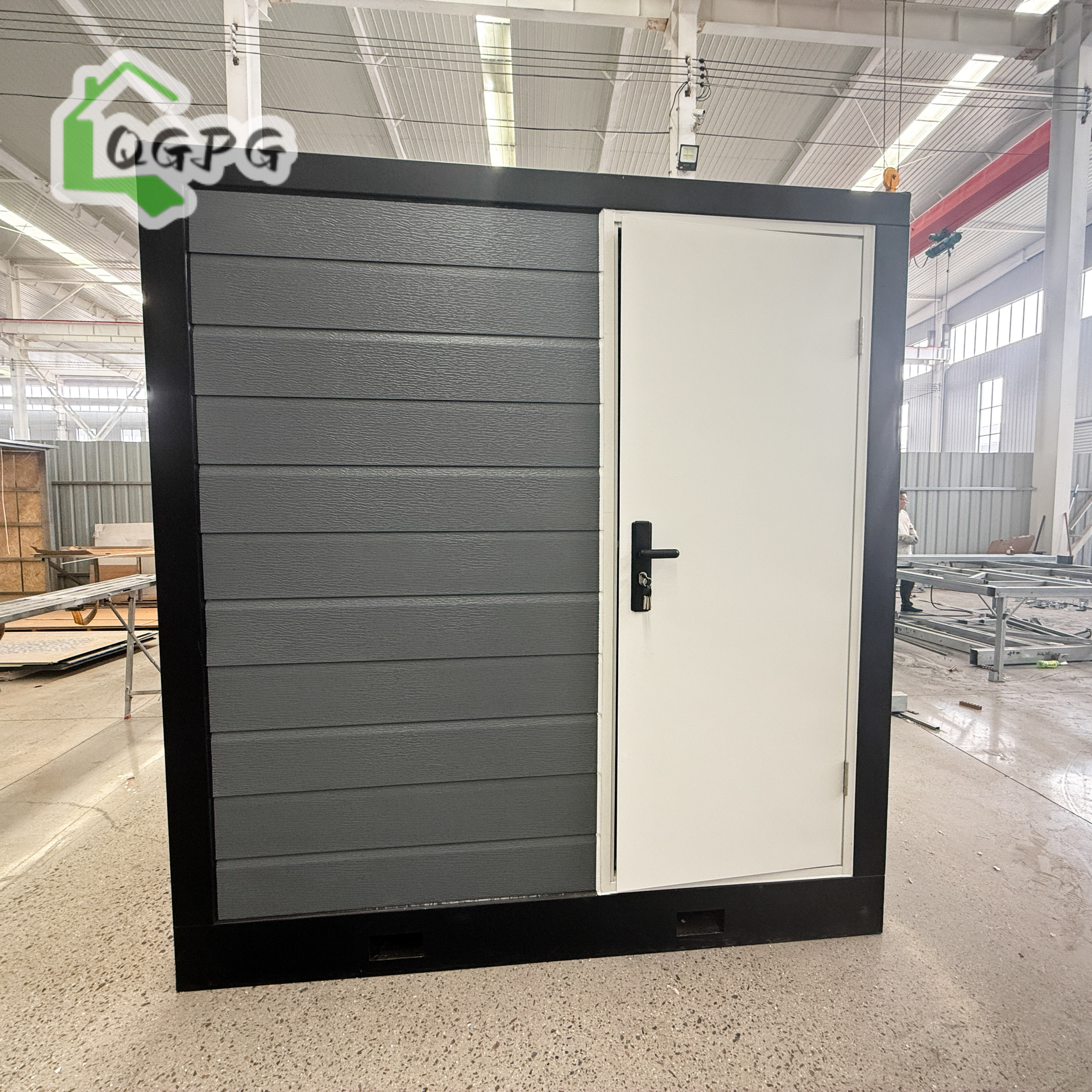
Logistics optimization depends on the specific modular product line. Flat-pack container units are stacked in bundles of 4, creating an ISO-certified SOC (Shipper Owned Container) footprint that loads directly onto container vessels without requiring separate open-top equipment. Folding containers fold down to 350mm height, allowing 10 to 12 units to fit inside a single 40ft High Cube container. Expandable units and fully fitted hydraulic outdoor kitchen pods are shipped as fully enclosed, ocean-rigged shipping modules with heavy-duty steel corner castings and protective plastic shrink wrapping.

How can international engineering firms and buyers audit BSU’s production facility prior to contracting?

Hebei BSU holds an audited supplier profile verified on-site by Intertek. Buyers can access our official audit certificates, credit assessment reports, and trade history records. Furthermore, we offer live high-definition video factory tours, 360-degree panoramic virtual workshop walk-throughs, and third-party pre-shipment inspection (PSI) coordination with agencies such as SGS, TÜV, or Bureau Veritas.

What thermal insulation options are available for severe northern winter or high-temperature desert applications?

We provide engineered sandwich panel options tailored to climate requirements. For extreme cold (e.g., Nordic regions, Canada), we configure 100mm Polyurethane (PU) or Polyisocyanurate (PIR) core panels combined with broken-bridge double-pane low-E glass windows, achieving U-values as low as 0.20 W/m²K. For high-temperature, high-fire-risk locations (e.g., Middle East mining camps), we supply 75mm/100mm structural Rockwool core panels (density 120kg/m³), ensuring non-combustible Class A1 fire rating up to 1,000°C.

What is the typical manufacturing lead time and formal OEM quotation process?

Standard production lead time ranges from 15 to 25 calendar days depending on order volume and custom specification depth. Upon receiving your project drawings, site criteria, and bill of quantities (BOQ), our engineering team generates a comprehensive technical proposal, structural CAD shop drawings, 3D render previews, and itemized FOB/CIF quotation within 24 to 48 hours.
Start Your Modular Project

Partner with a Verified Custom Modular Building Exporter

Connect directly with our engineering team in Hebei, China to request structural drawings, OEM pricing matrices, or customized project proposals.

Direct Sales & Engineering Support: info@bsuhomes.com | Hebei BSU Building Materials Technology Co., Ltd.

Get a Quote