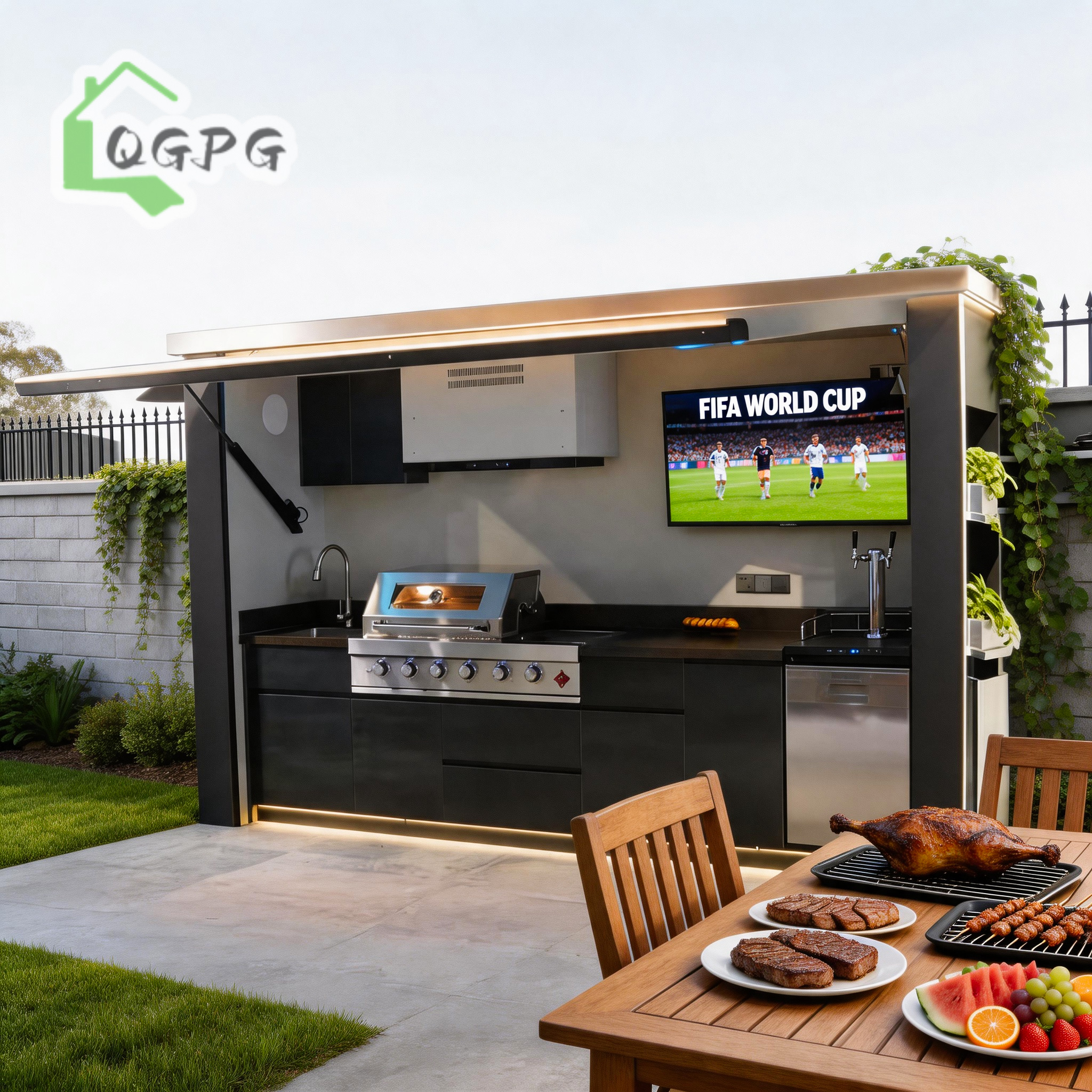
Custom Galvanized Steel Motorized Flip-up Outdoor Kitchen Box
Integrated BBQ grill, stainless sink, and climate-proof storage enclosure engineered with automated motorized flip-up door systems.
Explore our precision-engineered modular inventory. Built with structural Q355B galvanized steel, automated motorized deployable canopies, and high-density thermal break insulation panels.
Integrated BBQ grill, stainless sink, and climate-proof storage enclosure engineered with automated motorized flip-up door systems.
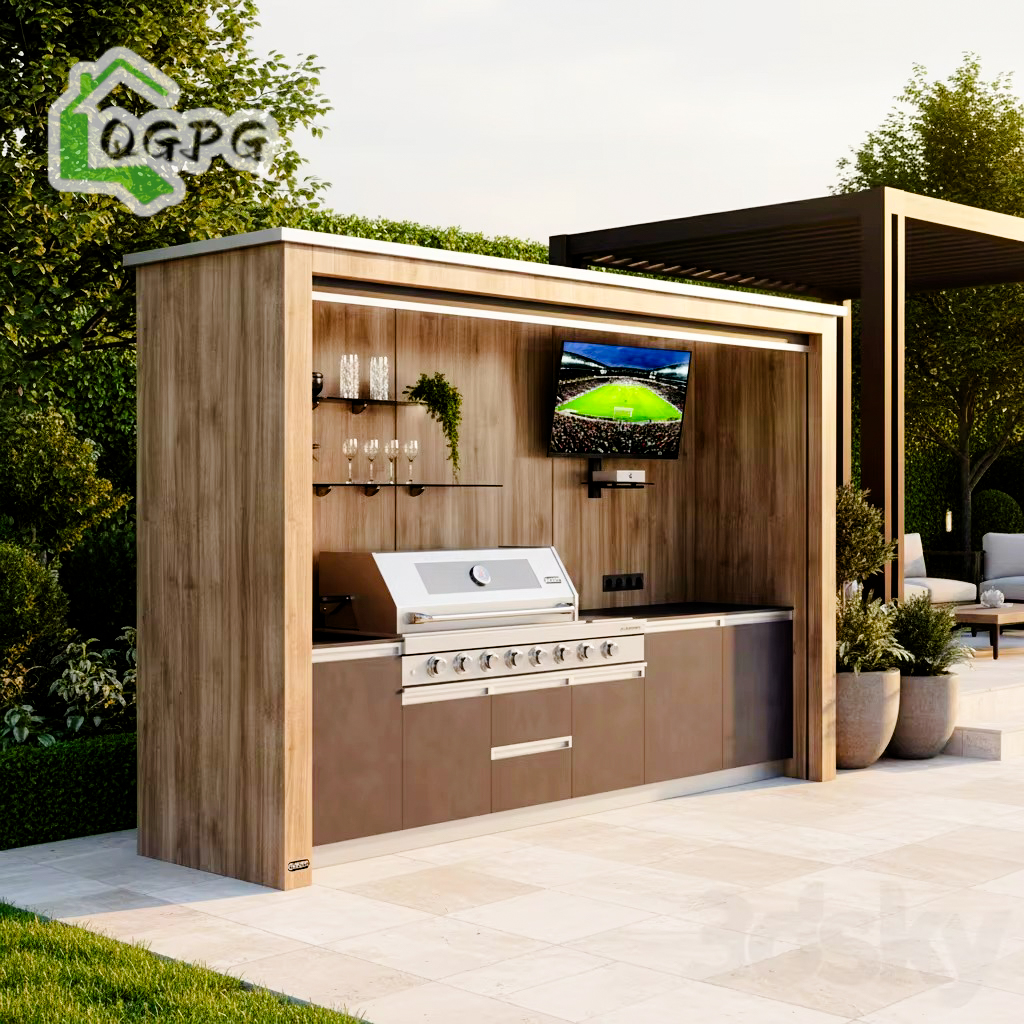
Marine-grade 304 stainless steel construction with integrated ambient LED lighting, full sink, grill, and motorized structural canopy.
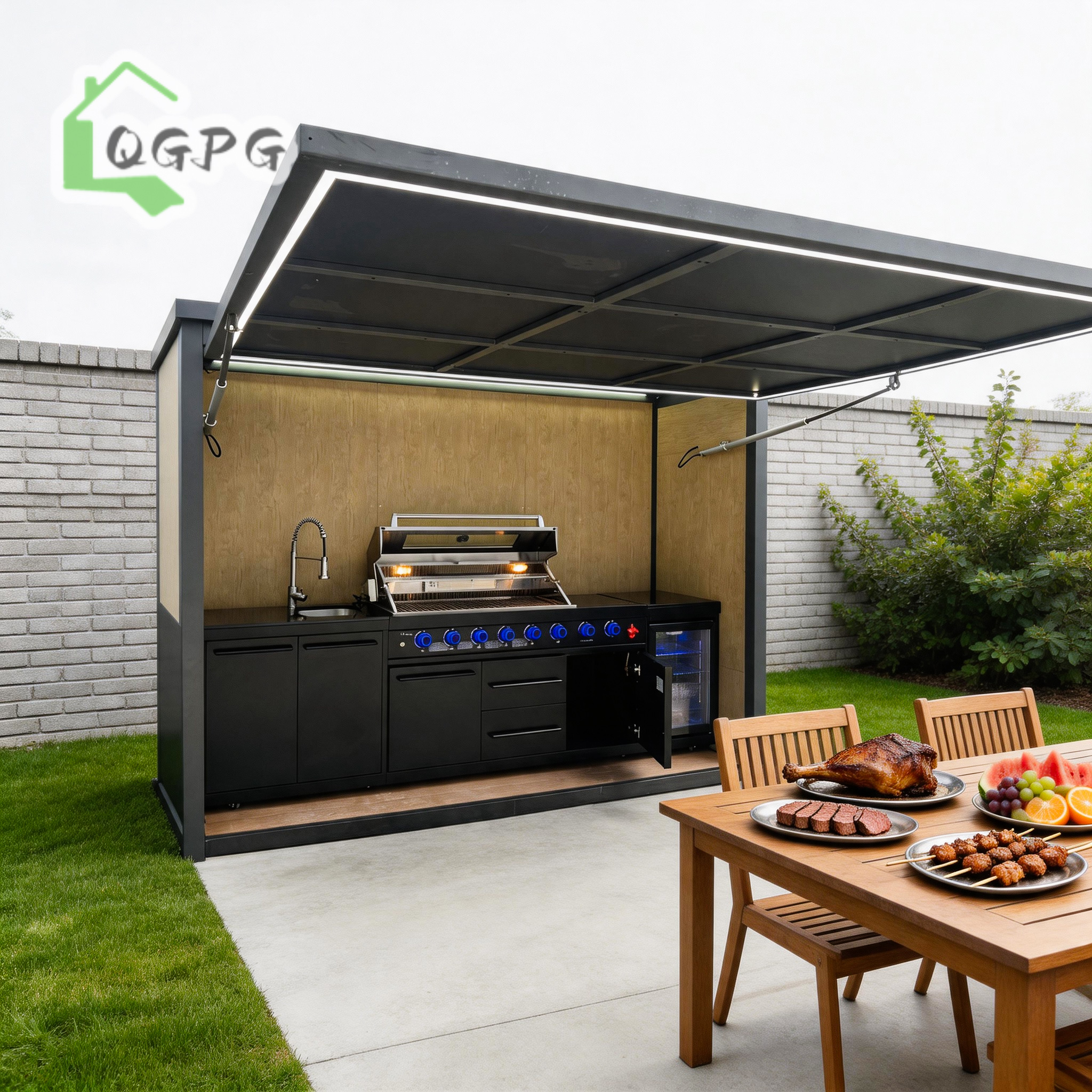
Heavy-duty electric-hydraulic lift deployable structure. Designed for commercial hospitality, resorts, and fast-deploy dining hubs.
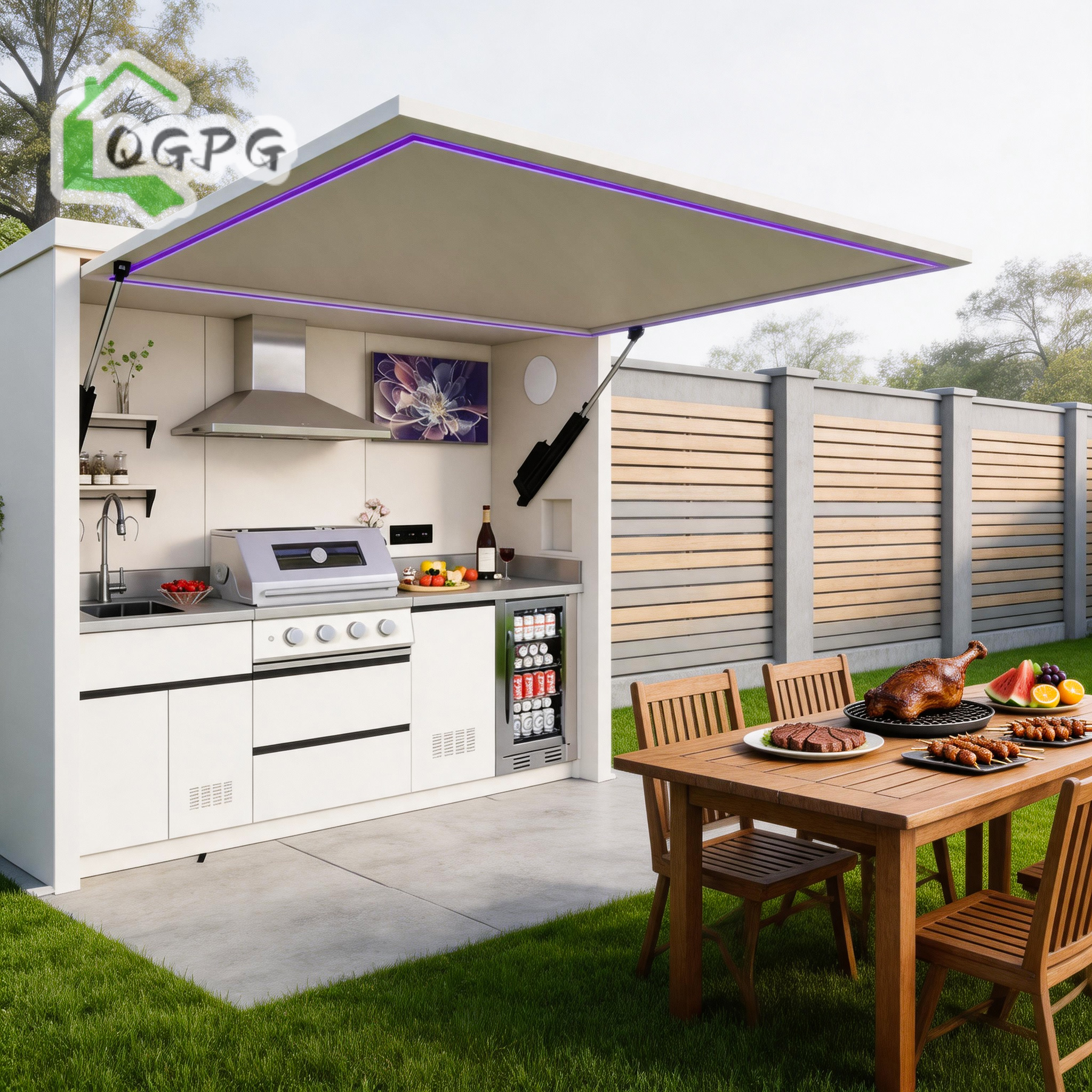
Built-in BBQ grill, refrigeration module, and plumbing manifold wrapped in a commercial-grade hydraulic canopy housing.
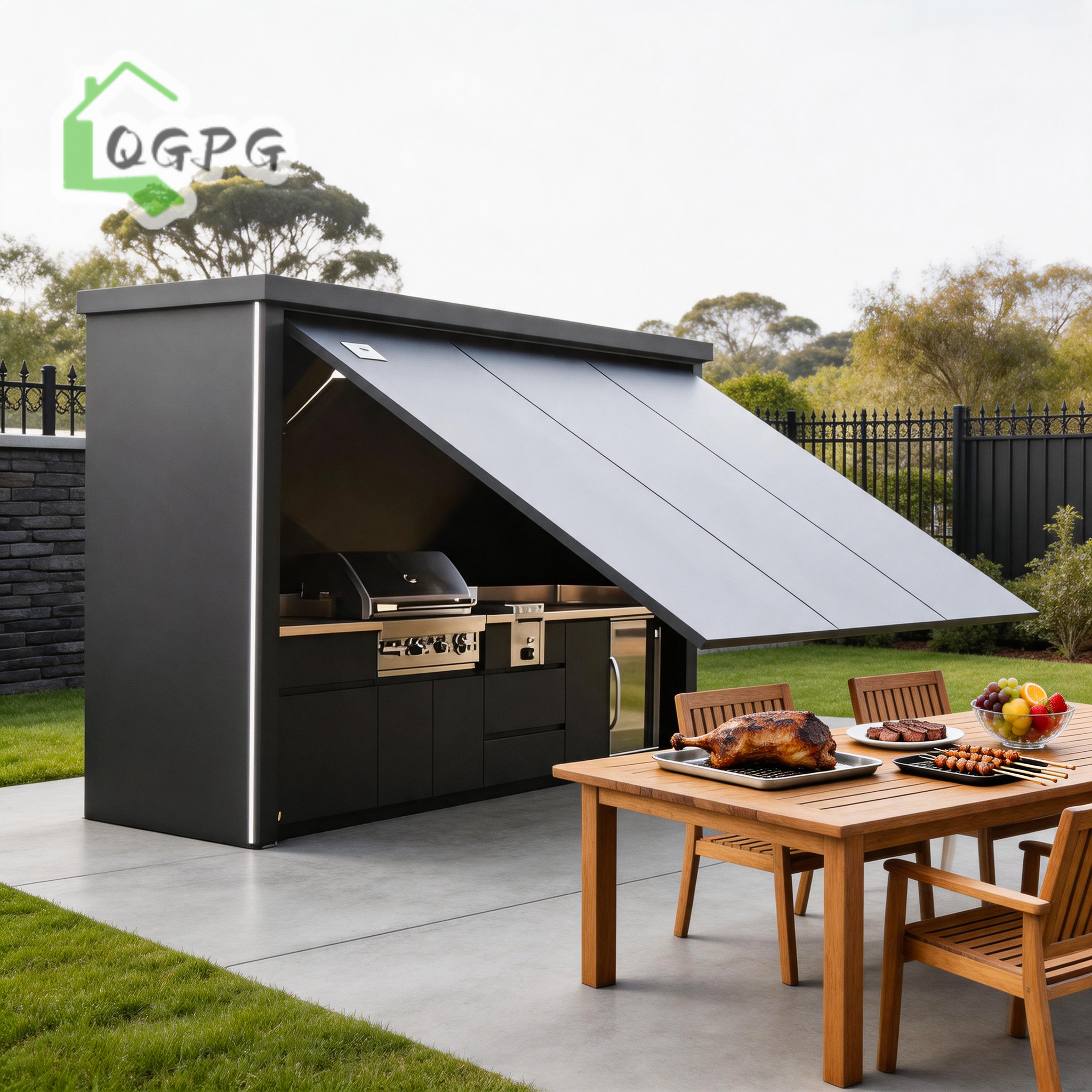
Lightweight anti-corrosion aluminum structural envelope featuring hydraulic automated lifting panels and pre-wired utility systems.
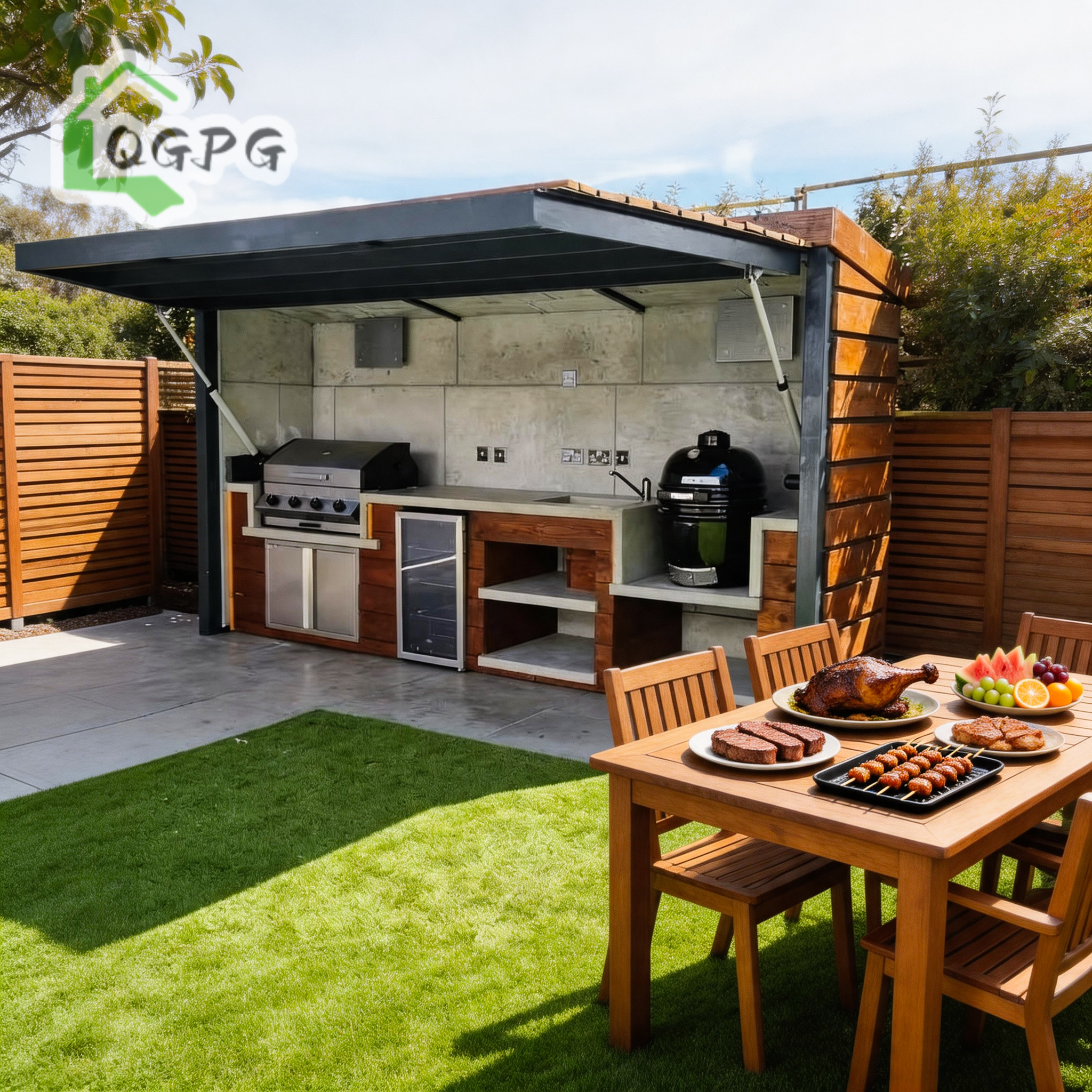
Architectural garden module complete with integrated LED ambient lighting package, hydraulic opening wing, and built-in appliances.
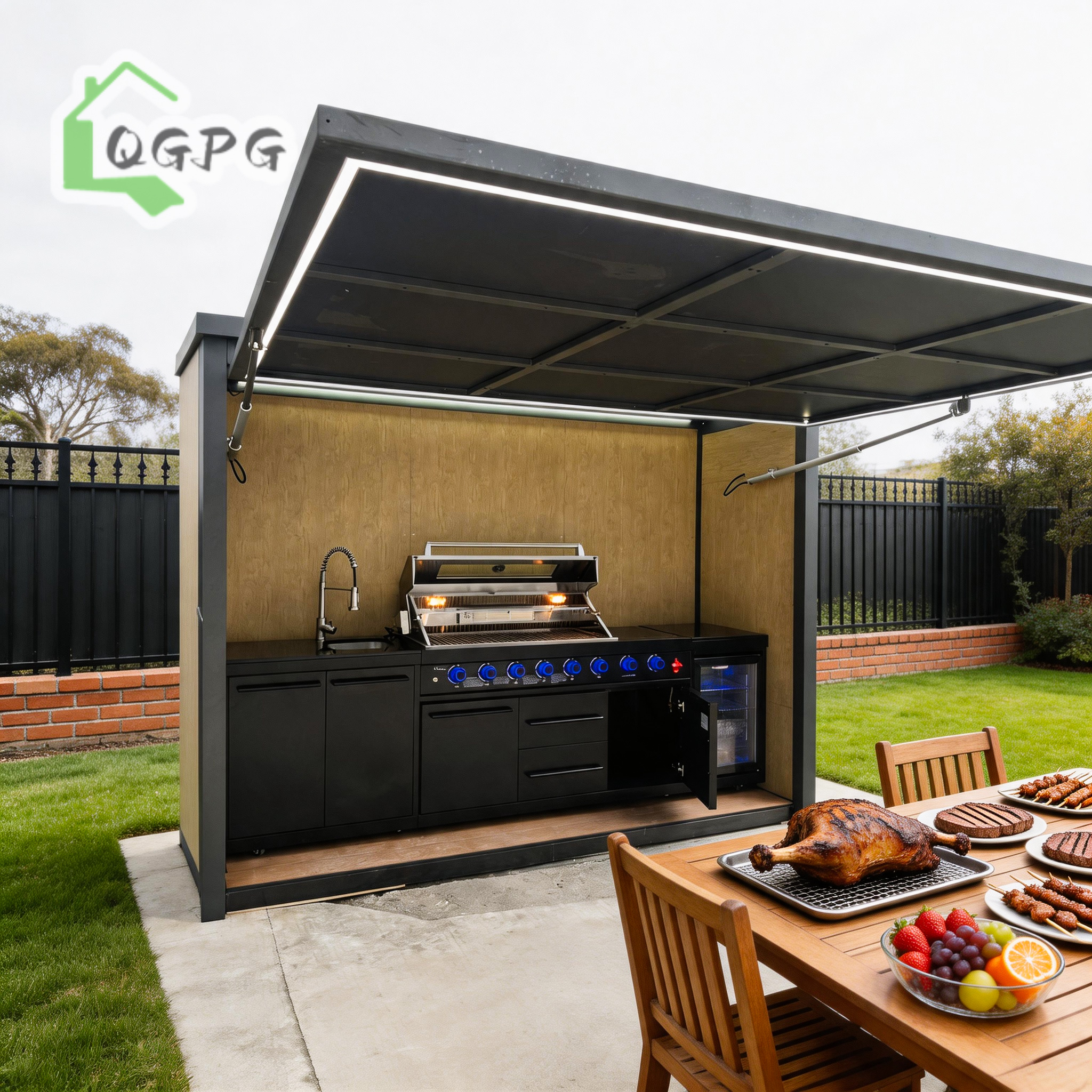
Turnkey resort and commercial unit featuring dual-stage hydraulic retractable canopy panels and extreme weather resistance.
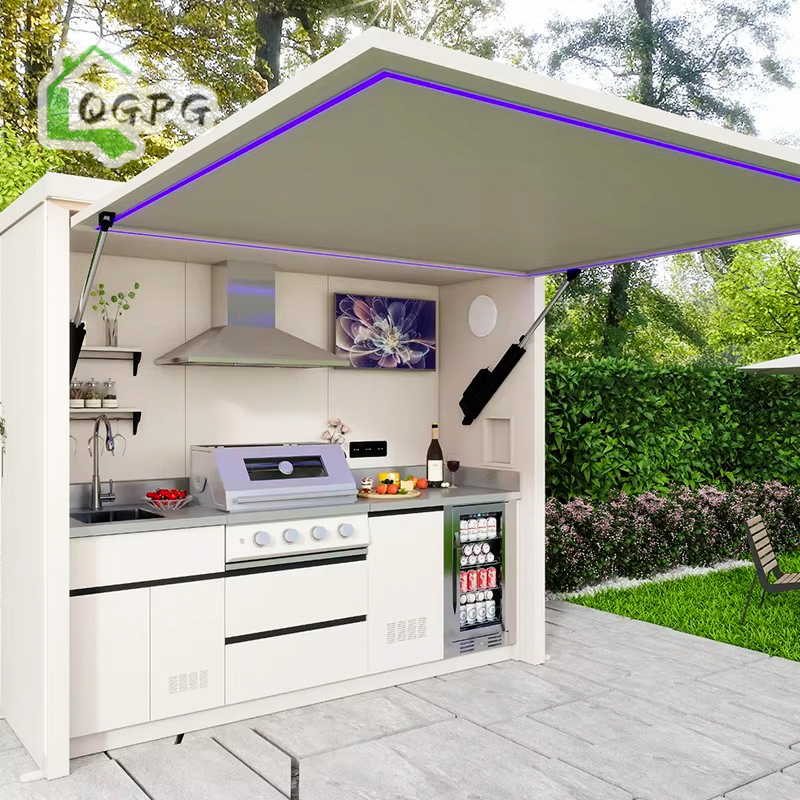
All-in-one prefabricated modular pod engineered for rapid setup, maximum space optimization, and severe environment longevity.
As an Intertek-assessed original equipment manufacturer (OEM) and original design manufacturer (ODM), Hebei BSU Building Materials Technology Co., Ltd. bridges high-capacity structural manufacturing with custom architectural engineering.
Eliminate overseas procurement risks. Our Hebei manufacturing facility undergoes direct third-party on-site audits by Intertek. Buyers gain complete visual and technical transparency into our structural welding standards, material certifications, and quality control protocols.
From conceptual CAD/BIM modeling to custom hydraulic actuator integration, we tailor module dimensions, structural steel gauges, floor layouts, thermal insulation media, and regional electrical grid configurations (UL, CE, SAA, AS/NZS 3000) to exact client specifications.
Shipping cost is the ultimate barrier in modular procurement. Our engineered expandable and flat-pack systems collapse into standard sea-container profiles, reducing ocean freight expenditure by up to 75% per usable square meter of structure delivered.
Strategic insights into structural design advancements, thermal efficiency engineering, automated deployment mechanisms, and ESG-compliant sourcing trends shaping the 2025–2030 commercial prefab ecosystem.
Traditional prefabricated container structures suffer from three historic flaws: thermal bridging, restrictive road transport dimensions, and labor-intensive site assembly. The modern expandable container house ecosystem resolves these bottlenecks through telescopic structural frames, motorized hydraulic opening panels, continuous polyurethane thermal break panels, and plug-and-play MEP (Mechanical, Electrical, Plumbing) manifolds. Sourcing managers who transition from static flat-packs to dynamic expandable modules experience a 60% reduction in total cost of occupancy (TCO).
The industry is rapidly shifting away from manual hand-crank or overhead crane assembly toward integrated electro-hydraulic actuation. Modern expandable units utilize dual-stage hydraulic cylinders and motorized flip-up canopy systems that allow a single technician to unfold a 37-square-meter dual-wing living structure or commercial pod in under 15 minutes.
Our OEM design incorporates high-torque 12V/24V or 220V hydraulic pumps equipped with mechanical safety lock valves. This guarantees that even in the event of complete electrical power failure during deployment, the structural wings remain structurally locked and wind-safe.
Coastal real estate developments, remote mining operations, and eco-resorts present extreme corrosive conditions (C4 and C5 marine environments). Conventional structural steel corrodes rapidly without advanced metallurgy.
BSU's technical baseline employs continuous hot-dip galvanized steel tubing (minimum 275g/m² zinc coating) paired with 304 or 316 architectural stainless steel exterior skins. Frameworks undergo multi-stage fluorocarbon (PVDF) powder coating, passing 2,000-hour salt spray testing to guarantee a structural service life exceeding 25 years.
| Structural System Type | Deployment Time | Wind Rating | Thermal Performance (U-Value) | Freight Density (per 40HQ) | Primary Application |
|---|---|---|---|---|---|
| Hydraulic Expandable Pods | 10 – 15 Minutes | Class 11 (110 km/h) | 0.22 W/m²K (PU Core) | 1 – 2 Units per Container | Luxury Resorts, Modular Dining, Mobile Clinics |
| Dual-Wing Expandable House | 30 – 45 Minutes | Class 12 (120 km/h) | 0.20 W/m²K (Rockwool/PU) | 2 Units per Container | Residential Homes, Workforce Camps, Offices |
| Rapid Folding Container | 4 – 6 Minutes | Class 10 (90 km/h) | 0.32 W/m²K (EPS/Glasswool) | 10 – 12 Units per Container | Disaster Relief, Short-Term Site Shelters |
| Flat Pack Modular System | 2 – 4 Hours (3 Crew) | Class 12 (125 km/h) | 0.24 W/m²K (Rockwool) | 6 – 8 Units per Container | Multi-Storey Dormitories, Construction Headquarters |
Global commercial developers and government tenders now require stringent Life Cycle Assessments (LCA). Off-site modular manufacturing reduces total job-site material waste by over 70% compared to cast-in-place concrete. Expandable units built with recyclable steel profiles and zero-VOC polyisocyanurate (PIR) insulation panels align directly with LEED, BREEAM, and global carbon reduction mandates.
Wholesalers often face regulatory friction when importing modular buildings across international borders. Strategic OEM procurement requires factory-integrated electrical runs built directly to destination standard—such as NEC for North America, CE/EN for Europe, or AS/NZS 3000 for Australasia—complete with pre-tested pressure plumbing lines and fire-rated door/window assemblies.
Critical engineering, shipping, custom specification, and quality verification questions addressed by our senior technical team.
Our state-of-the-art production base integrates automated laser cutting lines, robotic MIG welding stations, multi-stage shot blasting anti-corrosion treaters, and dust-free polyurethane sandwich panel production lines. With over 80 dedicated fabrication specialists, engineers, and quality control inspectors, we guarantee rigid adherence to dimensional tolerances within ±1.0mm.
Whether supplying commercial site office pods, luxury resort expandable units, or emergency disaster housing, Hebei BSU provides complete supply chain security, transparent production milestones, and factory-direct pricing built for wholesale profitability.
Need custom CAD drawings, factory-direct OEM/ODM price quotes, or structural engineering consultations for your upcoming procurement batch? Connect directly with our engineering team today.
Send an Inquiry