Product Portfolio Showcase
Standard & Custom Expandable Modular Units
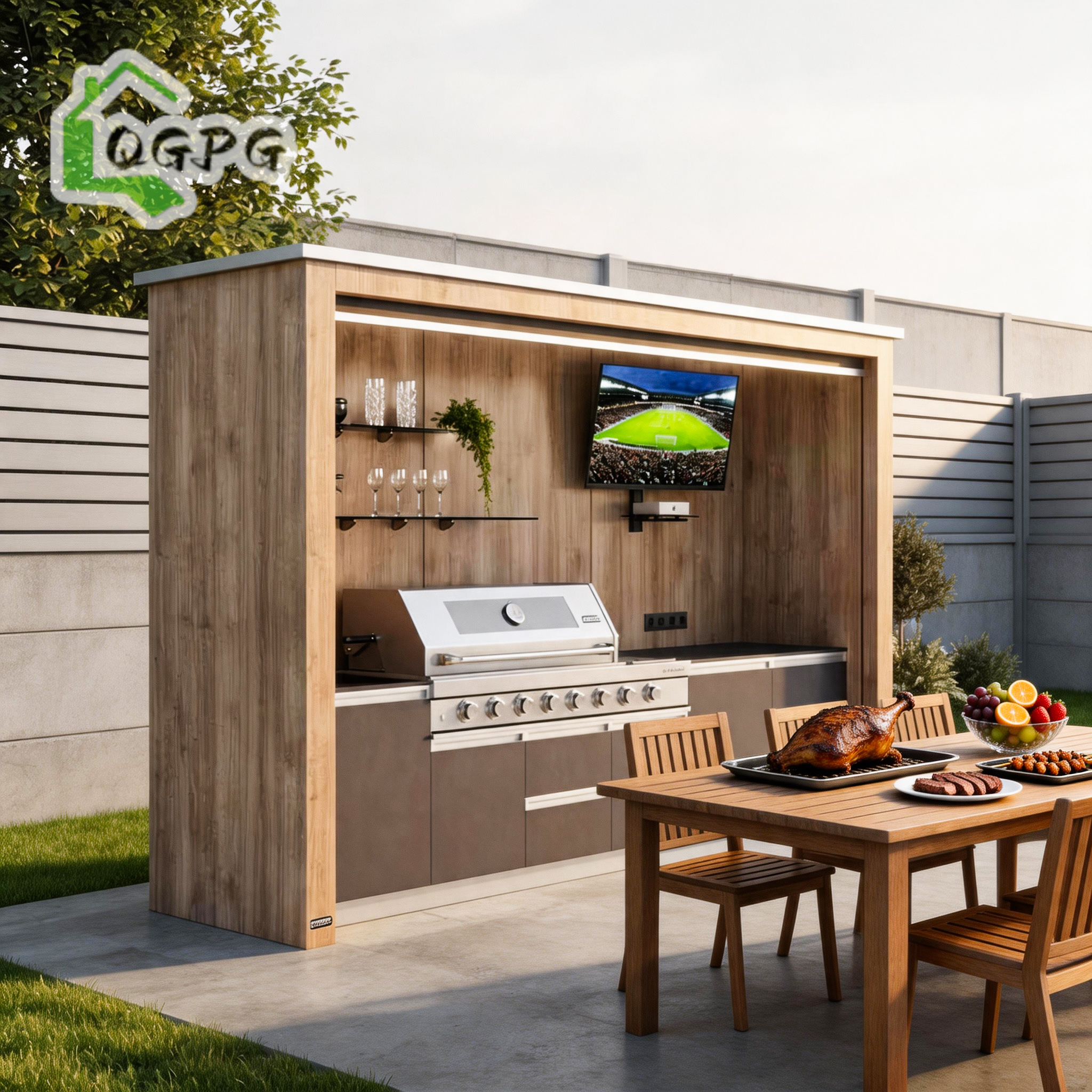
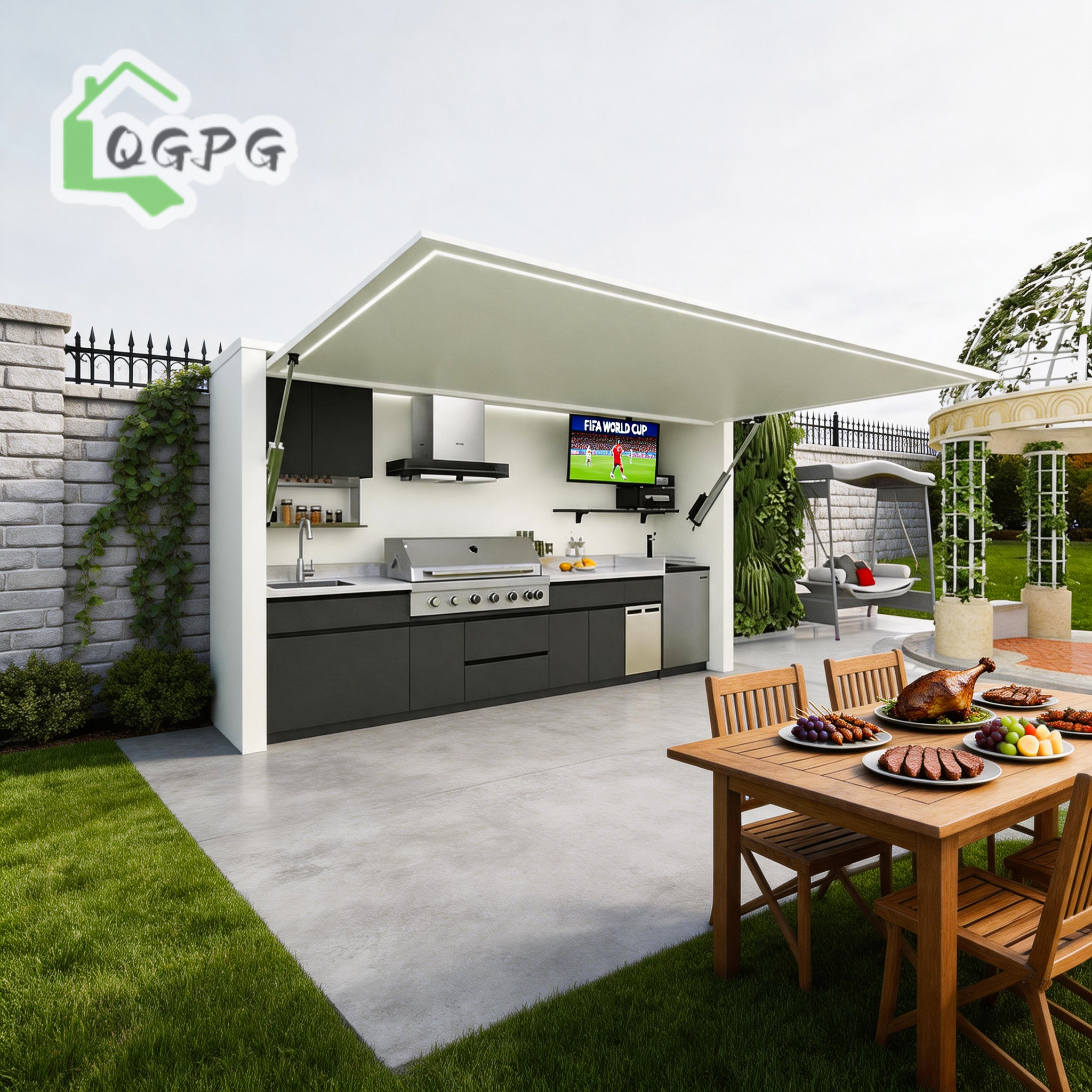
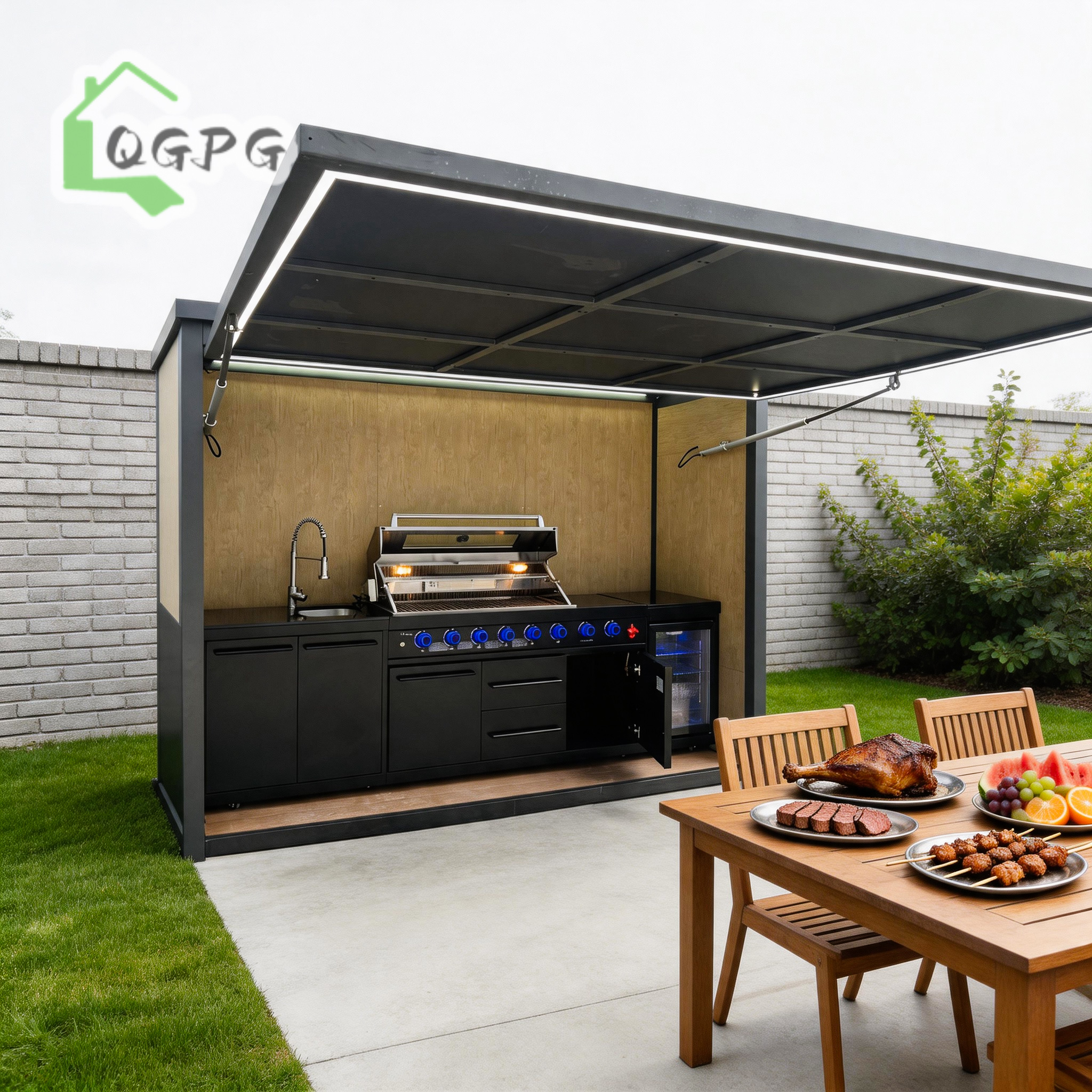
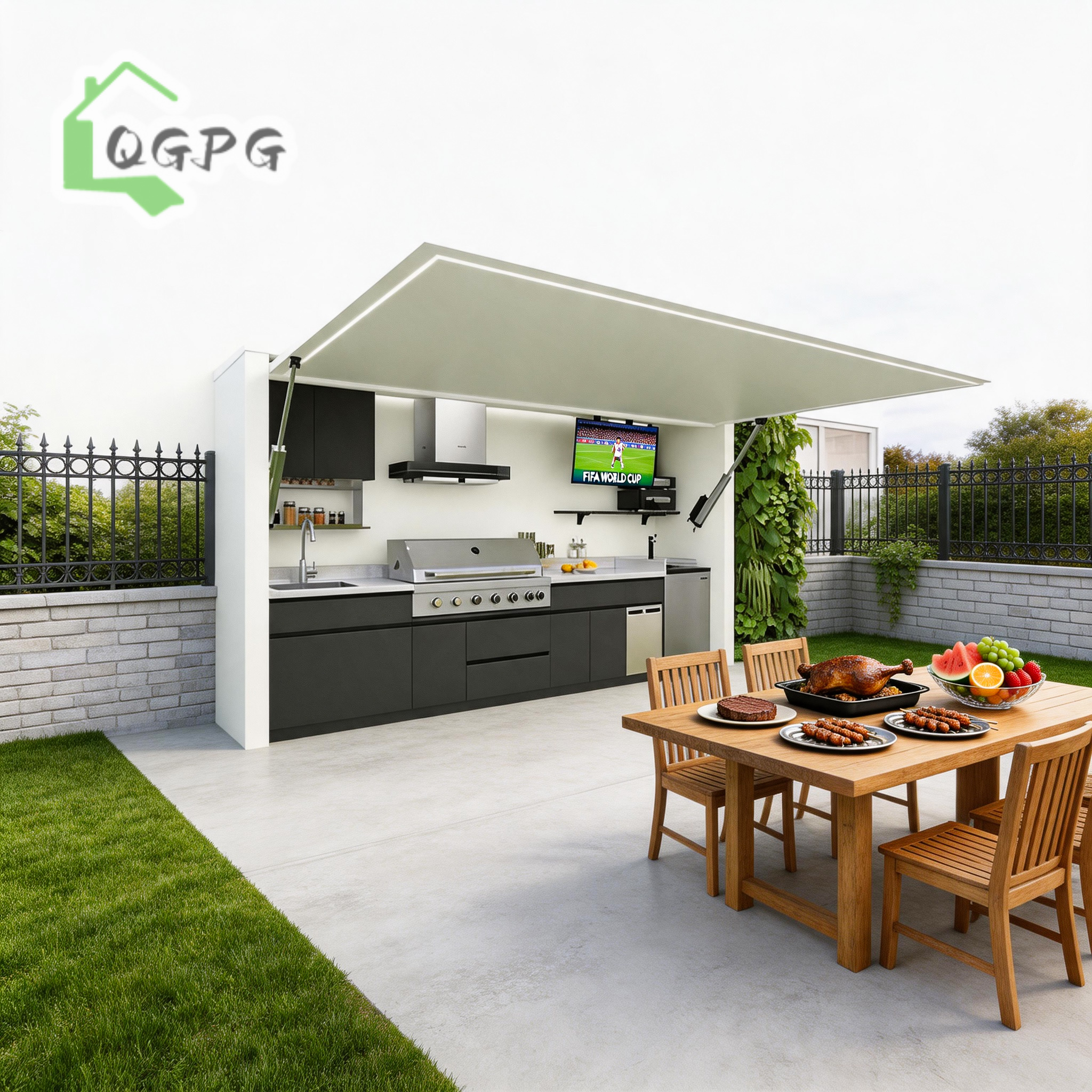
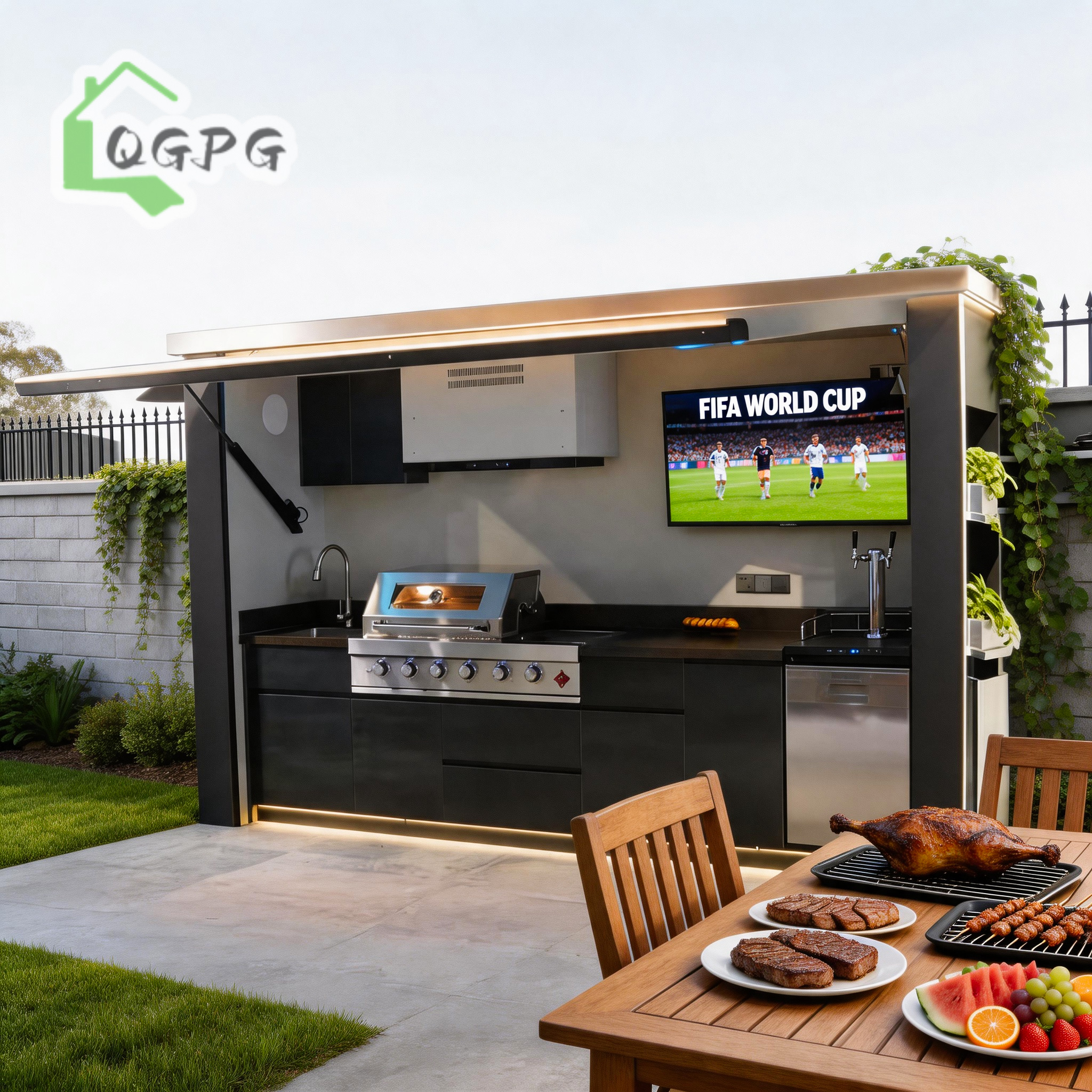
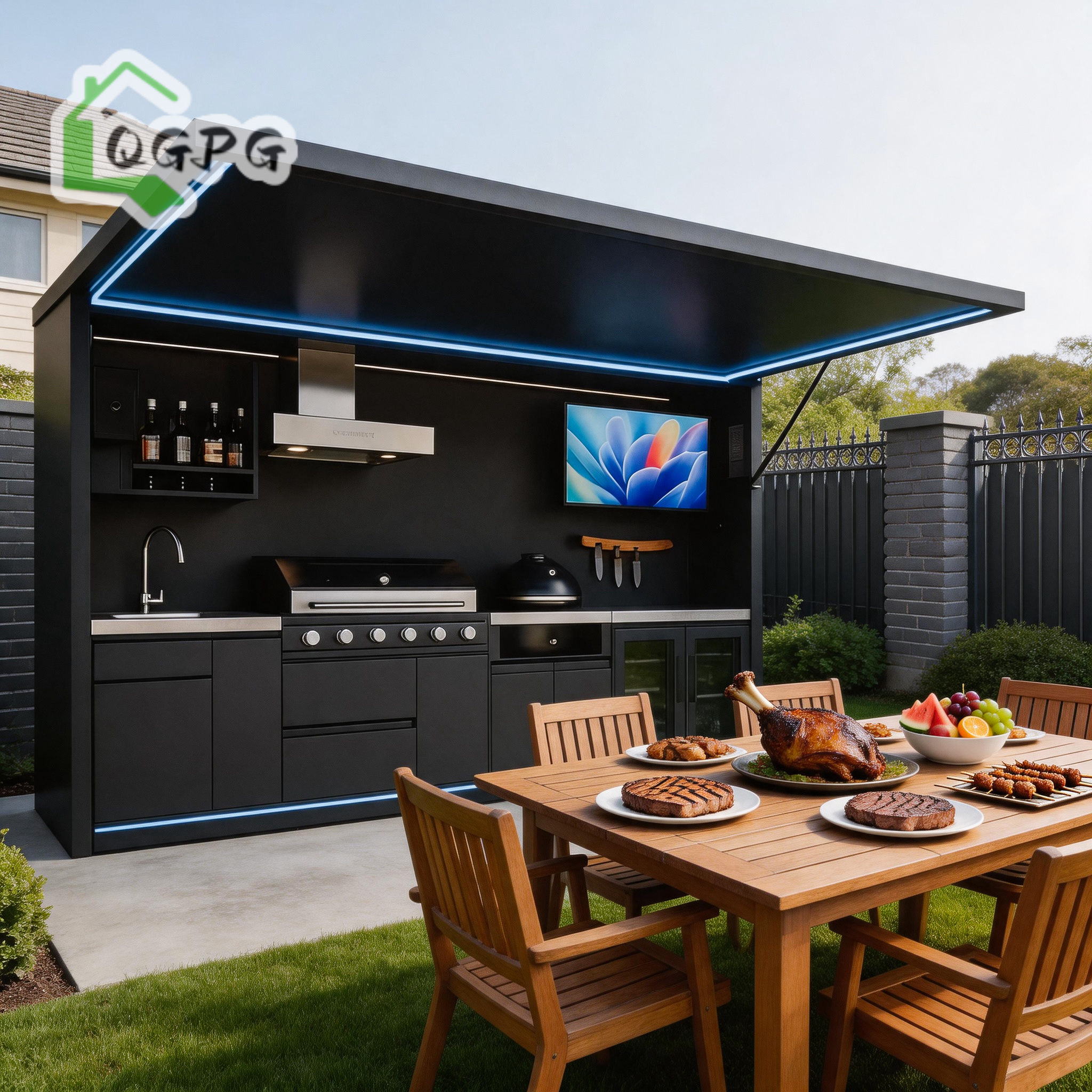
Direct factory supply of high-grade 304 stainless steel and structural galvanized steel expandable housing, motorized lift canopy pods, and site-ready modular kitchens.
Industry White Paper & Sourcing Benchmark
Engineering Standards for OEM/ODM Expandable Modular Systems
A comprehensive analysis of structural load capacity, hydraulic lift integration, thermal insulation dynamics, and international building code compliance for B2B procurement officers.
Information Gain Insight for B2B Sourcing: Modern off-site modular construction is no longer defined by temporary structural limits. Current OEM/ODM expandable prefab technology combines double-hinged folding wall kinematics, automated dual-piston electric/hydraulic canopies, and thermal-break PIR/Rockwool insulation panels to yield permanent-grade structural performance with zero-loss freight volume efficiency.
Structural Steel Kinematics & Galvanization
Our expandable prefab structures utilize high-tensile hot-dip galvanized steel frames (Q235B/Q355B steel grade) with zinc coatings exceeding 120g/m². The dual-wing expansion mechanism relies on heavy-duty stainless steel piano hinges and custom EP/EPDM weather-sealing gaskets, eliminating structural thermal bridges and guaranteeing watertight seal integrity under 120 km/h wind loads.
Automated Electric & Hydraulic Lift Actuators
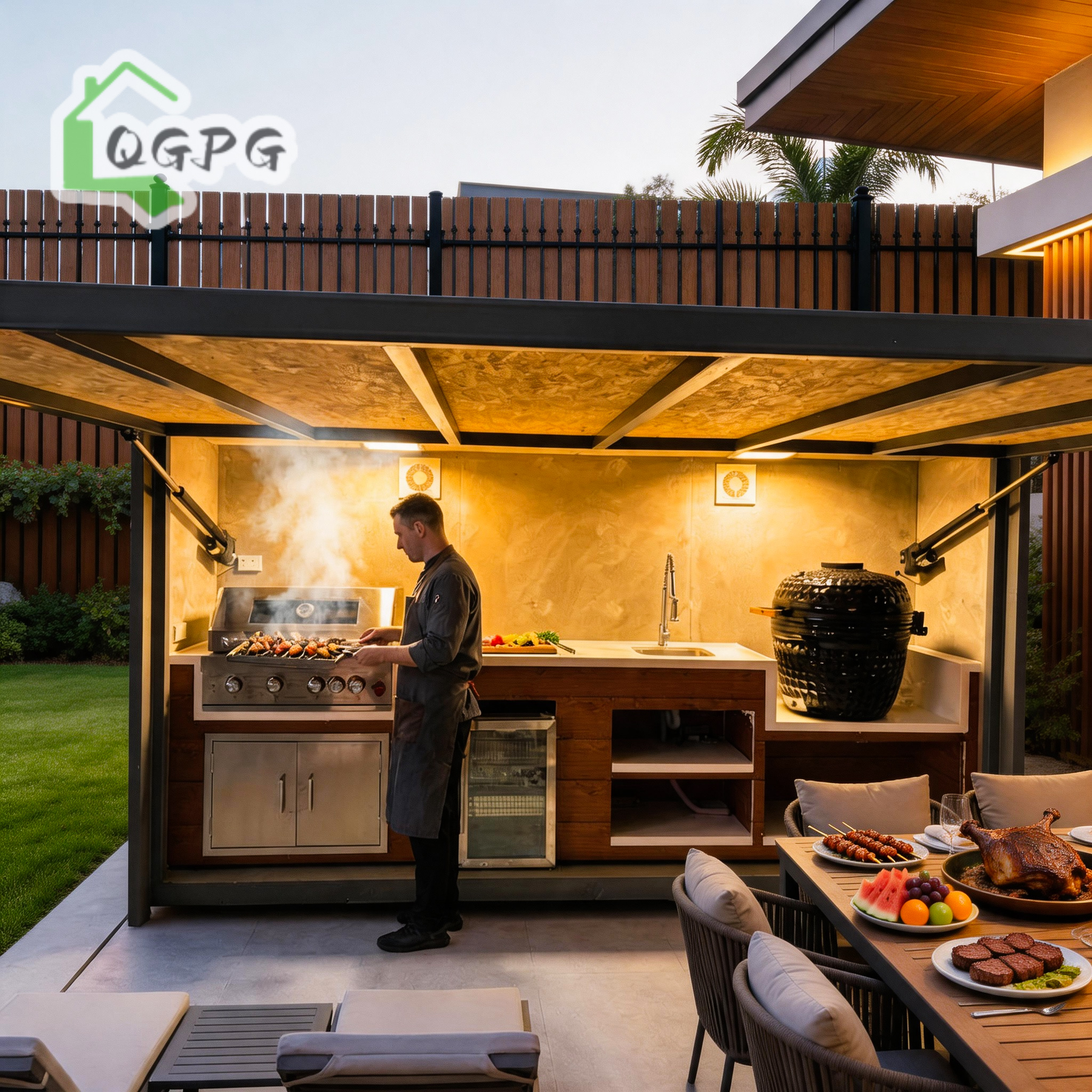
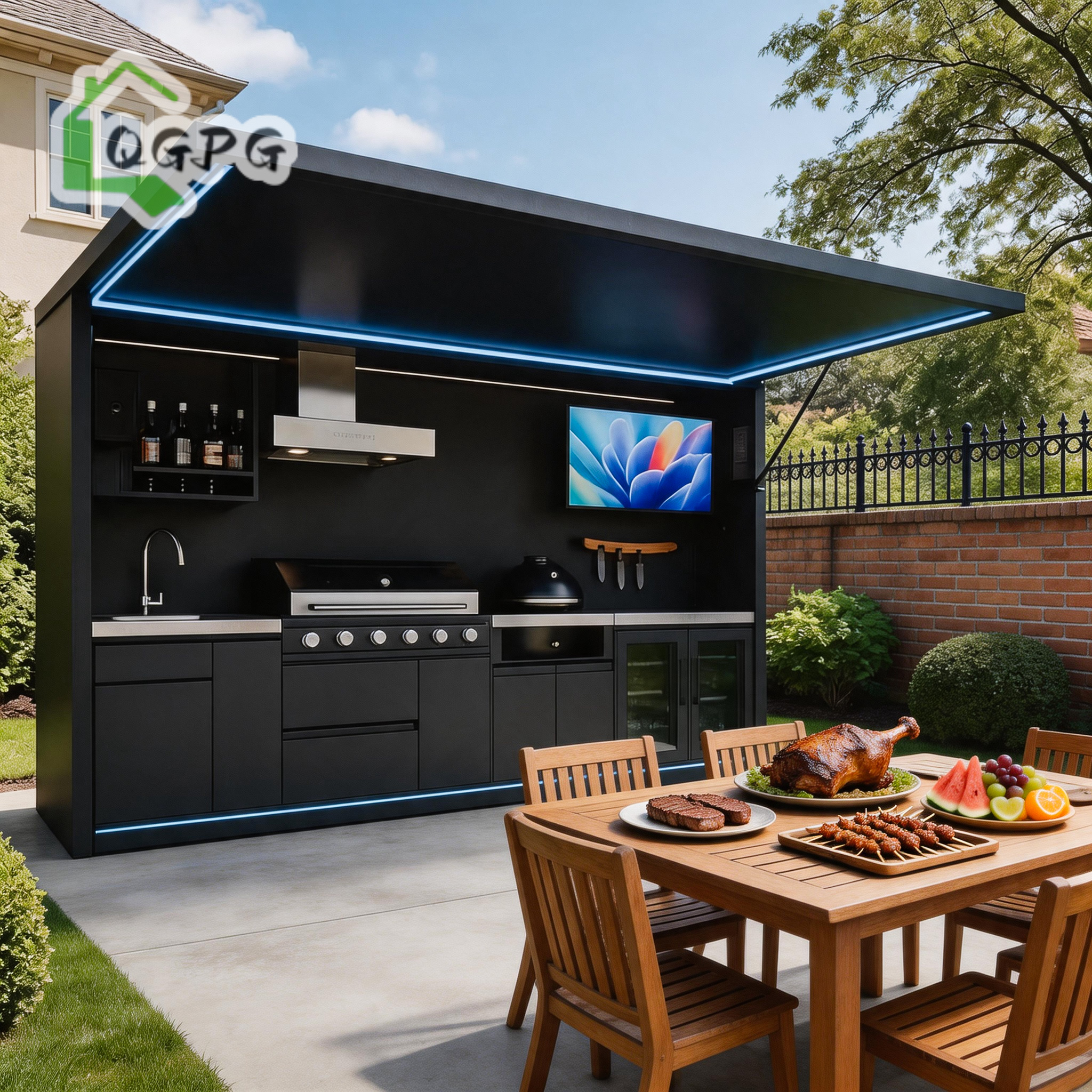
For modular kitchen pods and expandable luxury units, integrated dual-stage electric actuators and IP67 hydraulic canopy systems provide effort-free single-person deployment. Equipped with emergency manual overrides, anti-pinch safety sensors, and heavy-duty 304/316 stainless steel enclosure covers, these systems protect interior high-end BBQ grills, refrigerators, and sinks from extreme marine and outdoor environments.
Thermal Insulation & Fire Safety Metrics
Wall and roof envelope options include Polyisocyanurate (PIR), Polyurethane (PUR), and High-Density Structural Rockwool (120kg/m³). Achieving Class A fire resistance and thermal transmittances (U-values) as low as 0.22 W/m²K, our expandable homes maintain internal ambient temperature control across extreme climates ranging from -30°C sub-zero environments to +55°C desert zones.
Technical Comparison: Expandable vs. Traditional Prefab Structural Systems
This engineering matrix illustrates why international project contractors and developers are transitioning toward OEM/ODM Expandable Container Technology.
| Engineering Attribute | Expandable Container House | Flat Pack Modular Unit | Folding Container Module | Traditional Light Steel Villa |
|---|---|---|---|---|
| Deployment Time | 15 - 30 Minutes (2-3 Persons) | 2 - 4 Hours (3-4 Persons) | 10 - 15 Minutes (Crane/Forklift) | 14 - 30 Days (On-site Labor) |
| Transport Loading Ratio | 1 Unit / 40ft HQ (Unfolds to 3x area) | 4 - 6 Units / 40ft HQ Container | 8 - 10 Units / 40ft HQ Container | Raw Component Bulk Cargo |
| Structural Frame Steel | 2.5mm - 4.0mm Galvanized C-Section | 2.3mm - 3.0mm Formed Steel Profile | 2.5mm Hinged Steel Box Tube | 0.8mm - 1.2mm Cold-Formed Steel |
| Integrated Mechanicals | Pre-plumbed & Pre-wired (UL/CE/SAA) | Partial On-site Wiring & Assembly | Basic Overhead Wiring Pre-installed | 100% On-site Mechanical Install |
| Weather Envelope Seal | Triple EPDM Automotive Rubber Gasket | Field-Applied Silicone & Flashing | Dual Rubber Fold Gasket | Field Membrane & Exterior Cladding |
| Reusability & Relocation | 100% Repetitive Fold / Transport | Demountable with Frame Disassembly | 100% High-Frequency Relocation | Permanent Ground Anchor (Static) |
Macro Market Strategic Insights
Future Procurement Trends in Expandable Prefab Manufacturing (2025–2030)
Key technological and regulatory shifts reshaping global supply chains for modular houses, mobile outdoor kitchen pods, and emergency response infrastructure.
1. Off-Grid Solar & Energy Storage Integration
Enterprise procurement specifications increasingly require factory-integrated solar PV roof arrays paired with smart LiFePO4 energy storage systems. BSU’s OEM manufacturing lines embed wiring channels, inverter bays, and microgrid switching directly into the expandable frame structure, enabling immediate plug-and-play energy independence upon unfolding.
2. Precision Marine-Grade Stainless Steel Construction
For high-end residential villas, resort glamping pods, and commercial catering modules, standard coated mild steel is being replaced by Marine Grade 304 and 316 Stainless Steel. High-corrosion environments—such as coastal resorts and humid tropical zones—demand hydraulic canopy systems and exterior enclosures that offer zero rust degradation over 20-year lifespans.
3. Automated Hydraulic & Smart IoT Mechanicals
Manual winch and manual hydraulic deployment systems are rapidly giving way to smart app-controlled and motorized dual-piston electric-hydraulic mechanisms. Future-ready expandable pods incorporate IoT monitoring for internal humidity, automated canopy levelling, and mechanical lock status, providing unmatched luxury and operational convenience for hospitality buyers.
Manufacturer Trust & Capability
Hebei BSU Building Materials Technology Co., Ltd.
As an Intertek-assessed custom manufacturer operating in Hebei Province, China, Hebei BSU Building Materials Technology Co., Ltd. delivers direct factory engineering, rigorous manufacturing precision, and global logistics execution under one roof.
- Intertek On-Site Verified: Complete compliance audit covering legal entity, production capacity, automated welding lines, and QC management.
- 80+ Authenticated Technical Staff: In-house structural engineers, MEP specialists, and international project managers overseeing every OEM/ODM order.
- Tailored Electrical & Plumbing Systems: Factory installation engineered to UL (North America), CE (Europe), SAA (Australia), and SASO (Middle East) standards.
- Complete Export Documentation & Support: ISO9001 quality control checklists, loading plans, 3D assembly guides, and dedicated video technical support.

Sourcing Intelligence
Frequently Asked Procurement Questions (FAQ)
Addressing critical commercial, technical, shipping, and customization requirements for international B2B buyers.
What is the key difference between Expandable, Folding, and Flat Pack Container Houses?
Expandable units feature side wings that pull out to triple the internal floor area, making them ideal for complete residential homes and high-end offices. Folding units fold flat for maximum emergency deployment speed (10-15 minutes). Flat pack units deliver maximum shipping density for multi-storey labor camps where unit freight minimization is paramount.
How are electric and hydraulic lift canopy outdoor kitchen pods customized?
As an OEM/ODM direct factory, we customize dimensions, frame steel grades (Galvanized Steel vs 304/316 Stainless Steel), canopy actuation (hydraulic vs electric lift), integrated appliances (built-in gas/electric BBQ grills, sinks, commercial fridges, wine coolers), and exterior cladding finishes to match your precise brand or site specifications.
What electrical, plumbing, and structural building codes are supported?
We configure electrical wiring, circuit breakers, conduit types, and outlet plug types directly in production to meet US/Canada (UL/NEMA), European Union (CE), Australian/New Zealand (AS/NZS 3000), and UK standards. Internal plumbing is pressure-tested before factory shipment.
How are expandable houses packed and protected during ocean freight transport?
Expandable units fold into a compact standard container dimension (20ft or 40ft equivalent module) with integrated corner castings. All glass windows, doors, and hydraulic actuators are locked with structural transit braces and wrapped in waterproof protective film, allowing seamless loading into standard shipping containers or flat-rack vessels.
How can foreign buyers verify factory production quality before placing bulk orders?
Buyers can inspect our verified supplier audit report issued by Intertek, request third-party pre-shipment quality checks (SGS/TÜV), schedule a live panoramic video factory walkthrough, or review our verified trade history and export shipping records.
What is the standard production lead time for custom OEM/ODM orders?
Standard model orders typically complete production in 15 to 20 days. Fully customized expandable projects requiring specialized architectural engineering, 316 marine stainless steel fabrication, or high-volume camp quantities generally range from 25 to 35 days, supported by a fixed factory production schedule.
Ready to Scale Your Prefab Building Project?
Work directly with our engineering team to customize architectural drawings, structural specs, and direct factory quotation for your expandable prefab homes or outdoor kitchen pods.