Featured Prefabricated & Modular Units
Explore factory-direct modular housing, expandable spaces, and motorized portable kitchen pods engineered for fast international shipment and turnkey on-site deployment.
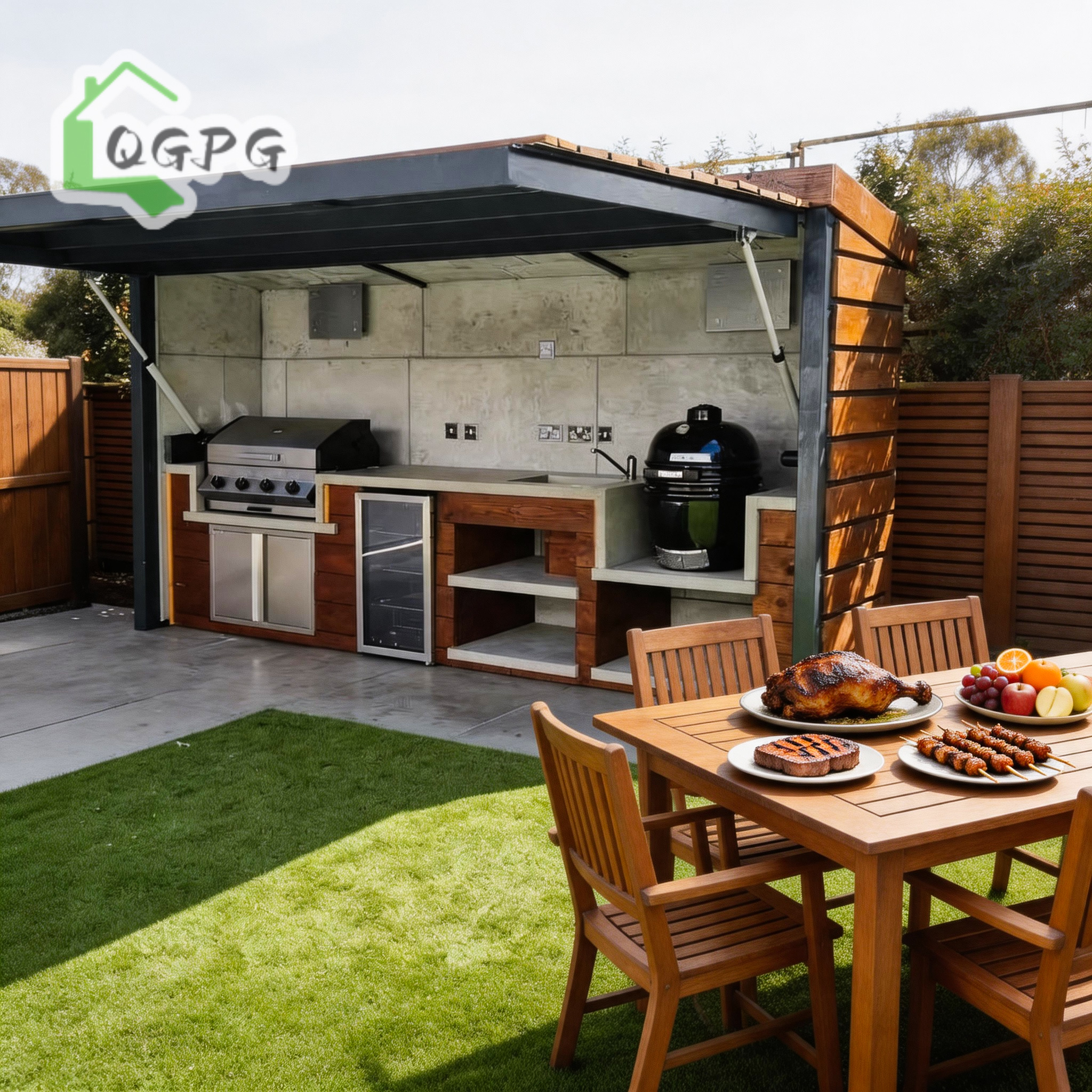
Commercial Grade 304 Stainless Steel Electric Hydraulic Lift Outdoor Kitchen Pod Integrated Grill Sink Fridge Storage for Hotel
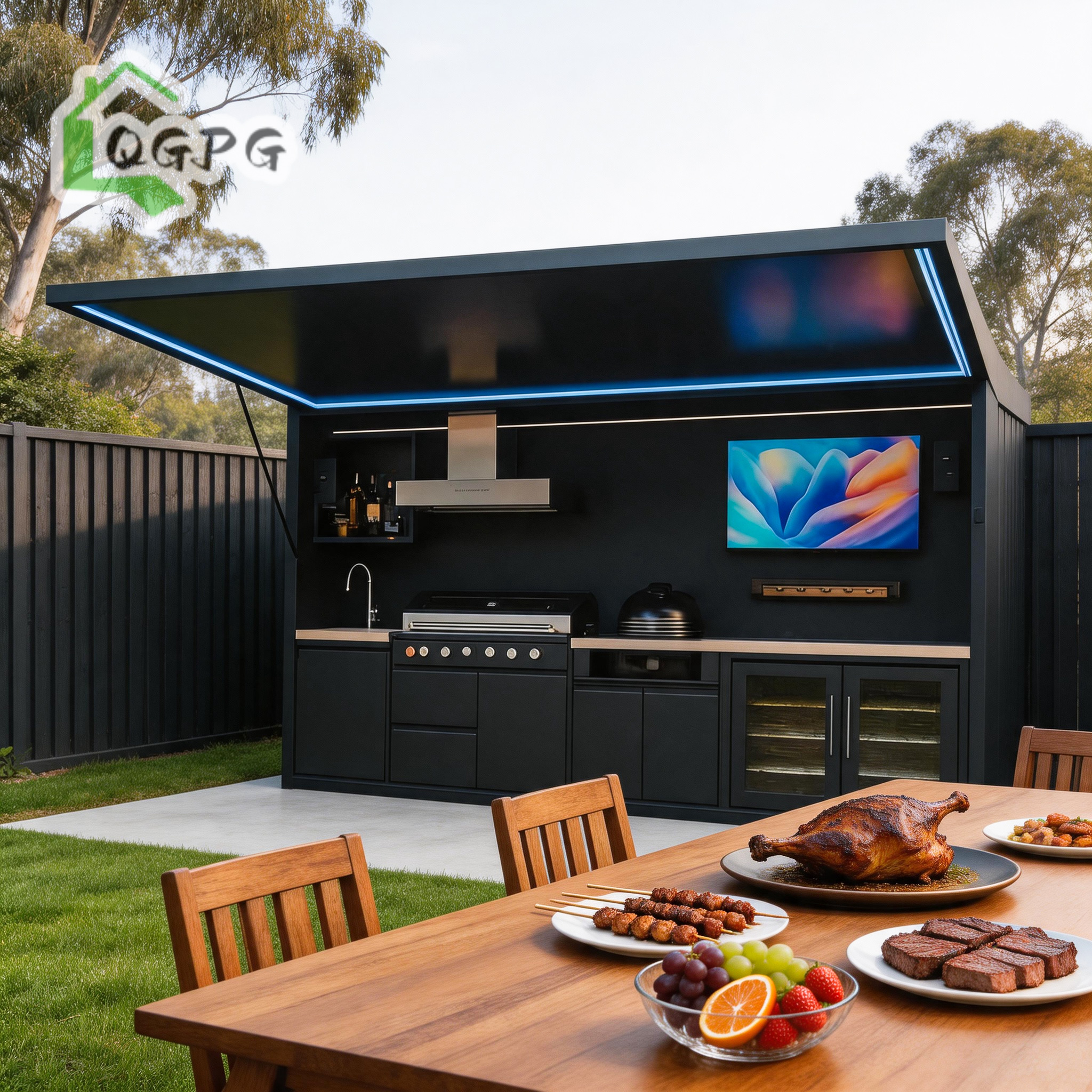
Professional 304 Stainless Steel Motorized Retractable Roof Deployable BBQ Kitchen Pod Built-in Grill Sink Storage for Resort
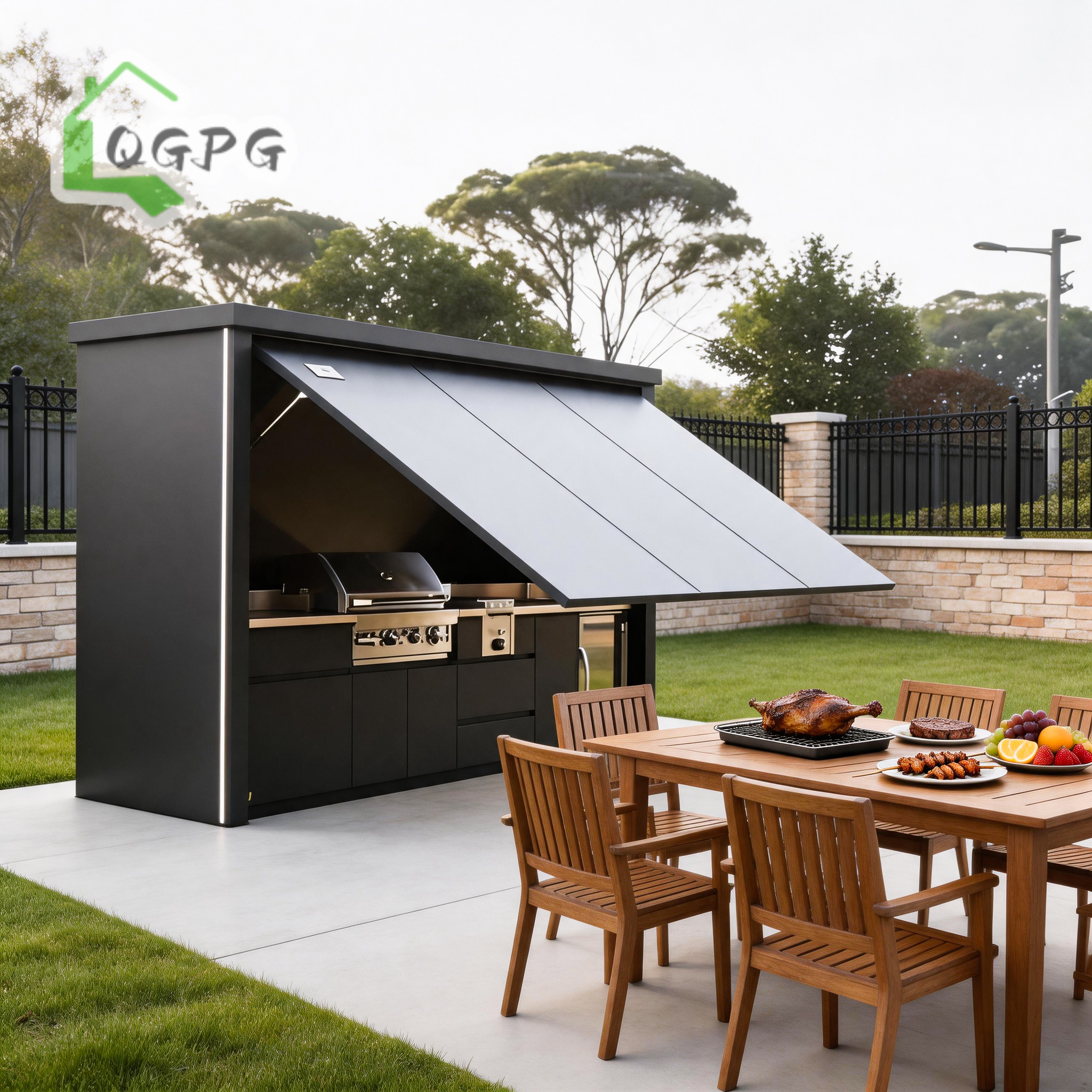
Commercial Grade Marine Grade 304 SS Electric Lift Canopy Expandable Outdoor Kitchen Pod Built-in BBQ Grill Sink Fridge
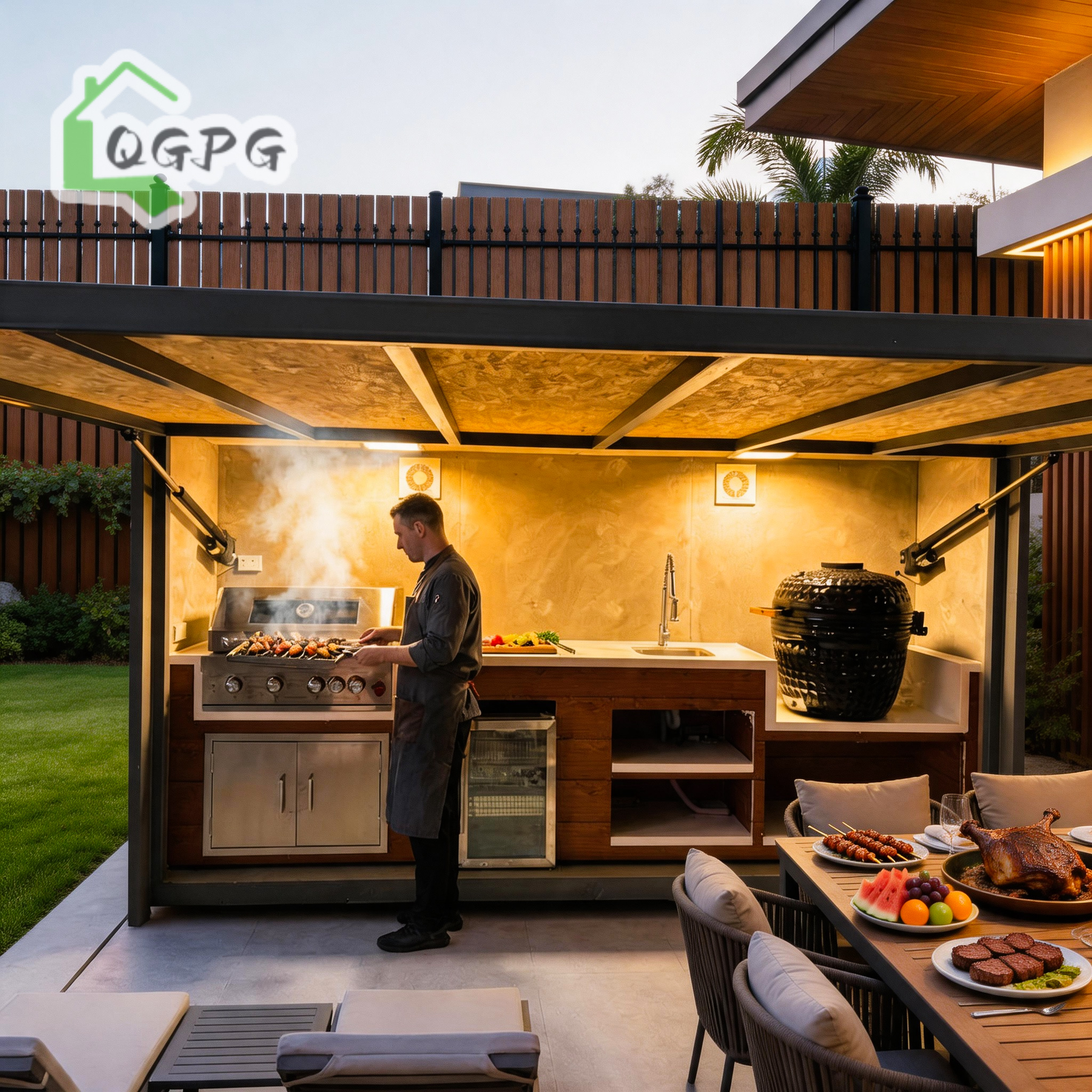
Luxury 304 Stainless Steel Electric Hydraulic Lift Enclosed Outdoor Kitchen Integrated Grill Sink Fridge for Year-Round Cooking
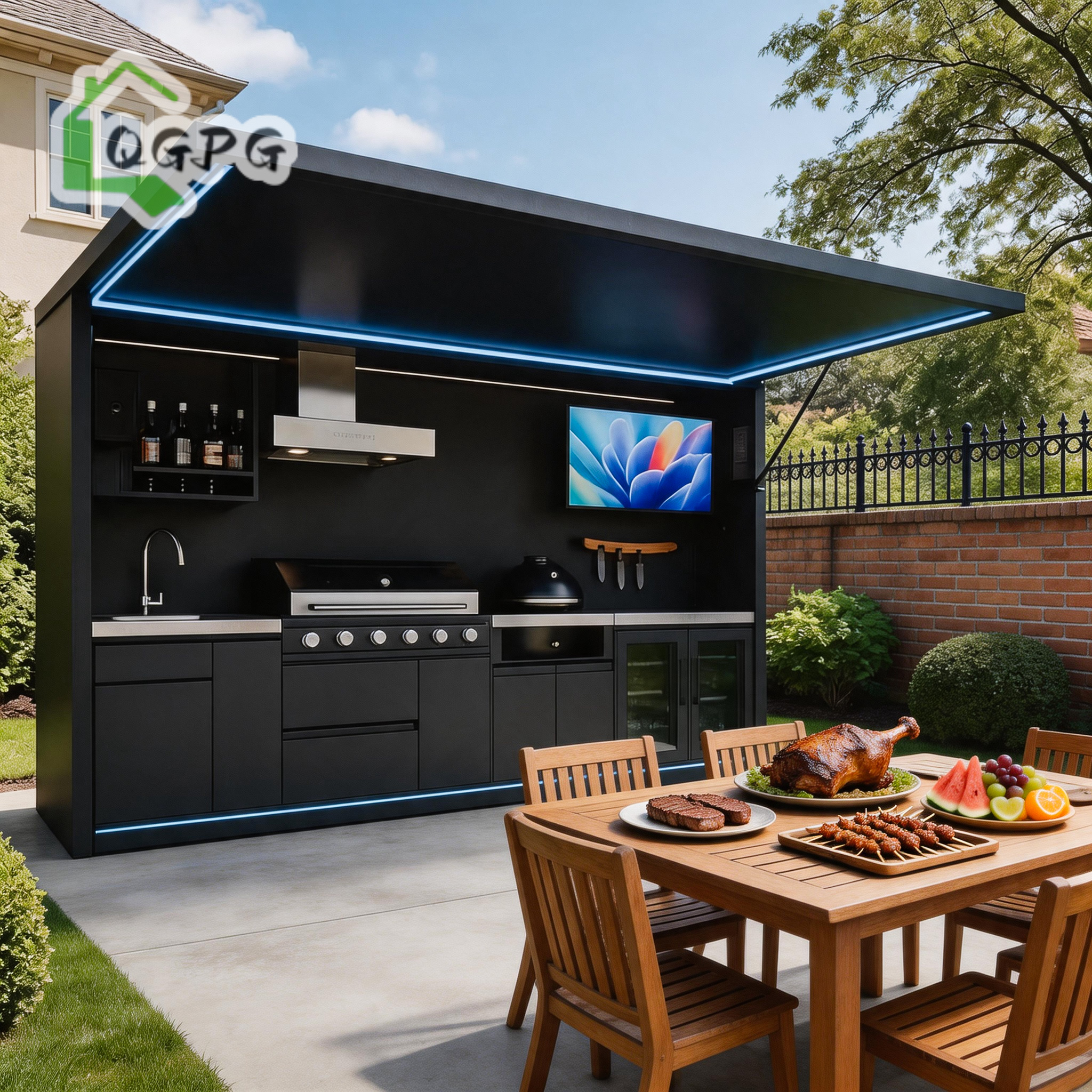
Professional Marine Grade 304 SS Motorized Retractable Roof Outdoor BBQ Pod Built-in Grill Sink Fridge for Commercial Resort
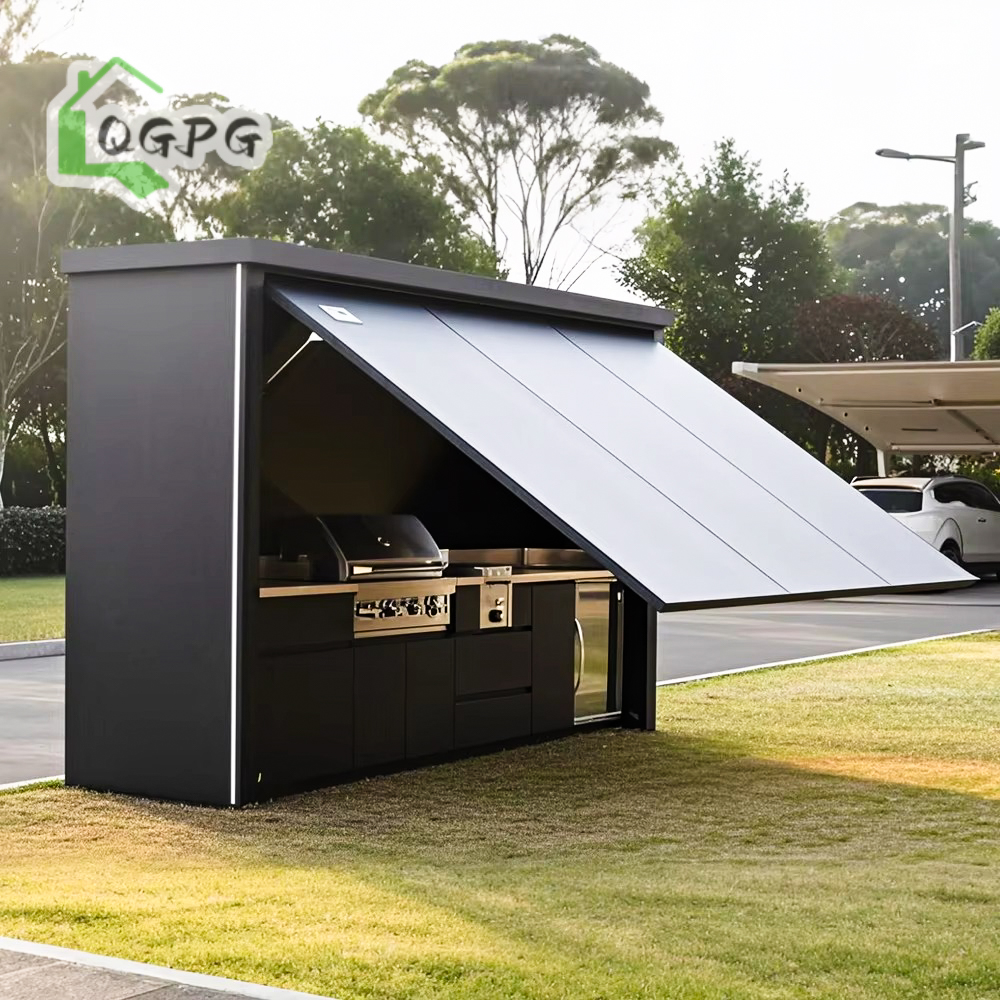
Factory Direct Stainless Steel Electric Hydraulic Lift Outdoor Kitchen Container Integrated BBQ Sink Fridge for Backyard Patio
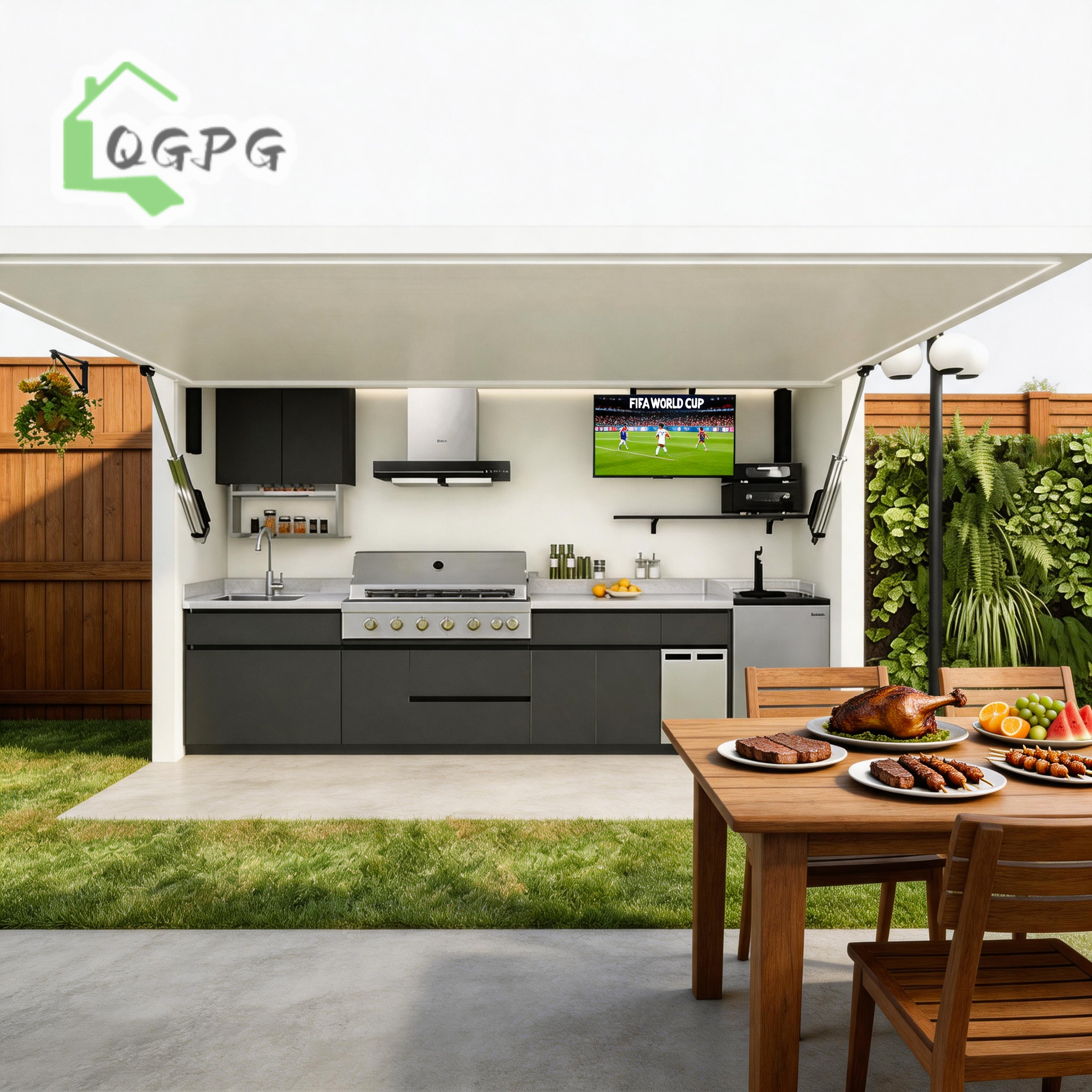
Custom Stainless Steel Motorized Retractable Roof All-in-One BBQ Kitchen Pod Built-in Grill Sink Storage for Garden Terrace
Global Sourcing Executive Summary: The Evolution of Folding Portable Housing
The international modular construction landscape is undergoing a paradigm shift. Procurement directors, civil contractors, emergency response agencies, and resort developers are increasingly moving away from site-built civil structures in favor of highly engineered folding portable house systems and factory-prefabricated modular buildings.
85%
On-Site Labor Time Reduction
1:10
Shipping Volume Compression
B2B Tier-1
Intertek Assessed Supplier
25+ Yrs
Design Service Lifespan
Unlike traditional flat-pack or static container homes, contemporary folding portable houses integrate heavy-duty hinges, structural structural steel sub-frames, and pre-installed insulation systems that fold into compact shipping units. A single 40ft High Cube (HQ) ocean freight container can transport up to 10 folded modular units, radically lowering transoceanic freight costs per usable square meter. Upon arrival at the site, these structure units can be unfolded in under 15 minutes per module using minimal lifting equipment and standard labor.
From an economic perspective, selecting a verified manufacturing partner in China provides access to economies of scale, structural steel customization (Q235B to Q355 structural grade), advanced corrosion prevention coatings, and factory-tested thermal envelope integrity. However, evaluating suppliers requires looking beyond superficial aesthetics to audit structural engineering, welding compliance, panel density, and export certifications.
Information Gain: Modular Structural Systems Sourcing Benchmark
Comparing technical attributes across primary factory-manufactured modular construction types to assist global procurement officers in matching structural design to site-specific environmental conditions.
| Modular Building Type | Deployment Time | Shipping Efficiency | Thermal & Acoustic Core Options | Wind / Seismic Rating | Primary Commercial Use Cases |
|---|---|---|---|---|---|
| Folding Portable House | 10 – 15 Minutes / Unit | Ultra-High (10 units / 40HQ container) | EPS / Fireproof Rockwool (50-75mm) | Wind: Up to 110 km/h Seismic: Grade 8 |
Emergency Housing, Disaster Relief, Fast Camps, Event Offices |
| Expandable Container House | 1 – 2 Hours / Unit | High (2 units / 40HQ container) | High-Density PU / Glass Wool / Rockwool | Wind: Up to 120 km/h Seismic: Grade 8 |
Luxury Residential, Glamping Resorts, Site Headquarters |
| Flat Pack Container House | 2 – 4 Hours / Unit | High (4 units stacked / package) | Rockwool / PU / EPS Panels | Wind: Up to 120 km/h Seismic: Grade 8 |
Multi-Storey Labor Camps, Dormitories, Mining Facilities |
| Detachable Container House | 3 – 5 Hours / Unit | Maximum Panel Knock-Down | Customizable Wall & Roof Panels | Wind: Up to 100 km/h Seismic: Grade 7.5 |
Schools, Remote Clinics, Flexible Modular Classrooms |
| Motorized Outdoor Kitchen Pod | Turnkey (Plug & Play) | Rigid Custom Freight / Flat Rack | Marine Grade 304 Stainless Steel Envelope | All-Weather Weatherproof Canopy | High-End Commercial Resorts, Hotels, Luxury Patio Upgrades |
Why Top Global Buyers Partner With Hebei BSU Building Materials
As an industry-leading manufacturer based in Hebei Province, China, Hebei BSU Building Materials Technology Co., Ltd. operates at the intersection of structural engineering excellence, modern digital manufacturing, and stringent export compliance.
Our manufacturing facility has undergone rigorous on-site assessment by Intertek, confirming our status as a verified Custom Manufacturer. We serve global enterprise buyers across North America, Europe, Australia, the Middle East, and Southeast Asia.
-
✓80+ Authenticated Technical Staff: In-house structural engineers, CAD/BIM designers, and certified welding technicians.
-
✓End-to-End Quality Management: Raw steel verification, automated roll-forming, anti-corrosion spray booths, and structural load testing.
-
✓Global Engineering Compliance: Pre-wired electrical circuits tailored to destination voltage standards (UL, CE, SAA, SASO).
-
✓Transparent Supply Chain: Panoramic factory tours, documented mill test reports, and clear trade credit metrics.

Future Industry Trends: Product Innovation & Global Sourcing (2025–2030)
The modular housing industry is undergoing rapid technical transformation driven by automated hydraulics, off-grid renewables, and ESG-compliant supply chain mandates.
Hydraulic & Motorized Folding Systems
The transition from manual pull-out mechanisms to push-button hydraulic and electro-motorized deployment is accelerating. High-end expandable houses and commercial BBQ pods now feature integrated actuators that allow full operational setup in under two minutes with zero manual labor.
Total Cost of Ownership (TCO) Optimization
Wholesalers are focusing on logistics volume ratios. Modern folding units engineered by BSU maximize container payload capacity—packing up to 10 houses per 40HQ container—drastically lowering ocean freight surcharge risks during high-demand shipping cycles.
BIPV Off-Grid Energy Integration
Building-Integrated Photovoltaics (BIPV) with lithium storage solutions are becoming standard factory-installed options for folding houses deployed in remote sites, eco-resorts, and off-grid mining exploration projects.
High-Performance Thermal Envelopes
Future folding systems feature continuous thermal bridge breaks, double-gasketed folding hinges, and non-combustible A1-grade Rockwool insulation to ensure compliance with strict European and North American energy efficiency codes.
BIM & Digital Twin Factory Integration
Enterprise procurement now relies on Building Information Modeling (BIM) files provided directly by manufacturers. Architectural teams can seamlessly drag and drop BSU modular container objects into master site plans prior to manufacturing confirmation.
ESG-Driven Circular Material Sourcing
With 100% recyclable Q235B/Q355 galvanized steel framing and eco-friendly powder coatings, prefabricated folding homes provide real carbon-offset credits compared to traditional concrete construction.
Frequently Asked Procurement Questions (FAQ)
Addressing essential technical, logistical, and structural questions raised by international B2B buyers and commercial contractors.
Which container house type is best suited for high-wind or heavy-snow regions?
For extreme weather conditions, our engineering team recommends either Expandable Container Houses with reinforced structural steel sub-frames or custom-designed Prefabricated Steel Structure Villas. Expandable units feature integrated multi-lock hinges and thick sandwich panels (Rockwool or High-Density PU) certified to withstand wind loads up to Beaufort Scale 11-12 and roof snow loads exceeding 1.5 kN/m².
How are electrical wiring and plumbing certified for destination country codes?
As a verified custom manufacturer, Hebei BSU pre-installs electrical conduit, cabling, distribution boxes, sockets, and LED lighting fixtures adhering specifically to destination standards—including NEC/UL for North America, CE/EN for Europe, and SAA for Australia/New Zealand. Water supply and drainage lines are pressure-tested prior to ocean shipment.
How do you maximize shipping container volume for folding portable homes?
Our standard folding container houses fold down to a transport height of just 350mm to 450mm per unit. This allows up to 10 sets of fully assembled folding units to be stacked safely inside a single 40ft High Cube (HQ) ocean container, significantly reducing freight costs per unit compared to standard fully-assembled modules.
What structural anti-corrosion treatments are applied for coastal/marine applications?
For seaside deployments, mining camps near salt flats, or luxury resort projects, we utilize heavy-gauge hot-dip galvanized steel framing paired with epoxy zinc-rich primer and polyurethane topcoats (C3/C4 anti-corrosion grade). For outdoor kitchen pods, we utilize marine-grade 304 or 316 stainless steel enclosures.
What third-party documentation and factory auditing capabilities do you support?
Hebei BSU has successfully passed on-site audits conducted by Intertek. We provide comprehensive mill test certificates (MTC) for steel components, insulation fire-rating reports (Class A fireproof Rockwool), full packing lists, loading plans, digital twin CAD models, and live high-definition video factory tours.
What is the expected production lead time for bulk wholesale orders?
Production schedules depend on customization requirements and total module volume. Standard folding container house models maintain a baseline fabrication cycle of 10-15 business days for standard batches (up to 50 units), while fully customized modular villas or specialized motorized kitchen pods require 20-30 days from final engineering drawing approval.
Partner With a Verified Prefabricated Modular Manufacturer
Whether you require bulk folding container units for workforce housing, custom expandable cabins for a eco-resort development, or commercial-grade stainless steel kitchen pods, our engineering team is ready to review your blueprints and deliver factory-direct wholesale pricing.