Featured Modular Engineering & Container Pod Product Lineup
Factory-direct pre-engineered modules, motorized stainless steel kitchen pods, and structural expandable systems.
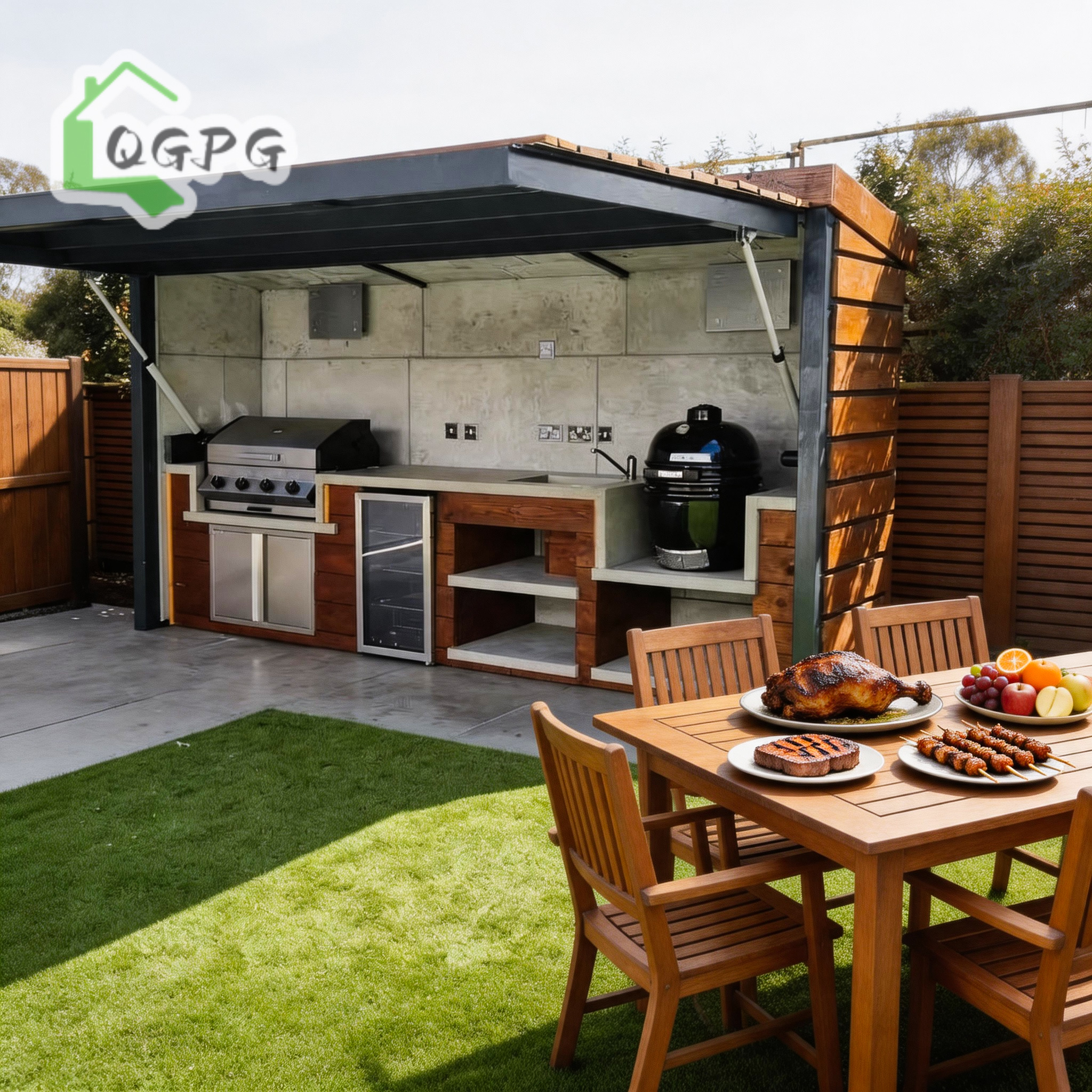
Commercial Grade Marine Grade 304 SS Motorized Retractable Roof All-Weather BBQ Pod Built-in Grill Sink Storage Outdoor Kitchen
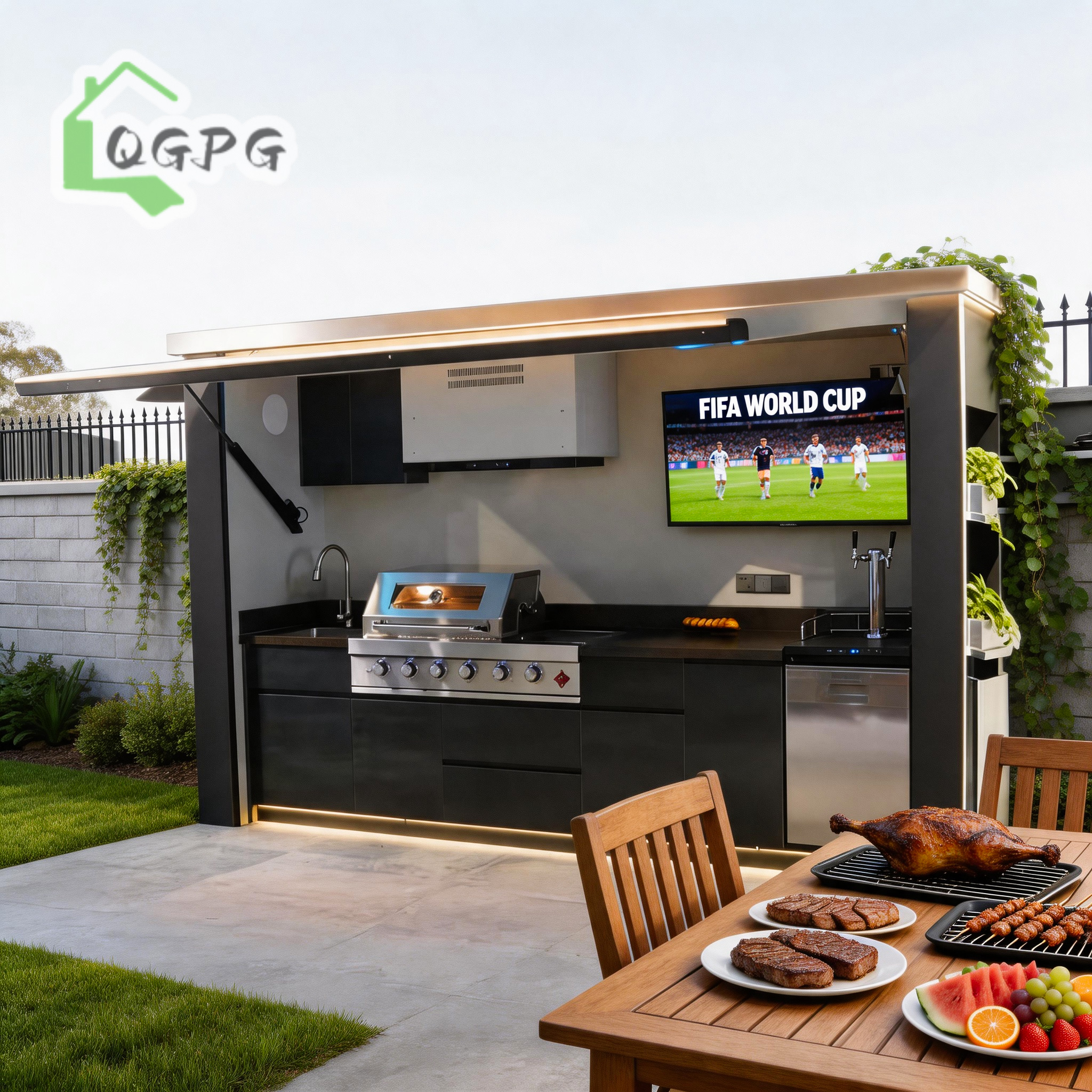
Custom Galvanized Steel Motorized Flip-up Door Outdoor Kitchen Box Integrated Grill Sink Storage for Outdoor Dining
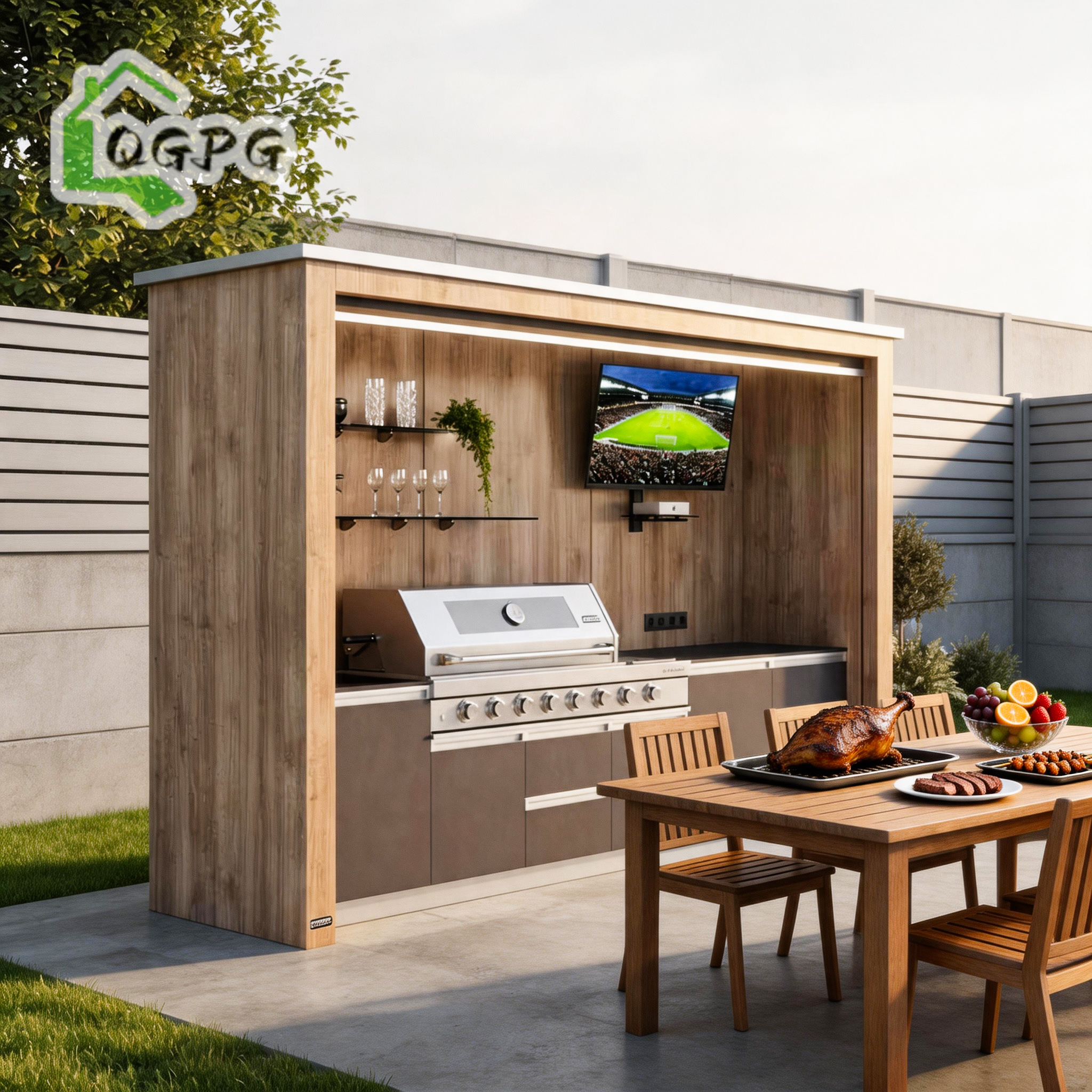
Premium 304 Stainless Steel Hydraulic Canopy Enclosed Outdoor Kitchen Integrated BBQ Sink Fridge for Garden Terrace Weatherproof
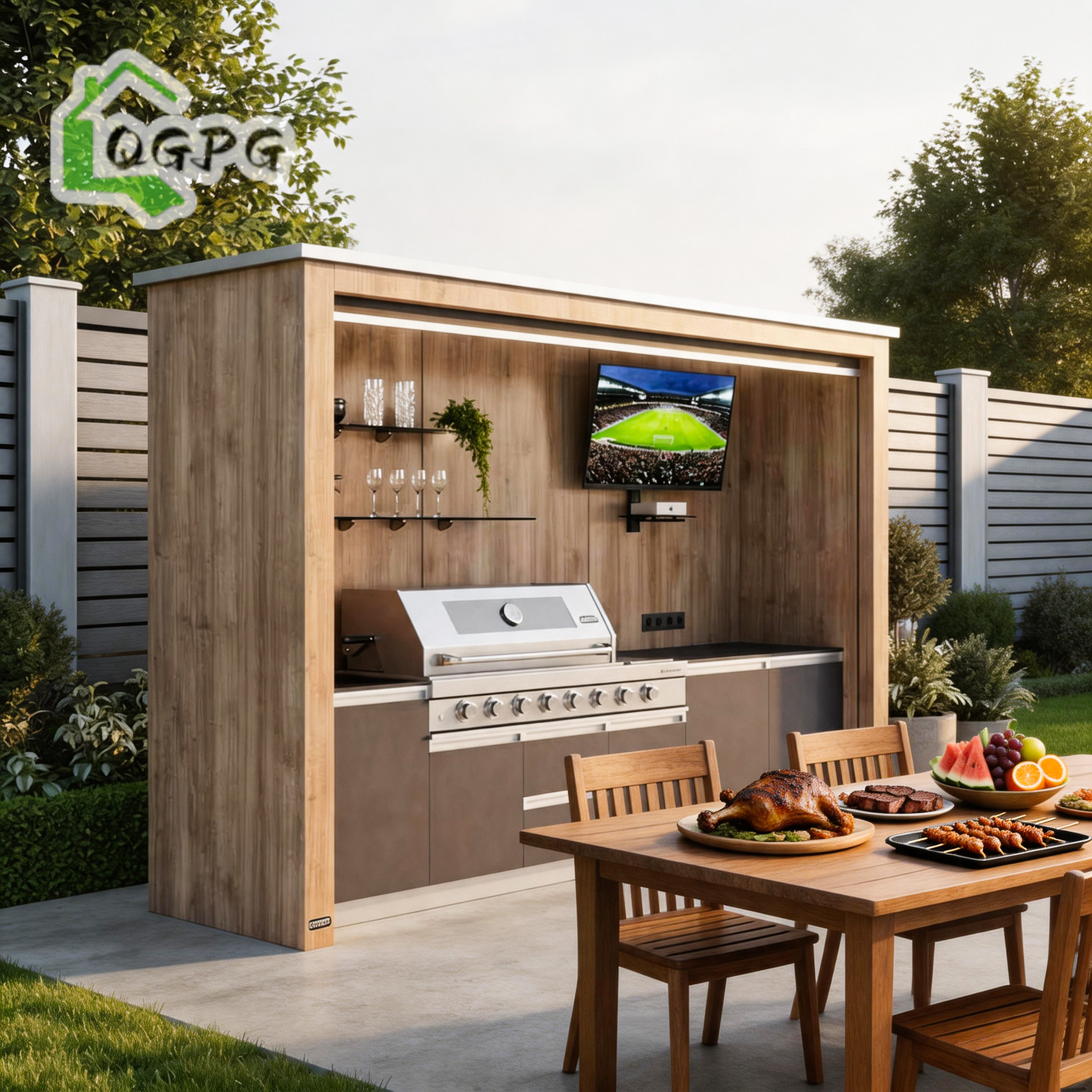
Professional Stainless Steel Electric Lift Canopy Covered Outdoor Kitchen Built-in Grill Sink Fridge for Resort Hotel
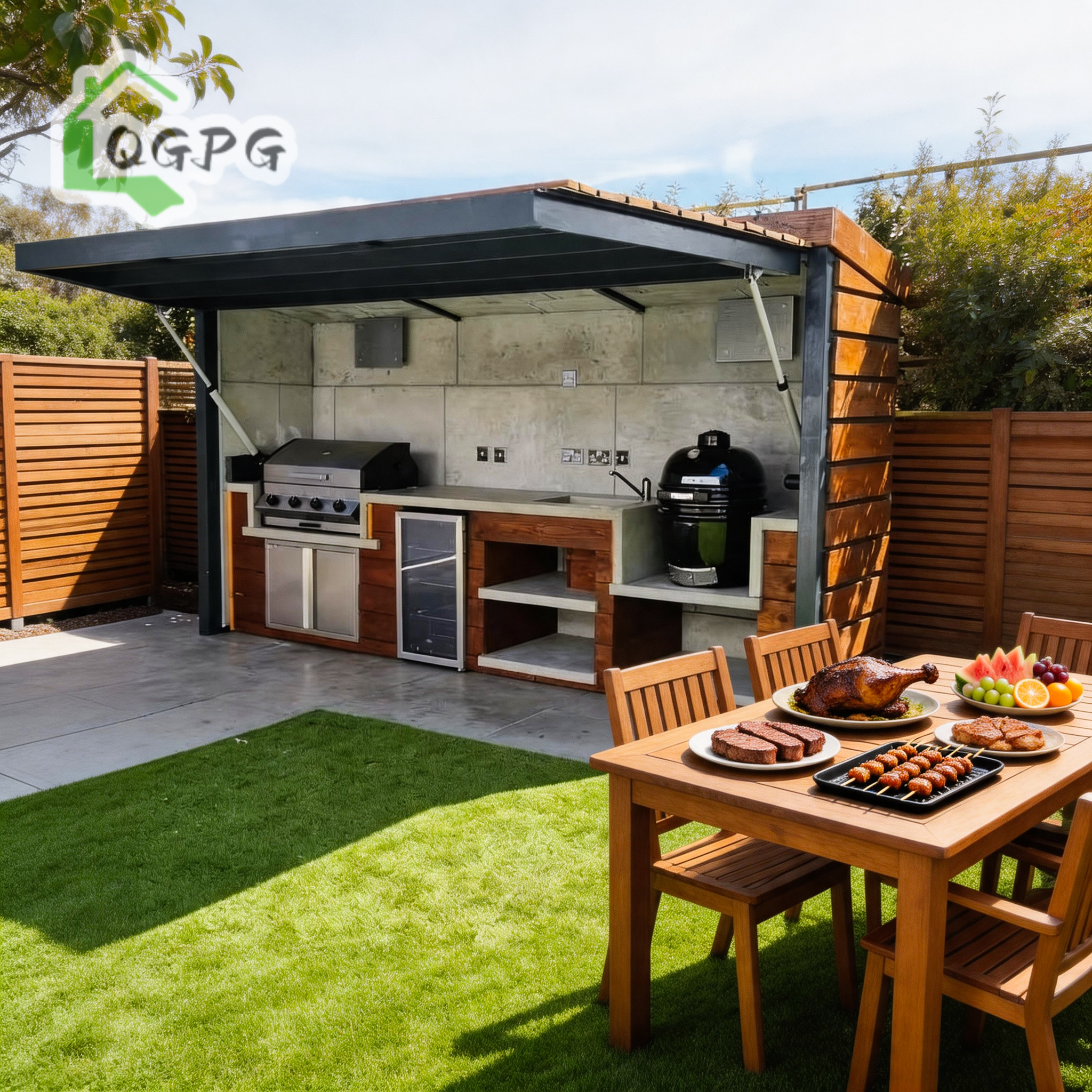
Premium 304 Stainless Steel Hydraulic Canopy Garden Kitchen Pod Built-in BBQ Grill Sink Fridge for UK Garden LED Ambient
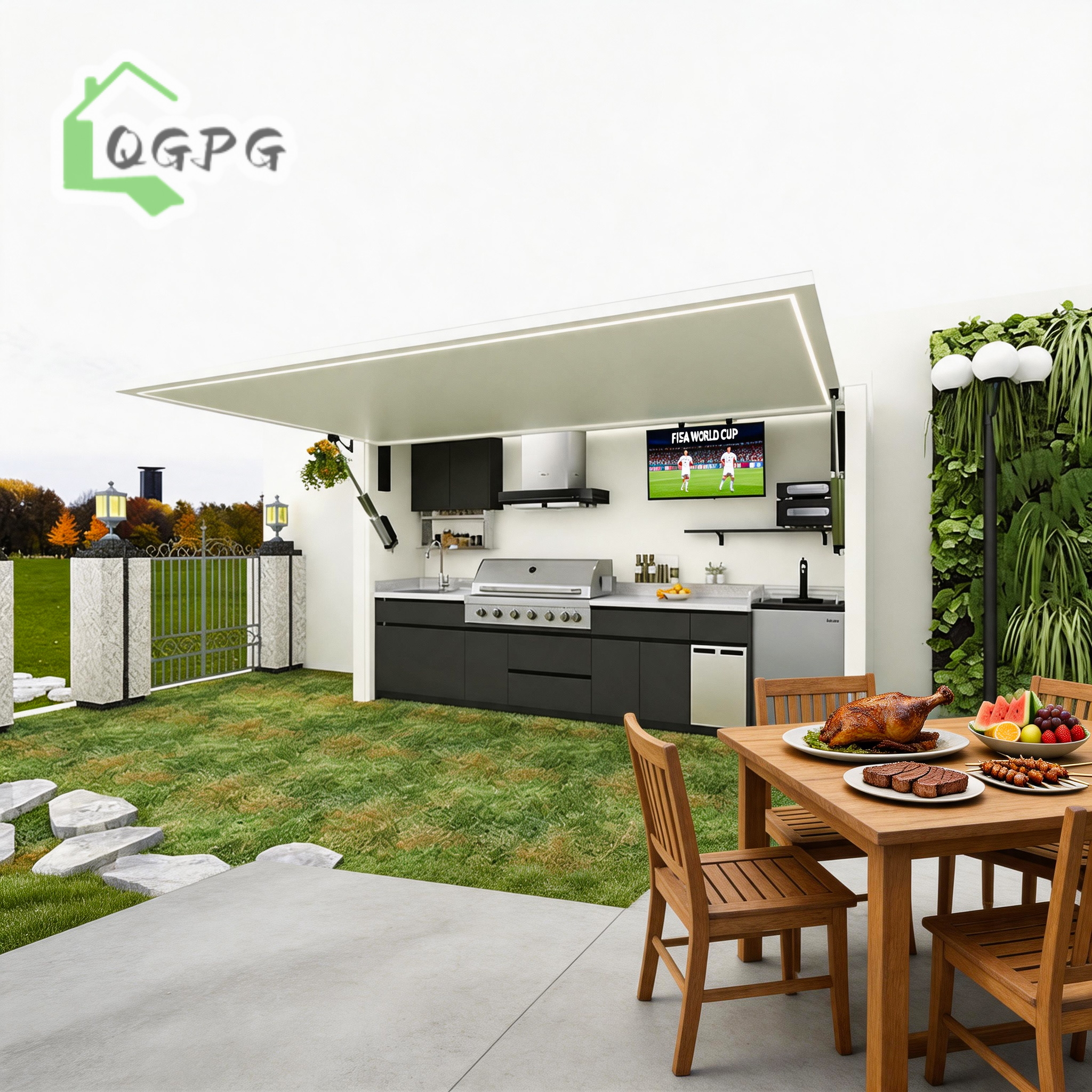
Professional Marine Grade 304 SS Motorized Flip-up Door Modular Outdoor Kitchen Pod Built-in Grill Sink Fridge for Villa Resort
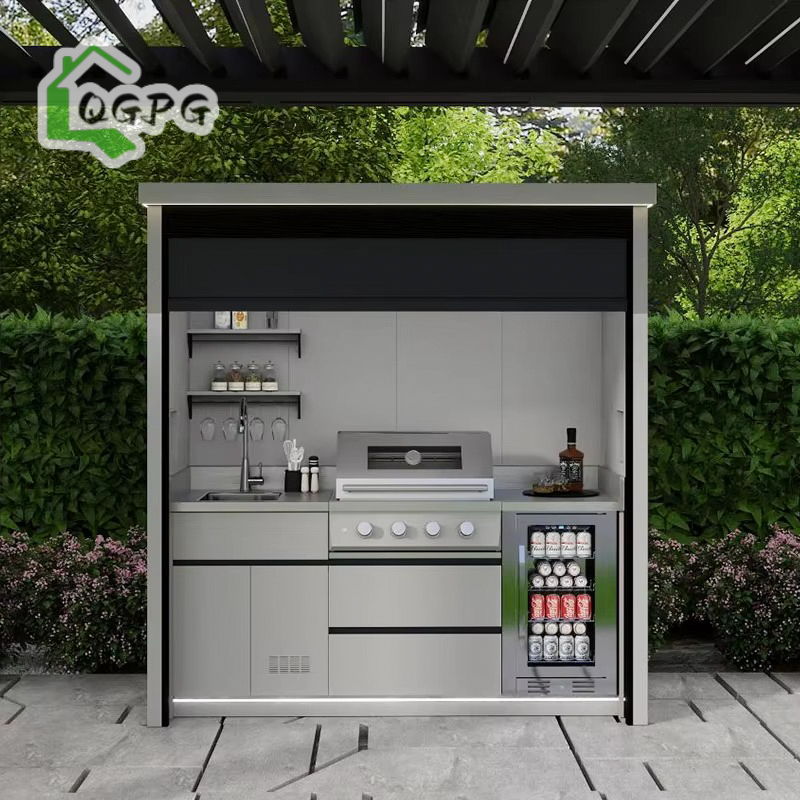
Commercial Grade Marine Grade 304 SS Electric Lift Canopy Expandable Outdoor Kitchen Pod Built-in BBQ Grill Sink Fridge
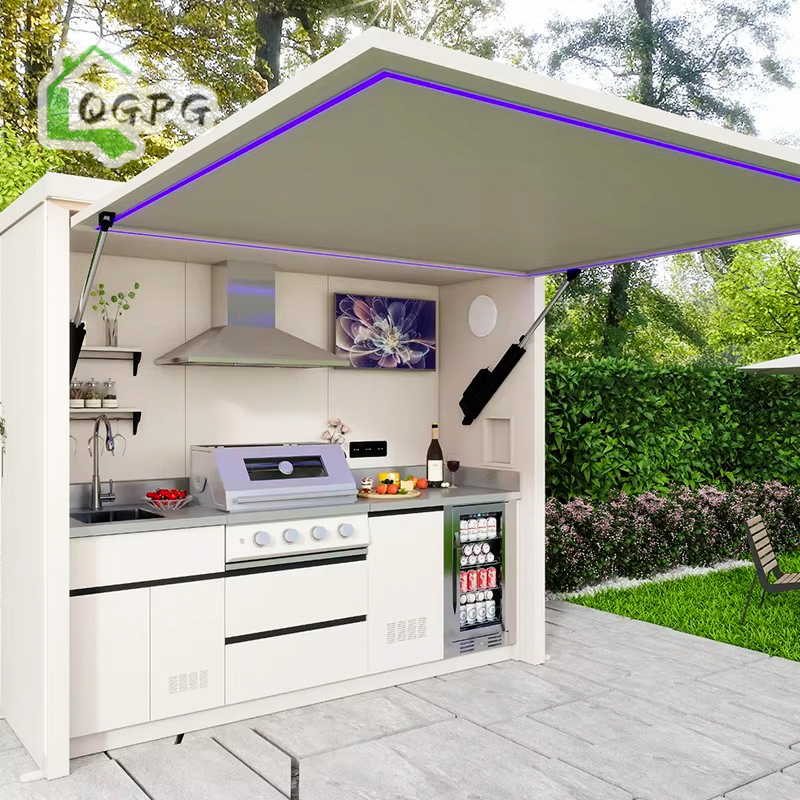
Turnkey Stainless Steel Motorized Flip-up Door All-in-One Outdoor Kitchen Integrated Grill Sink Storage for Garden Patio Quick
Global Prefab Housing Market Metrics & OEM/ODM Benchmarks
Key operational insights driving the selection of primary container home manufacturers and exporters worldwide.
Product Recommendations & Detailed Manufacturer Evaluation Framework
The global construction landscape is experiencing a fundamental paradigm shift toward Off-Site Manufacturing (OSM) and industrialized building solutions. Sourcing high-quality shipping container homes and specialized modular pods requires rigorous due diligence beyond aesthetic design. Commercial buyers, government agencies, and real estate developers must assess steel yield strength, insulation thermodynamics, structural loading ratings, sea-freight packing efficiency, and factory verification credentials.
When selecting from the Top 10 Shipping Container Home Manufacturers & Exporters, buyers must differentiate between standard ISO converted container modifiers and purpose-built cold-formed light-gauge steel modular fabricators. Below is the comparative matrix detailing critical procurement metrics across top export tiers:
| Manufacturer Category | Core Structural System | Thermal / Climate Adaptation | Export Freight Efficiency | Intertek / ISO Audit Status |
|---|---|---|---|---|
| Hebei BSU Building Materials Co. | Q235B/Q345B Galvanized Steel Frame + Marine 304 SS | PU / Rockwool Sandwich (50–150mm Custom) | Optimal (Flat-pack & Unfold Modules) | Intertek Assessed Direct Factory |
| ISO Conversion Fabricators | Reused Corten ISO Shipping Containers | Internal Spray Foam Insulation | Low (Shipped as Rigid 20ft/40ft Shells) | Varies by Local Workshop |
| Knock-Down Flat Pack Exporters | Bolted Cold-Formed Steel Columns | EPS / Light Glasswool Panels | Maximum (Densely Packed in SOC/COC) | Standard ISO9001 Factory Baseline |
| Luxury Prefab Architecture Houses | Heavy Steel Framing + Structural Glass | Vacuum Insulated Panels (VIP) / Thermal Break | Medium (Requires Flat-Rack Shipping) | Custom Architectural Certification |
As highlighted in our engineering benchmarks, direct-factory manufacturers such as Hebei BSU Building Materials Technology Co., Ltd. provide superior value by integrating structural manufacturing, custom CAD structural detailing, and complete utility pre-wiring (electrical/plumbing) under one roof. This minimizes field labor costs and guarantees strict adherence to international building codes.
Analysis of the Top 10 Shipping Container Home Manufacturers & Exporters
In analyzing the global manufacturing landscape, export leadership is defined by five key pillars: Custom OEM Engineering, Material Quality Control, Freight Optimization, Compliance Assurance, and After-Sales Installation Support. Below is the breakdown of the top manufacturing models dominating international trade:
1. Hebei BSU Building Materials Technology Co., Ltd.
Recognized as an Intertek-assessed custom manufacturer in Hebei, China. BSU leads in engineered expandable container houses, folding emergency shelters, heavy-duty flat-pack labor camps, and marine-grade 304 stainless steel outdoor kitchen pods. Known for end-to-end structural customization and strict export QC.
2. Expandable Modular Engineering Specialists
Exporters focusing specifically on hydraulic and manual triple-expandable container structures, maximizing residential living area from a single standard 20ft shipping footprint.
3. Heavy-Duty Mining & Workforce Housing Integrators
Large-scale modular suppliers serving resource, energy, and defense sectors with multi-storey stackable flat-pack worker dormitories and commercial canteen modules.
4. Coastal Resort & Eco-Lodge Pod Fabricators
Manufacturers specializing in high-end glamping pods, motorized flip-up canopy BBQ kiosks, and panorama glass-walled modular suites for the hospitality industry.
5. Rapid Deployment Folding Container Exporters
Producers of quick-hinge folding container houses capable of 10-minute crane assembly for disaster relief, military encampments, and rapid field medical clinics.
6. One-Way ISO Shipping Container Remodelers
Fabricators utilizing brand-new "one-trip" ISO Corten steel shipping containers, structurally reinforced with structural steel tubing for urban residential infill.
7. Prefabricated LGS Steel Villa Manufacturers
Factory exporters combining container chassis with light-gauge cold-formed steel truss roofs and exterior decorative cladding for permanent luxury residences.
8. Pre-Plumbed Modular Restroom & Kitchen Exporters
Specialist plants building plug-and-play stainless steel utility pods, trailer-mounted mobile restrooms, and commercial motorized kitchen pods ready for immediate utility connection.
9. Standardized Flat-Pack Container Hubs
High-volume factories focused on low-cost, mass-produced detachable unit containers optimized for high-density logistics and international trader distribution.
10. Autonomous Solar-Powered Modular House Fabricators
Exporters embedding rooftop photovoltaic systems, lithium battery banks, and greywater filtration units directly into containerized structural frames.
Future Procurement & Global Sourcing Trends (2025–2030)
Anticipating regulatory changes, ocean freight economics, and structural performance requirements for international buyers.
Procurement directors and project engineers face an evolving set of market dynamics. Sourcing prefabricated buildings is no longer purely a price-per-square-meter calculation. Strategic buyers are structuring their 2025–2030 purchasing strategies around three major industrial shifts:
1. Carbon Footprint Regulations & Thermal Standard Compliance
Importing nations in Europe, North America, and Australia are enforcing stringent energy codes (e.g., EU NZEB standards, Australian NCC thermal ratings). Procurement trend lines indicate a major move away from basic EPS foam insulation toward fire-rated A1 Rockwool and high-density Polyurethane (PU) PIR injected boards with thermal break frame detailing.
2. High-Density Shipping Volume Optimization
Volatile ocean freight container rates have elevated the importance of cubic meter loading efficiency. Exporters that engineer flat-pack and expandable fold-out designs—allowing 4 to 10 units to fit within a single 40ft HQ shipping container—are capturing market share over fixed rigid-box builders by slashing logistics overhead by up to 70%.
3. Factory-Assessed Verification & Supply Chain Transparency
B2B buyers are moving away from unverified trading entities. Direct factory audits conducted by accredited third parties like Intertek, SGS, and TÜV Rheinland have become mandatory procurement prerequisites. Verified trade capacity, credit reports, live video workshop audits, and documented weld inspection logs are replacing standard digital brochures.
Product Development & Technological Engineering Advances
How advanced metallurgy, automation, and structural mechanics are redefining modular container longevity.
Technological advancement in container home manufacturing focuses on extending service life in extreme environments, enhancing operational convenience, and integrating smart automation. Key structural innovations include:
- Automated Hydraulic & Motorized Canopy Enclosures: Premium outdoor kitchen pods and expandable modular suites now feature motorized flip-up walls and hydraulic canopy roofs. Utilizing commercial-grade 304 or 316 marine-grade stainless steel with push-button remote actuation, these structures double as protective lockable enclosures when closed and sheltered patio canopies when deployed.
- Anti-Corrosion Surface Engineering: To combat salt fog in coastal deployment and industrial atmospheric corrosion, top exporters utilize high-zinc galvanized steel frames (120g/m² to 275g/m² coating) finished with fluorocarbon (PVDF) electrostatic powder spraying, yielding a 25+ year zero-maintenance finish.
- Plug-and-Play MEP (Mechanical, Electrical, Plumbing) Prefabrication: High-end export units feature pre-routed concealed conduit systems meeting CE, UL, SAA, or CSA electrical safety standards. Water distribution lines undergo 0.8MPa pressure testing prior to factory dispatch, ensuring zero leak risks upon site connection.
Enterprise Advantage: Hebei BSU Building Materials Technology Co., Ltd.
Your Intertek-Assessed Custom Manufacturer for Dependable Global Modular Projects
Hebei BSU Building Materials Technology Co., Ltd. (BSU Modular Buildings) is a premier verified custom manufacturer specializing in prefabricated container houses, expandable residential units, folding emergency houses, flat-pack camp systems, light steel villas, portable toilet trailers, and outdoor modular kitchens.
Situated in Hebei Province, China, BSU operates a modern manufacturing complex backed by over 80 authenticated technical professionals, structural engineers, and skilled fabrication workers. Unlike basic trading intermediaries, BSU maintains complete oversight across the entire value chain—from architectural BIM detailing and structural steel cutting to automatic sandwich panel bonding, custom electrical integration, and ocean export packing.
Frequently Asked Questions (B2B Procurement & Technical FAQ)
Addressing critical buyer queries regarding structural integrity, shipping, customization, and factory verification.
Which container house type is right for my project?
Can the houses and kitchen pods be fully customized to my drawings?
How are container units packed and protected during ocean freight?
How can overseas buyers verify factory authenticity before placing orders?
What installation support is provided upon arrival at the destination site?
What are the structural wind, snow, and seismic ratings of your container units?
Ready to Engineering Your Next Container Housing Project?
Send us your project specifications, site drawings, or required quantities. Our senior engineering team will provide a comprehensive technical proposal and direct factory quote within 24 hours.