Featured Commercial & Residential Modular Units
Export-ready prefabricated container solutions engineered with marine-grade structural steel, hydraulic automation, and climate-adaptive insulation.
1. Enterprise Authority & Manufacturing Capabilities: Hebei BSU
In the rapidly evolving global market for off-site modular construction, Hebei BSU Building Materials Technology Co., Ltd. stands as a premier manufacturing force headquartered in Hebei Province, China. Authenticated through comprehensive on-site inspections by international auditing authority Intertek, the company combines raw structural engineering expertise with end-to-end custom fabrication capability. Operating with over 80 authenticated full-time personnel across engineering, structural calculation, production quality control (QC), and export logistics, BSU addresses the rigorous demands of B2B importers, infrastructure developers, and commercial contractors globally.
Information Gain Metric: Direct factory procurement from verified Custom Manufacturers eliminates standard middleman markups by 18–25% while ensuring compliance with ISO, CE, and regional structural load thresholds.
Unlike standard trading intermediaries, BSU maintains complete oversight of the metallurgical processing, frame bending, hydraulic system integration, and paneling lines. Every prefabricated folding house, expandable container structure, and specialized kitchen/sanitation pod is manufactured to strict engineering standards designed to withstand extreme environmental parameters—including seismic zones, coastal salt-fog atmospheric corrosion, and heavy snow loads.
Intertek Assessed Rigor
Third-party factory audits verify our structural welding standards, material traceability records, and systemic operational stability, offering total procurement safety.
Tailored Engineering (OEM/ODM)
Our in-house design office adapts electrical layouts (UL/CE/SAA), wall insulation cores (Rockwool, PU, EPS), and steel gauge specs to local national building codes.
Turnkey Export Logistics
Units are engineered around ISO sea container dimensions, maximizing volumetric freight efficiency to optimize shipping costs per square meter of usable floor space.
2. Structural Engineering & Technical Innovation Trends
The global demand for China folding expandable houses is driven by breakthroughs in mechanical deployment systems and advanced composite materials. Structural engineering in off-site construction has evolved beyond static modified ocean containers into dynamic, multi-wing expandable architecture equipped with automated lifting systems.
A. Automated Hydraulic & Electric Deployment Mechanisms
Modern B2B purchasers prioritize minimal site labor. Modern expandable pods utilize heavy-duty hydraulic or motorized electric lift sistemas. Dual-stage hydraulic actuators allow single-operator unfolding in under 15 minutes, drastically reducing on-site civil works and eliminating heavy crane requirements during field assembly. Stainless steel (304 Marine Grade) roof tracks and flip-up canopies provide weatherproof structural seals when expanded.
Structural Steel Framing
Hot-dip galvanized Q235B/Q355 steel frames treated with anti-corrosion marine enamel finish, designed for 25+ years operational life.
Thermal & Acoustic Envelope
High-density Polyurethane (PU) and non-combustible Rockwool sandwich wall panels providing thermal conductivity as low as 0.022 W/m·K.
Integrated Utility Infrastructure
Factory pre-wired concealed conduits, rapid plug-and-play plumbing manifolds, and pre-tested electrical distribution panels built to destination country codes.
B. Material Performance Metrics Comparison
To enable informed sourcing decisions for commercial resort development, emergency response camps, and site offices, the technical comparison below outlines key performance indicators across prefabricated typologies:
| Building Typology | Deployment Time | Shipping Footprint (Freight Index) | Structural Wind Resistance | Primary Industrial Use Case |
|---|---|---|---|---|
| Expandable Container House | 10 – 30 Minutes | 1x 40' HQ = 2 Units (Unfolds to 3x area) | Category 11 (Up to 110 km/h) | Resorts, Luxury Villas, Permanent Cabins |
| Folding Container House | 4 – 10 Minutes | 1x 40' HQ = 10 – 12 Units (Stacked flat) | Category 10 (Up to 90 km/h) | Emergency Relief, Mining Camps, Disaster Units |
| Flat Pack Container House | ": 2 – 4 Hours (Per Unit)1x 40' HQ = 4 Standard Bundles | Category 12 (Up to 125 km/h) | Multi-story Labor Camps, Site Offices | |
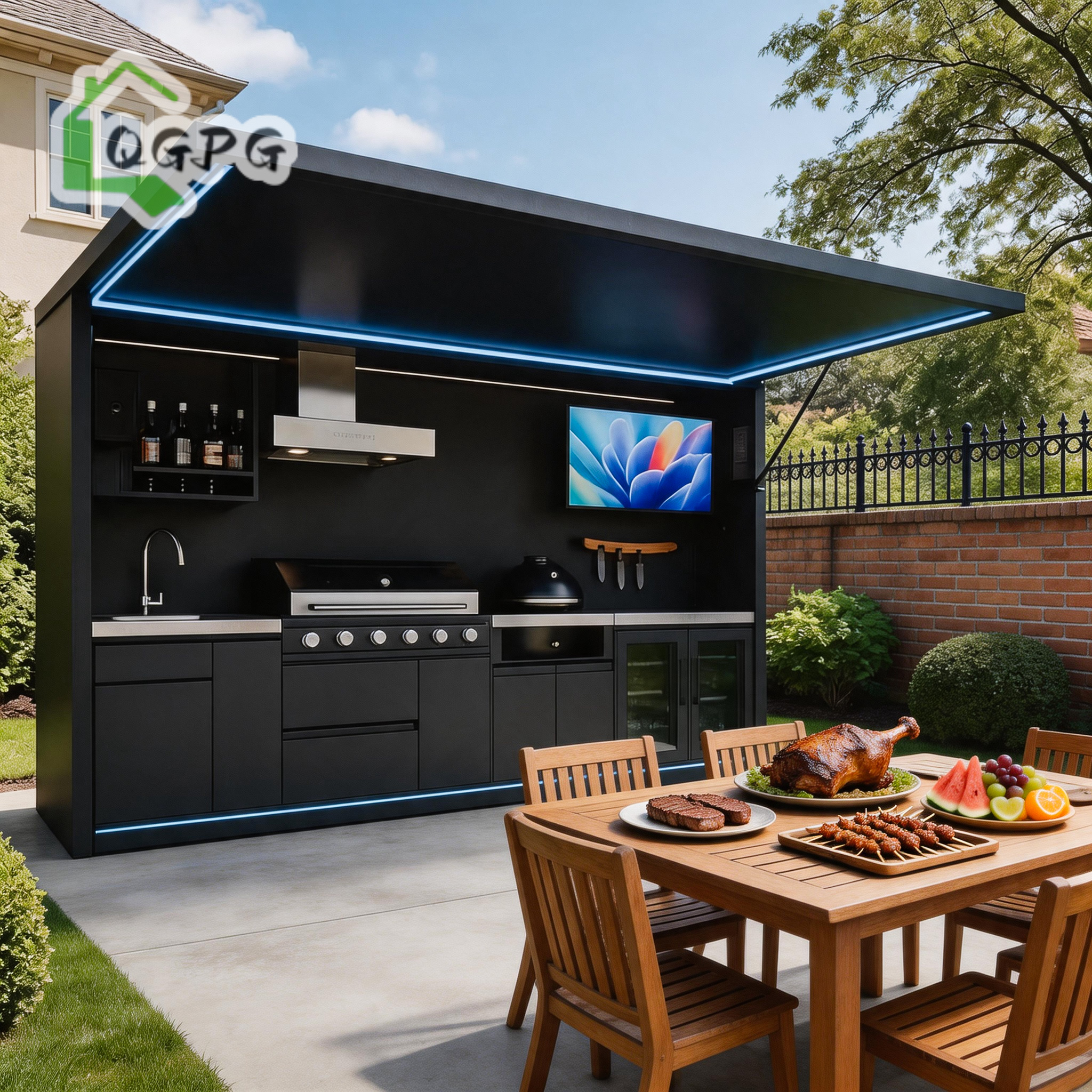
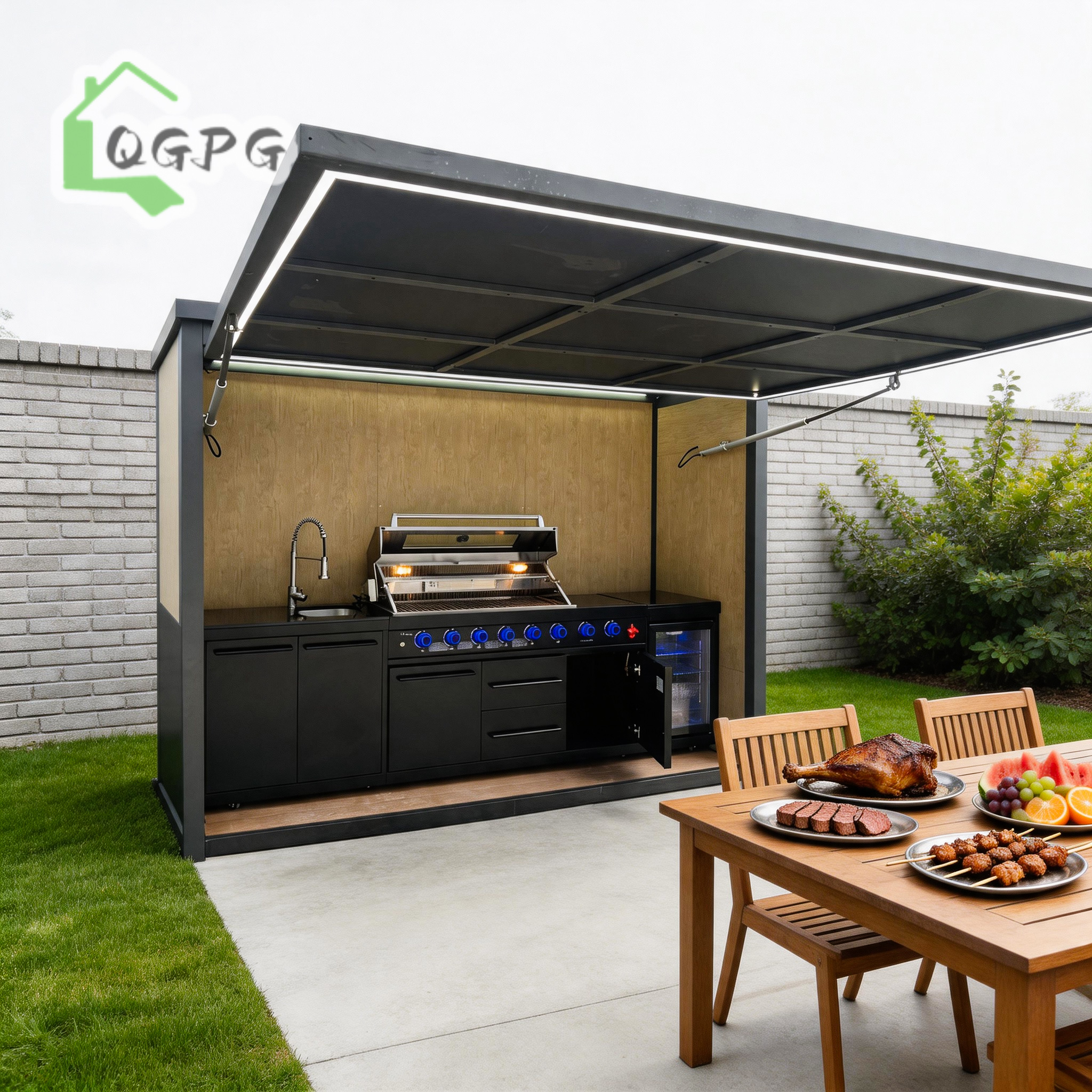
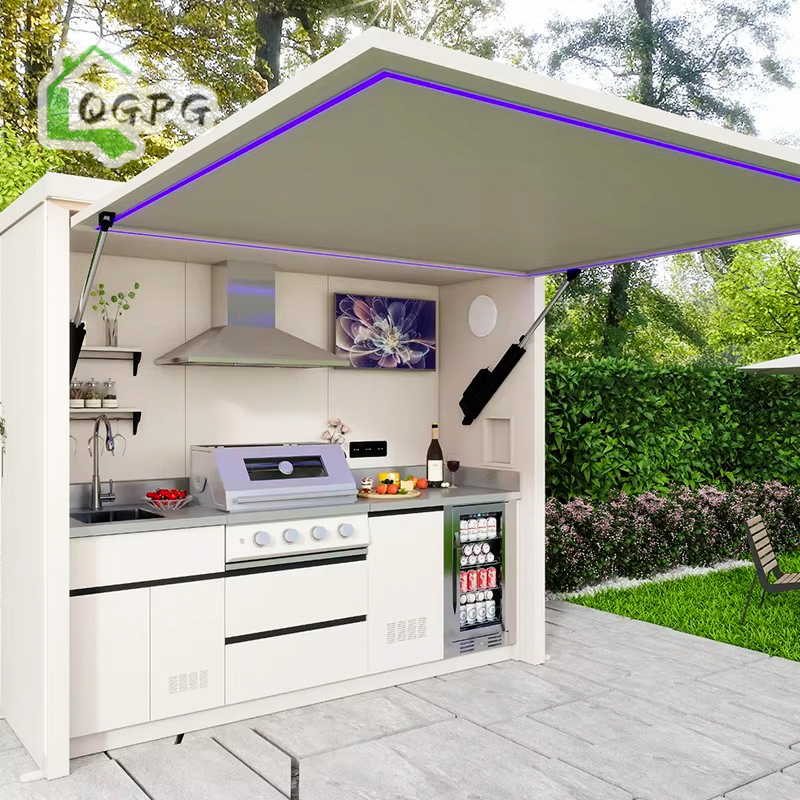
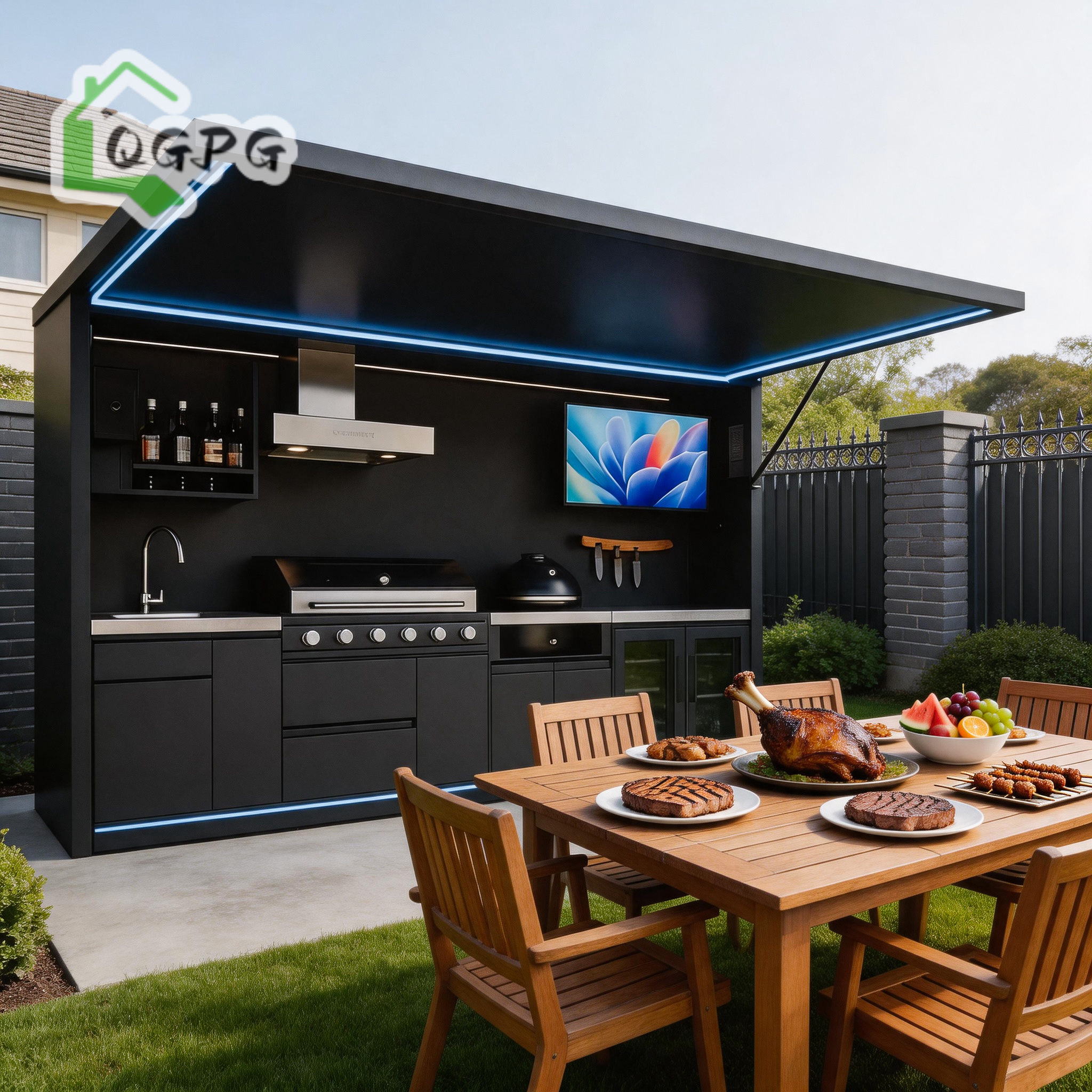
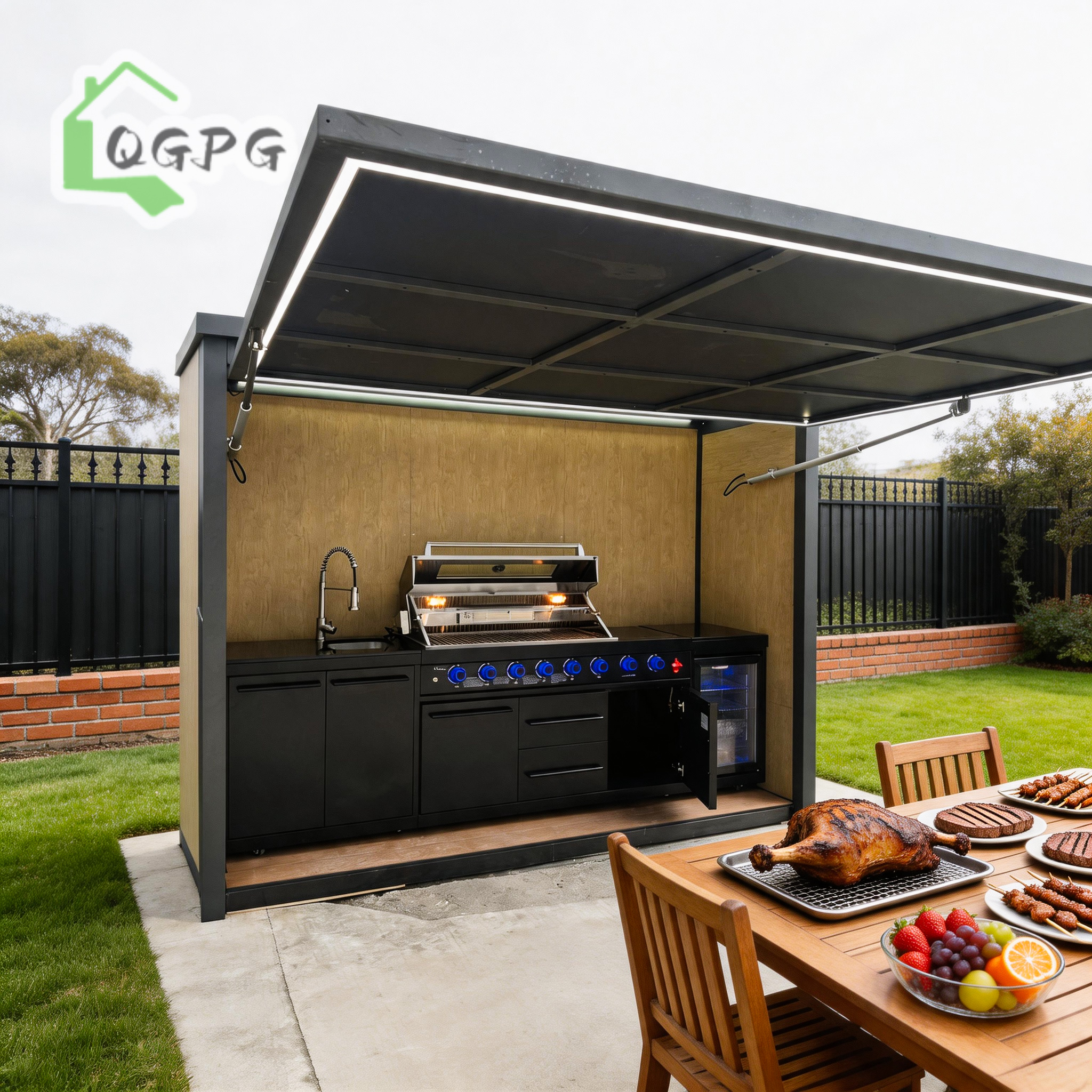
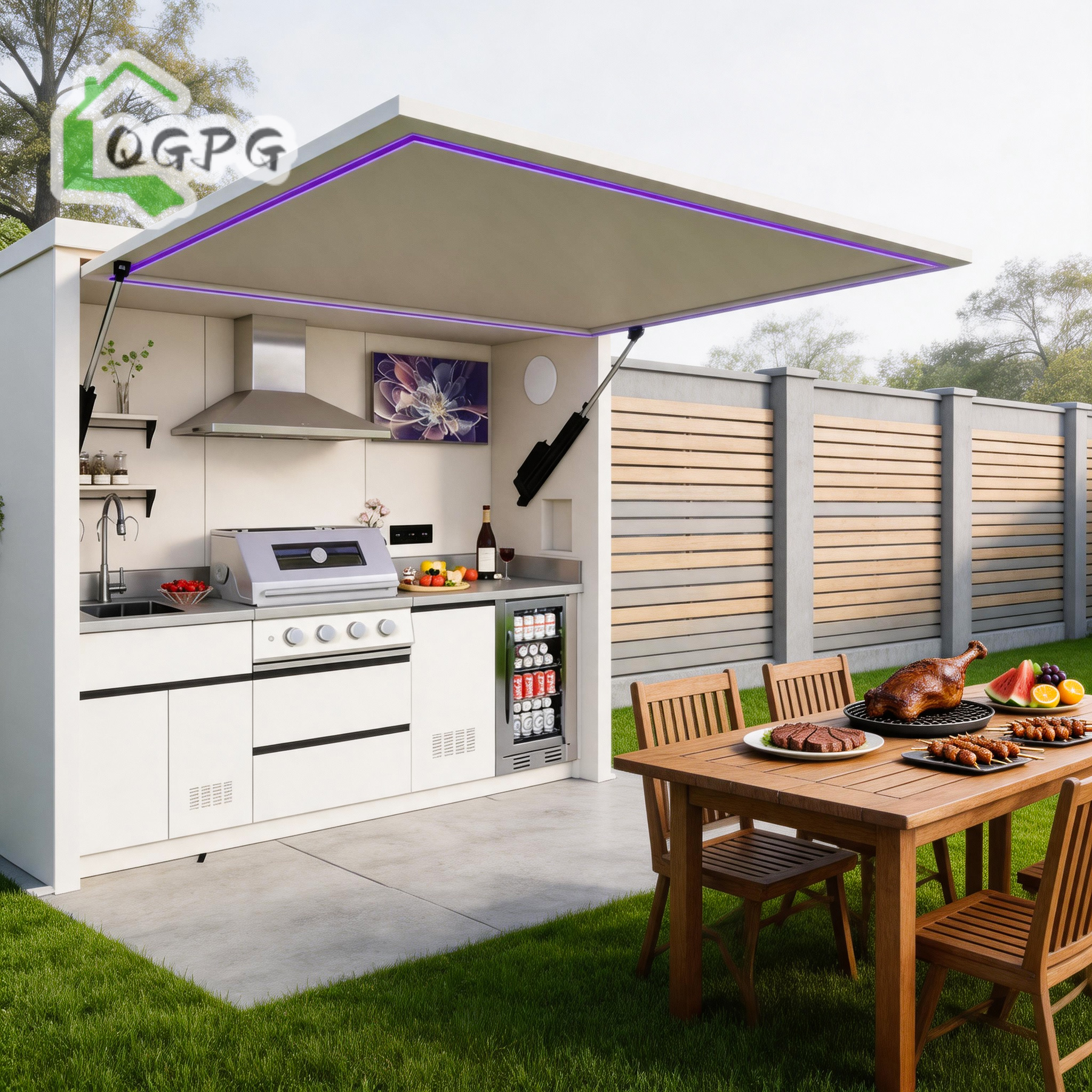
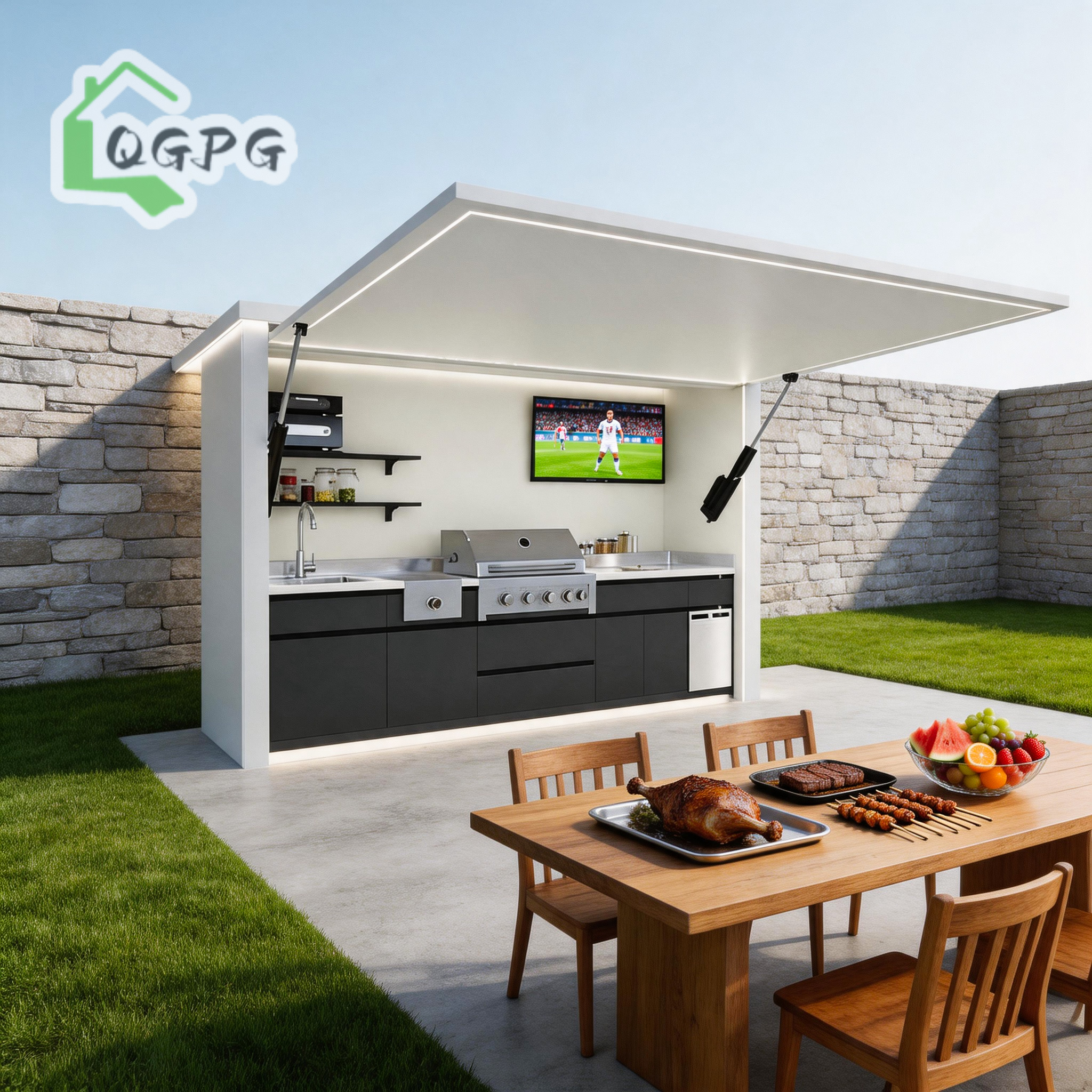
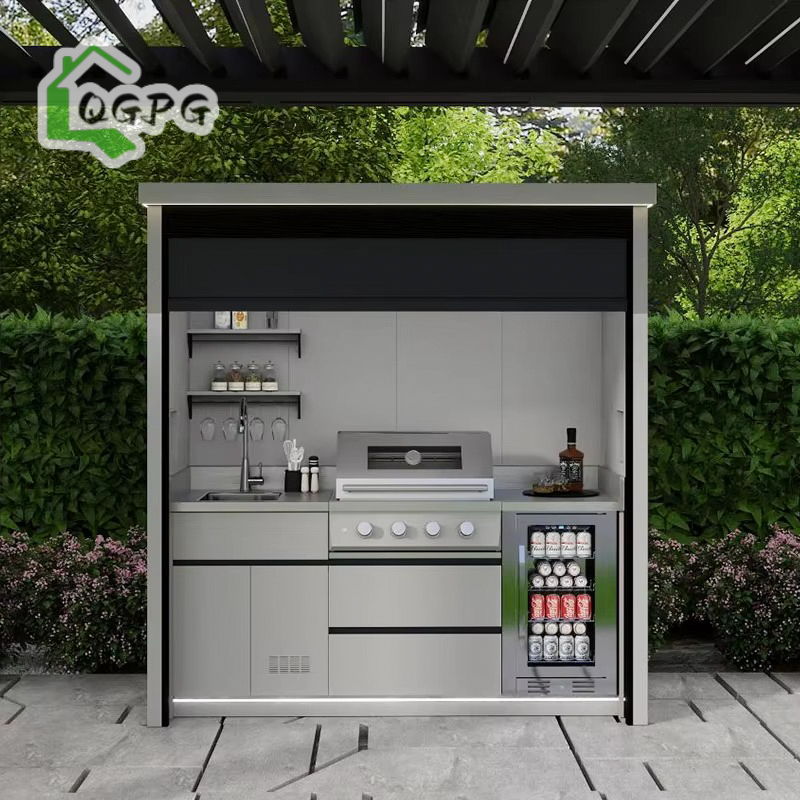
| Hydraulic Pod / Kitchen Station | Push-Button (Instant) | Ships complete as integrated ISO unit | Category 12 (Marine-Grade 304 SS) | Commercial Hospitality, Resort BBQ Pods |
3. Strategic Sourcing & Procurement Trends (2025–2030)
As global supply chains place higher value on carbon footprint optimization and rapid capital expenditure deployment, procurement strategies within the prefabricated housing market are undergoing three core shifts:
1. Volumetric Freight Optimization (VFO)
International sea freight rates remain volatile. Industry procurement now prioritizes high volumetric fold ratios. Advanced folding mechanisms developed by Hebei BSU allow up to 80% reduction in transport volume compared to static modular boxes, allowing 12 complete folded structures to fit into a single 40-foot high-cube shipping container. This drastically lowers land transport and oceanic shipping overhead per square meter.
2. Off-Grid Hybrid Energy & Water Integration
Future-ready expandable homes are increasingly ordered with factory-integrated photovoltaic (PV) solar roof arrays, lithium energy storage system (ESS) prep-work, and greywater recycling loops. B2B buyers now request "off-grid readiness," allowing rapid deployment in remote locations lacking utility grid infrastructure.
3. ESG & Circular Material Compliance
With stringent global building sustainability regulations, steel-framed modular buildings are taking market share from timber-frame structures. Cold-formed steel frames are 100% recyclable, produce zero on-site construction waste, and eliminate deforestation impacts. Furthermore, non-toxic MGO (Magnesium Oxide) board substrates replace traditional plywood, ensuring fire protection (Class A non-combustible) and mold immunity.
4. B2B Procurement FAQ: Expert Guidance for Importers & Developers
Below are analytical answers to crucial technical questions raised during technical audits, design approval phases, and international trade contract negotiations.
Which container house type is optimal for my specific project application?
How does Hebei BSU ensure compliance with regional electrical and plumbing codes?
What engineering measures protect expandable units against water ingress and winter thermal bridging?
What is the verified structural lifespan and wind/seismic rating of these structures?
How are units packaged to prevent damage during long-distance ocean transport?
Can B2B buyers audit the production facility prior to releasing order deposits?
Ready to Scale Your Prefabricated Housing Sourcing?
Submit your architectural CAD drawings, site requirements, or projected volume targets. Our engineering team provides complete structural calculations, floorplan layouts, and formal CIF/FOB wholesale quotations within 24 hours.
Get a Quote