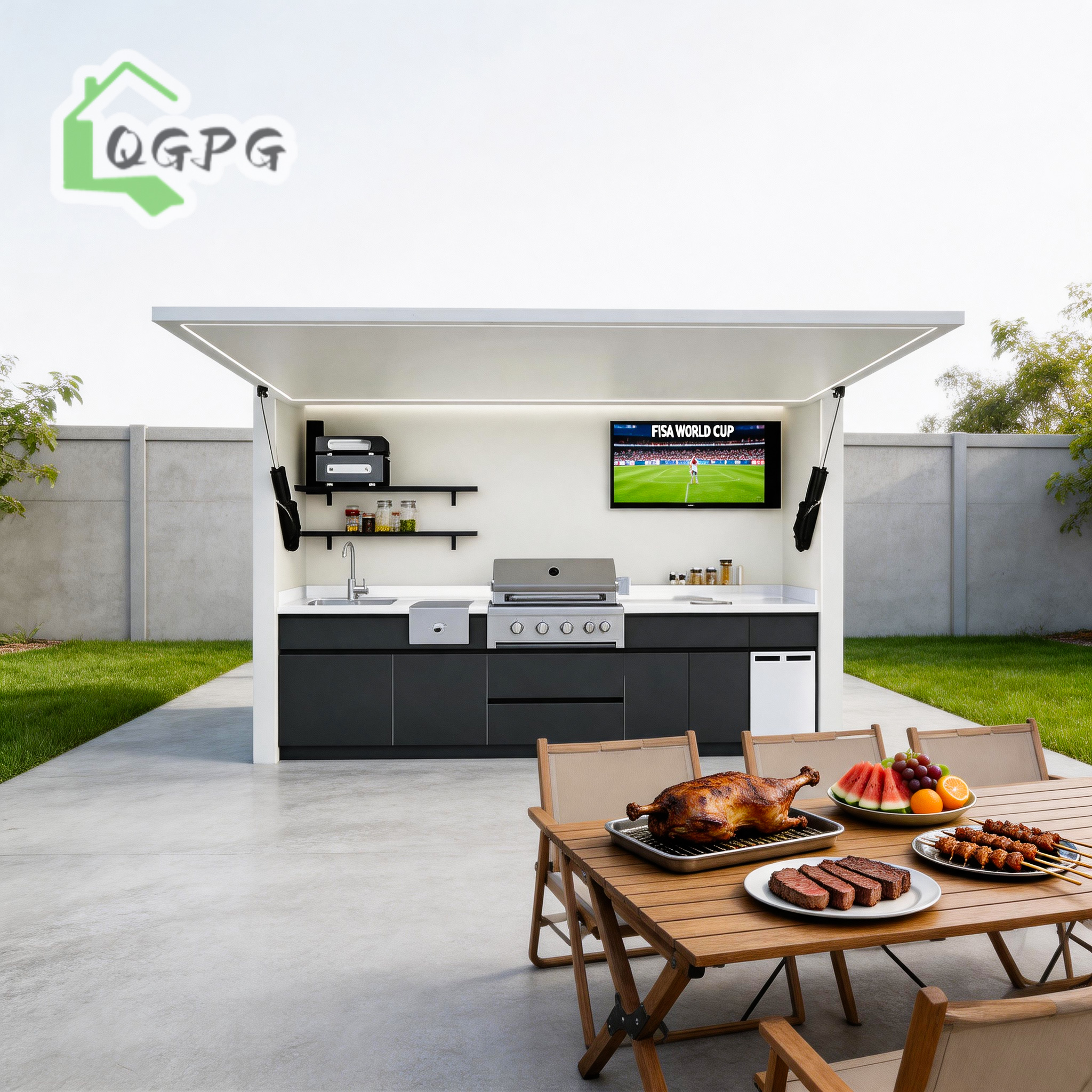
Premium Stainless Steel Motorized Retractable Roof All-Weather BBQ Pod Built-in Grill Sink Storage for Terrace Patio CE
- 304 Stainless Steel Casing
- Automated Retractable Roof
- CE Weatherproof Certified
Explore top-tier prefabricated shipping container buildings, expandable modular homes, and motorized hydraulic kitchen pods designed for global commercial and residential applications.
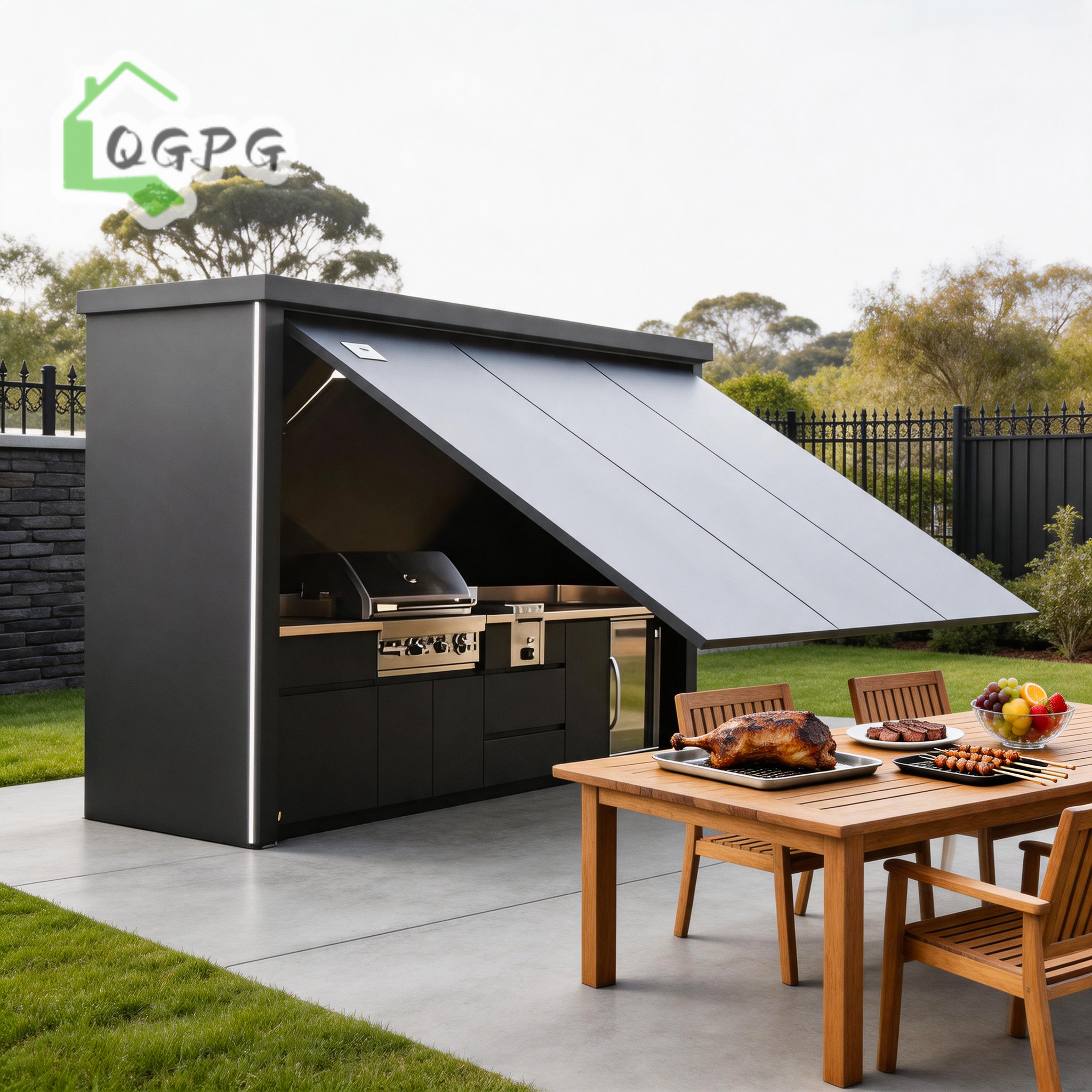
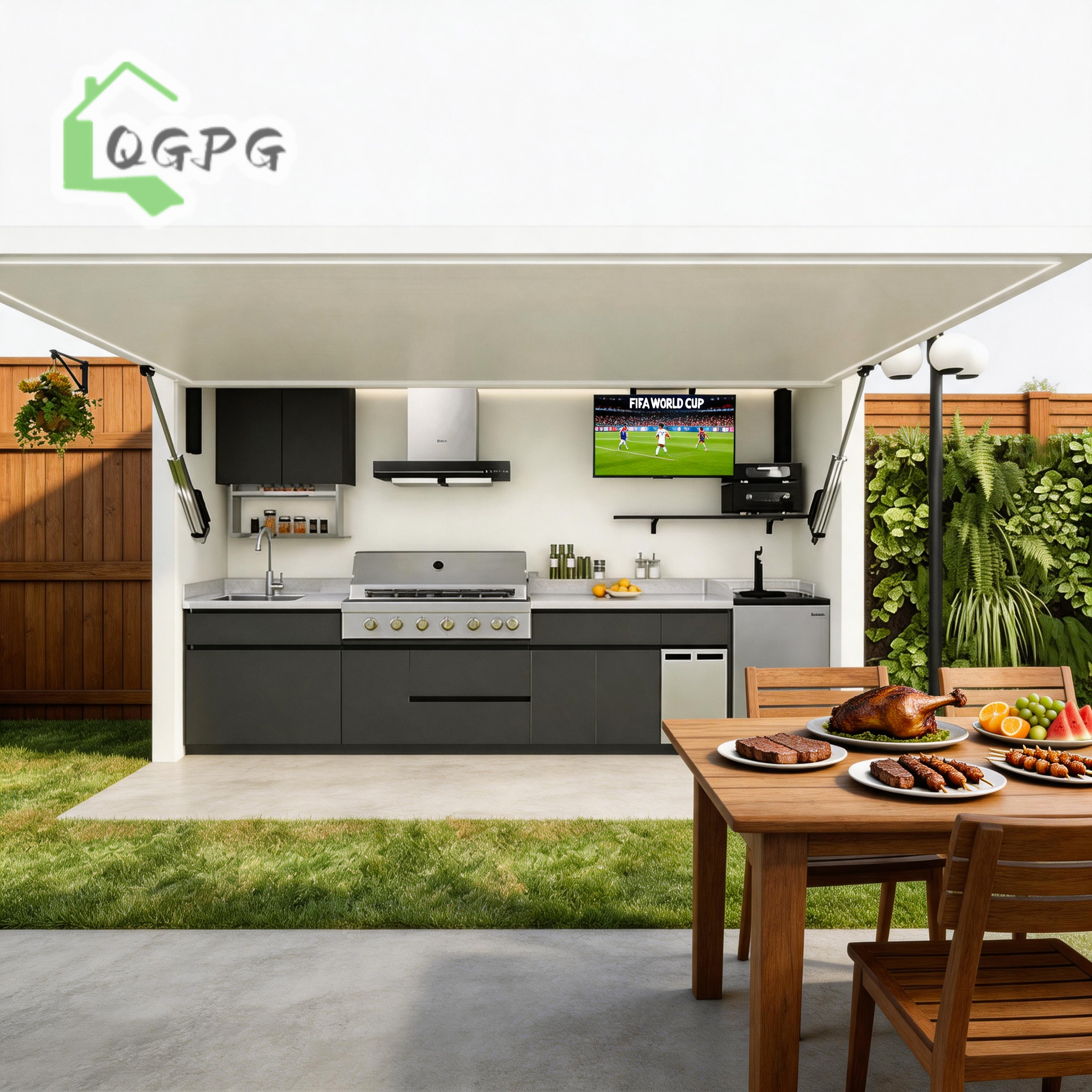
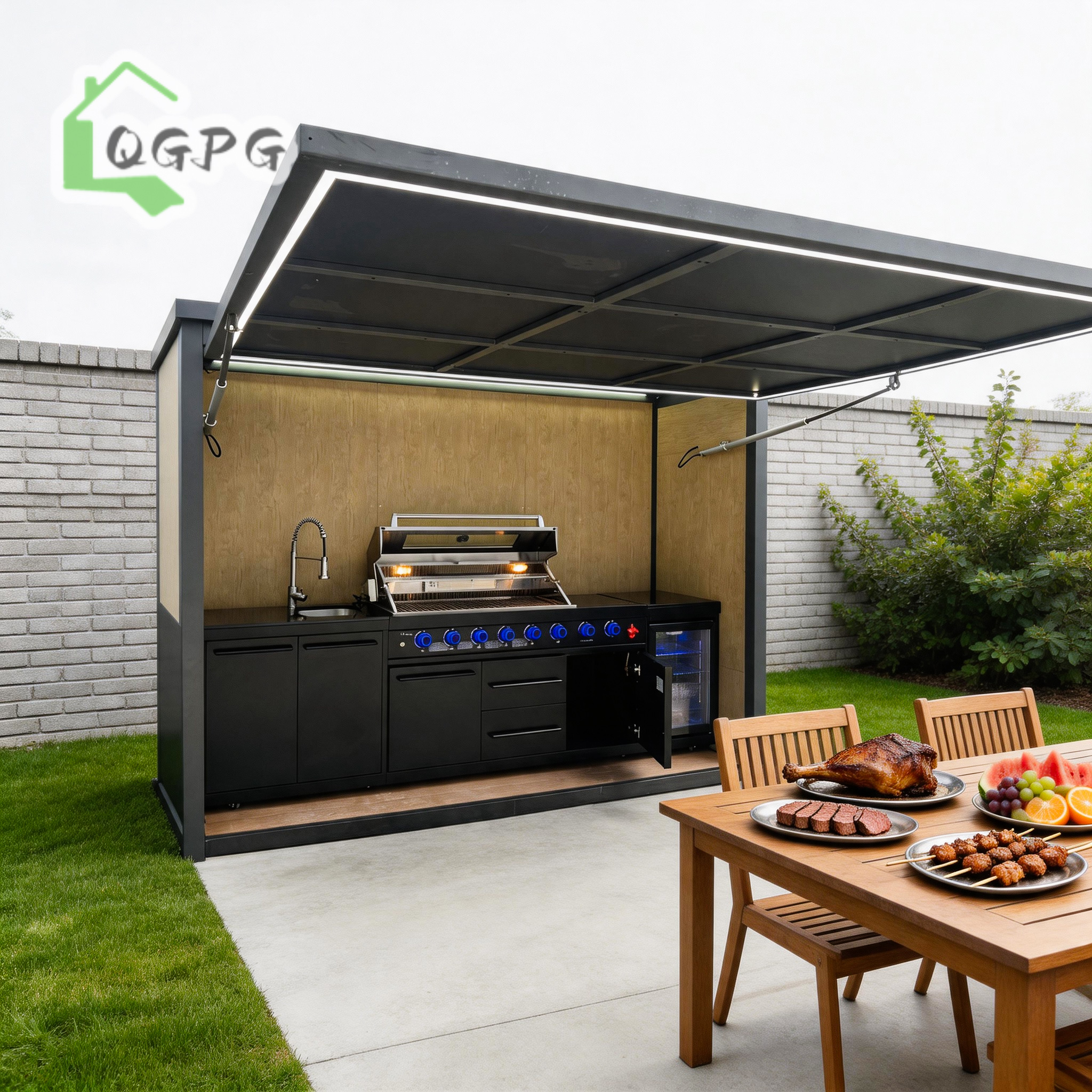
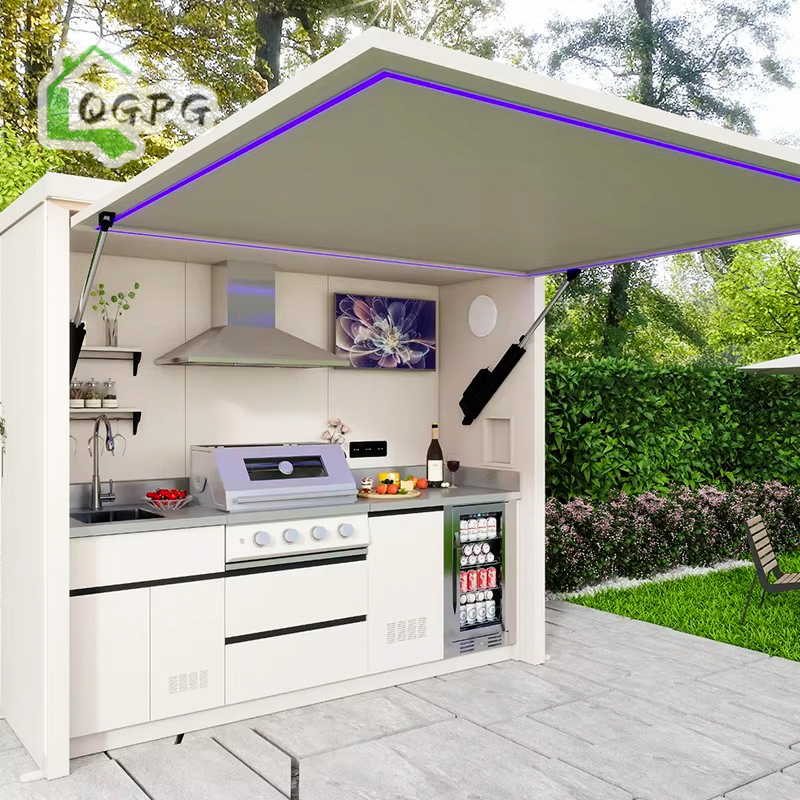
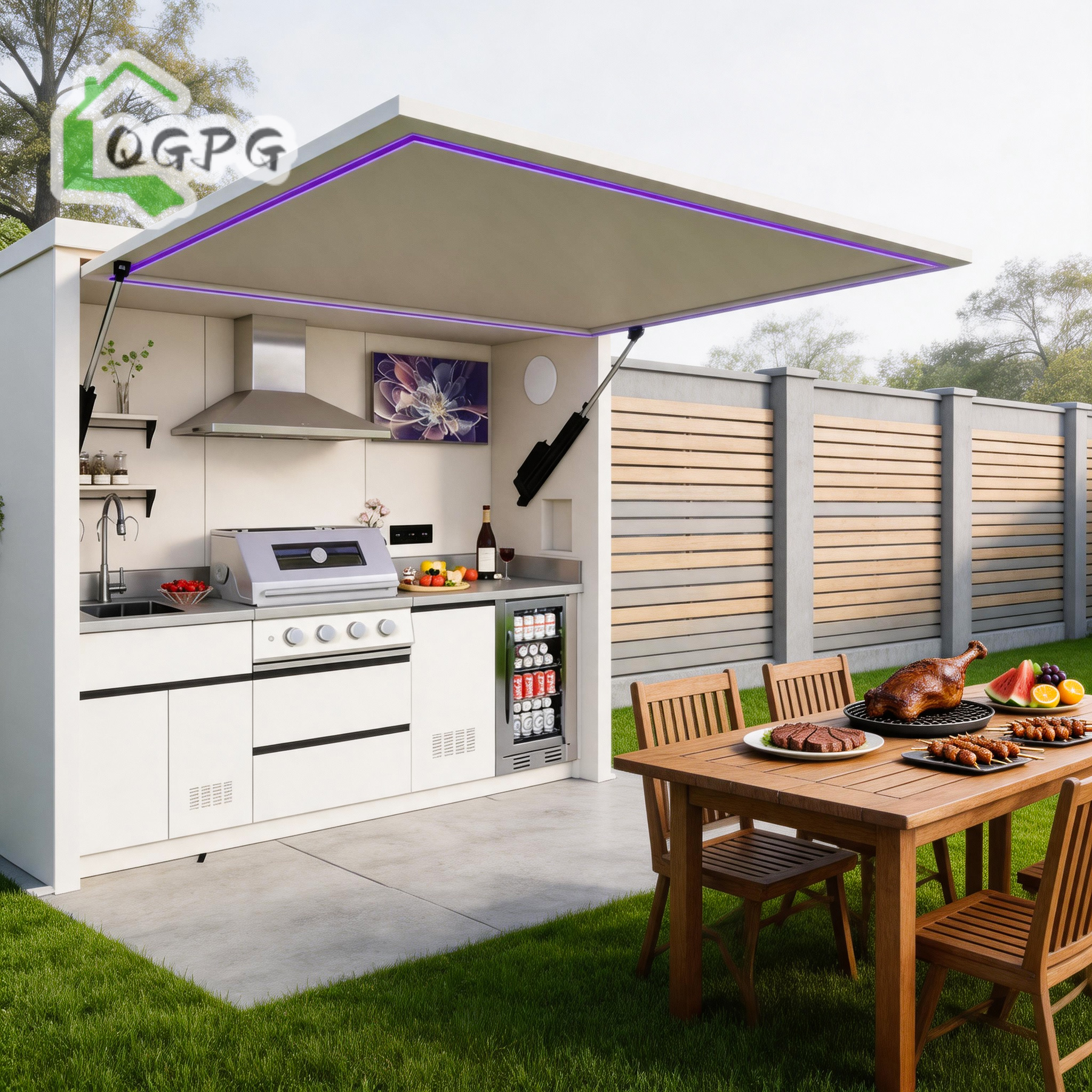
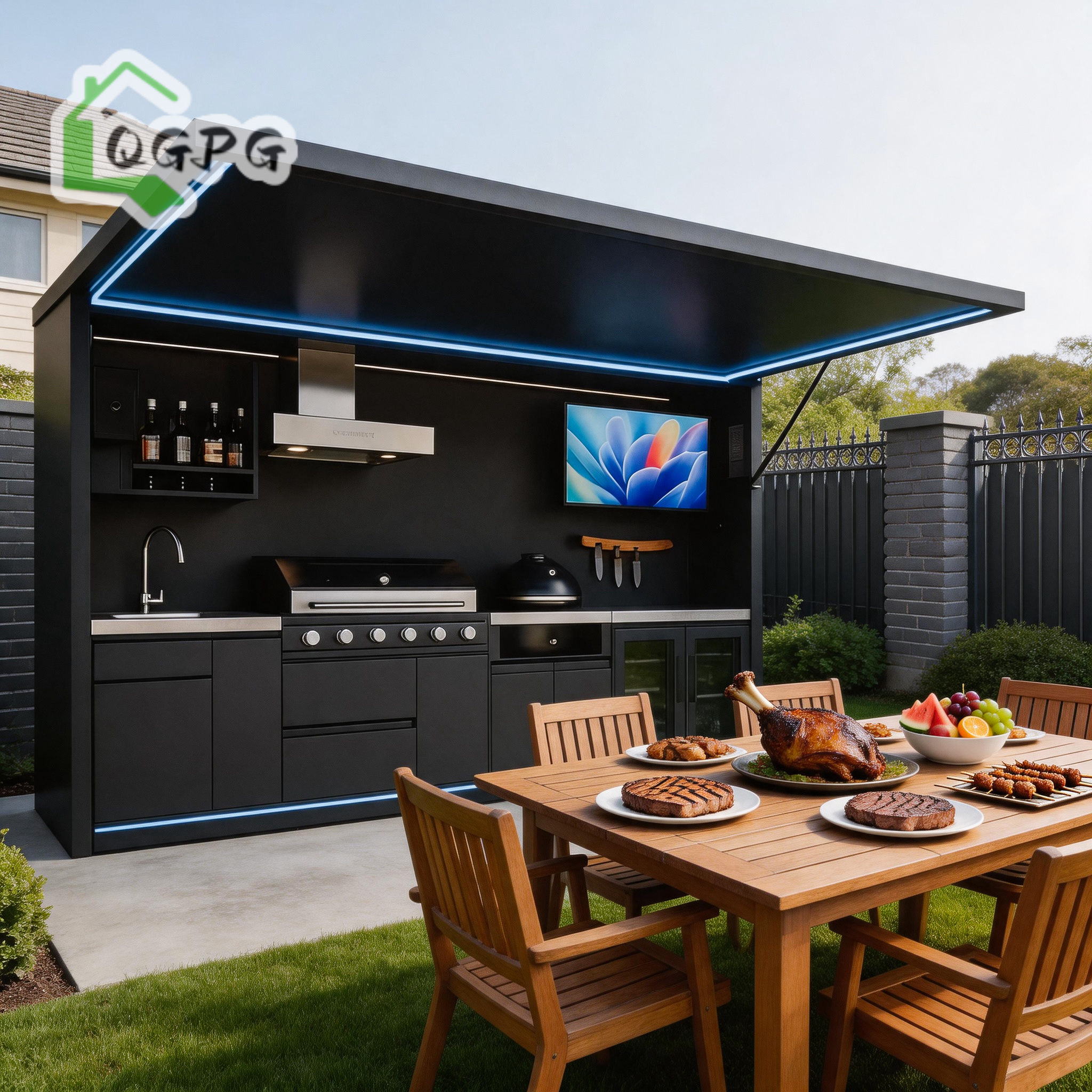

Navigating overseas procurement requires absolute supply chain transparency, validated structural engineering, and verified compliance credentials.
Hebei BSU Building Materials Technology Co., Ltd. operates under rigorous third-party verified standards. Our facility holds official Intertek on-site audit verification as a bona fide Custom Manufacturer, guaranteeing authentic production capacities, legal standing, and quality control execution.
Unlike basic assembly brokers, BSU maintains in-house structural engineering teams capable of integrating complex motorized hydraulics, automated retractable roof canopy mechanics, and heavy-duty structural steel framing (Q235B/Q355B) tailored to regional building codes.
From modular labor camps and site offices to luxury 304 stainless steel outdoor kitchen pods and expandable steel villas, BSU manages the full production lifecycle: architectural CAD/BIM modeling, structural welding, thermal panel insulation, plumbing/electrical pre-wiring, and export packing.
Selecting the wrong modular system can exponentially increase ocean freight costs or on-site assembly labor. Below is an engineering comparison of primary modular building systems manufactured in China.
| Modular Building Type | Structural Frame & Metallurgy | Thermal Insulation Options | Assembly Speed / Labor Hours | Freight Volume Optimization | Primary Commercial Use |
|---|---|---|---|---|---|
| Expandable Container House | Hot-Dip Galvanized Q235B Steel ($\ge 120g/m^2$ Zinc) | 50-75mm EPS / Rockwool / PU ($\lambda \le 0.022 W/m\cdot K$) | 2 Hours / 4 Workers (Folding Wing Mechanism) | 1 Units per 40ft HQ Shipping Container | Resort Cabins, Residential Villas, Mobile Clinics |
| Folding Container House | Integrated Hinge Steel Frame + Anti-Corrosion Coating | 50mm Glasswool / EPS Sandwich Panel | 10 Minutes / 2 Workers (Crane Lift Unfold) | 10-12 Units per 40ft HQ Container | Emergency Relief, Mining Camps, Temporary Housing |
| Flat Pack Container Unit | Cold-Formed Bolted Frame (C5 Anti-Corrosion Rated) | 60-100mm High-Density Rockwool (Non-combustible Class A) | 3 Hours / 3 Workers per single module | 4 Units bundled as ISO 20ft Flat Rack / 8-10 in 40ft HQ | Multi-Storey Site Offices, Modular Workforce Camps |
| Detachable Container Unit | Knock-Down Steel Sections with Bolt Connectors | 50mm Insulation Board with Steel Skin | 4 Hours / 2 Workers (Panel-by-Panel) | 11-14 Units per 40ft HQ Container | Low-Budget Site Compounds, Remote Construction HQ |
| Hydraulic / Motorized Pods | 304/316 Stainless Steel Shell & IP65 Actuators | Double-Skinned Sealed Thermal Break Panel | 100% Factory Pre-Assembled (Plug & Play) | Shipped intact inside standard High Cube Container | Luxury Outdoor Kitchens, Hospitality Pods, Commercial BBQ |
In modular construction, structural longevity is dictated by metallurgical treatment and environmental sealing. Hebei BSU enforces rigorous material standards to withstand extreme weather conditions, coastal high-salinity atmospheres, and seismic activity:
Technical Note for Procurement Officers: All electrical fittings, distribution boxes, sockets, and LED lighting systems installed by BSU can be customized to comply with regional certification requirements, including CE (Europe), SAA (Australia), and UL/NEMA standards (North America).
Understanding market shifts enables B2B buyers, contractors, and developers to optimize Total Cost of Ownership (TCO) and stay ahead of regulatory demands.
The historical model of buying bare container shells is rapidly declining. Modern procurement focuses on turnkey, fully integrated pods. Equipment like motorized hydraulic canopies, built-in 304 stainless steel outdoor kitchen stations, pre-plumbed sanitation pods, and smart HVAC controls are now integrated direct at the factory stage to eliminate expensive local trade labor costs.
With volatile maritime shipping rates, global buyers are prioritizing modular systems optimized for cube-utilization. Folding container houses (stacking 10 units per container) and flat-pack systems are replacing rigid traditional containers for large workforce accommodations, drastically reducing freight cost per square meter of usable space.
Government mandates across Europe, North America, and Australia are driving strict energy efficiency targets. Modern modular container buildings incorporate thermal breaks, low-E double glazing, recyclable steel framing, and integrated solar microgrids, achieving near-zero energy building (NZEB) benchmarks.
How Hebei BSU guarantees zero-defect deliveries for overseas container house and modular pod orders.
Detailed 3D models, load-bearing calculations, and plumbing/electrical schematics are submitted for buyer approval prior to raw material cutting.
Steel thickness verification ($\pm 0.1mm$), zinc coating testing, and stainless steel grade spectroscopic checks (304 vs 316 verification).
Automated robotic welding and manual certified structural welds. Frames are tested for dimensional tolerance and diagonal squareness.
For hydraulic lift outdoor kitchens and motorized retractable roof pods, canopy deployment is cycled multiple times under rain-simulation rigs.
High-voltage dielectric strength testing for pre-installed wiring, followed by 360-degree high-pressure water spray tests on roof seals.
Units are packed with heavy-duty corner guards, shrink wrap, and steel strapping. Complete loading diagrams and packing lists are provided.
Essential technical, logistical, and commercial details for ordering container buildings and modular pods from China.
Connect directly with Hebei BSU’s engineering and export sales team. Receive a preliminary design proposal, freight estimate, and detailed structural specification within 24 hours.