Engineering-Grade Prefabricated Modules & Integrated Structures
Directly sourced from Intertek-assessed manufacturing facilities. Designed for rapid assembly, climate resilience, and standardized sea transport compliance.
Understanding the Shift in Modular & Containerized Structural Procurement
The global prefabricated container housing market has transitioned from basic temporary shelter solutions to high-performance, structural-grade architectural assets. For international commercial developers, mining camp administrators, government contractors, and resort operators, selecting the right export supplier requires evaluating manufacturing integrity beyond surface finishes. Evaluating factory-direct suppliers like Hebei BSU Building Materials Technology Co., Ltd. involves analyzing cold-formed structural steel calculations, thermal break engineering, structural load capacity, and sea-freight packaging efficiency.
This procurement whitepaper synthesizes physical testing data, Intertek factory auditing metrics, and multi-regional compliance criteria to establish an objective framework for sourcing modular units, expandable container homes, site offices, and integrated utility pods globally.
Engineering Architecture Comparison & System Selection
Every modular project exhibits distinct site constraints, transport parameters, and labor cost variables. The matrix below outlines structural load capacities, assembly speeds, and logistics efficiency factors.
| Module System | Structural Framing | Thermal Envelope | Deployment Velocity | 40HQ Shipping Density | Primary Application |
|---|---|---|---|---|---|
| Expandable Container Homes | Q235B Galvanized Steel + Dual-Hinge Wing Frames | 75mm PIR / PU / Rockwool (R-18 Equivalent) | 2 Hours (3 Workers) | 1 Unit / 40HQ (Fully Fitted) | Residential Villas, Holiday Resorts, Remote Cabins |
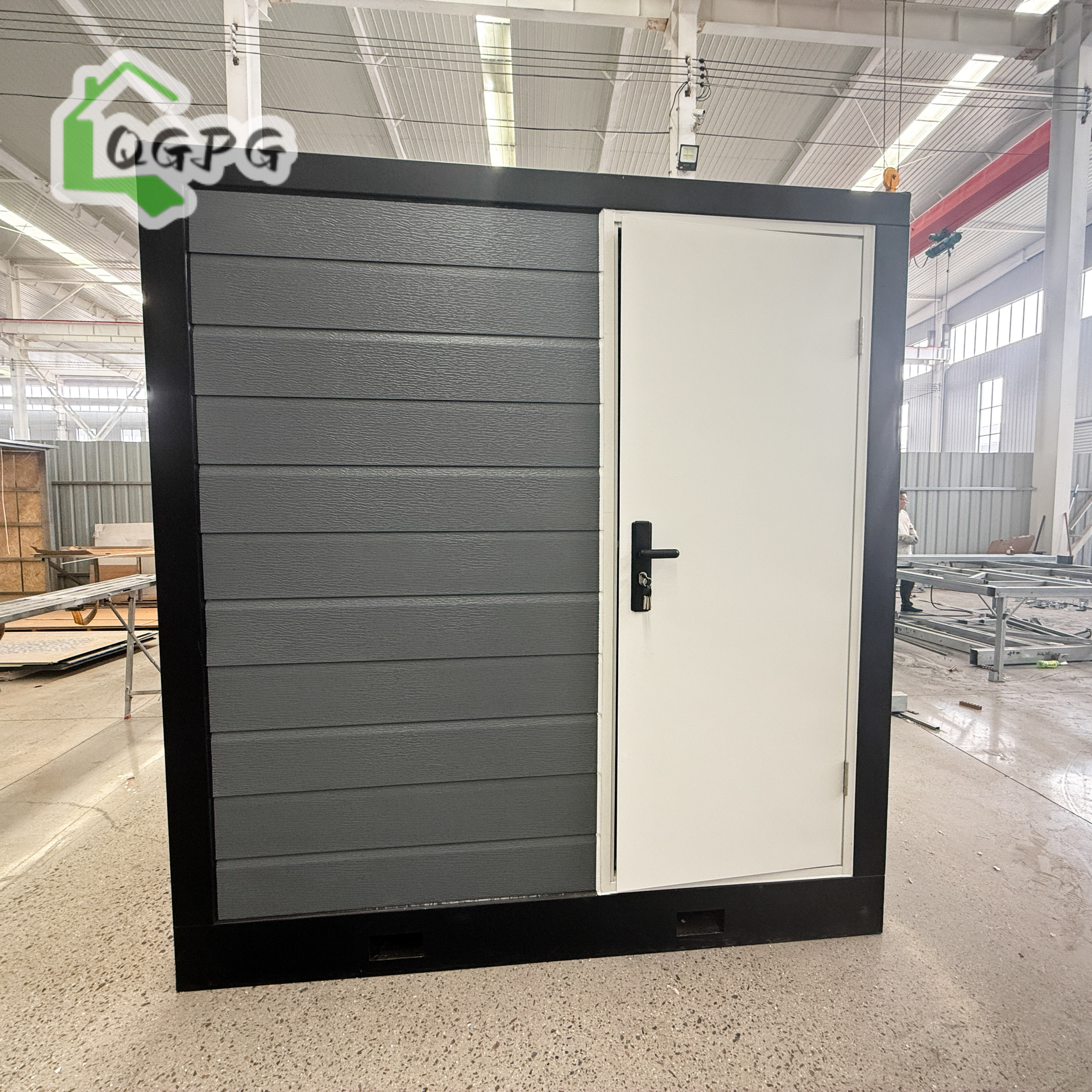
| Folding Container Units | Articulated Integrated Steel Skeleton with Safety Locks | 50mm EPS / Glass Wool Panels | 10 Minutes (Crane Assisted) | 10-12 Units / 40HQ Container | Disaster Relief, Military Camps, Rapid Emergency Housing |
| Flat Pack Container Units | Corner Casted ISO Standard Frame (3mm Profile) | 60-100mm Mineral Wool / PIR Panels | 3 Hours (4 Workers per Module) | 4 Stacked Units per SOC Package | Multi-Storey Site Offices, Worker Accommodations |
| Detachable Container Units | Knock-down Bolted Steel Frame & Column Units | 50-75mm Custom Color Steel Sandwich Panels | 4 Hours (Bolted Assembly) | 15 Units / 40HQ Shipping Container | Educational Facilities, Medical Clinics, Mobile Stores |
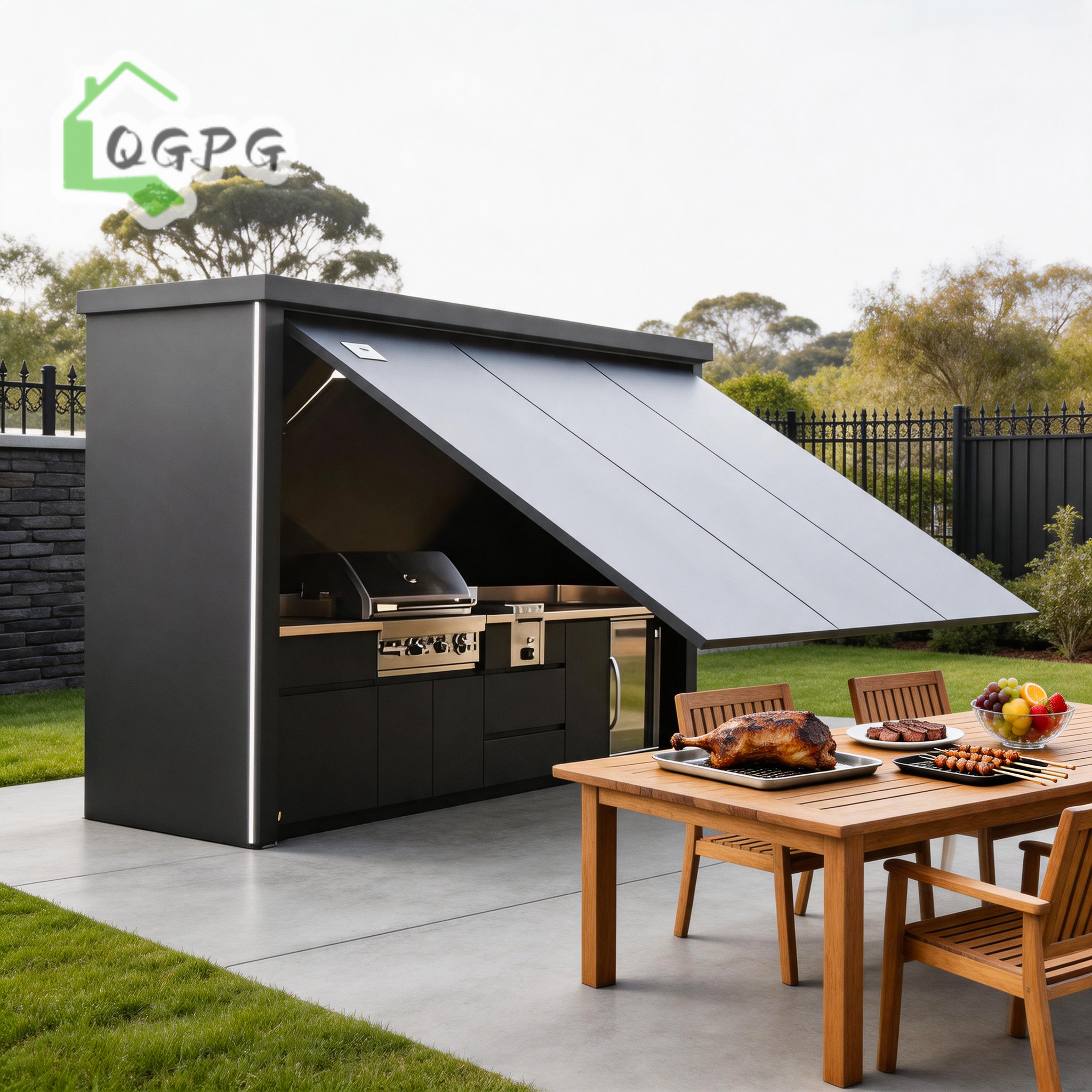
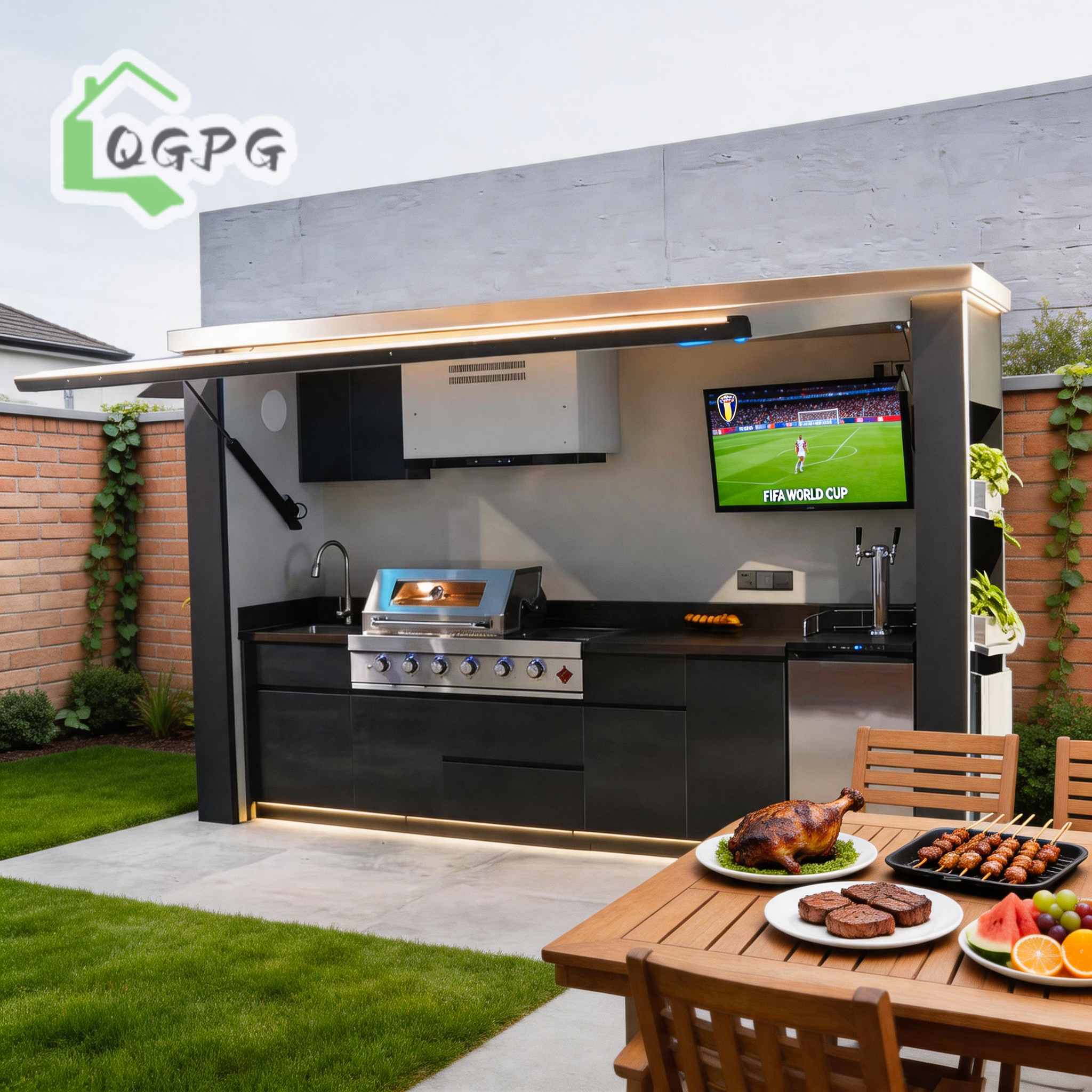
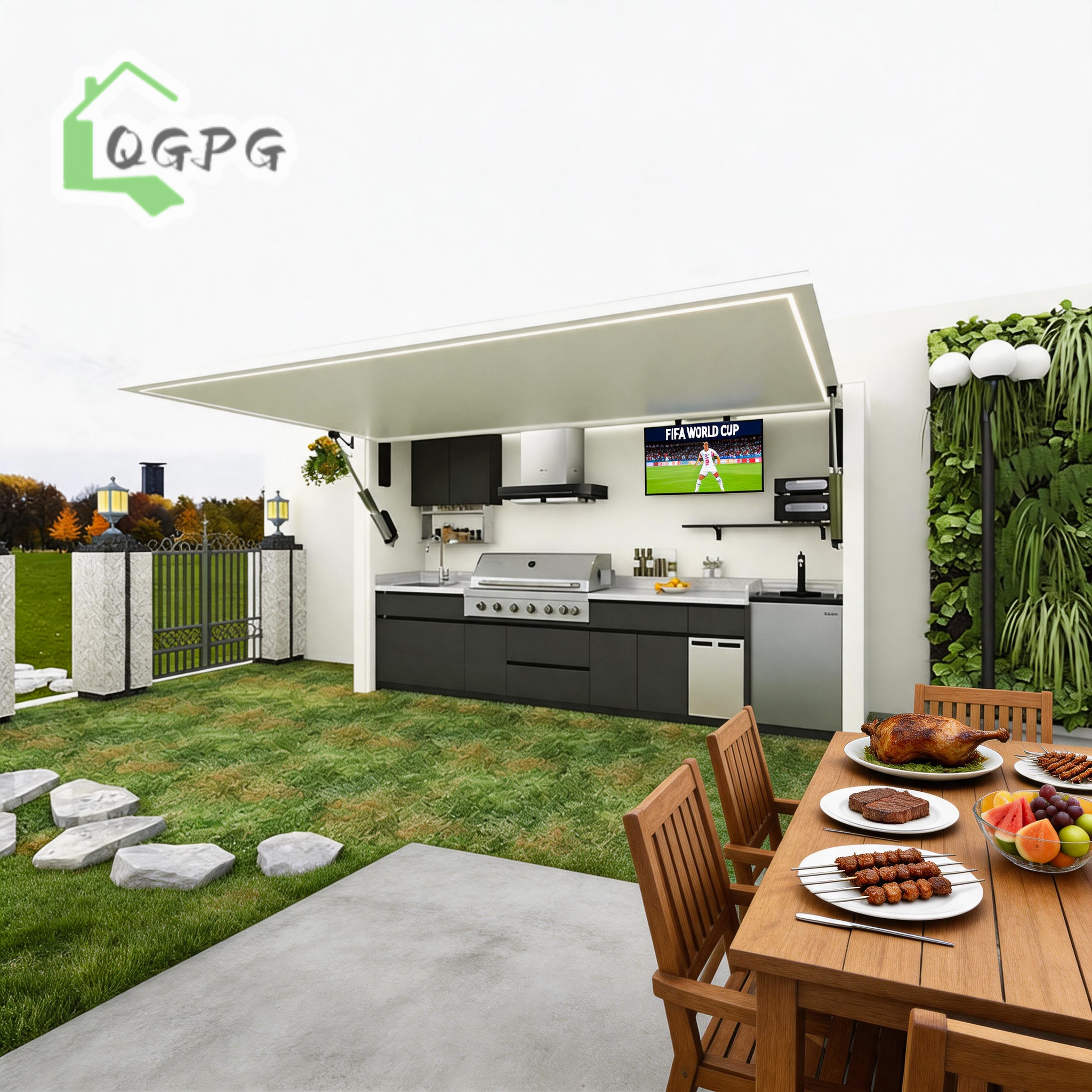
| Motorized / Hydraulic Kitchen Pods | Marine-Grade 304 Stainless Steel & Aluminum Chassis | Dual-Skin Weatherproof Insulation | Instant Plug & Play Integration | Custom Flat-Rack or Standard FEU Load | Commercial Resort Patios, Outdoor Hospitality, Event Hubs |
Future Procurement Trends in Modular Construction (2025–2030)
Strategic buyers are shifting from initial unit-cost evaluations toward Total Cost of Ownership (TCO) and Life Cycle Assessment (LCA) frameworks. key trends defining global B2B procurement include:
1. Smart Actuation & Automated Expandability
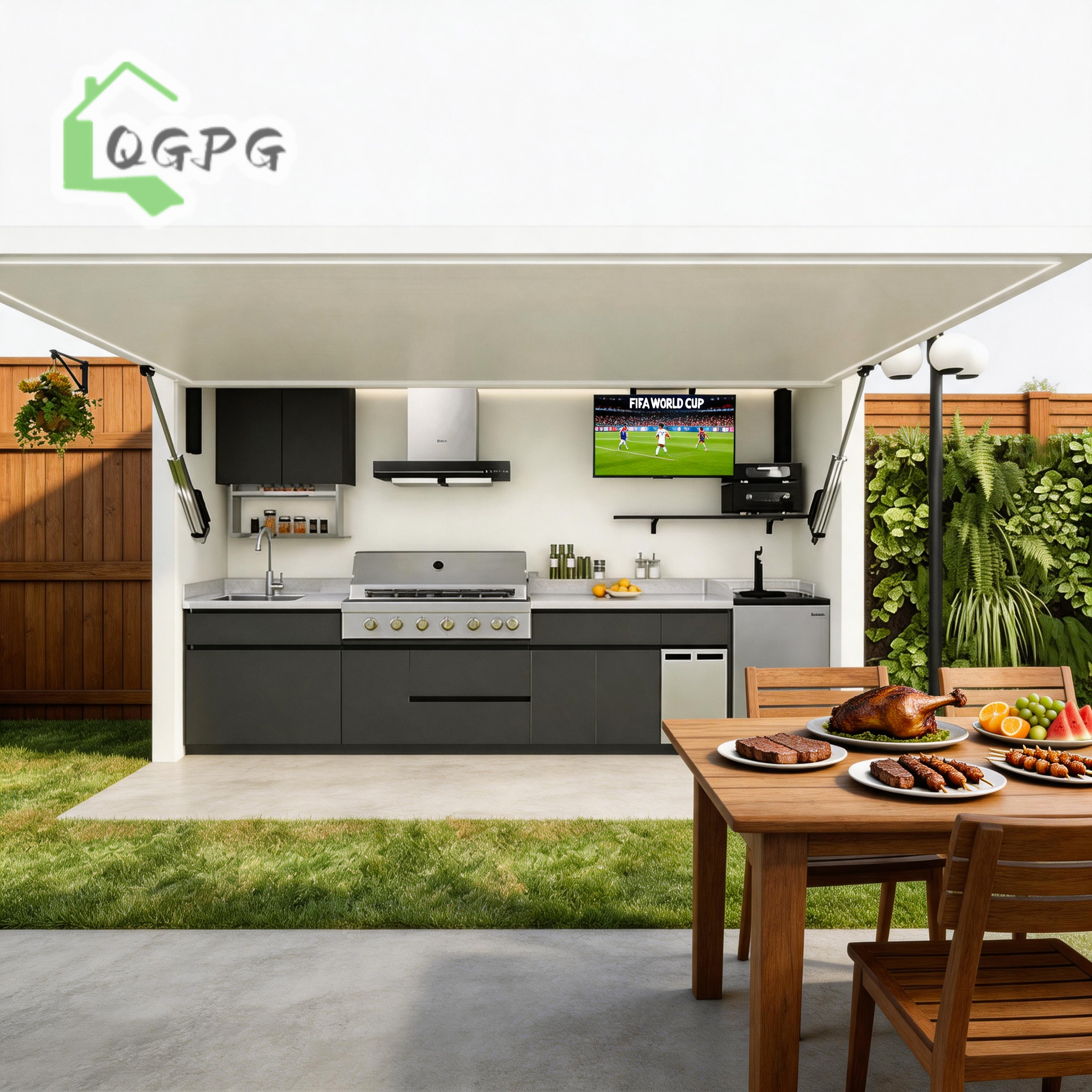
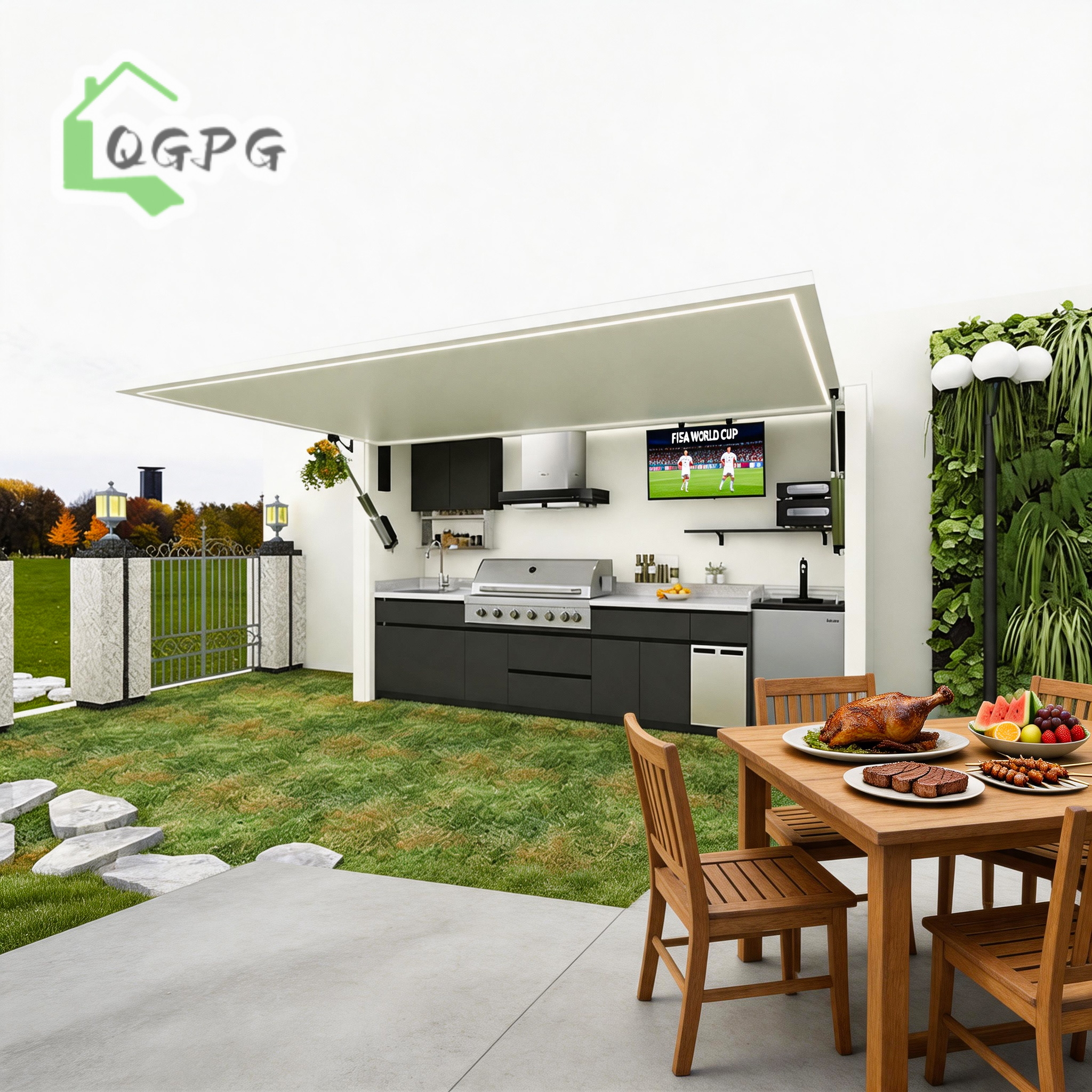
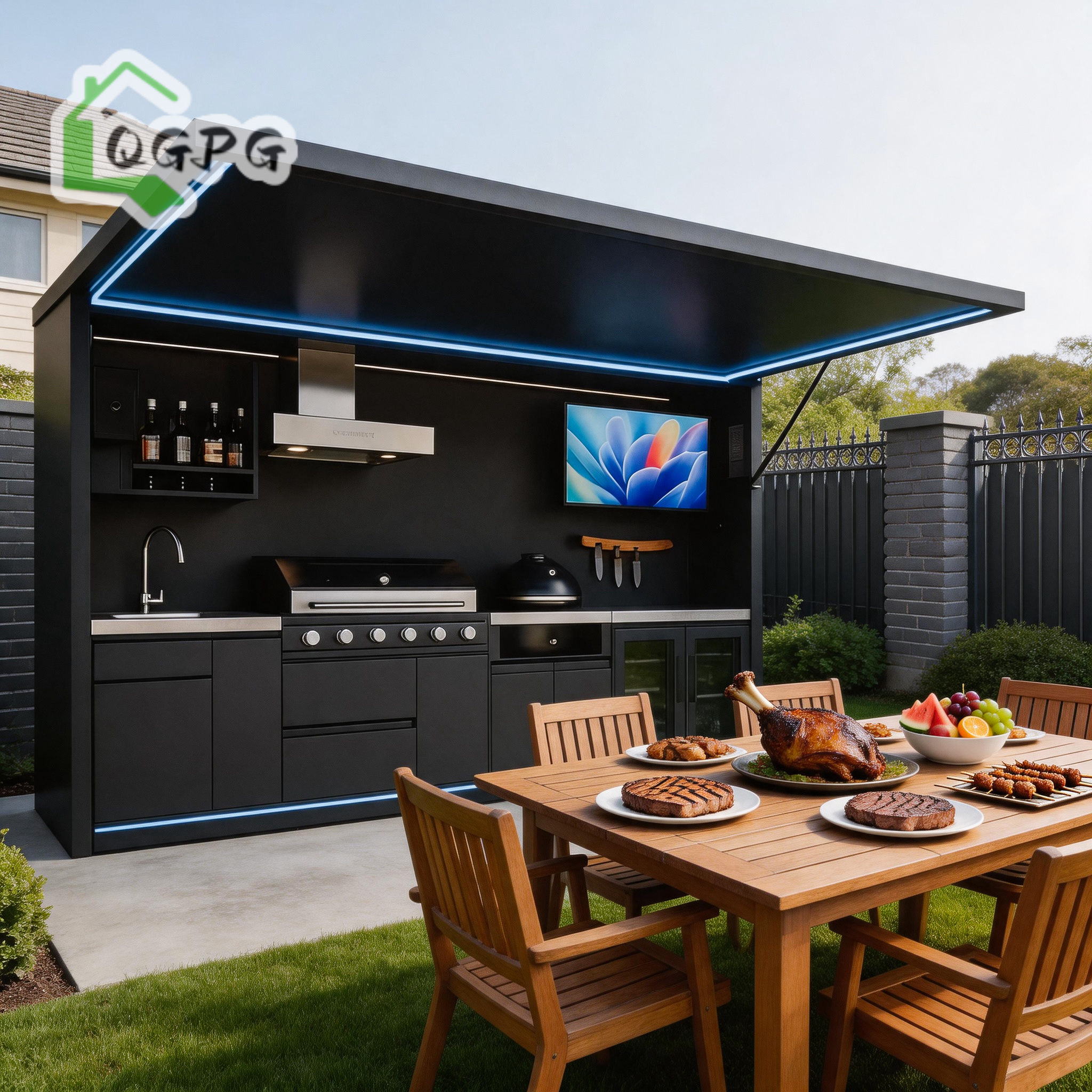
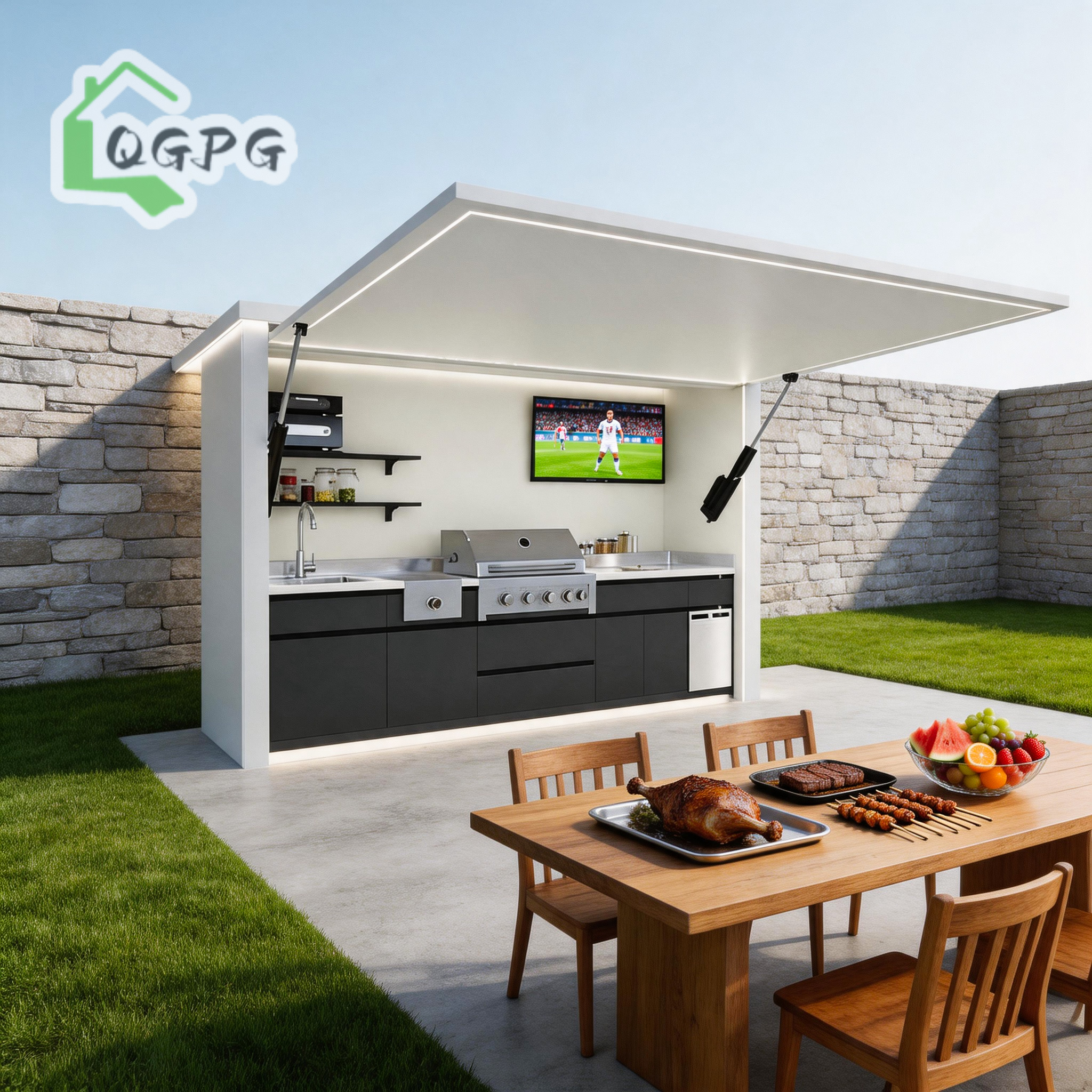
Traditional manual unfolding mechanisms are being replaced by high-torque electric actuator systems and hydraulic lift platforms. As seen in modern 304 stainless steel kitchen and housing pods, remote-controlled canopy expansion reduces site setup labor costs by over 80% while enhancing structural seal consistency.
2. Ultra-Low Thermal Bridge Architecture
Regulators in Europe, North America, and Australia are enforcing stringent building energy codes (e.g., NCC Section J, Title 24). Manufacturers now incorporate structural thermal breaks, Polyisocyanurate (PIR) cores, and triple-glazed argon-filled windows to minimize HVAC power draws in extreme desert or Arctic environments.
3. Standardized Plug-and-Play Mechanical Pods
To mitigate skilled trade shortages at project destinations, global buyers demand pre-plumbed, pre-wired, and certified MEP (Mechanical, Electrical, Plumbing) sub-assemblies. Modular bathroom pods and outdoor kitchen units arrive fully factory-tested with CE, UL, or WaterMark compliant fixtures.
Product Development & Engineering Innovations
The technological trajectory of containerized structures centers on advanced metallurgy, composite material integration, and modular versatility. Modern manufacturing facilities employ continuous roll-forming lines capable of cold-bending high-tensile galvanized steel profiles with tolerances within ±0.5mm.
Corrosion Control & Marine-Grade Coatings
For coastal resort projects and marine environments, structural elements utilize hot-dip galvanized substrates coated with fluorocarbon (PVDF) or epoxy-polyester powder systems. This ensures a design service life exceeding 25 years under high-salinity conditions (C4/C5 atmospheric corrosion categories).
Seismic Isolation & Wind Drag Engineering
Structural frames undergo finite element analysis (FEA) to verify performance against seismic ground accelerations up to Grade 8 (0.3g ground motion) and wind speeds reaching 210 km/h. Corner casting connections are reinforced with gusset plates to prevent frame distortion under lateral shear forces.
Hebei BSU Building Materials Technology Co., Ltd.
An Intertek-assessed custom manufacturer delivering structural modular solutions across six continents. Combining heavy engineering capabilities with complete in-house customization.
- Intertek On-Site Audited: Fully verified manufacturing facility and legal standing.
- 80+ Skilled Engineering Staff: Dedicated structural engineers, CAD draftspersons, and QC specialists.
- Export-Ready Quality Control: Pre-assembly trials, mill test reports (MTR), and waterproof testing prior to loading.
- End-to-End OEM/ODM Support: From structural load calculations to customized electrical standard integration.

Frequently Asked Questions for B2B Procurement Managers
Technical and commercial clarity on importing prefabricated modular structures, structural compliance, and logistical execution.
Request Engineering Catalogs & Factory Price Lists
Partner with a verified manufacturer. Get detailed architectural floor plans, structural load tables, and freight quotation packages tailored to your destination port.