Commercial-Grade Modular Building Systems
Explore our CE-certified factory-manufactured hospitality modules, outdoor kitchen units, and turnkey sanitary pods engineered for resort developments in Suva and the wider Pacific Basin.
Cat 5
Cyclone Wind Rating (280 km/h)
C4/C5
Marine Anti-Corrosion Protection
100%
CE EN 1090-1 Structural Compliance
60%
Faster On-Site Assembly Timeline
Navigating Prefabricated Hotel Procurement in Suva, Fiji
A comprehensive analysis of structural compliance, marine anti-corrosion engineering, and logistics optimization for resort developers, government contractors, and commercial wholesalers.
The Evolving South Pacific Hospitality Architecture Landscape
Suva, as the commercial and administrative heart of Fiji, serves as the primary procurement hub for hospitality expansion across Viti Levu, the Mamanuca Group, the Yasawa Islands, and neighboring Pacific Island Nations (PINs) such as Vanuatu, Samoa, and Tonga. Tourism infrastructure development in this tropical climate faces a complex dual challenge: the necessity for rapid project execution to capitalize on growing tourist volumes, combined with extreme environmental stress factors including high atmospheric humidity, intense solar radiation, aggressive marine salt spray (ISO 9223 C4/C5 atmospheric corrosivity category), and frequent tropical cyclones.
Traditional wet-construction methods—dependent on field-cast concrete and structural masonry—are increasingly unviable for high-end resort expansions and modular hotel investments in the Suva market. On-site construction in remote island locations suffers from compounding supply chain delays, erratic local material costs, limited skilled labor availability, and prolonged environmental disturbance to delicate coastal ecosystems. As a result, commercial developers and wholesale procurement groups are pivoting toward factory-prefabricated, CE-certified steel container modules, expandable luxury villas, and pre-engineered modular hotel units.
Engineering Safeguards for Fiji Microclimates
Deploying prefabricated structures in Suva and surrounding coastal stretches demands rigorous structural engineering that exceeds standard continental building codes. Hebei BSU Building Materials Technology Co., Ltd. incorporates localized microclimate engineering directly into the structural design matrix of all export-bound hotel units:
Structural Integrity & Cyclone Resistance
Constructed with cold-formed, heavy-gauge hot-dip galvanized steel frames conforming to EN 1090-1 standards. Engineered with moment-resisting corner connections capable of withstanding Category 5 cyclonic wind loads exceeding 280 km/h (77 m/s) and seismic forces aligned with South Pacific seismic zone requirements.
C4/C5 Marine-Grade Anti-Corrosion Coating
Steel structural components undergo a multi-stage surface preparation process, including shot-blasting to Sa 2.5 standard, followed by a high-build epoxy zinc-rich primer and a weatherable fluorocarbon or polyurethane topcoat (minimum total dry film thickness > 180μm) to resist salt fog degradation.
Thermal & Acoustic Enclosure
Utilizing high-density, closed-cell Polyurethane (PU) or non-combustible Structural Rockwool sandwich wall panels. Paired with Low-E double-glazed aluminum window frames, providing exceptional thermal isolation against tropical heat while cutting energy consumption from HVAC systems by up to 40%.
Comparative Analysis: Prefabricated Systems vs. Conventional Construction
To assist procurement managers, resort developers, and civil engineering directors in evaluating capital expenditure (CapEx) and operational velocity, the table below provides a empirical comparison between conventional island construction, local timber modular solutions, and BSU’s CE-Certified Prefabricated Steel Hotel Modules:
| Evaluation Criteria | Conventional Concrete Masonry | Local Timber Prefab | BSU CE-Certified Steel Modules |
|---|---|---|---|
| On-Site Build Duration (50-Key Resort) | 14 – 20 Months | 8 – 12 Months | 3 – 5 Months (Turnkey Deployment) |
| Cyclone Resistance Rating | High (Dependent on site QA) | Moderate (Risk of timber rot/structural fatigue) | Extreme (Factory-tested to 280 km/h wind shear) |
| Marine Anti-Corrosion Rating | Medium (Rebar spalling risk) | Low (Fungal decay & termite vulnerability) | C4/C5 Multi-Layer Marine Epoxy Fluorocarbon System |
| CE & International Certification | Varies per local inspector | Rarely certified to international EN codes | 100% Certified (EN 1090-1, ISO 9001, Intertek Assessed) |
| Environmental & Ecological Impact | High (Heavy site excavation & wet pollution) | Moderate (Timber sourcing pressure) | Minimal (Zero-waste factory assembly & clean site fit) |
Localized Application Scenarios in Suva & South Pacific Regions
Our prefabricated structural modular units are engineered to support diverse commercial deployment models across the Fijian archipelago.
Luxury Eco-Resorts & Island Villa Extensions
For resort operators along the Coral Coast, Pacific Harbour, or offshore island destinations accessible via Suva logistics hubs, our Expandable Container Homes and Prefabricated Steel Villas offer fast luxury accommodation expansion.
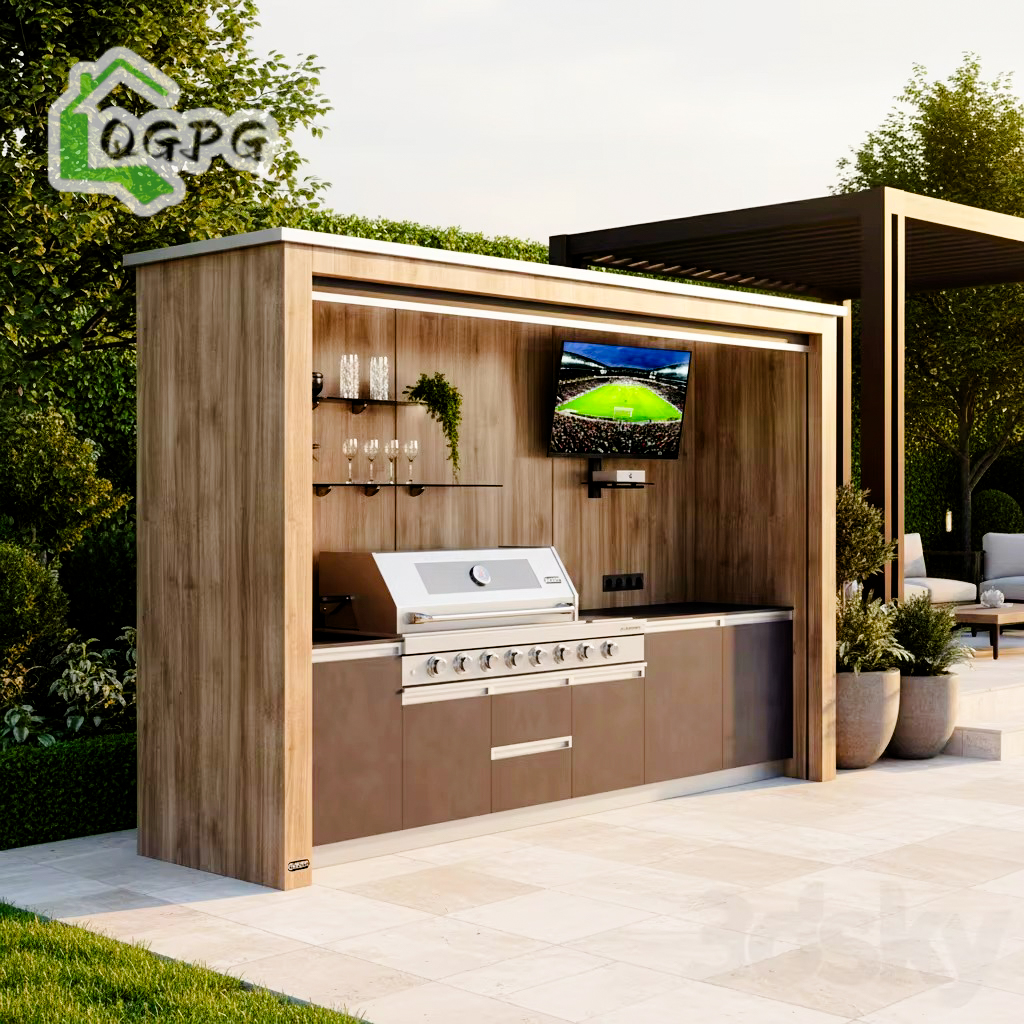
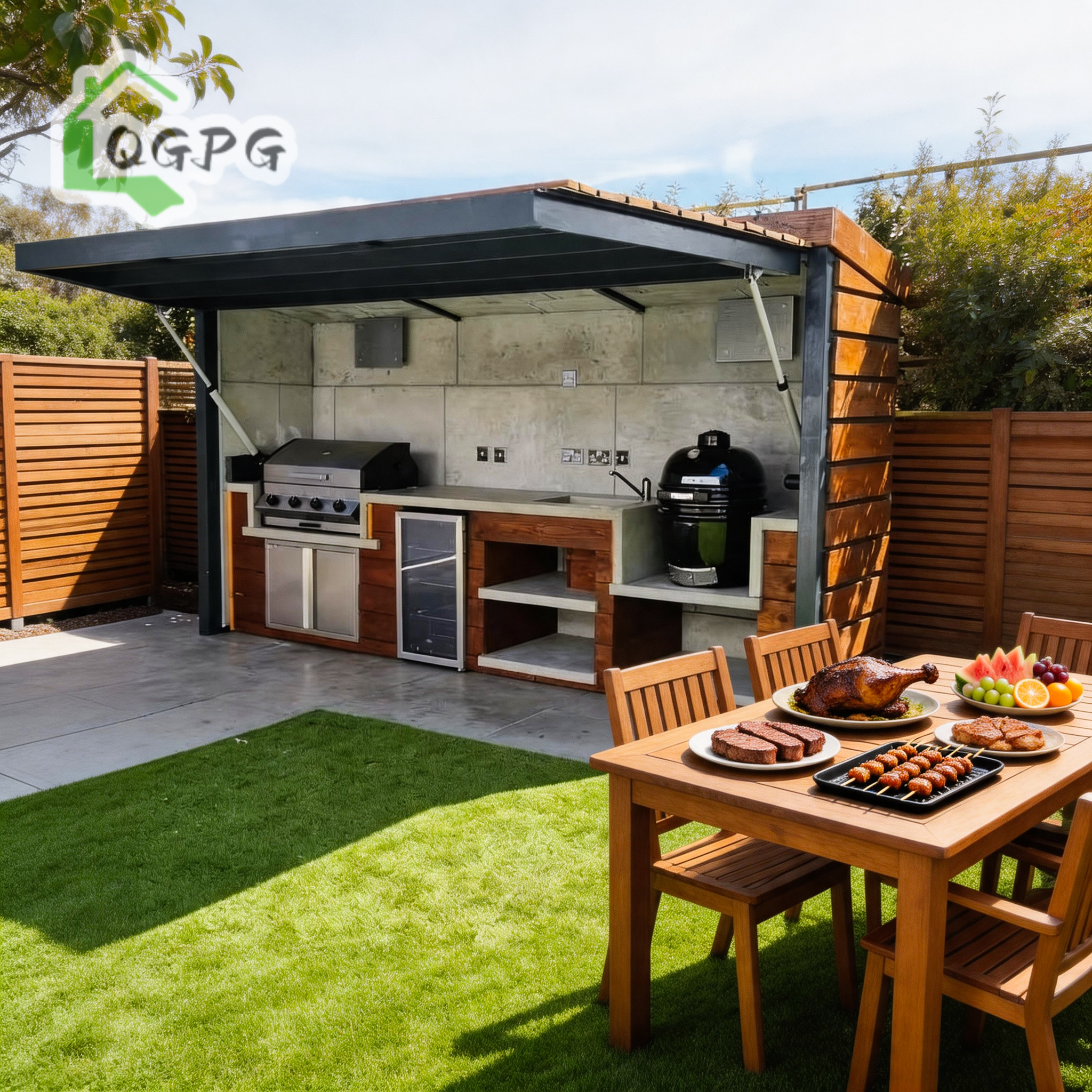
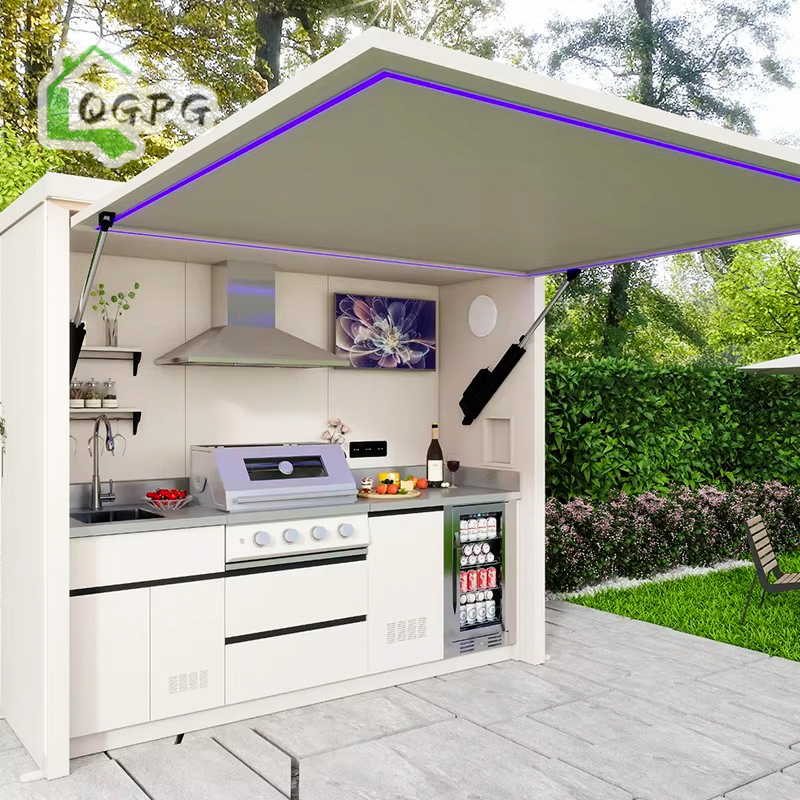
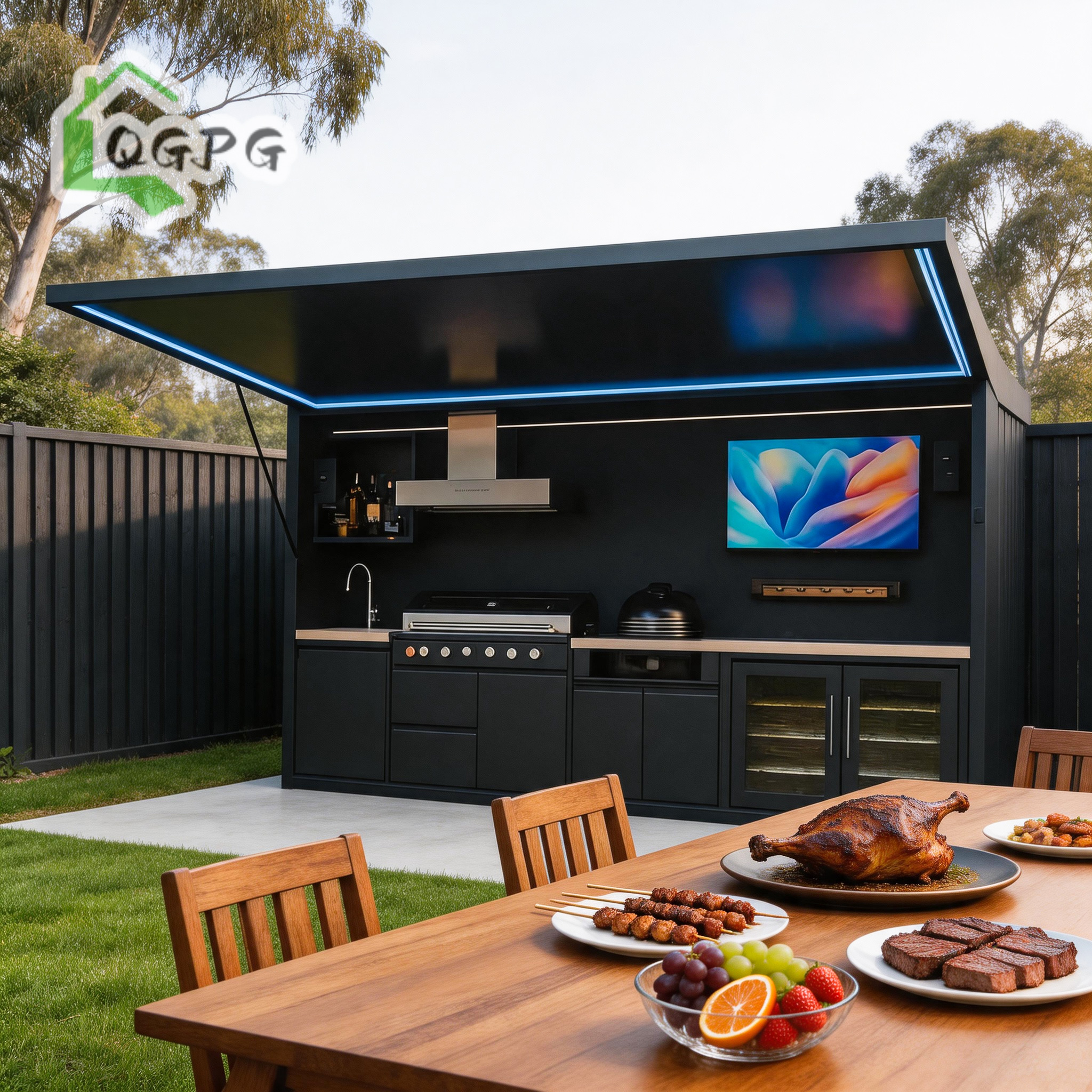
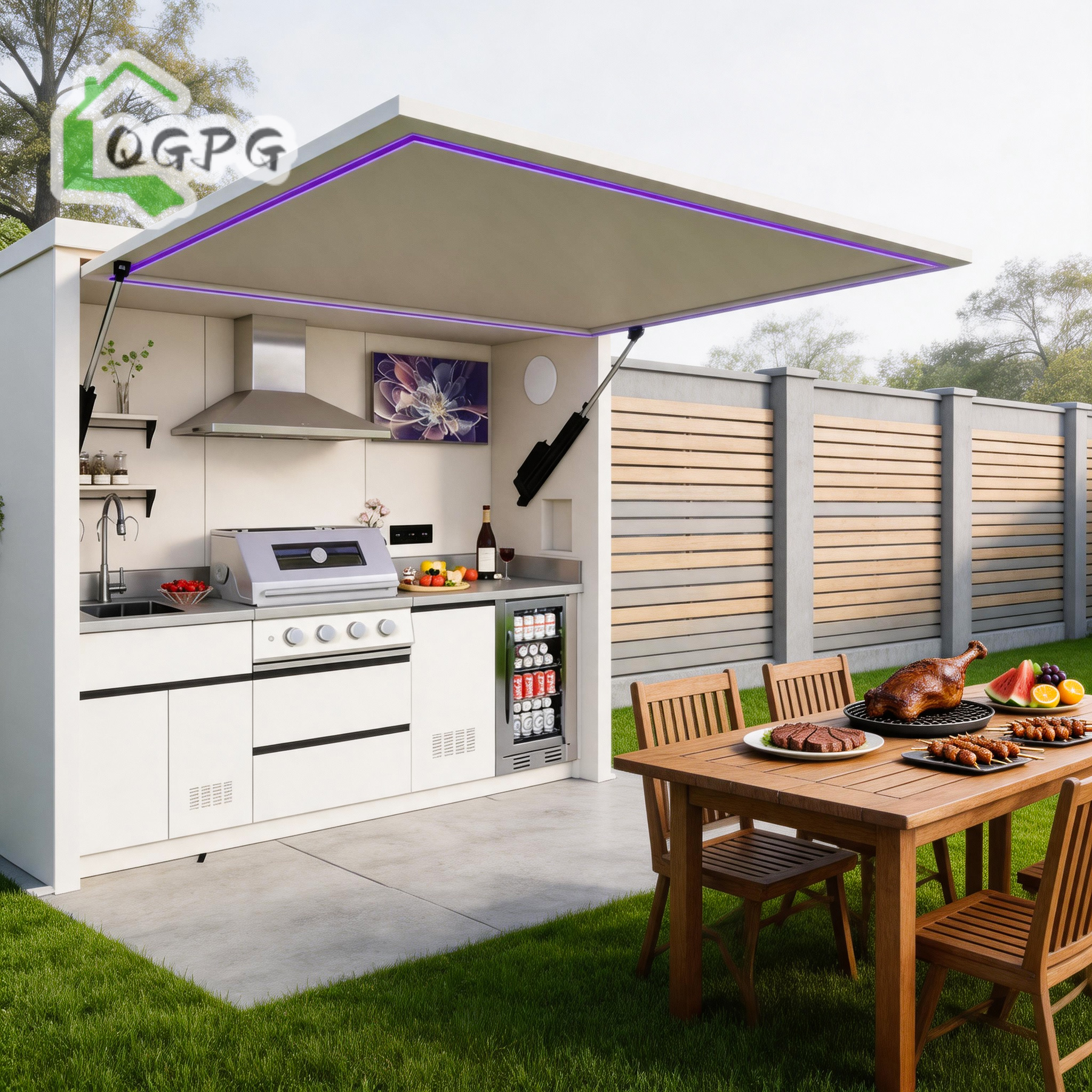
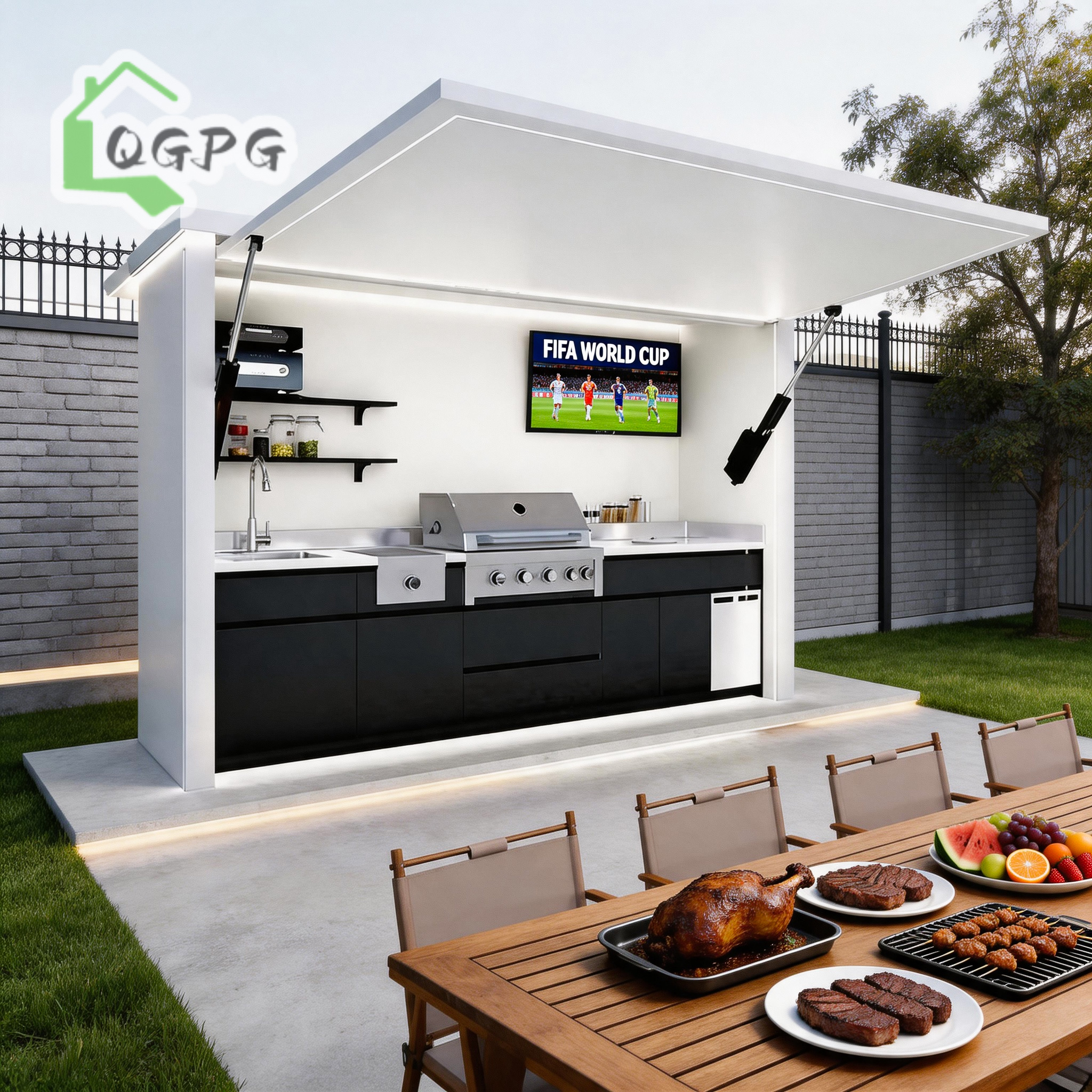
- Pre-installed 304 Stainless Steel Outdoor BBQ & Kitchen Pods for private guest villas.
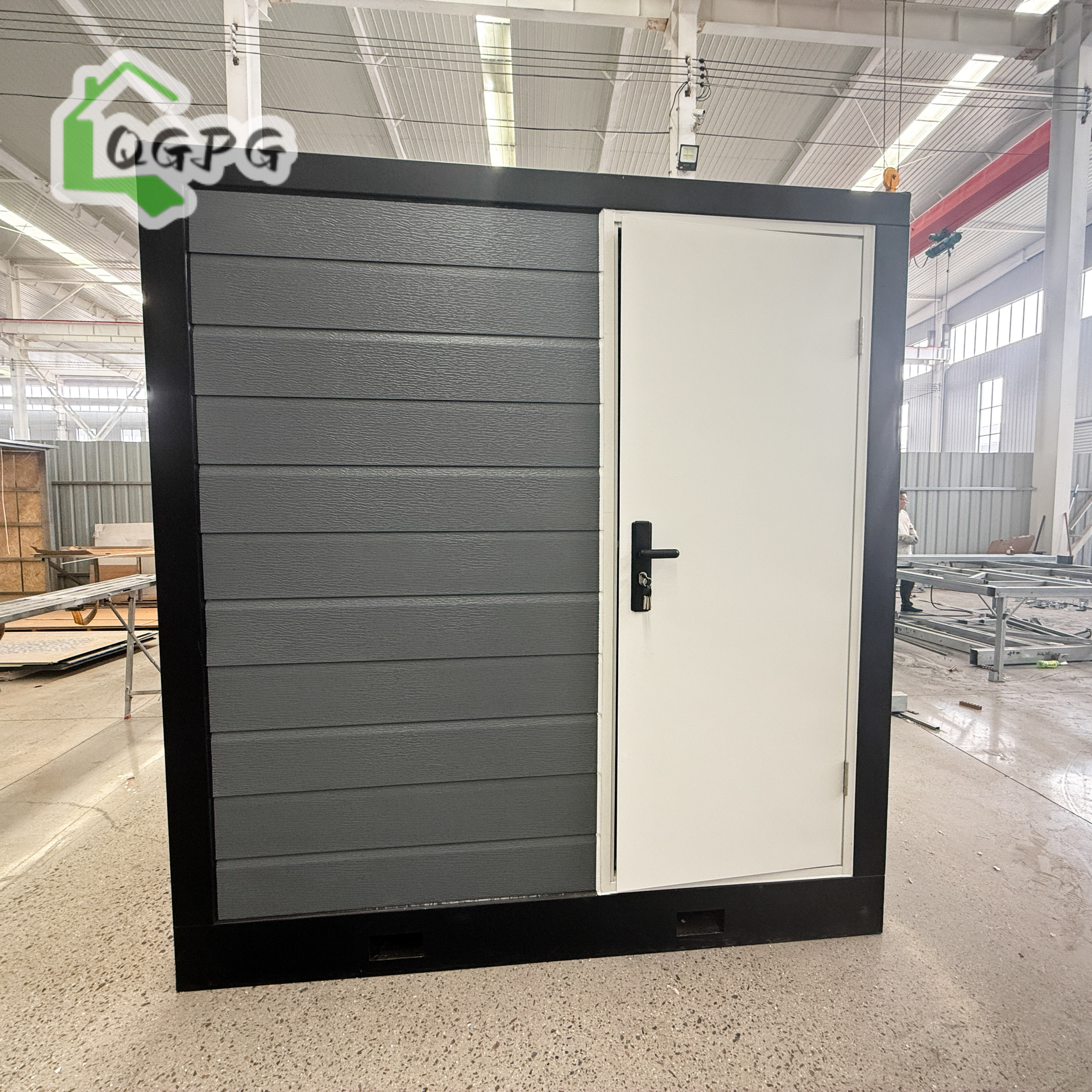
- Fully pre-plumbed luxury sanitary bathroom pods with acrylic finish and water-efficient fixtures.
- Rapid deployment during low tourist season to minimize revenue disruption.
Urban Business Hotels & Modular Motel Blocks
Suva’s high demand for short-term corporate lodging, government delegates, and port logistics personnel requires scalable urban accommodations within restricted land footprints.
- Multi-storey flat pack container hotel modules with soundproof wall core insulation.
- Integrated structural gangways, external staircase modules, and fire-rated corridor panels.
- Turnkey M&E pre-wired to Australian/Fijian electrical safety standards (240V, 50Hz).
Port Authority & Civil Infrastructure Camps
Major infrastructure investments surrounding Kings Wharf Suva, highway expansions, and maritime defense projects require heavy-duty, relocatable workforce camps.
- Detachable and folding container site offices, meeting rooms, and command centers.
- Commercial-grade mobile kitchen units and modular canteen pods.
- Durable high-traffic flooring, washable interior panel surfaces, and quick stackability.
Commercial Hospitality & Oceanfront Alfresco Dining
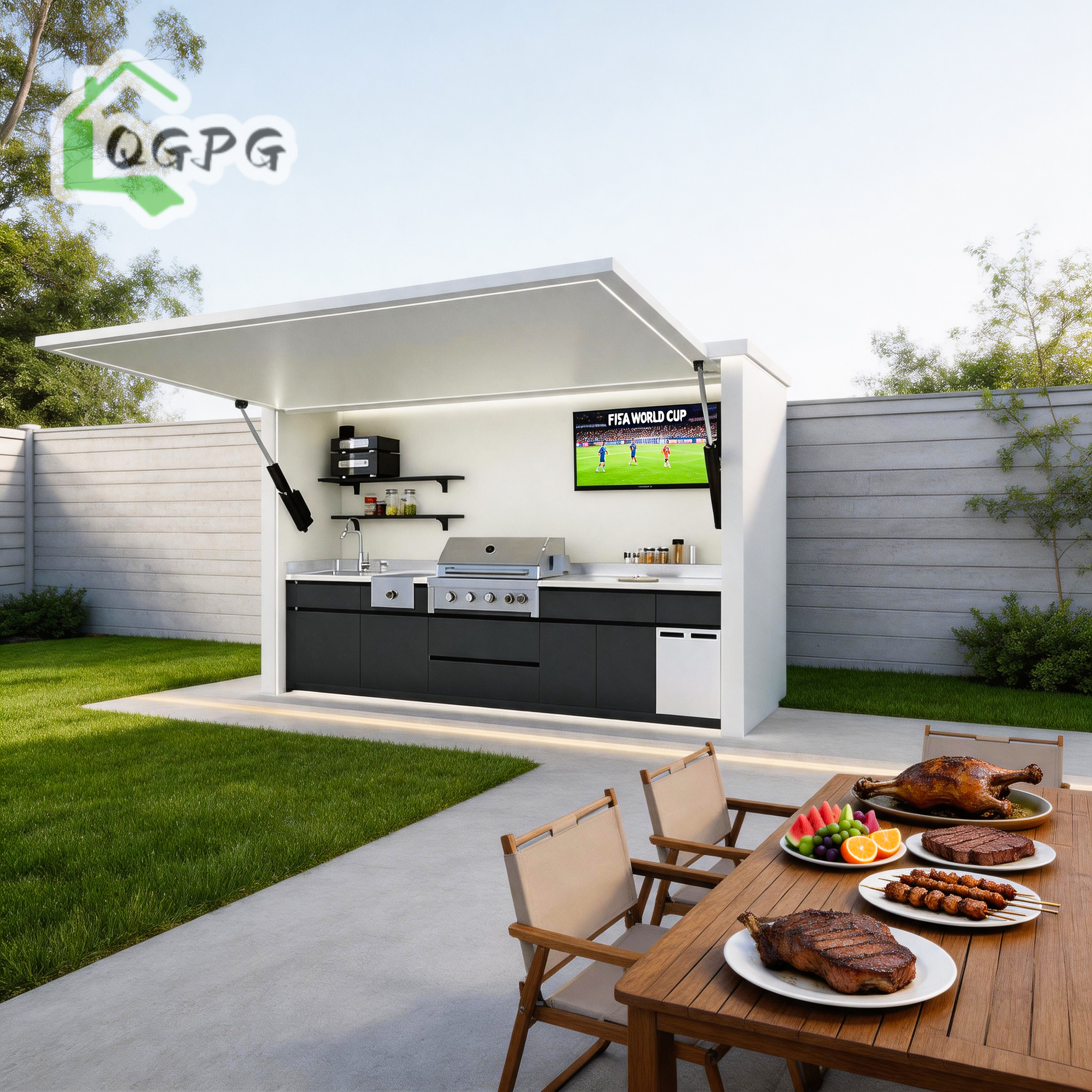
Restaurateurs and hotel owners along Suva’s waterfront promenades utilize our hydraulic motorized outdoor kitchen pods to create weather-resilient dining spaces.
- Motorized flip-up hydraulic door panels providing instant shade and total off-hours security.
- Integrated 304/316 marine-grade stainless steel sinks, outdoor grills, and refrigeration units.
- Ambient LED perimeter lighting and custom architectural exterior cladding options.
Frequently Asked Questions by Suva Sourcing Managers
Essential technical, regulatory, and logistical guidance for procurement directors importing prefabricated hotel units into Fiji.
How do BSU prefabricated hotel modules perform under Fiji cyclone conditions?
All our prefabricated structural hotel modules are engineered to withstand Category 5 tropical cyclones (wind speeds up to 280 km/h / 77 m/s). The load-bearing frames utilize heavy-gauge cold-formed hot-dip galvanized steel section beams tied with high-tensile bolted shear connectors. When anchored to a properly constructed concrete pier or raft foundation according to our engineering drawings, the units satisfy the structural requirements of the National Building Code of Fiji.
Are the electrical and plumbing systems pre-installed to local Fiji/Australian standards?
Yes. As a verified custom manufacturer, we configure all interior wiring, distribution boxes, switches, and sockets to match 240V, 50Hz electrical standards (AS/NZS 3000 compliance ready). Plumbing lines within our modular sanitary pods and outdoor kitchen units are factory pressure-tested, utilizing AS/NZS-compliant PEX or PVC conduits to ensure seamless hookup to local municipal water mains or resort septic systems upon arrival in Suva.
What protection is provided against coastal salt-spray corrosion in Suva?
To combat the aggressive ISO C4/C5 marine atmospheric corrosivity found in coastal Suva and island resorts, we apply a multi-tier protective coating system. Steel frames are hot-dip galvanized with a zinc coating thickness exceeding 120g/m², followed by an epoxy zinc-rich primer and an exterior fluorocarbon (PVDF) topcoat. For outdoor kitchen units, we exclusively utilize 304 or 316 marine-grade stainless steel with sealed electrical compartments.
What is the typical ocean freight shipping time and port of entry for Fiji orders?
Shipments are dispatched via ocean freight directly from Qingdao or Tianjin port to Kings Wharf in Suva or Lautoka Port. Transit time is typically between 18 to 25 days depending on the shipping line schedule. Units are packed into 40ft HQ container ships as flat pack stacks or closed modules with full waterproof packaging and custom loading plans provided in advance.
Can buyers perform third-party factory audits or live video inspections?
Absolutely. Our factory facilities have been independently verified on-site by Intertek. Buyers or their designated inspection agencies (SGS, TÜV, Bureau Veritas) are welcome to perform live factory audits, material quality checks, and pre-shipment container loading inspections. We also offer live video tours for engineering teams in Suva during production milestones.
What wholesale customization options are available for hotel chains and developers?
We provide full architectural customization, including module dimensions, internal floor plan layouts, interior wall panel materials (MGO board, fiber cement, PVC marble veneer), flooring options, integrated furniture packages, window glazing specifications, exterior cladding textures, and branded colors matching your corporate identity.
Ready to Expand Your Hospitality Capacity in Suva?
Submit your architectural drawings, site specifications, or wholesale unit requirements today. Our structural engineering team will deliver a comprehensive technical quote within 24 hours.
Inquire Now