Export Product Portfolio
High-Performance Modular & Outdoor Pod Solutions
Factory-direct modular structures, all-weather sanitary cabins, and stainless steel outdoor units engineered for ocean transport and high-humidity tropical microclimates.
Technical Whitepaper & Sourcing Guide
Optimizing Modular Architecture for Pangai & the Haʻapai Island Group
A authoritative technical analysis on structural engineering, ocean logistics, and tropical climate mitigation for resort developers, government contractors, and residential buyers in Tonga.
1. The Pangai Built-Environment Challenge: Structural Demands in the South Pacific
Pangai, serving as the administrative center of Tonga’s Haʻapai division, represents a unique combination of extreme geographical beauty and stringent structural demands. Positioned in a high-velocity tropical cyclone track within the South Pacific, buildings in Pangai are exposed to recurring Category 4 and 5 tropical storms, intense atmospheric salinity, heavy thermal radiation, and seismic activity associated with the Pacific Ring of Fire. Traditional timber and unreinforced masonry construction often suffer from accelerated rot, termite infestation, structural degradation, and prohibitive supply chain costs when importing raw materials piece-by-piece.
Off-site modular construction—specifically custom-engineered expandable container homes, flat-pack units, and heavy-gauge steel frame villas—has emerged as the definitive solution for sustainable development in Haʻapai. As a specialized China wholesale modular container home factory and direct exporter to Tonga, Hebei BSU Building Materials Technology Co., Ltd. designs prefabricated structures specifically engineered to address these micro-climatic hazards while reducing localized construction timelines by up to 70%.
Information Gain Insight: Standard container modifications often fail in Pacific coastal environments due to unpassivated welds and inadequate thermal barriers. BSU's export-grade units utilize hot-dip galvanized cold-formed steel frames with a minimum 275g/m² zinc coating combined with fluorocarbon (PVDF) marine coatings, preventing galvanic corrosion in C5-M atmospheric conditions for over 25 years.
2. Structural Engineering & Material Standards for Tonga Export
Exporting modular homes to Pangai requires strict adherence to international building standards that withstand both static loading and dynamic environmental forces. Our engineering matrix incorporates key parameters designed to guarantee long-term operational integrity:
| Engineering Metric | Standard Specification | Pangai / Haʻapai Adapted Upgrade |
|---|---|---|
| Wind Load Resistance | 180 km/h (Class 10 Storm) | 250 - 280 km/h (Category 5 Cyclone Rating) with embedded tie-down anchors |
| Seismic Acceleration | Magnitude 7.0 Richter Scale | Magnitude 8.5 Richter Scale with dual-axis flexible steel connectors |
| Frame Anti-Corrosion | C3 Grade Surface Painting | C5-M Marine Grade Coating + 275g/m² Hot-Dip Galvanization |
| Thermal Insulation | 50mm EPS Sandwich Panel | 75mm - 100mm High-Density PIR / Rockwool (λ ≤ 0.022 W/m·K) |
| Roof Waterproofing | Single-seam corrugated steel | Double-folded standing seam panel with integrated butyl sealing tape |
| Electrical Standard | GB/T 220V 50Hz | AS/NZS 3000 Standard wiring, breaker panels & Australian plug fittings |
3. Product System Selection Guide for Pangai Buyers
Selecting the appropriate prefabricated modular topology is critical to balancing freight efficiency, assembly speed, and spatial layout requirements. Below is a breakdown of BSU’s main product vectors exported to Pangai:
Expandable Container Homes
Unfolds from a compact 20ft or 40ft shipping container envelope into a complete 37m² or 74m² living space within 2 hours. Factory pre-fitted with integrated plumbing, electrical wiring, cabinets, and complete bathroom fixtures. Ideal for private residential villas and boutique eco-resorts in Pangai.
Flat-Pack & Detachable Modules
Designed for maximum shipping density. Up to 4 stackable flat-pack units ship inside a single 40ft HQ container, drastically reducing ocean freight costs to Nuku'alofa and Pangai ports. Perfectly suite for construction camp dormitories, administrative offices, and school classrooms.
Sanitary & Outdoor Living Pods
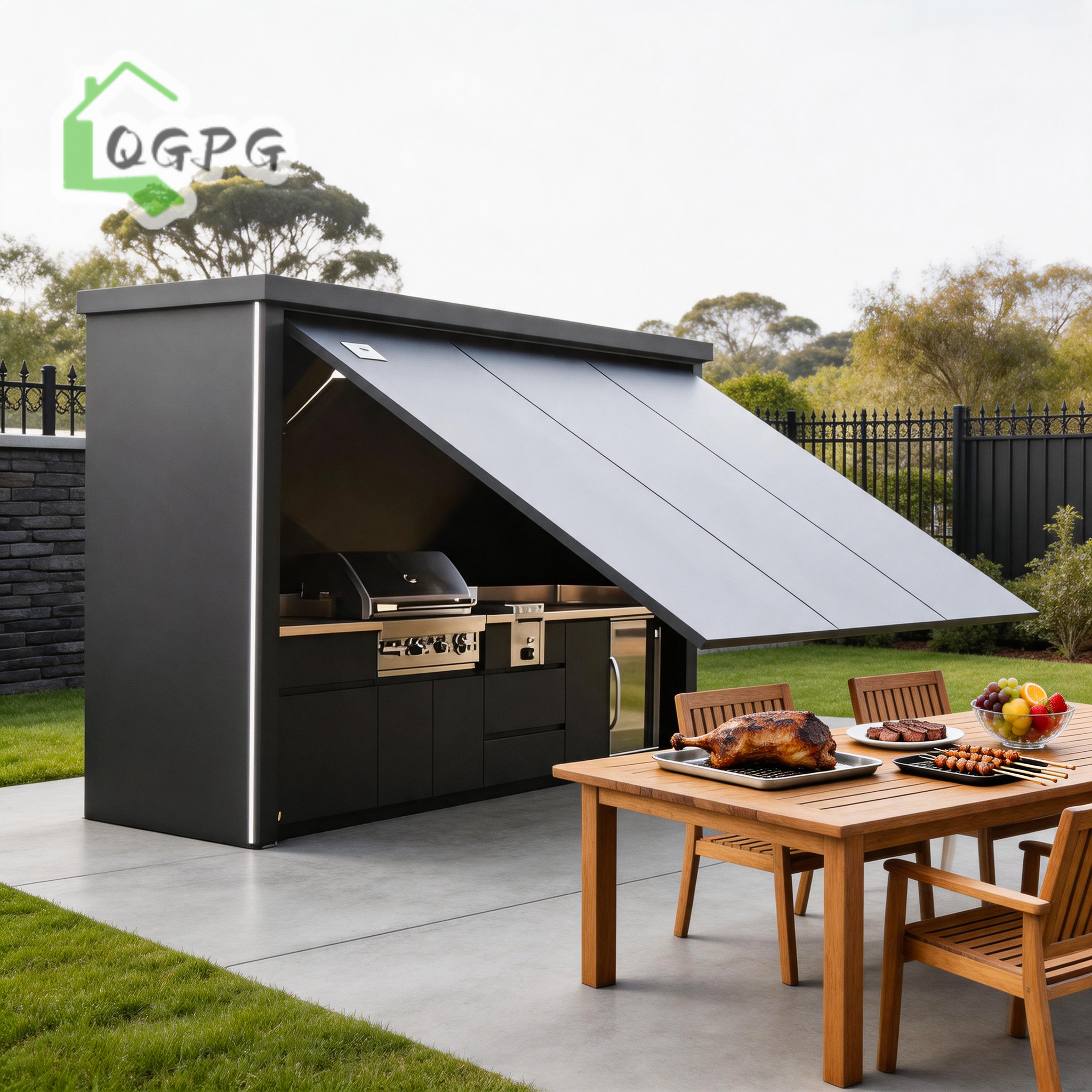
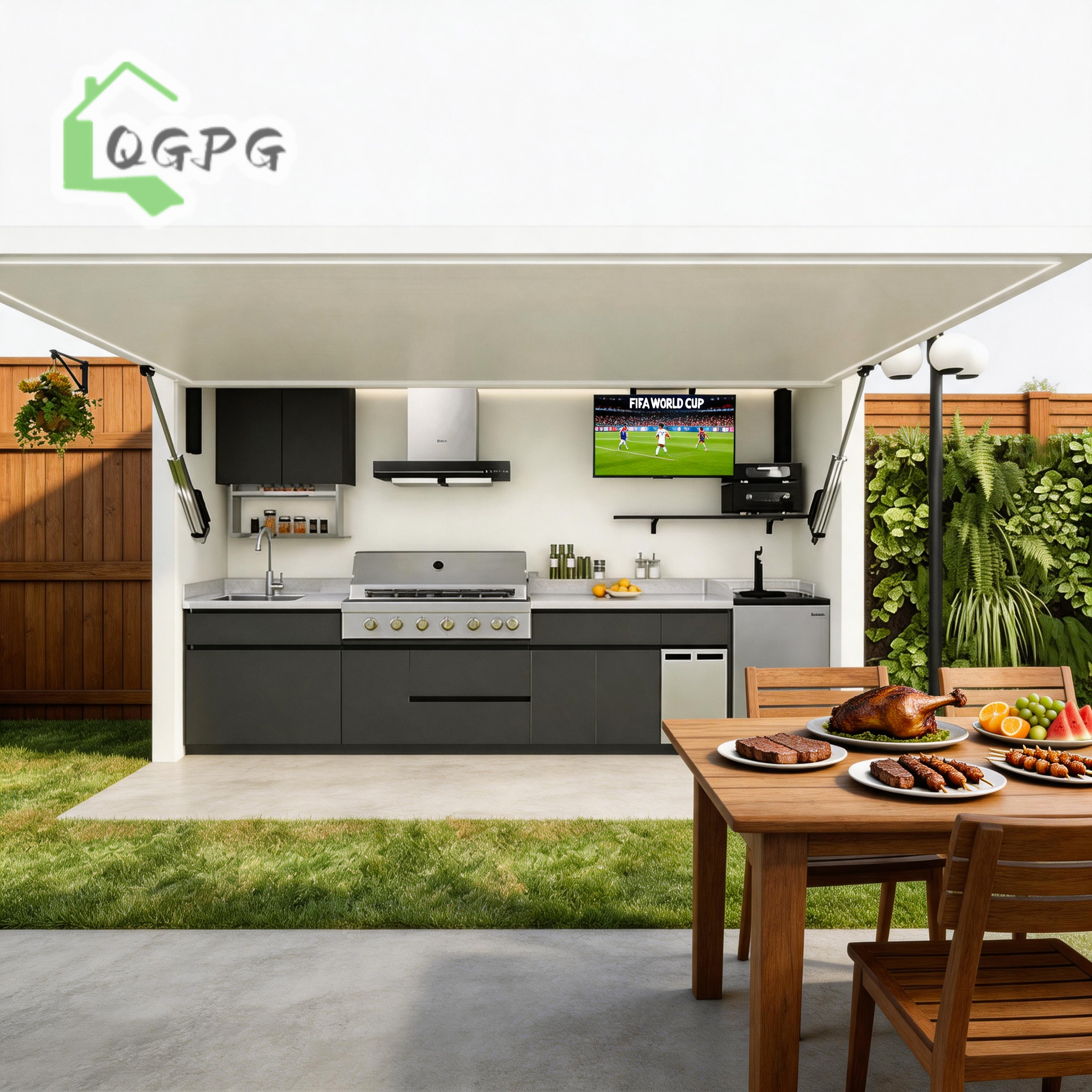
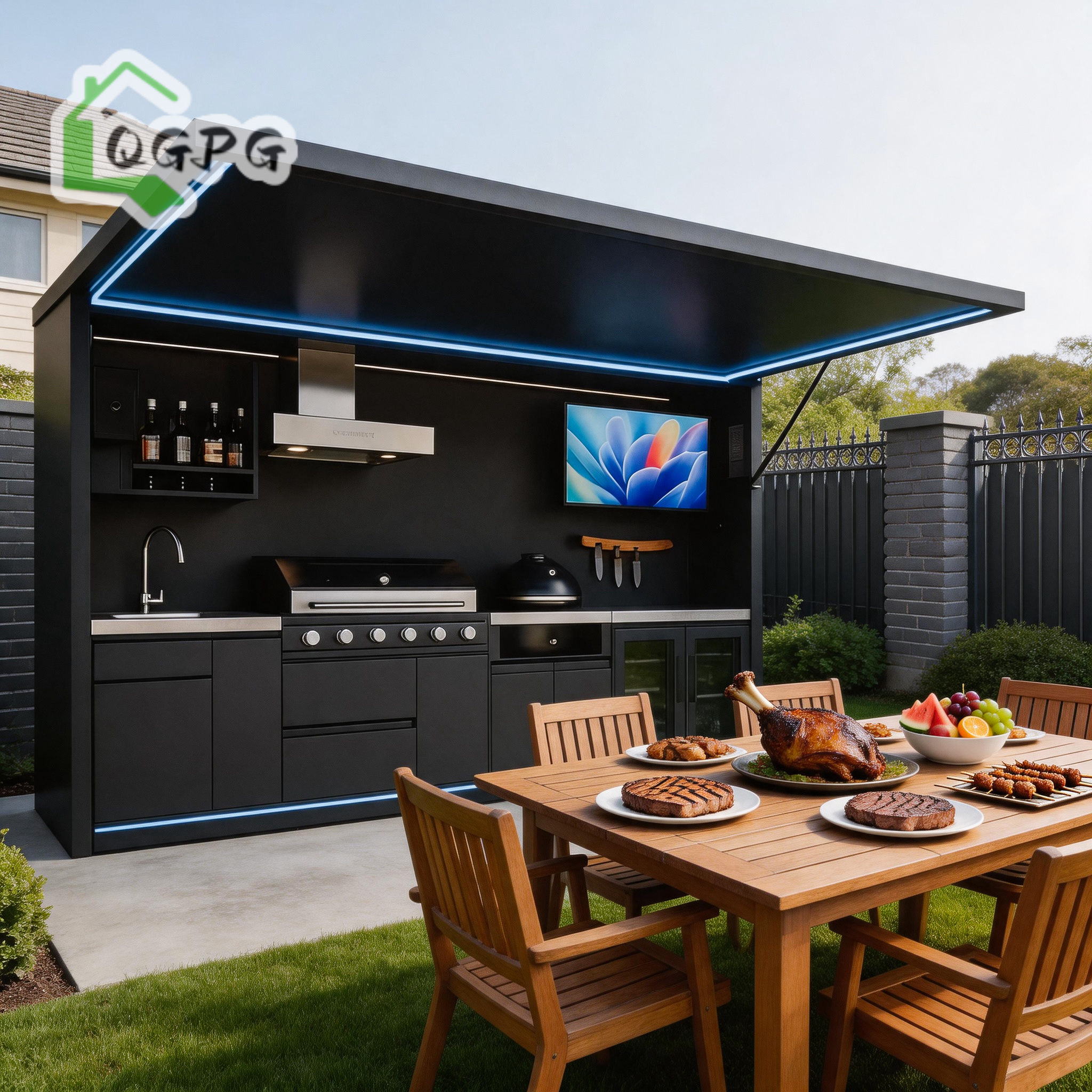
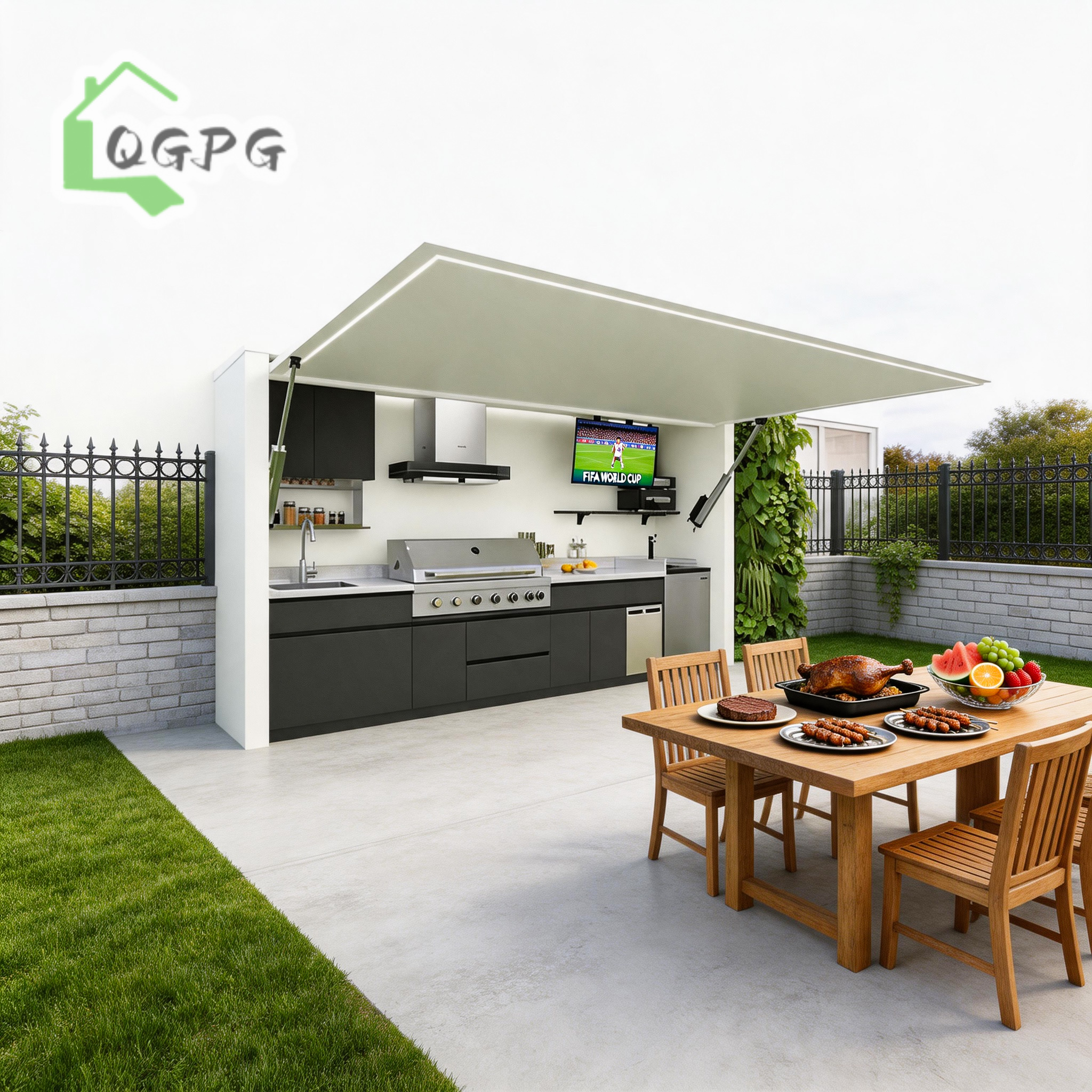
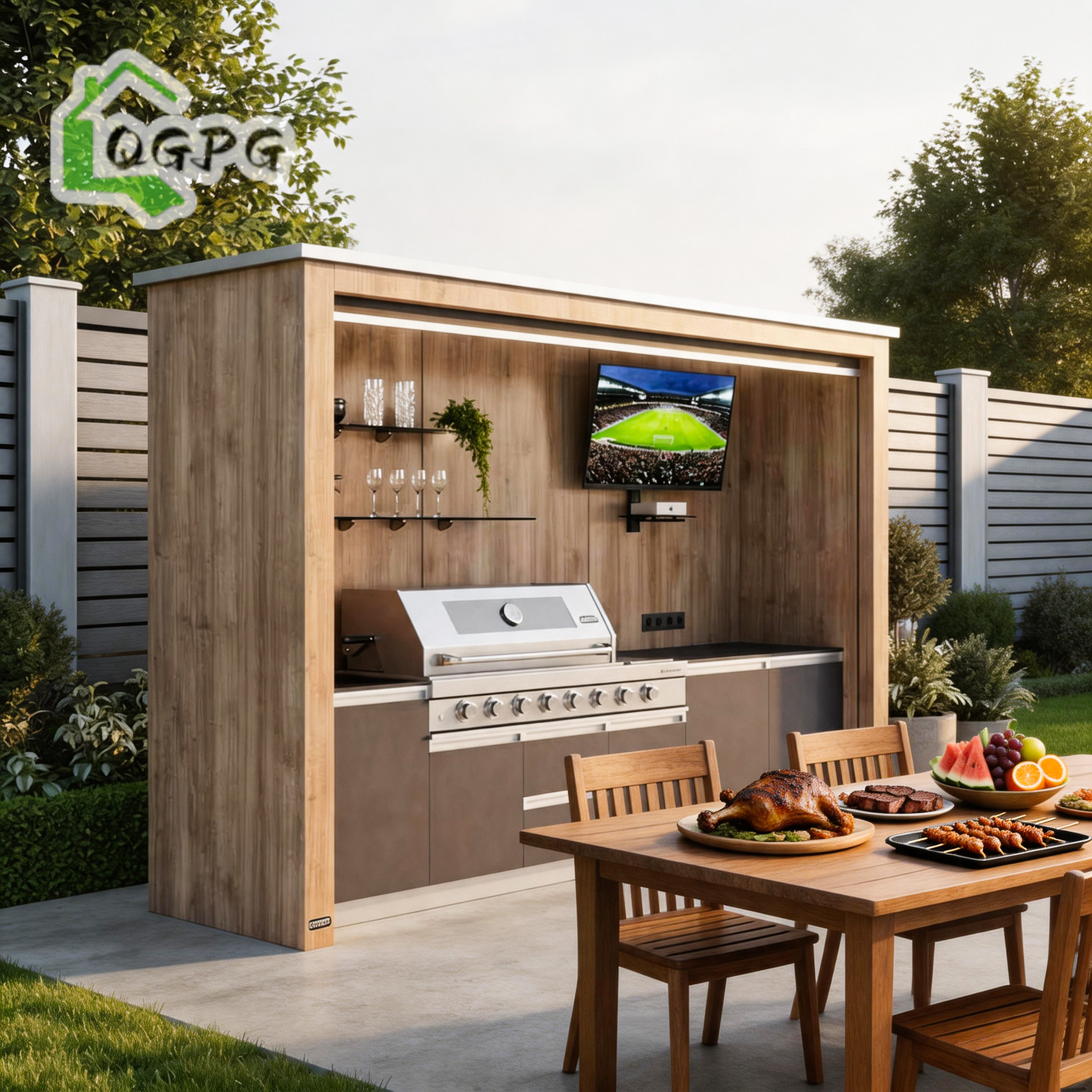
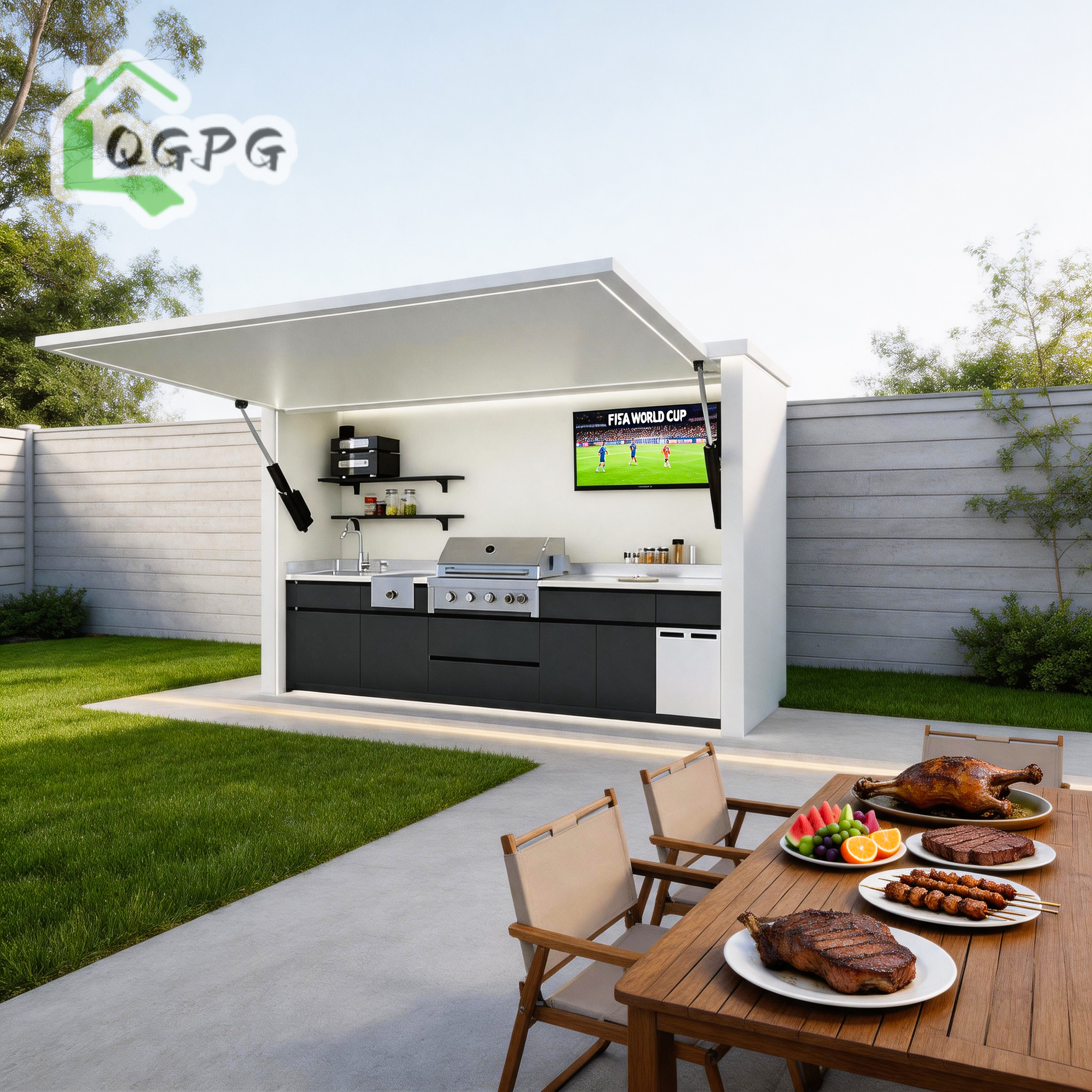
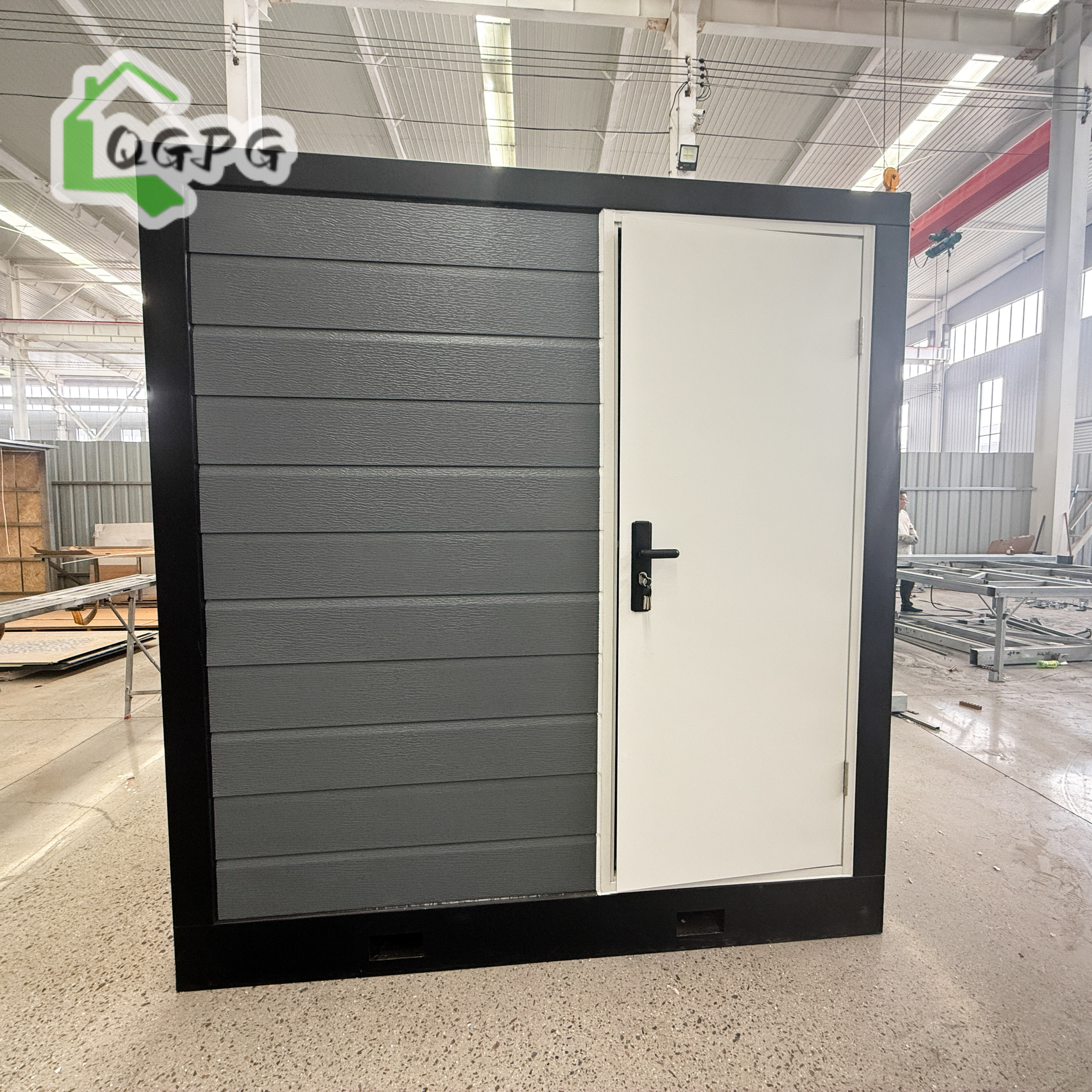
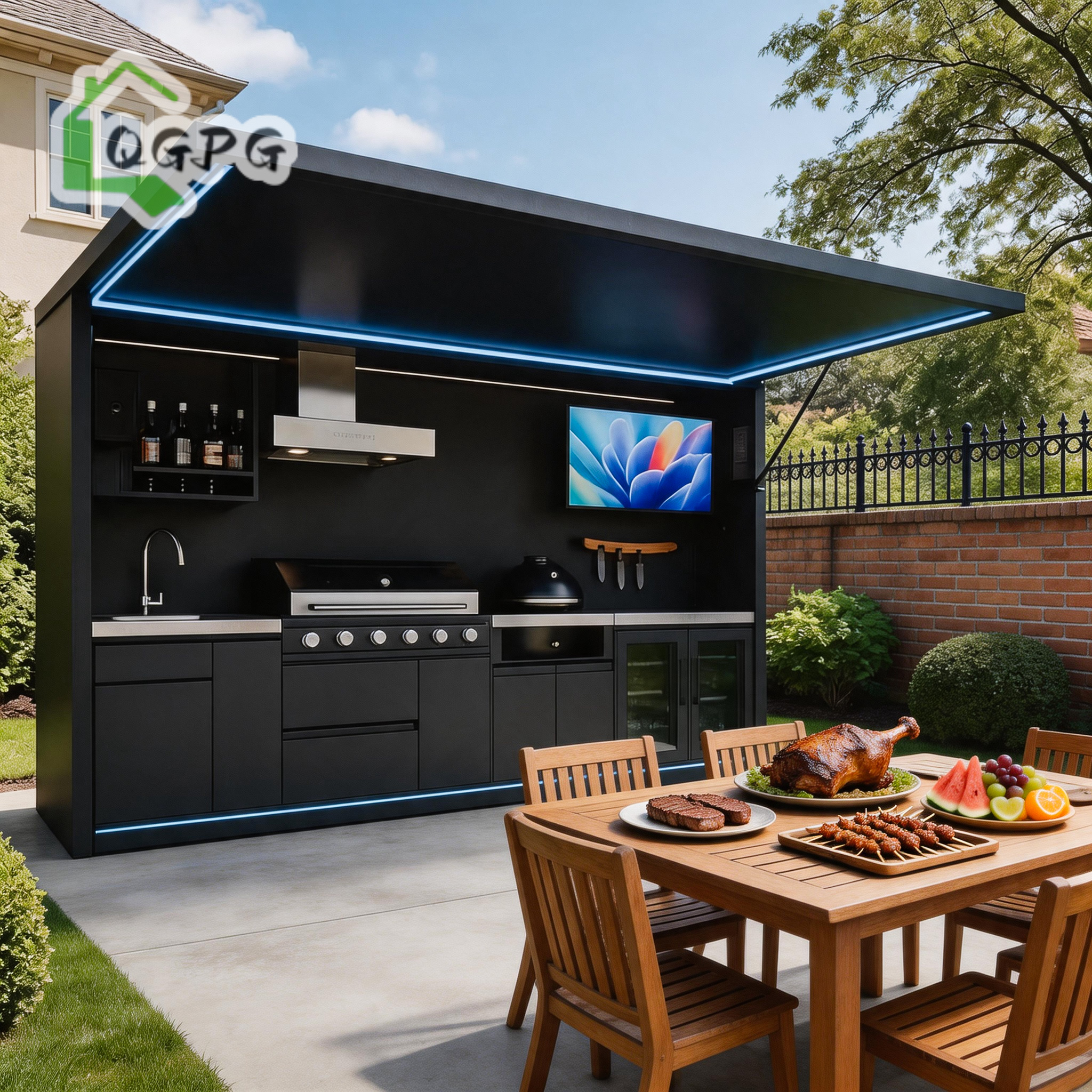
304/316 marine-grade stainless steel outdoor kitchen pods and heavy-duty mobile bathroom units. Featuring motorized hydraulic canopy covers and sealed acrylic shower cabins that resist severe humidity and coastal weather exposure without degradation.
Local Market Integration
Pangai-Specific Application Scenarios
How BSU prefabricated modular buildings solve critical spatial and infrastructural challenges across the Haʻapai island chain.
Eco-Tourism & Coastal Resort Bungalows
Haʻapai’s pristine white sand beaches attract international tourists seeking eco-luxury retreats. BSU’s expandable container homes and light-gauge steel villas allow resort operators in Pangai to install fully furnished, luxury beachfront bungalows without pouring heavy concrete foundations that damage coastal ecosystems. Elevated screw-pile foundations preserve coastal drainage while protecting structures from tidal surges.
Disaster Preparedness & Resilient Housing
Given the South Pacific’s vulnerability to extreme storm events, municipal planners and international NGOs in Tonga require rapid-deployment emergency housing. BSU folding container houses fold flat for warehouse storage and can be deployed by a crane crew in under 15 minutes per unit following a cyclone, providing immediate, secure, weather-proof shelter with integrated sanitation capabilities.
Government Administrative & Infrastructure Camps
Public works, telecommunication installations, and harbor maintenance projects in Pangai often struggle to house temporary technical personnel. Our flat-pack modular office camps can be configured up to 3 stories high, incorporating executive offices, conference rooms, labor canteens, and laundry units with AS/NZS electrical compliance pre-certified at the factory.
Commercial Amenities & All-Weather Kitchens
For outdoor dining facilities, hotels, and community centers, coastal salt spray rapidly degrades standard commercial cooking gear. Our marine-grade 304 stainless steel hydraulic kitchen pods feature fully enclosed motorized roofs that lock down completely during intense storms, protecting high-end appliances, sinks, and refrigeration units from salt air and rain.
Strategic Outlook
South Pacific Modular Building Trends & Freight Economics
The Shift Toward Off-Site Construction in Island Economies
The construction sector across Tonga and neighboring South Pacific nations is undergoing a paradigm shift. Rising ocean freight costs, localized labor shortages, and increasing climate volatility have rendered traditional slow-build concrete block construction economically risky. Key macro trends driving modular adoption include:
- Freight Volume Optimization: Traditional building materials require large volumes of sand, aggregate, cement, and formwork, leading to high shipping costs per square meter. Prefabricated flat-pack and expandable systems achieve up to 80% volume compression during ocean transport.
- Zero Site Waste & Eco-Compliance: Remote island ecosystems cannot handle construction debris. Factory-finished modular units generate zero site waste, keeping Pangai’s pristine environment intact.
- Solar PV & Off-Grid Integration: Modular roofs produced by BSU are reinforced to accept high-wattage solar PV panel arrays and rainwater harvesting gutters, enabling total off-grid self-sufficiency for remote island installations.
Why Work with Hebei BSU Building Materials Technology Co., Ltd.?
Selecting a verified manufacturer in China is the most critical decision for overseas procurement teams. Hebei BSU Building Materials Technology Co., Ltd. stands out through verifiable transparency, structural engineering capability, and dedicated export expertise:
Intertek On-Site Assessed
Our manufacturing plant in Hebei has undergone rigorous on-site audit by Intertek, confirming legal ownership, actual production capacity, automated machinery, and quality control systems.
80+ Technical Staff
Our in-house team includes structural engineers, CAD draftspersons, certified welders, and export logisticians who oversee every order from initial drawing approval to container packing.
Turnkey Export Packing
Every shipment includes detailed 3D installation manuals, step-by-step video guides, labeled component bundles, and customized loading plans to maximize container space safety.
Buyer Knowledge Base
Frequently Asked Questions for Sourcing to Pangai
Clear engineering and logistical answers tailored specifically for buyers, developers, and contractors operating in Tonga.
How do BSU modular units withstand Category 5 tropical cyclones in Pangai?
+
Our container homes for Tonga utilize heavy-duty cold-formed galvanized steel structural frames (3.0mm - 4.0mm main structural beam thickness) reinforced with heavy-duty corner castings and dual-direction wind ties. When anchored to screw piles or concrete pad foundations, our units are engineered to resist wind uplift forces exceeding 250 km/h (Class 5 Cyclone standard). Furthermore, windows feature double-glazed laminated safety glass with optional hurricane shutters.
What anti-corrosion protection is applied to prevent sea-salt rust in Haʻapai?
+
All steel structural elements undergo hot-dip galvanization with a minimum zinc coating weight of 275g/m². Following galvanization, frames are finished with epoxy zinc-rich primer and polyurethane topcoats (C5-M marine anti-corrosion specification). Fasteners, door hinges, and hardware are upgraded to SUS304 or SUS316 stainless steel to prevent rust in high-salinity island environments.
How are the container homes shipped to Pangai Port, and what crane is needed?
+
Units are packed into standard 40ft High Cube (40HQ) ocean shipping containers or shipped as self-contained ISO SOC (Shipper Owned Container) units via international shipping routes to Nuku'alofa and inter-island transport to Pangai. Expandable and flat-pack units feature built-in ISO corner castings, allowing them to be offloaded using standard 25-ton mobile cranes, forklifts, or heavy hiab crane trucks available locally in Tonga.
Can electrical and plumbing components meet Australian/New Zealand (AS/NZS) standards?
+
Yes. We routinely pre-wire and pre-plumb container modules to comply with AS/NZS 3000 electrical wiring standards and AS/NZS 3500 plumbing specifications used throughout Tonga and the South Pacific. Electrical conduits, circuit breakers, switches, and sockets carry SAA certifications and are fully compatible with local power grid inputs (240V, 50Hz).
What insulation type is best suited for Pangai’s hot, humid tropical climate?
+
For warm tropical climates, we recommend 75mm or 100mm Polyisocyanurate (PIR) or High-Density Polyurethane (PU) sandwich panels. PIR offers superior thermal insulation (thermal conductivity λ ≤ 0.022 W/m·K) and zero moisture absorption, preventing condensation mold and maintaining cool indoor temperatures while minimizing air conditioning energy consumption.
What is the lead time for standard and customized orders destined for Tonga?
+
Standard flat-pack and expandable container homes have a factory production cycle of 15 to 20 days upon deposit confirmation. Fully customized resort units or complex modular offices take approximately 25 to 30 days. Transit time from Qingdao or Tianjin port to Tonga ports generally averages 20 to 35 days depending on ocean carrier transshipment schedules.
Start Your Modular Construction Project in Pangai Today
Whether you are planning a beachfront eco-resort, government housing project, or commercial facility in Haʻapai, our engineering team will provide custom 3D layouts, structural calculations, and a complete FOB/CIF price quotation within 24 hours.