1. The Macro-Economic Context & Procurement Drivers in Daugavpils
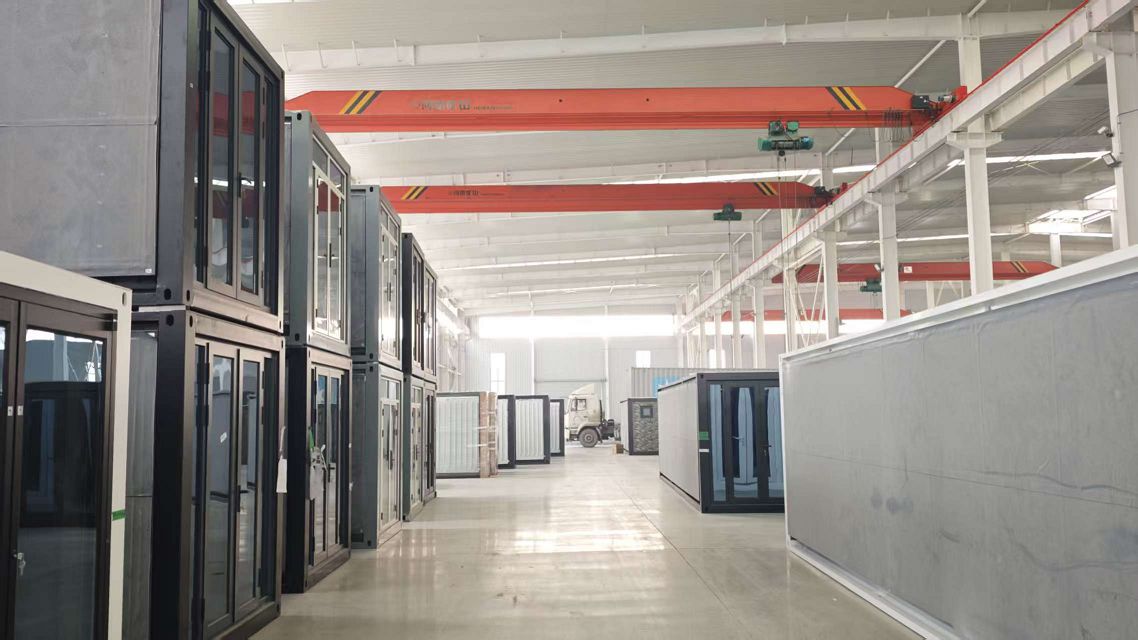
As the regional capital of Latgale and a strategically vital freight rail intersection near Latvia’s eastern border, Daugavpils is undergoing significant industrial modernisation, logistics expansion, and municipal revitalization. The regional development of the Latgale Special Economic Zone (SEZ), combined with expanded cross-border trade infrastructure, modern railway repair workshops, and growing tourism around the Daugavpils Fortress and Lake Lielais Stropi, has generated urgent demand for commercial and residential space that traditional brick-and-mortar construction cannot efficiently satisfy.
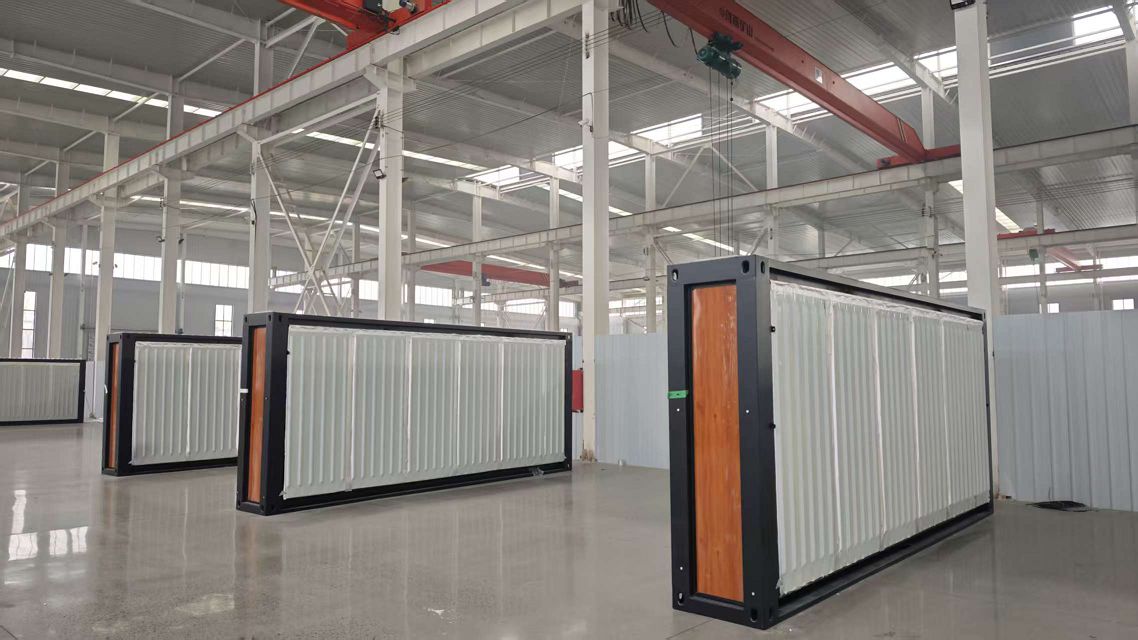
Conventional building projects in Daugavpils face severe bottlenecks, including lengthy municipal approval workflows, local labor shortages in skilled construction trades, escalating material overheads, and a brief outdoor construction window constrained by harsh Baltic winter conditions. Wholesale quick-assembly container houses and prefabricated modular building systems engineered by Hebei BSU Building Materials Technology Co., Ltd. provide an ideal solution. By shifting up to 90% of structural fabrication, wiring, insulation, and interior detailing to controlled manufacturing lines in China, developers and contractors in Daugavpils achieve up to 70% faster project delivery times while reducing site assembly overheads by over 45%.
2. Severe Cold Weather Engineering: Subzero Thermal envelope & Condensation Control
Daugavpils experiences a humid continental / subarctic climate (Köppen Dfb), characterized by prolonged, freezing winters where ambient air temperatures frequently drop to -20°C to -30°C, alongside heavy snow loads accumulating up to 1.8 kN/m². Standard container modifications designed for mild climates fail rapidly in Latgale due to severe thermal bridging, interior interstitial condensation, roof structural sagging, and high heating cost penalties.
Hebei BSU implements specialized Nordic/Baltic structural engineering protocols tailored specifically for Daugavpils importers and wholesalers:
- Thermal Insulation Core Matrix: We eliminate structural cold bridges by utilizing Polyisocyanurate (PIR) core sandwich panels or high-density hydrophobic Rockwool insulation panels ranging from 100mm to 150mm in thickness. PIR panels achieve an ultra-low thermal conductivity rating (λ ≤ 0.022 W/mK), easily satisfying European Union Near-Zero Energy Building (NZEB) mandates with total wall U-values reaching ≤ 0.18 W/m²K.
- Vapor Barrier & Dew Point Management: Following EN ISO 13788 condensation analysis, our designs feature continuous internal vapor control membranes (PE moisture barriers) combined with micro-ventilated outer cladding gaps. This prevents moisture-laden warm interior air from migrating into structural cold steel framing, effectively eliminating interstitial frost accumulation and mold growth.
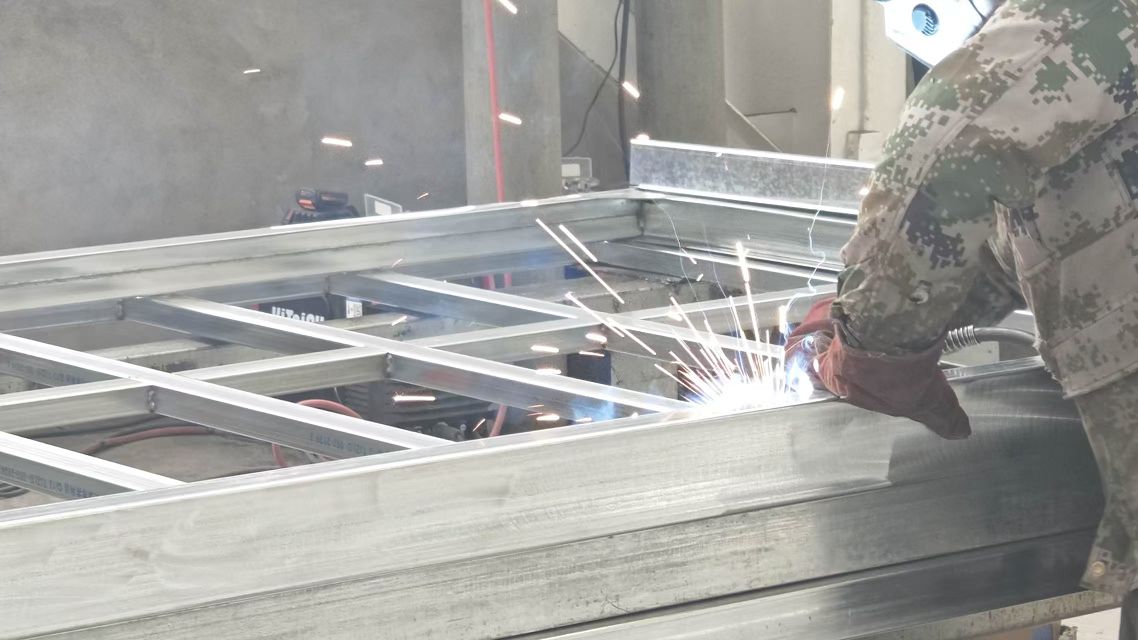
- Roof Snow Load & Structural Steel Grade: Main structural columns and perimeter ring beams are cold-formed from Q235B/Q355B structural steel, hot-dip galvanized with a zinc coating weight of ≥ 120g/m² to resist road-salt corrosion and freeze-thaw degradation. Roof profiles feature reinforced secondary purlins rated for ground snow loads exceeding 2.0 kPa.
Information Gain: Strategic Logistics Route to Daugavpils
Shipping prefabricated container units from Hebei, China to Daugavpils requires optimized multimodal freight planning. Ocean freight modules arrive at the Port of Riga (Latvia) or Port of Klaipėda (Lithuania). From Riga port, units are loaded onto standard flatbed heavy transport or dispatched via the Latvian Railway network (Latvijas dzelzceļš) directly to the Daugavpils rail freight terminal. Flat pack container modules allow up to 4 standard 20ft units to be packed into a single 40ft High Cube container, reducing per-unit transoceanic freight costs by up to 75%.
3. Structural System Comparison Matrix for Baltic Importers
Selecting the correct modular container structural architecture depends directly on the intended operational life cycle, required assembly speed, site accessibility, and budget. The table below outlines our main structural configurations engineered for wholesale shipment to Daugavpils.
| Container System |
Target Application in Latgale |
Assembly Time / Labor Requirement |
Freight Efficiency (Per 40ft HC) |
Thermal Performance Index |
| Expandable Container House |
Residential homes, glamping cabins, site offices |
2 hours (2 workers, zero heavy cranes) |
1 complete 20ft unit per 40ft HC |
Superior (100mm PIR / PU Core) |
| Folding Container House |
Emergency shelter, disaster relief, short camps |
10 minutes (1 forklift / light crane) |
Up to 10–12 collapsed units |
Standard (50–75mm EPS / Rockwool) |
| Flat Pack Container Unit |
Multi-storey dormitories, school extensions |
2 to 3 hours per module (3 workers) |
4 flat-packed units per 40ft HC |
High (75–120mm Rockwool Core) |
| Detachable Panel Unit |
Customized retail kiosks, clinic pods, site offices |
4 to 5 hours (panel-by-panel bolting) |
Maximum volumetric shipping density |
Customizable (PIR / Glasswool / Rockwool) |
| Prefab Steel Structure Villa |
Permanent suburban housing, boutique resort villas |
1 to 2 weeks structural frame erection |
Packed as knocked-down structural bundles |
Ultra-High (Multi-layer thermal wrap) |