Engineering Spec Container Modules & Outdoor Pod Systems
Pre-engineered, climate-adapted detachable and modular structures optimized for fast deployment, structural integrity, and oceanic export to Central Mexico.
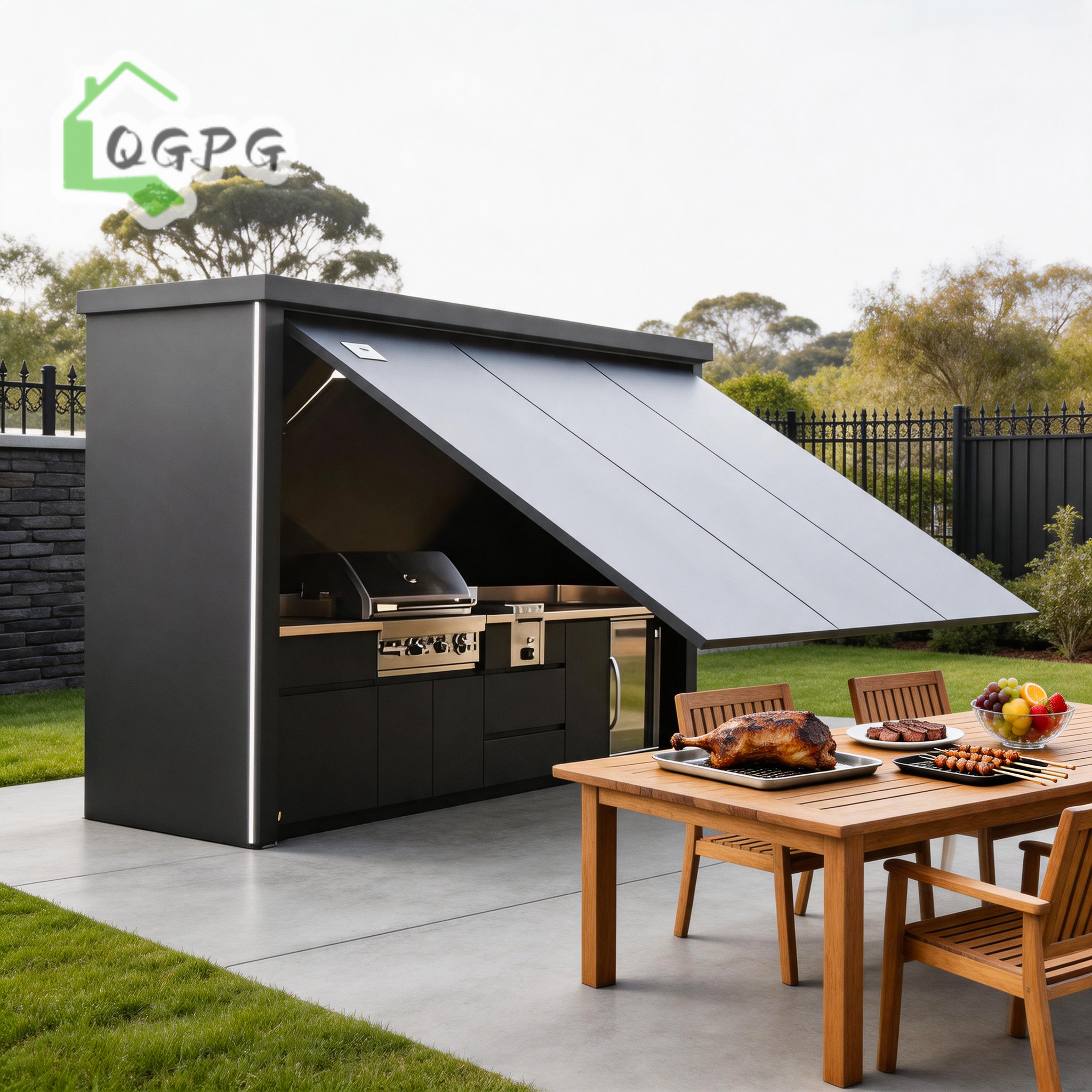
Modern Aluminum Hydraulic Lift Outdoor Kitchen Box Integrated Grill Sink Fridge
View Specifications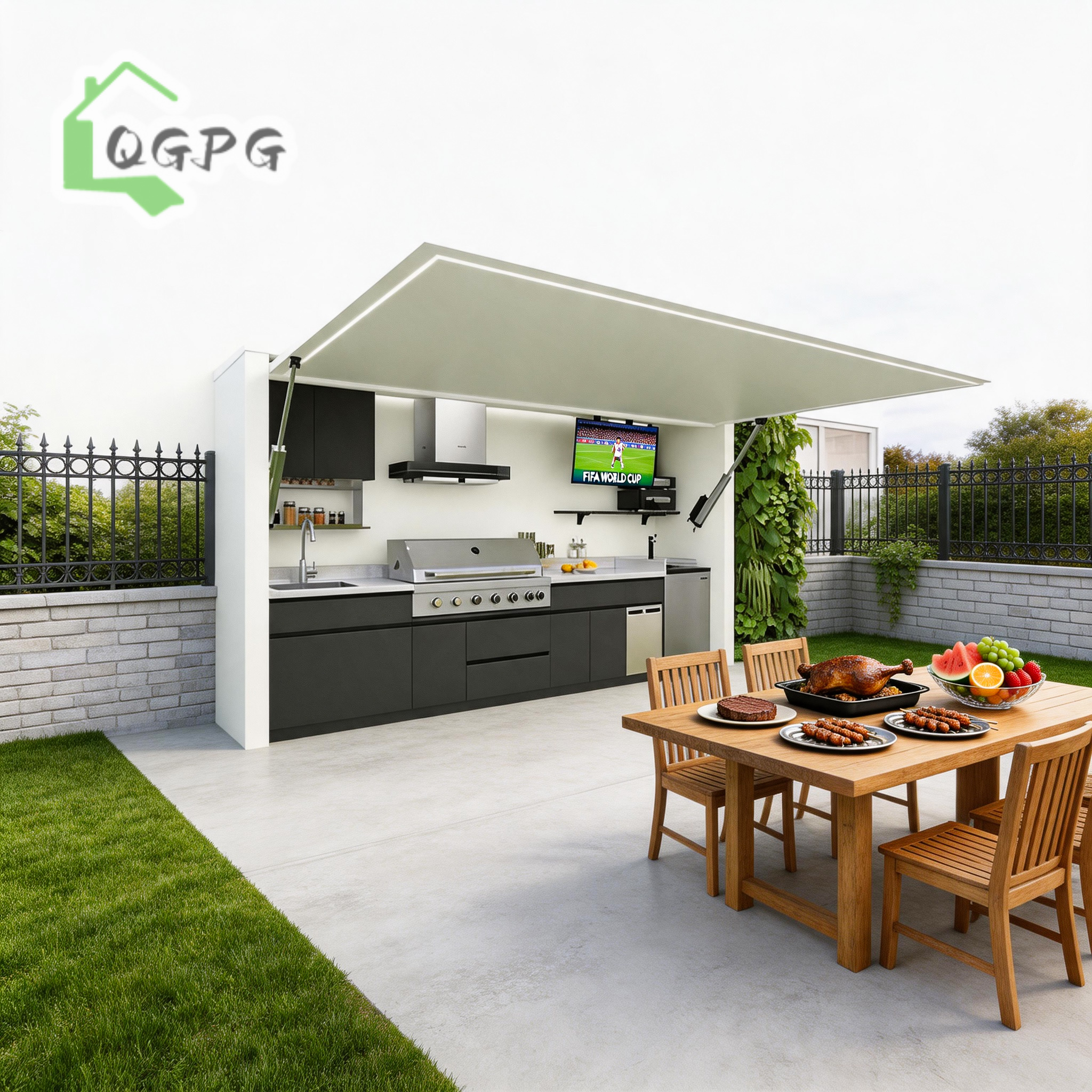
Factory Direct 304 Stainless Steel Hydraulic Canopy All-in-One Outdoor Kitchen
View Specifications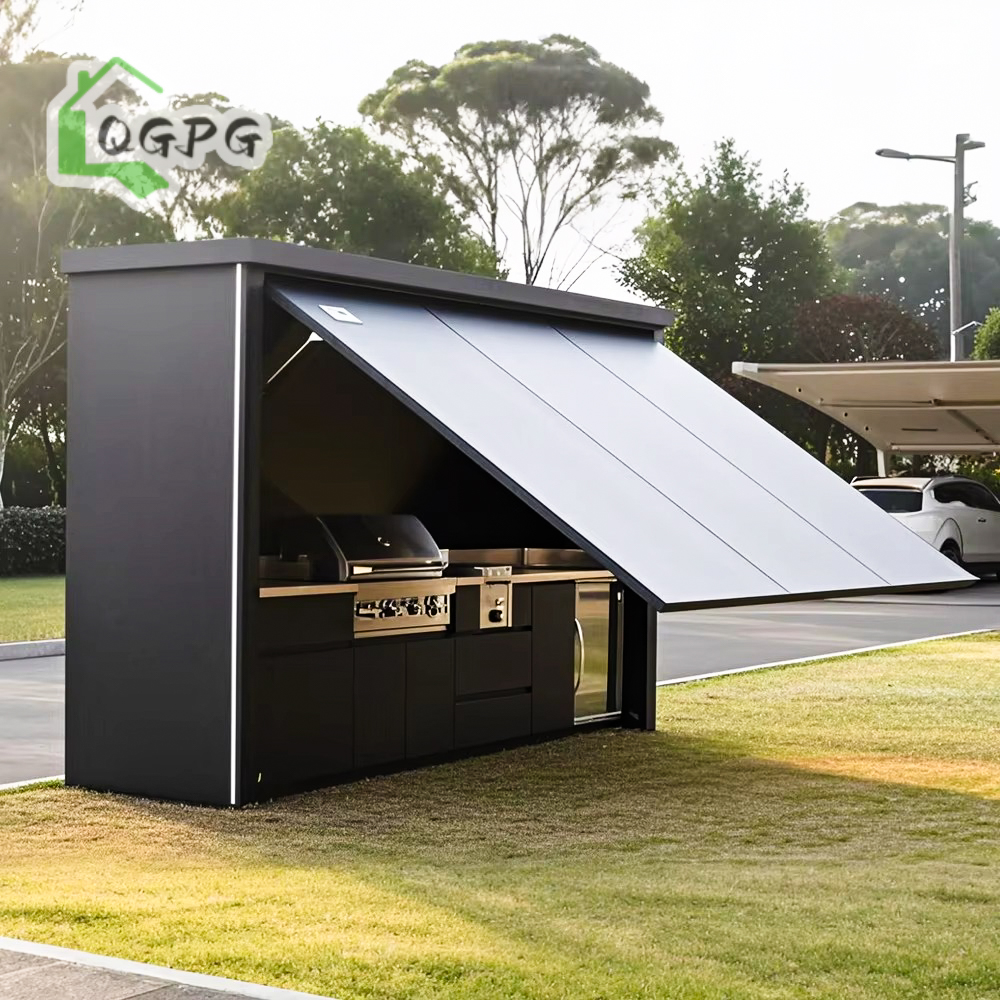
Stainless Steel Electric Hydraulic Lift Outdoor Kitchen Container BBQ Pod
View Specifications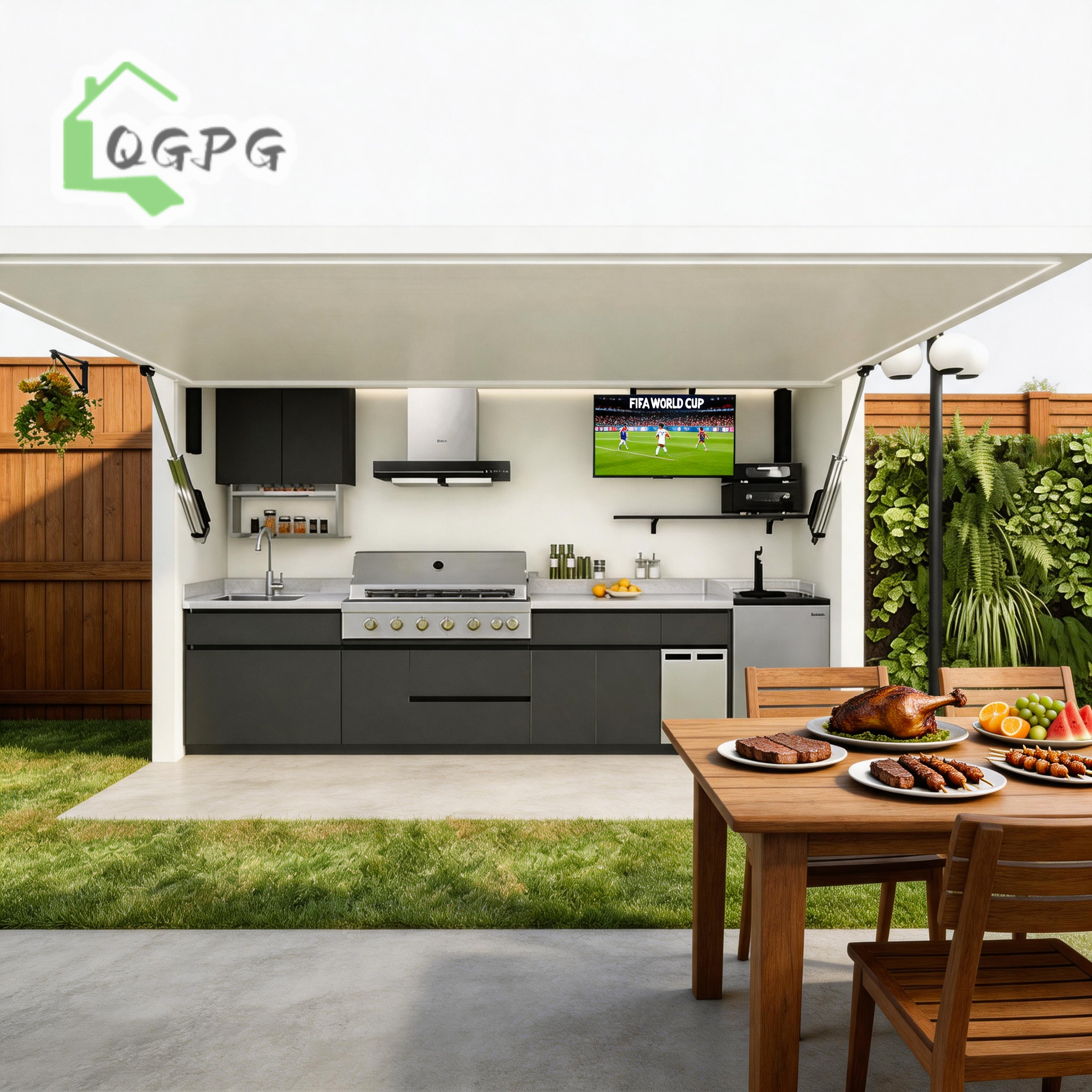
Custom Stainless Steel Motorized Retractable Roof All-in-One Kitchen Pod
View Specifications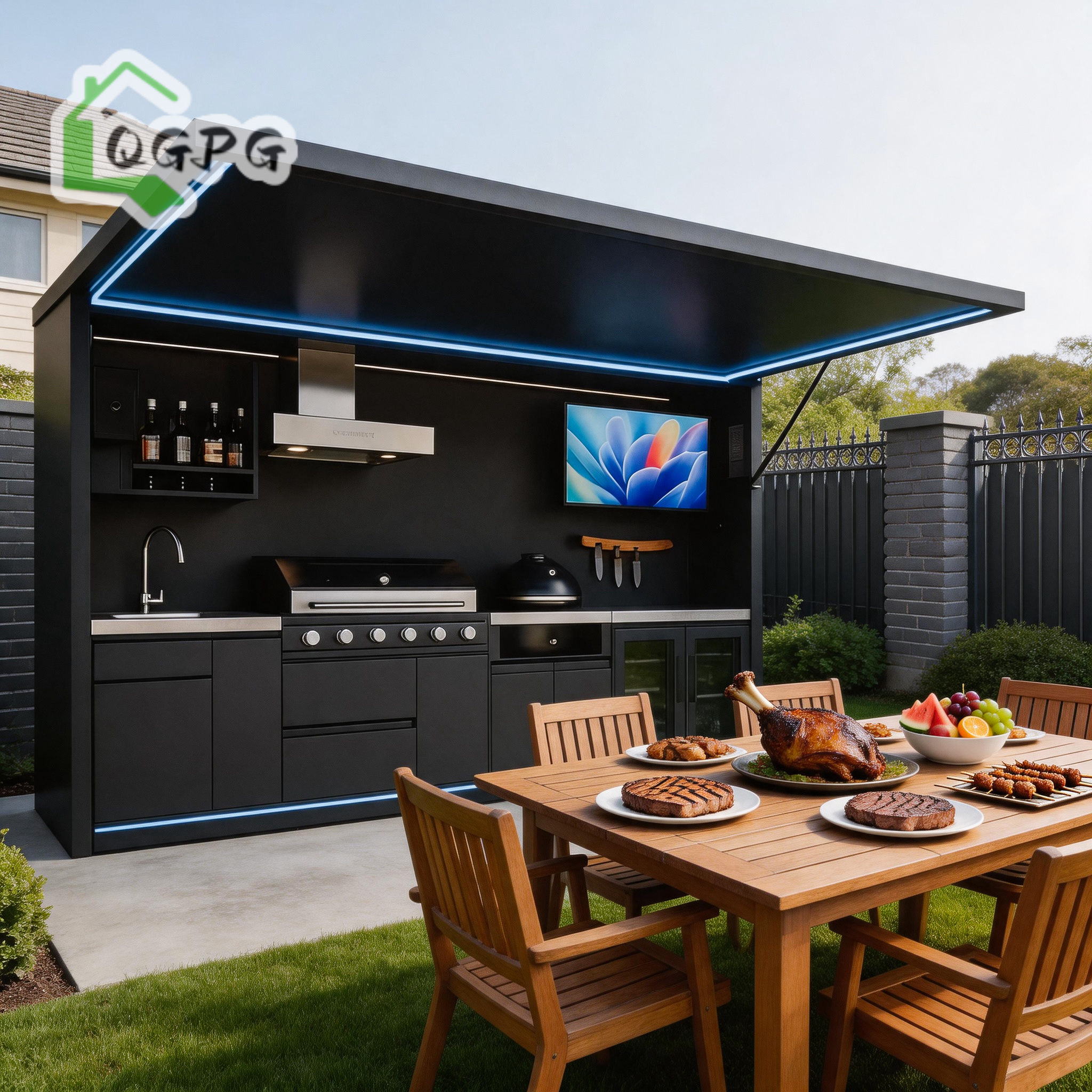
Factory Direct 304 Stainless Steel Electric Hydraulic Lift Modular Pod
View Specifications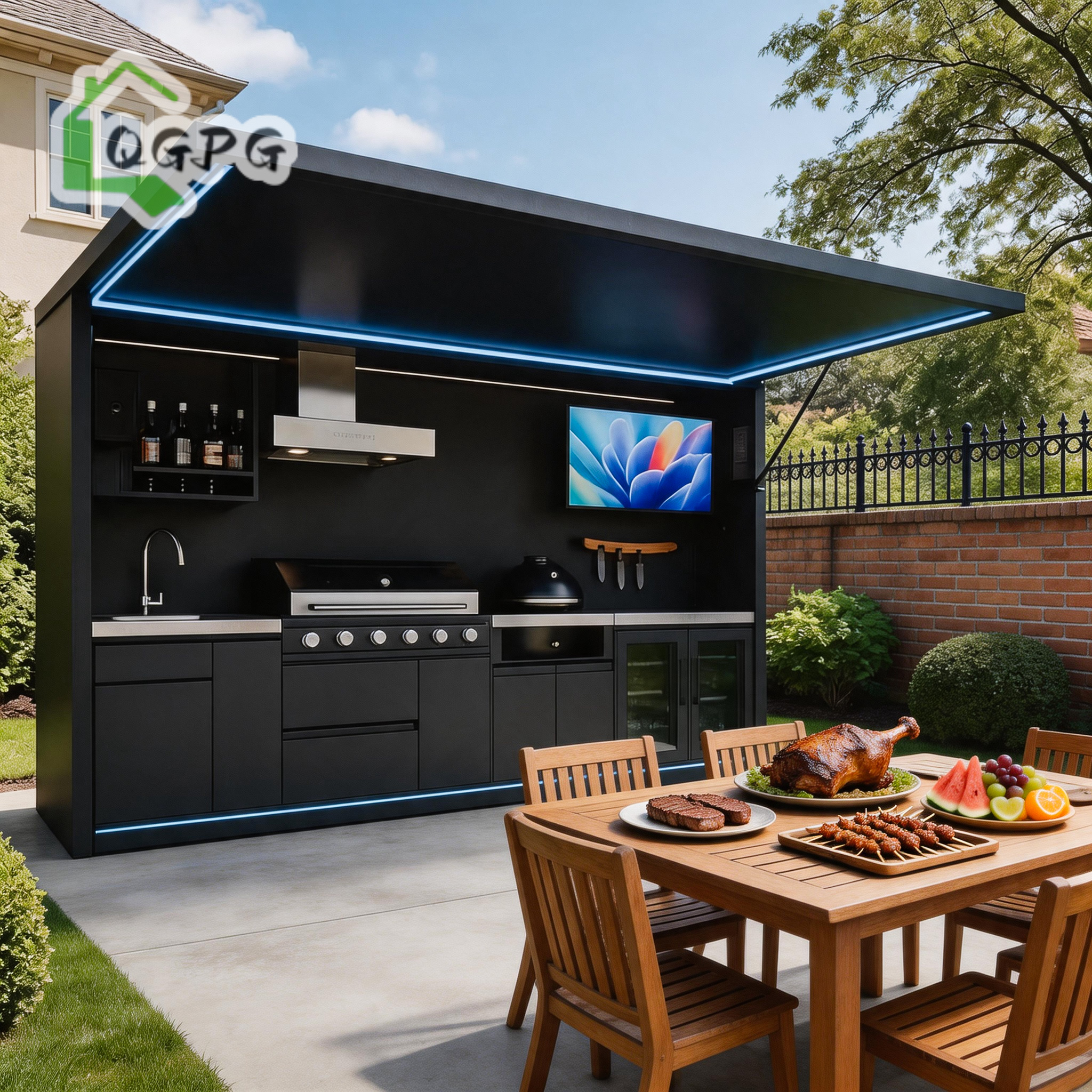
Professional Marine Grade 304 SS Motorized Retractable Roof BBQ Pod
View Specifications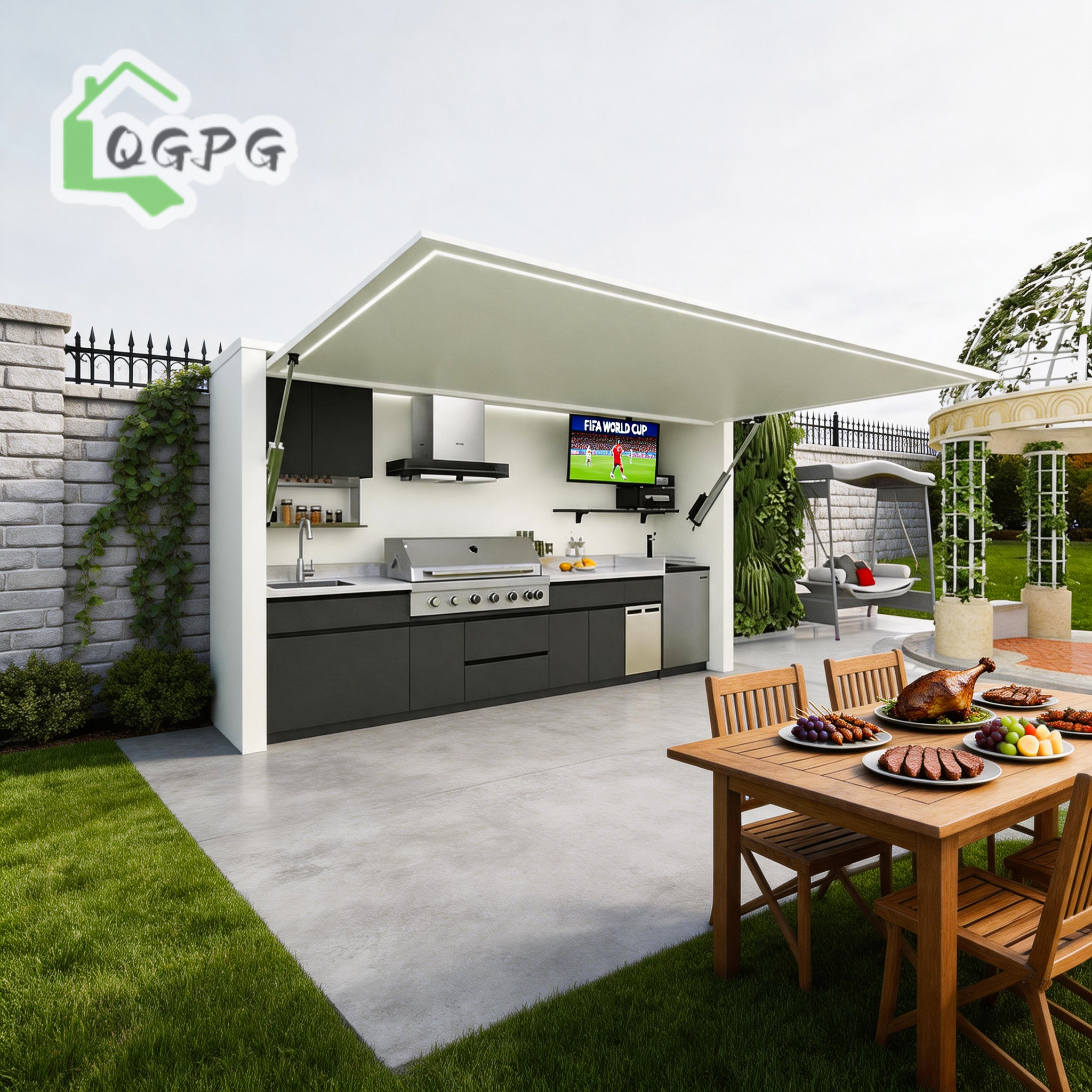
Luxury 304 Stainless Steel Electric Lift Canopy Expandable Outdoor Pod
View Specifications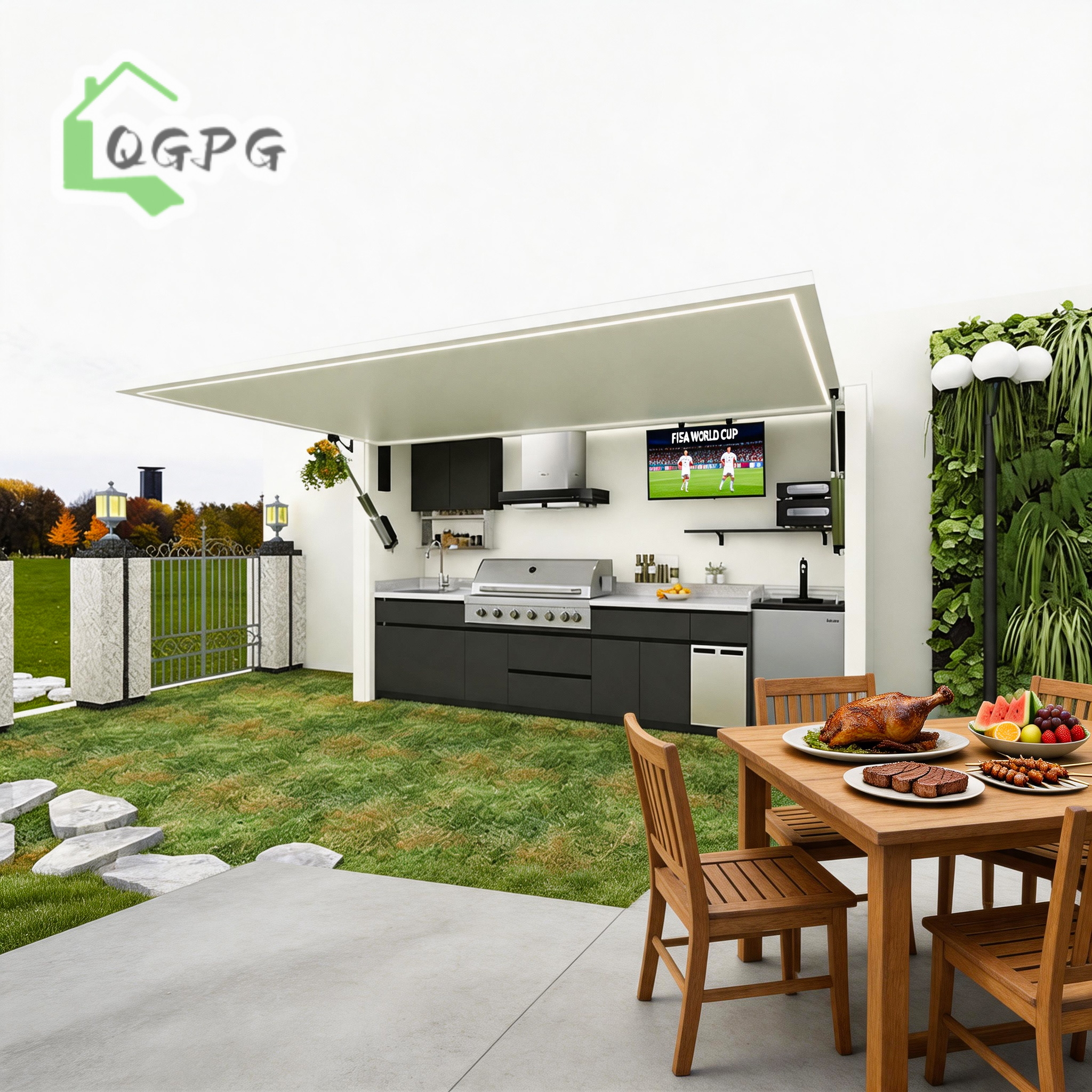
Marine Grade 304 SS Motorized Flip-up Door Modular Kitchen Pod
View Specifications1. Architectural & Engineering Whitepaper: Detachable Container Houses in Greater Mexico City
The Metropolitan Area of the Valley of Mexico (Zona Metropolitana del Valle de México - ZMVM), housing over 21 million inhabitants across Mexico City (CDMX) and surrounding Estado de México municipalities, represents one of the most complex urban building environments in Latin America. Procuring prefabricated structural solutions in this region demands strict adherence to local geotechnical, climatic, and regulatory realities. As premier detachable container house suppliers and wholesalers serving the Mexico City market, Hebei BSU Building Materials Technology Co., Ltd. delivers structural steel modular units engineered explicitly for high-altitude, seismic-active lacustrine subsoils.
Unlike traditional masonry construction (mampostería confinada) which suffers from protracted labor timelines, high structural weight, and susceptibility to ground deformation in CDMX's historic lakebed zones (Zona III), detachable modular container houses provide an advantageous strength-to-weight ratio. Built using knock-down panelized components, these units drastically cut ocean logistics volume, simplify inland trucking from entry ports like Veracruz or Manzanillo through high-altitude corridors, and assemble rapidly in constrained urban footprint zones such as Santa Fe, Cuauhtémoc, Iztapalapa, and industrial parks in Tlalnepantla and Cuautitlán Izcalli.
Technical Matrix: Detachable vs. Alternative Prefab Systems in Central Mexico
| Structural Parameter | BSU Detachable Unit | Flat-Pack Container | Expandable Home Unit | Traditional CDMX Masonry |
|---|---|---|---|---|
| Seismic Performance (RCDF Zone III) | High Ductility (Elastic Frame Joints) | Moderate Rigid Ductility | Controlled Hinged Joints | Brittle (Requires Heavy Footings) |
| Freight Packing Efficiency | Maximum (1x 40HQ holds 10-12 units) | High (1x 40HQ holds 6-8 units) | Medium (1x 40HQ holds 2 units) | N/A (Raw Materials In-situ) |
| Assembly Speed (Per 20ft Module) | 3-4 Hours (3 Technicians) | 2-3 Hours (4 Technicians) | 1 Hour (2 Technicians) | 3-5 Weeks |
| Thermal Core Option (CDMX Climate) | 50-100mm PIR / Rockwool (R-18 to R-30) | 50-75mm EPS / Rockwool | 50-75mm EPS / PU | Red Brick / Uninsulated Concrete Block |
| Site Access Adaptability | Exceptional (Man-portable panels) | Requires Crane Access | Requires Flat Access Road | Requires Heavy Machinery |
2. High-Density Application Scenarios Across the CDMX Metropolitan Ecosystem
Our wholesale supply capabilities cater directly to commercial developers, civil engineering firms, mining organizations, and municipal authorities operating throughout Central Mexico. By offering customized panel cutouts, pre-plumbed sanitation conduits, and customizable exterior cladding, our detachable container units serve diverse localized functions:
Nearshoring Industrial Base Camps
Driven by the nearshoring boom expanding across the State of Mexico (Estado de México) and Hidalgo trade corridors, manufacturing facilities require instant administrative offices, supervisor command centers, and worker dormitories. Detachable units ship flat, maximizing container space during sea transit, and are erected directly on simple concrete slab foundations or screw piles within hours.
Urban Infill & Commercial Pop-Ups
In high-density CDMX boroughs like Cuauhtémoc, Condesa, and Polanco, space constraints prohibit heavy construction equipment. Detachable container components can be hand-carried through narrow alleys or courtyard access points to construct multi-level retail kiosks, specialty coffee bars, outdoor modular kitchen stations, and temporary sales galleries without blocking urban traffic.
Emergency Infrastructure & Medical Pods
Given the Valley of Mexico's exposure to seismic activity, rapid-deploy medical triage pods, emergency relief shelters, and field command centers are essential municipal assets. BSU detachable container systems offer zero-delay bolt assembly with pre-wired conduit channels meeting NOM-001-SEDE electrical standards for rapid utility tie-in.
3. Mexico City Sourcing Trends, Regulatory Compliance & Logistics Engineering
Navigating the import and deployment of structural modular housing into Mexico requires a sophisticated understanding of logistics corridors and local building norms. Sourcing directly from Hebei BSU Building Materials Technology Co., Ltd. ensures seamless alignment with Mexican procurement requirements:
Seismic Compliance & RCDF Guidelines
Building codes in Mexico City are governed by the strict Reglamento de Construcciones para el Distrito Federal (RCDF) and its technical norms (Normas Técnicas Complementarias). Our engineering team designs detachable steel frames with high-ductility cold-formed Q235B and Q345B steel profiles. The frame joints utilize high-tensile structural bolts that accommodate inter-story drift without catastrophic failure, making them inherently safer than rigid masonry structures during deep sub-basin seismic shear waves.
Port-to-Site Freight Optimization (Veracruz / Manzanillo to CDMX)
Shipments destined for Mexico City typically arrive via the Port of Veracruz (Gulf Coast) or the Port of Manzanillo (Pacific Coast). Freight transit from port to the Valley of Mexico involves navigating steep mountain highways (such as the 150D highway from Veracruz reaching elevations above 2,400m). Traditional fully-assembled container homes generate massive "shipped air" volume, inflating freight fees. Our detachable container house wholesale model stacks structural columns, corner fittings, top/bottom frame rings, and wall panels tightly into 40ft High Cube containers, reducing per-unit freight costs by up to 75% compared to assembled units.
High-Altitude Thermal Management
Mexico City sits at an altitude of 2,240 meters above sea level. This high elevation results in high solar UV index exposure during daylight hours, coupled with rapid radiational cooling at night (where temperatures frequently dip to 5°C in winter). BSU detachable panels incorporate UV-stabilized exterior PPGI steel sheets (0.4mm - 0.6mm thickness) with polyurethane or rockwool cores. This barrier prevents thermal bridging, ensuring indoor climate stability without excessive air conditioning or heating energy demands.
4. Enterprise Strengths: Verified Custom Manufacturing Capability
Hebei BSU Building Materials Technology Co., Ltd. stands out in the international B2B prefabricated housing sector as an authentic, audited manufacturer rather than a trading intermediary. Overseas buyers in Mexico City can verify our operational capacity through independent, third-party credentials:
Intertek On-Site Assessed Facility
Our manufacturing plant in Hebei, China has passed detailed physical audits by Intertek. The assessment validates our production infrastructure, raw material inspection protocols, robotic welding lines, and environmental compliance systems.
80+ Engineering & Production Experts
With over 80 dedicated staff members spanning structural engineering, CAD drafting, international trade logistics, and pre-shipment quality control, BSU delivers tailored architectural modifications matching specific CAD drawings supplied by CDMX clients.
Pre-Shipment Trial Assembly QC
Before any container house order leaves our factory, sample units undergo rigorous trial assembly. We test frame squaring, waterproof rubber gasket sealing, electrical circuit continuity, and structural paint thickness to guarantee zero site-fitting errors in Mexico.
5. Frequently Asked Questions for Mexico City Procurement Managers
Below are critical technical and commercial answers tailored for project developers, civil contractors, and hardware wholesalers importing container houses into the CDMX region.
How do detachable container houses withstand Mexico City’s Zone III lakebed ground movements?
What is the import tariff and customs procedure for shipping container units into Mexico?
Can BSU detachable container units be customized to meet NOM electrical and plumbing standards?
How are detachable container units delivered to dense CDMX urban sites with limited road access?
What thermal insulation option is recommended for Mexico City's climate?
What is the typical production and shipping timeline from Hebei, China to CDMX?
Engineering Your Modular Project in Mexico City
Connect with our technical design team today. Obtain tailored CAD layouts, structural load calculations, and wholesale FOB/CIF pricing for your project in Central Mexico.
Get a Quote