Recommended Expandable & Modular Pod Solutions
Explore our premium grade expandable container homes and outdoor modular utility pods manufactured with hot-dip galvanized steel frames, marine-grade corrosion coatings, and plug-and-play architectural components.
Industrial White Paper: Expandable Housing Engineering in Tonga
Analyzing structural survival, tropical building physics, and import economics across the South Pacific archipelago.
The Kingdom of Tonga presents a unique geographical environment for structural engineering and residential construction. Situated along the Pacific "Ring of Fire" and directly exposed to the South Pacific tropical cyclone belt, housing infrastructure in Tonga must endure extreme physical challenges: Category 5 cyclone wind velocities exceeding 250 km/h, heavy airborne salt spray corrosion, intense UV radiation, high relative humidity (averaging 75%–85% year-round), and seismic soil instability.
Traditional wood-frame and concrete masonry unit (CMU) construction in Tonga face severe pain points. Local timber is prone to rapid termite infestation and damp rot, while imported Portland cement and aggregate suffer from astronomical shipping overheads and extended freight delays. Furthermore, post-disaster recovery efforts following events like Cyclone Gita and the Hunga Tonga–Hunga Ha'apai eruption highlighted the critical vulnerability of traditional builds and the imperative need for rapid-deployment modular structures.
As a leading verified custom manufacturer, Hebei BSU Building Materials Technology Co., Ltd. supplies Tonga's commercial developers, housing contractors, and local wholesalers with factory-engineered, structural-steel Expandable Container Homes. Engineered explicitly to solve South Pacific island procurement hurdles, our expandable units transition from a compact 20ft ISO shipping footprint during ocean freight into a expansive 37m² to 74m² living space within 2 hours of site unloading.
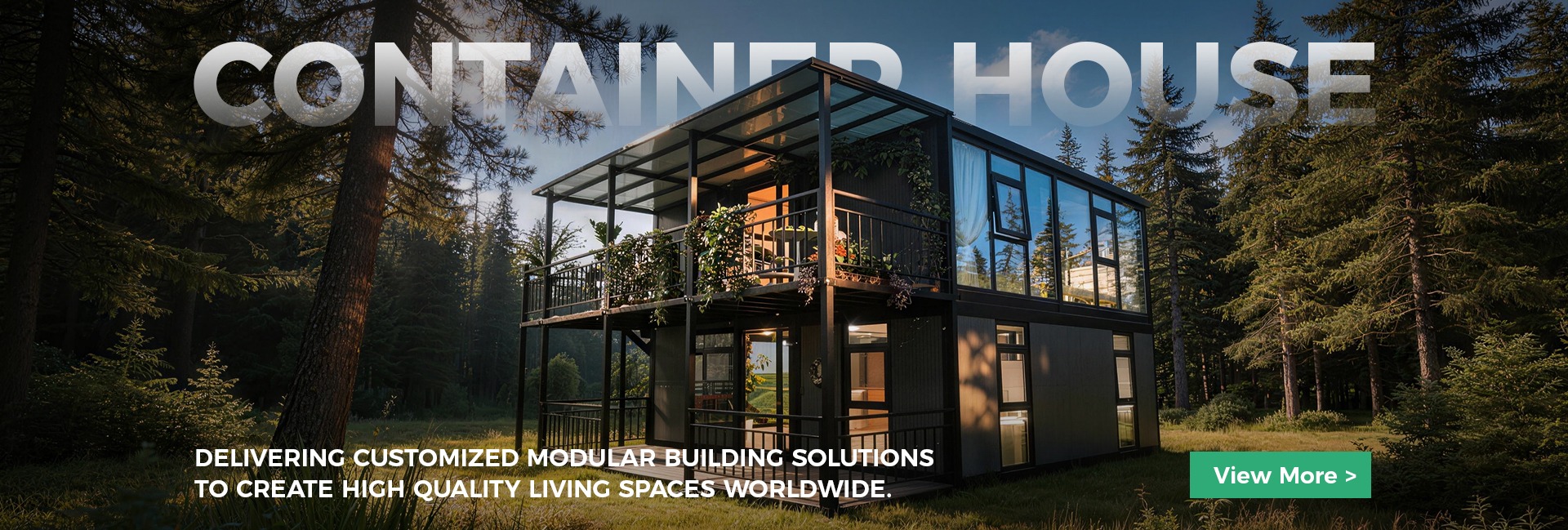
Engineering Architecture & Tropical Weatherization
Information gain breakdown: How BSU expandable container structures outperform conventional modular housing in tropical maritime climates.
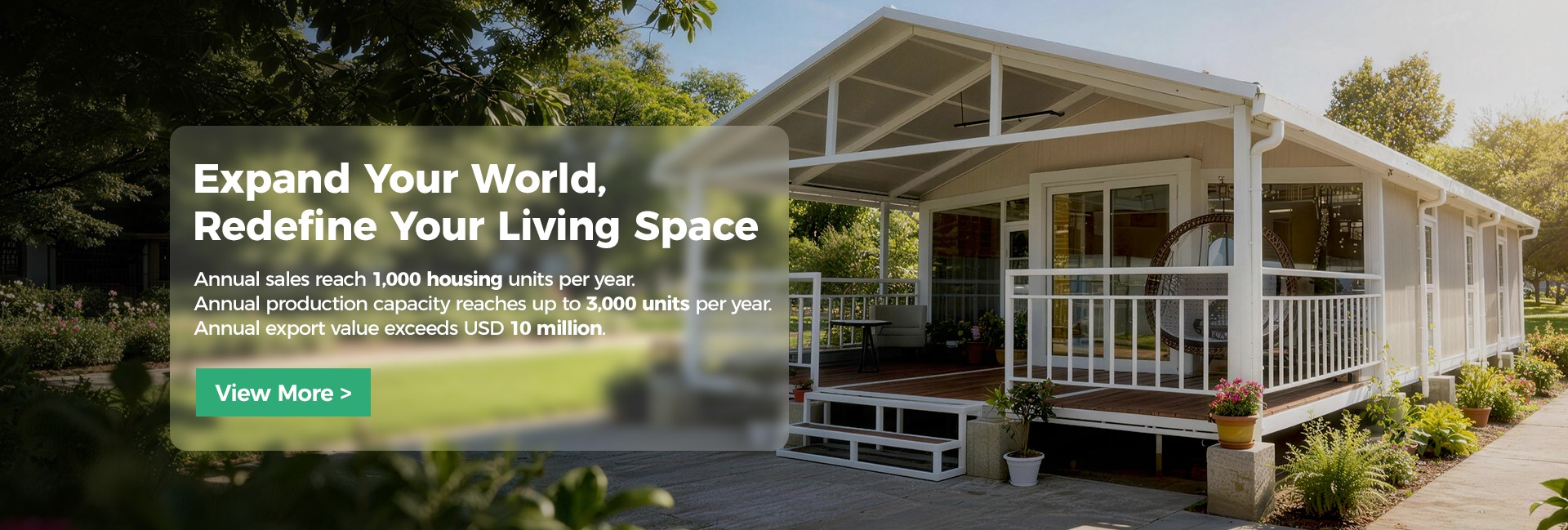
Heavy-Duty Structural Framework
Every BSU expandable unit utilizes a cold-formed, fully welded Q235B steel primary frame with hot-dip galvanization thickness of no less than 275 g/m² (Z275 standard). Wall sub-frames and roof purlins are protected by a triple-layer fluorocarbon (PVDF) marine coating system designed to resist sodium chloride crystallization and salt-spray oxidation in coastal areas such as Nuku'alofa and Neiafu.
Thermal Insulation & Vapor Control
Traditional expanded polystyrene (EPS) panels often deteriorate when exposed to sustained tropical humidity. BSU incorporates high-density Polyurethane (PU) injection or rigid Rockwool sandwich panels with tongue-and-groove waterproof joints. This prevents interstitial condensation, deters mold growth, and reduces internal air-conditioning thermal loads by up to 42%, drastically cutting electricity costs in island territories reliant on imported diesel power.
| Engineering Parameter | BSU Expandable Container Units | Standard Light-Gauge Flat Packs | Traditional Tongan Blockwork |
|---|---|---|---|
| Cyclonic Wind Tolerance | Tested up to 250 km/h (Category 5) | 120–150 km/h (Requires tie-downs) | Vulnerable to roof shear & collapse |
| Corrosion Protection Grade | Hot-Dip Galvanized + C4/C5 Marine PVDF Coating | Standard Electro-galvanized Primer | Exposed Rebar Degradation Over Time |
| On-Site Assembly Time | 1.5 to 2 Hours (2-3 Workers) | 1 to 2 Days per Unit | 3 to 6 Months Construction Cycle |
| Ocean Freight Ratio | 1 x 40'HQ fits 2 to 3 Complete 20' Units | 1 x 40'HQ fits 4 Flat Packs | Extremely High Raw Material Freight Bulk |
| Seismic Shock Absorption | Flex-resistant Ductile Steel Box (Grade 8.0) | Moderate Structural Rigidity | Rigid & Brittle (Cracking under tremors) |
| Electrical Compliance | Pre-wired AS/NZS 3000 Standard (240V/50Hz) | Generic Wiring (Requires Rewiring) | Manual Conduit Laying On-Site |
Localized Applications Across the Tongan Archipelago
Custom-built modular configurations adapted to the economic and logistical requirements of Tongatapu, Vava'u, Ha'apai, and 'Eua.
Eco-Resorts & Island Hospitality in Vava'u
The island group of Vava'u is world-renowned for eco-tourism and whale-watching retreats. BSU expandable container homes can be configured as luxury 2-bedroom overwater or beachside bungalows with floor-to-ceiling glass sliding doors, timber-plastic composite (WPC) wrap-around decks, and off-grid solar roof integration. Units ship completely pre-plumbed, allowing resort operators to deploy guest accommodations without disrupting delicate coastal ecosystems or relying on scarce local construction crews.
Disaster Resilience & Reconstruction in Tongatapu
In the wake of tropical storms, immediate shelter deployment is paramount. Our expandable units can be truck-transported directly from the Queen Salote Wharf in Nuku'alofa to site locations. Because electrical cabling, interior partitions, double-glazed windows, and sanitary facilities are pre-installed in our factory, emergency disaster management housing can be operational within hours of delivery.
Government Infrastructure & Health Clinics
Remote Tongan islands frequently face shortages of medical clinics, administrative facilities, and staff quarters. BSU expandable containers can be pre-configured as sterile medical pods, police posts, or school classrooms. Equipped with integrated air-conditioning ducting, non-porous antibacterial PVC flooring, and heavy-duty insulated walls, these modules satisfy Tongan public health standards.

Residential Family Compounds & Subdivisions
Family life in Tonga emphasizes multi-generational living and community gather spaces. BSU’s double-sided expandable models feature an open-plan living room with up to three private bedrooms, an integrated kitchenette, and a fully outfitted bathroom (including toilet, glass-partition shower, and sink).
Local building wholesalers in Nuku'alofa can stockpile collapsed 20ft units in stockyards. When a customer purchases a home, the compact box is delivered to their land allotment via standard crane truck, expanded on simple concrete piers, and connected to septic tanks and rainwater collection tanks immediately.
Enterprise Strengths & Direct Factory Capability
Why Tongan importers, government procurement bodies, and building supply wholesalers partner directly with Hebei BSU.
Intertek-Assessed Factory Facility
Hebei BSU Building Materials Technology Co., Ltd. is an Intertek-verified custom manufacturer operating dedicated steel fabrication, sandwich panel pressing, and modular assembly workshops in Hebei, China. Importers can audit our production capacity via third-party reports, panoramic VR tours, or live video inspections.
AS/NZS Structural & Electrical Compliance
Tonga strictly follows joint Australian/New Zealand building codes (AS/NZS 1170 for structural loads, AS/NZS 3000 for electrical wiring, and AS/NZS 3500 for plumbing). BSU manufactures all island-destined units with SAA-certified wiring, circuit breakers, power outlets, and plumbing fixtures matched to South Pacific grid frequencies (240V/50Hz).
Marine Freight Optimization & Custom Packing
Shipping to the Port of Nuku'alofa carries high ocean freight tariffs. BSU engineers optimize the folded dimensions of each expandable container home so that up to two complete 20ft units fit inside a single 40ft High Cube container, reducing freight costs per square meter of living space by up to 50% compared to rigid modular pods.
End-to-End OEM / ODM Customization
From altered floor plan layouts, internal wall finishes, and custom exterior cladding (WPC decorative louvers, metal carved panels) to integrated rooftop solar arrays and rain catchment gutters—BSU's in-house engineering team provides full CAD/3D architectural rendering support before production begins.

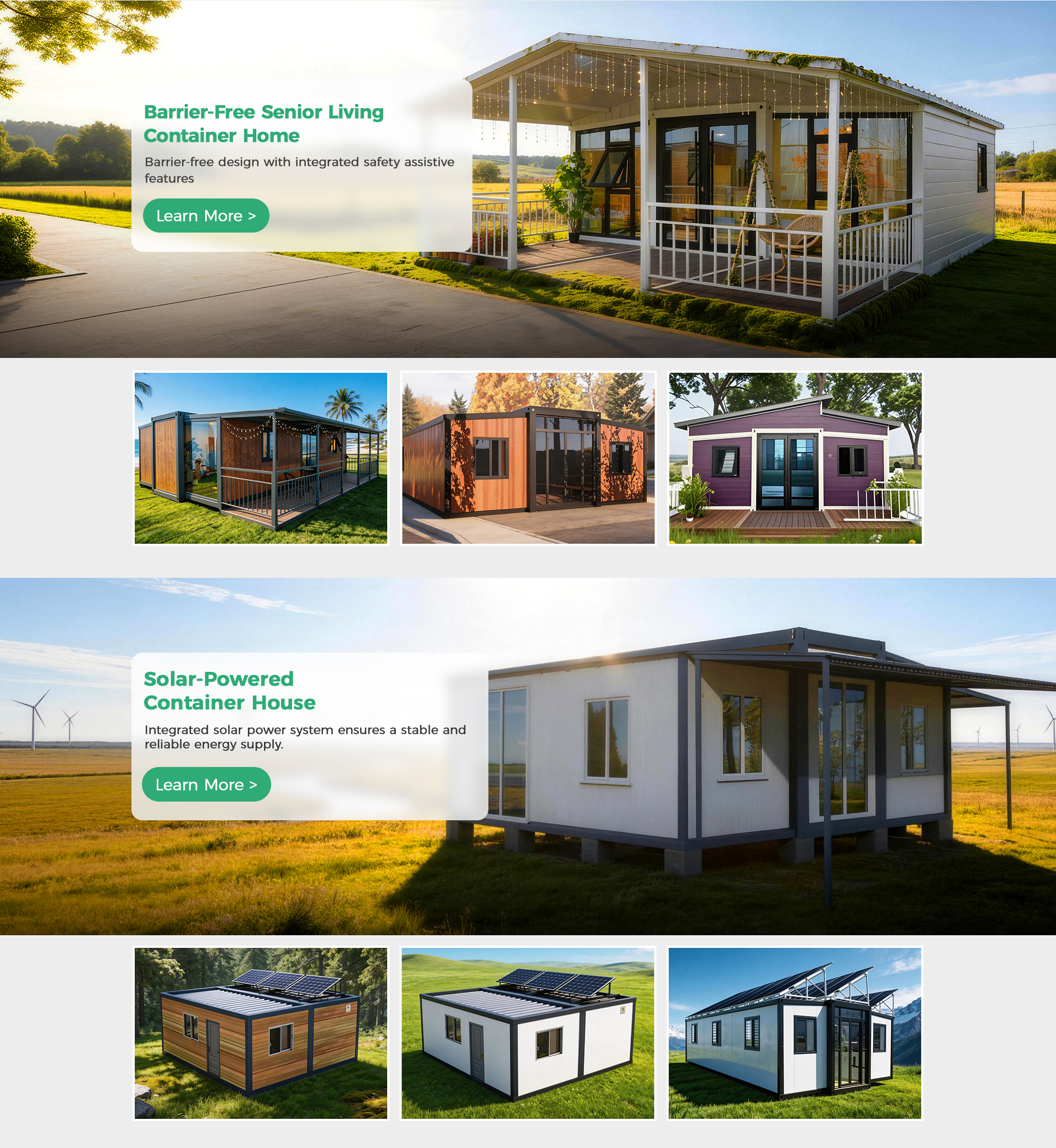
Frequently Asked Questions for Tonga Wholesalers & Importers
Addressing common technical, shipping, regulatory, and commercial inquiries from South Pacific buyers.
How do BSU expandable container homes withstand Tonga's coastal salt spray and humidity?
What wind speed rating do these expandable homes hold during South Pacific cyclone seasons?
How many expandable units can be shipped per ocean freight container to Nuku'alofa Port?
Are the electrical and plumbing systems pre-installed to local Tongan building requirements?
Can these expandable units be erected on off-grid outer islands without heavy machinery?
What is the typical production lead time and shipping duration to Tonga?
Partner with China's Premier Modular Manufacturer
Are you a building materials distributor, general contractor, or resort developer in Tonga? Contact Hebei BSU Building Materials Technology Co., Ltd. today to receive wholesale price lists, structural engineering calculations, and container loading plans.