Standard & Custom Modular House Units
Engineered to comply with Hungarian MSZ EN standards, our factory-fabricated folding and expandable modules provide energy-efficient, rapidly deployable living and commercial spaces.
Engineering Modular Architecture for Southern Transdanubia
A Comprehensive Technical Sourcing Report for Developers, Municipal Planners, and General Contractors in Pécs and Baranya County
1. Microclimate Physics & Thermal Insulation Thresholds in Pécs
Pécs, situated on the southern slopes of the Mecsek Mountains in Baranya County, exhibits a distinct sub-Mediterranean microclimate characterized by hot, dry summers and damp, freezing winter snaps. Standard prefabricated structures frequently suffer from thermal bridging and interstitial condensation under these microclimatic variances. Our engineering framework integrates high-density Polyisocyanurate (PIR) cores and hydrophobic Rockwool sandwich panels to maintain structural envelope compliance with Hungarian NZEB (Nearly Zero-Energy Buildings) directives.
By implementing broken-bridge thermal aluminum joinery combined with double-argon low-emissivity glazing, Hebei BSU modular units deliver thermal envelope values of U ≤ 0.18 W/m²K for exterior walls and U ≤ 0.14 W/m²K for roof assemblies. This drastic reduction in thermal loss minimizes localized HVAC energy consumption, making folding modular units optimal for year-round residential, academic, and industrial utilization across the Southern Transdanubian region.
Every structural corner connection and perimeter beam in our folding container models features an integrated EPDM weather-sealing membrane paired with thermal break gaskets. This design eliminates cold bridging across the galvanized steel frame, preventing internal mold formation during winter temperature shifts down to -15°C.
2. Seismic Resiliency & Wind Load Engineering (MSZ EN Standard Compliance)
The geography surrounding the Mecsek fault line requires modular construction systems to withstand localized seismic accelerations. Our factory-fabricated folding modular houses are modeled under Eurocode 3 (Design of steel structures - EN 1993) and Eurocode 8 (Design of structures for earthquake resistance - EN 1998). Utilizing high-tensile Q355B galvanized steel main frames reinforced with corner casting nodes, BSU units withstand ground acceleration rates up to PGA 0.15g and wind pressure speeds exceeding 120 km/h (compliant with MSZ EN 1991-1-4).
3. Supply Chain Logistics: From Factory Floor to Baranya County
Transporting heavy structural modules across international trade routes requires dense packing geometry. BSU's patented folding container system compresses a full-scale 20ft living unit down to a height of just 380mm to 580mm. Up to 6 to 8 folded units can be packed into a single 40ft High Cube sea container, landing via the Adriatic maritime gateway (Port of Koper or Port of Rijeka) and transitioning seamlessly onto the M6 motorway directly into Pécs. This logistical efficiency reduces sea freight expenditure per unit by up to 75% compared to pre-assembled volumetric containers.
| Structural Parameter | BSU Folding Modular Unit | Traditional Flat Pack Container | On-Site Brick Construction |
|---|---|---|---|
| Assembly Speed | 15-20 Minutes / Module | 4-6 Hours / Module | 6-12 Months |
| Thermal Insulation (U-Value) | 0.18 W/m²K (PIR / High-Density Rockwool) | 0.35 W/m²K (EPS Core) | 0.22 W/m²K (Brick + Mineral Wool) |
| Freight Density | 8 Units in 1x 40HQ Container | 4 Units in 1x 40HQ Container | Requires Raw Material Bulk Trucks |
| Seismic Resistance | Eurocode 8 (PGA 0.15g) Ductile Steel Frame | Moderate (Bolted Panel Connections) | Rigid Masonry (Requires Heavy Steel Reinforcement) |
| Structural Service Life | 50+ Years (Hot-Dip Galvanized >275g/m²) | 15-20 Years | 75+ Years |
Baranya County Strategic Application Scenarios
Modular structural modules customized for specific regional industries, urban expansions, and rural developments in Southern Transdanubia.
1. Pécs Industrial & Tech Park Construction Camps
With rapid expansion occurring near the Southern Pécs Industrial Zone and along the M6 motorway logistics corridor, contractors require scalable, relocatable workforce accommodation. BSU folding modular houses serve as multi-story dormitories, site management offices, and sanitary pods. Units can be deployed within hours, relocated as project phases evolve, and stored flat when idle.
2. Mecsek Eco-Resort & Villány Wine Region Glamping Units
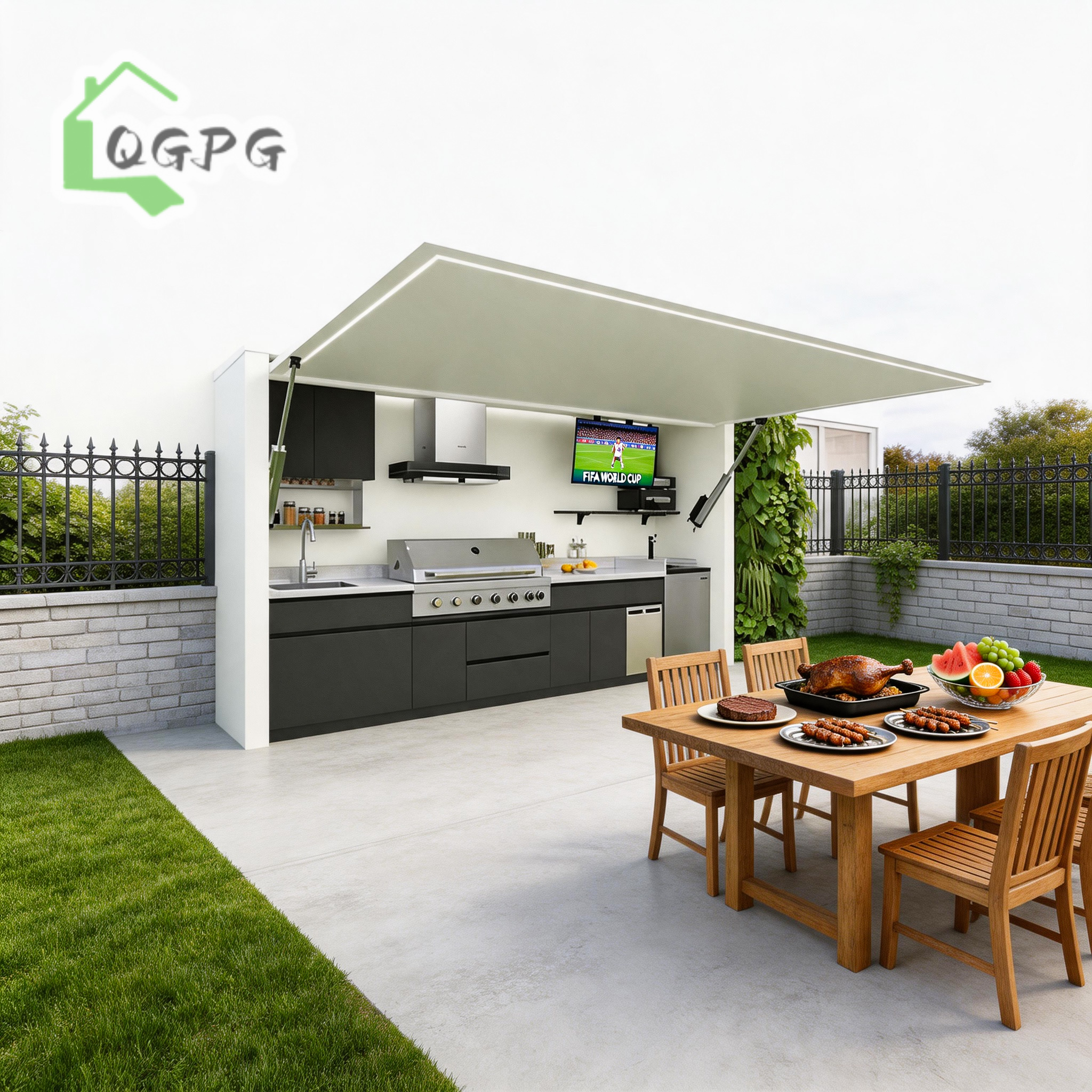
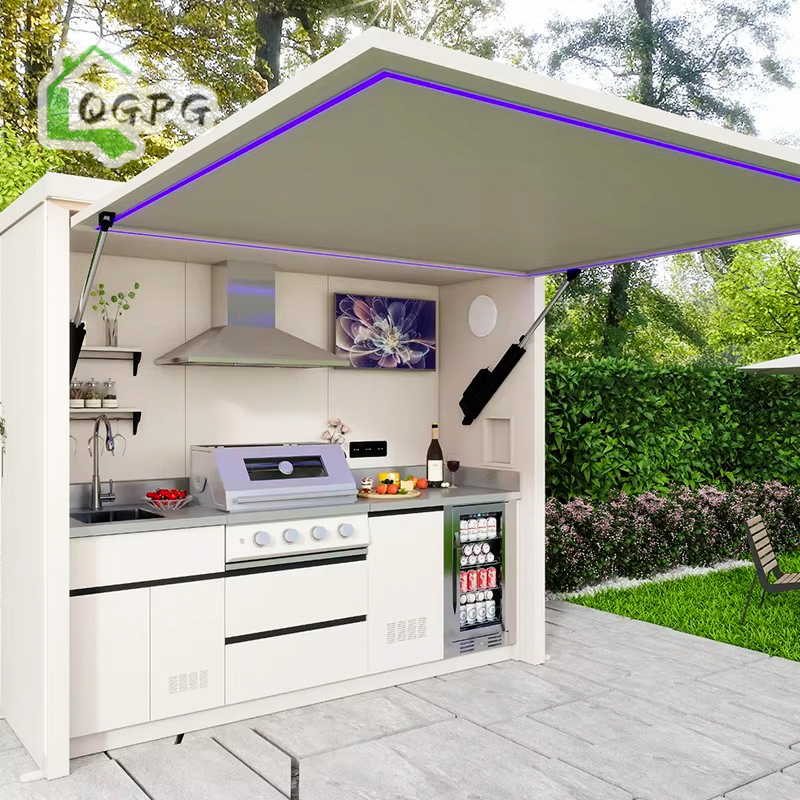
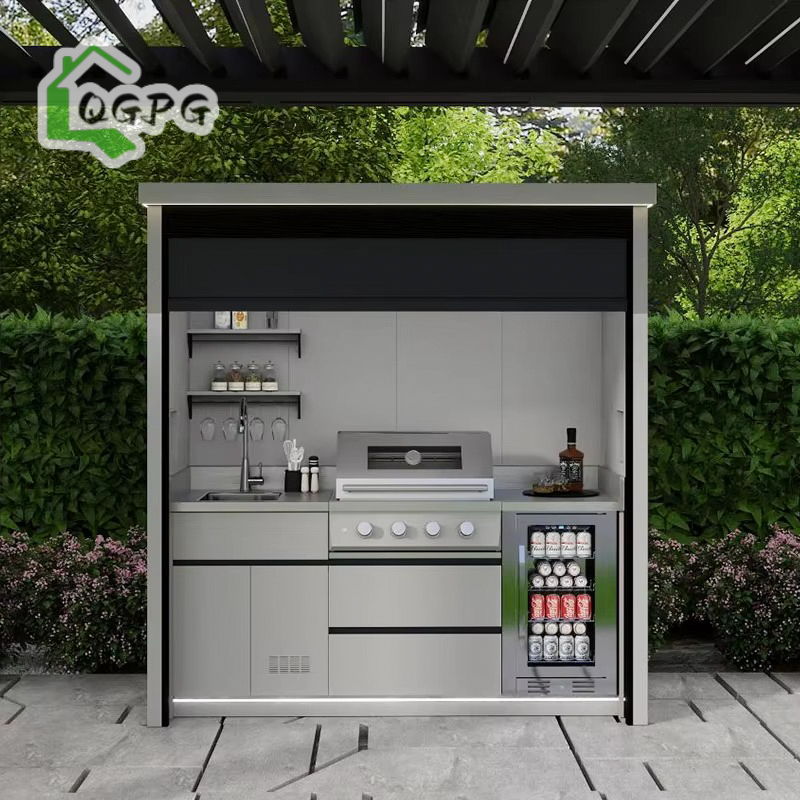
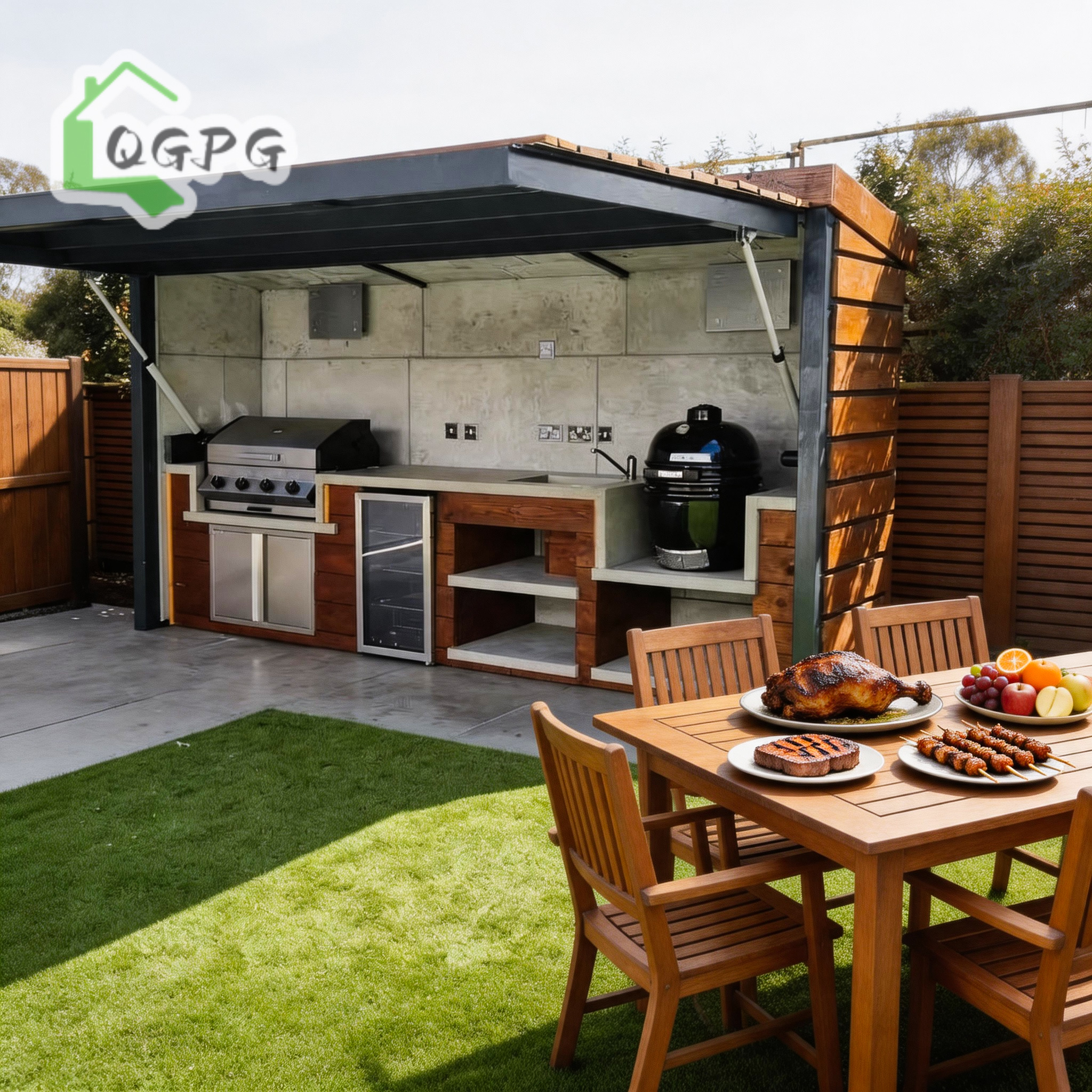
The flourishing eco-tourism sector in the Mecsek Hills and wine hospitality in Villány demand minimal site disturbance and natural aesthetic integration. Our OEM custom exterior timber-cladding options, panoramic floor-to-ceiling double glazing, and integrated outdoor kitchen modules allow hospitality operators to construct luxury boutique cabins without permanent land disruption or lengthy construction permits.
3. University of Pécs Student Accommodation Micro-Pods
As one of Hungary's premier academic centers, Pécs faces seasonal housing demand spikes for university students. BSU expandable and folding modular units can be configured into modern, sound-insulated student studio apartments featuring built-in electrical trunking, HVAC ducting, private wet-room bathrooms, and kitchenette modules.
4. Municipal Emergency & Transitional Public Housing
For municipal authorities in Baranya County needing rapid emergency response shelters or transitional housing modules, BSU folding container houses offer immediate plug-and-play capability. Pre-wired and pre-plumbed at our factory, four workers can erect a fully functional shelter pod in under twenty minutes using standard lifting equipment.
Pécs & Hungarian Modular Construction Trends (2025-2030)
The Hungarian construction sector is experiencing a structural pivot toward Off-site Manufacturing (OSM) and Modular Prefabrication driven by three macro-economic factors: ongoing site labor shortages, stringent national carbon reduction goals under the Hungarian Green Bus and Energy Efficiency schemes, and escalating raw material costs for traditional masonry structures.
1. Strict Environmental & Energy Directives (NZEB Standards)
Under revised Hungarian building code regulations aligning with EU energy standards, all new structures must demonstrate low operational carbon footprints. Traditional site builds struggle with airtightness consistency. In contrast, BSU’s factory-controlled robotics ensure precise joint alignment, integrated vapor barriers, and minimal thermal bridging, comfortably surpassing local inspection checks.
2. Escalating Demand for Rapid Off-Site Execution
Commercial developers across Southern Transdanubia are replacing traditional build phases with modular off-site solutions to shorten time-to-market. By shifting structural fabrication to Hebei BSU's automated production lines, project developers reduce site construction timelines by up to 70%, mitigating financing interest risks and localized environmental disruption in urban Pécs zones.
Why Partner with Hebei BSU Technology?
Intertek-Assessed Custom Manufacturer Delivering Direct-from-Factory Engineering to European B2B Buyers
Intertek Verified Factory
Hebei BSU has passed rigorous on-site auditing by Intertek, confirming true manufacturer status, operational workshop capacity, production line safety, and documented quality control procedures. B2B buyers deal directly with our engineering core.
Full OEM/ODM Customization
We do not impose static stock templates. Our design team adjusts module dimensions, structural steel thicknesses, panel core media (PIR/Rockwool/PU), window/door placement, interior finish boards, and European electrical standards (CE/VDE compliant) per your architectural drawings.
Hot-Dip Galvanized Integrity
Main structural frames utilize heavy cold-formed Q235B/Q355B structural steel profiles treated with hot-dip galvanization (>275g/m² zinc layer coating) and fluorocarbon powder painting to resist harsh weather, coastal moisture, and atmospheric corrosion over a 50-year service life.
Export Logistics Precision
Every shipment includes custom container loading diagrams, precise weight and volume manifests, localized packing lists, and step-by-step 3D assembly manuals paired with HD video walkthroughs to guarantee effortless on-site deployment in Hungary.
80+ Dedicated Technicians
Our Hebei manufacturing facility employs over 80 verified structural engineers, certified welders, specialized QC inspectors, and international project coordinators devoted entirely to ensuring seamless project delivery across Europe.
Comprehensive Turnkey Add-Ons
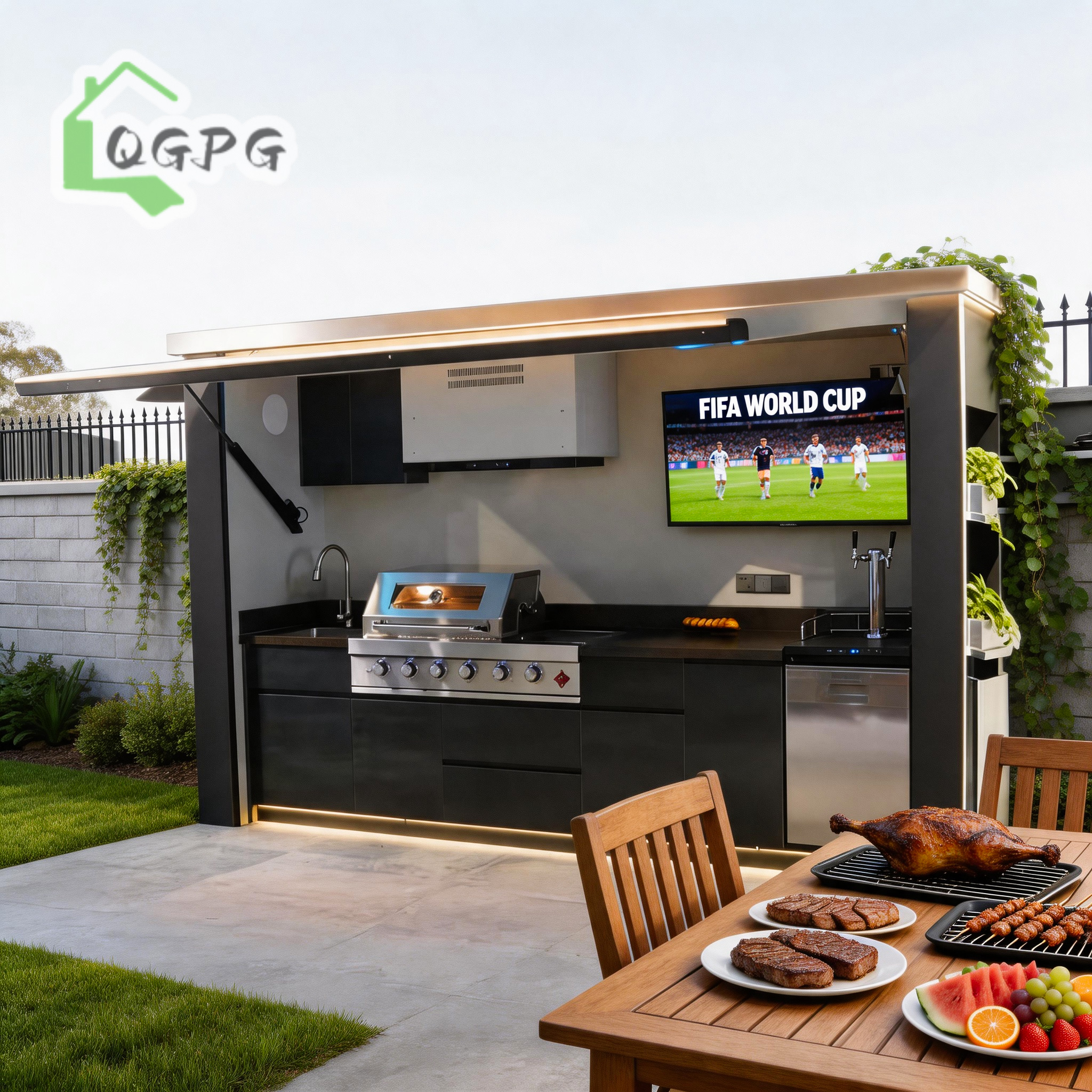
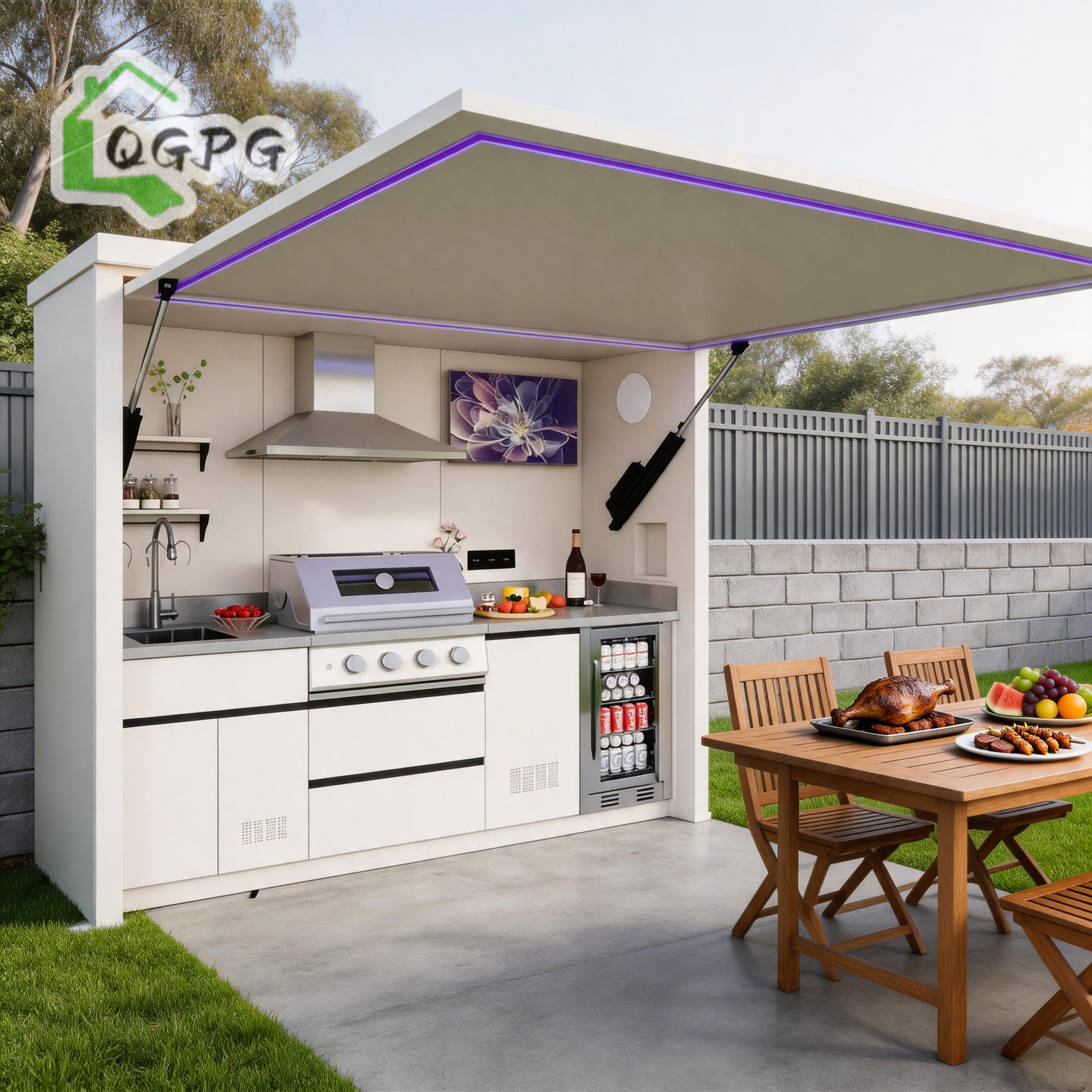
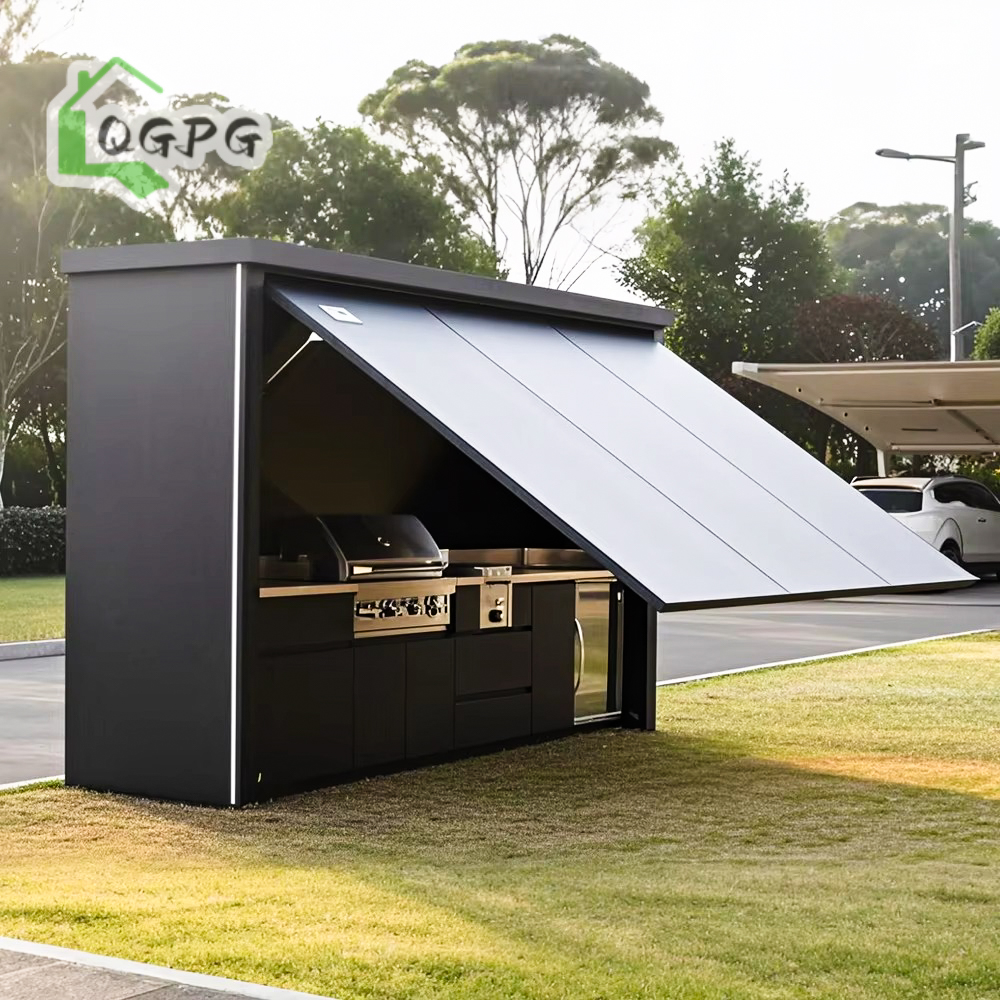
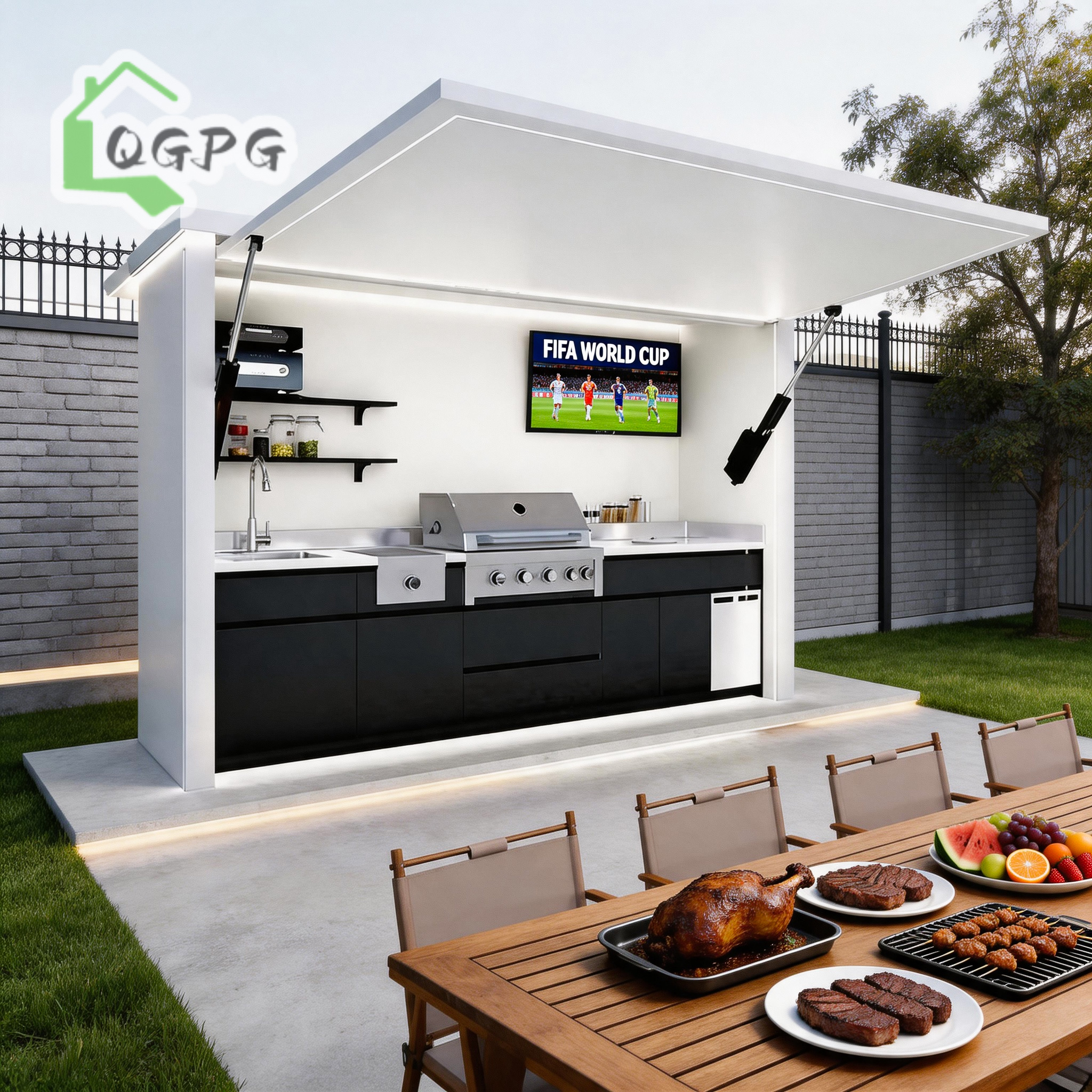
Beyond structural frames, BSU supplies integrated high-grade modular auxiliary systems—including motorized flip-up and hydraulic lift outdoor kitchen pods, sanitary restrooms, and solar power packs—for true turnkey site operationality.
Frequently Asked Questions for the Pécs Market
Clear engineering, regulatory, and shipping answers tailored for Hungarian developers, architects, and procurement officers.
Which modular house structural system is best suited for cold winters in Pécs?
For the sub-Mediterranean yet cold winter climate of Pécs, we recommend our folding container houses or expandable units upgraded with 75mm-100mm Polyisocyanurate (PIR) or high-density Rockwool sandwich panels (120kg/m³). PIR cores provide high thermal resistance (lambda value as low as 0.022 W/mK), keeping heating costs low while complying with local NZEB insulation standard thresholds.
How are BSU modular houses certified for import and placement in Hungary (EU Standards)?
Our structural steel frames are manufactured in compliance with EN 1090-2 execution standards, and structural steel components bear CE certification. Electrical wiring, breaker boxes, sockets, and lighting fixtures are supplied to meet European CE and VDE safety standards (230V/50Hz). Technical calculation files under Eurocode 3 and Eurocode 8 are provided to support local Hungarian engineering submission approvals.
What is the logistical delivery route and shipping timeline to Baranya County?
Units are packed at our Hebei facility and loaded into 40ft HQ sea containers, departing major Chinese ports (Qingdao/Tianjin) to the Port of Koper (Slovenia) or Port of Rijeka (Croatia). From the port, containers travel via direct highway transport (M6/M60 corridor) straight to your job site in Pécs. Total transit time typically ranges between 30 to 40 days.
Can BSU customize interior layouts and external finishes to match local Pécs architectural styles?
Yes. As an authentic OEM/ODM manufacturer, we offer comprehensive aesthetic customization. External walls can be clad in composite wood boards, metal embossed insulation panels, or cement fiber boards to harmoniously blend with regional Hungarian countryside aesthetics in Mecsek or modern commercial parks in Pécs. Interior partitioning, flooring, wet room placements, and kitchen module integrations are fully tailored to your CAD floor plan.
What specialized equipment is required on-site in Pécs to unfold and assemble the house?
Unfolding a BSU folding container house requires only a standard 3-ton truck crane or overhead forklift and a small team of 3 to 4 workers. The main roof frame is lifted, side walls swing out into position, and internal structural bolts are tightened. The total unfolding process takes approximately 15 to 20 minutes per module. Detailed installation video manuals and technical support line access are included with every shipment.
How does your factory ensure anti-corrosion protection for long-term outdoor exposure?
All primary and secondary steel frame profiles undergo hot-dip galvanization with a minimum zinc coating mass of 275g/m², followed by a protective electrostatic powder coating. This dual-layer treatment insulates structural members against moisture, soil contact, and seasonal frost-thaw cycles, providing a maintenance-free structural lifespan exceeding 50 years.
Request Technical Specifications & Project Pricing for Pécs
Partner directly with Hebei BSU Building Materials Technology Co., Ltd. for verified factory quality, custom engineering, and seamless export to Southern Transdanubia.