High-Performance Modular Pods & Capsule Housing Systems
Engineered with 304/316 marine-grade stainless steel frames and thermal sandwich panels specifically rated for harsh Pacific coastal saline environments.
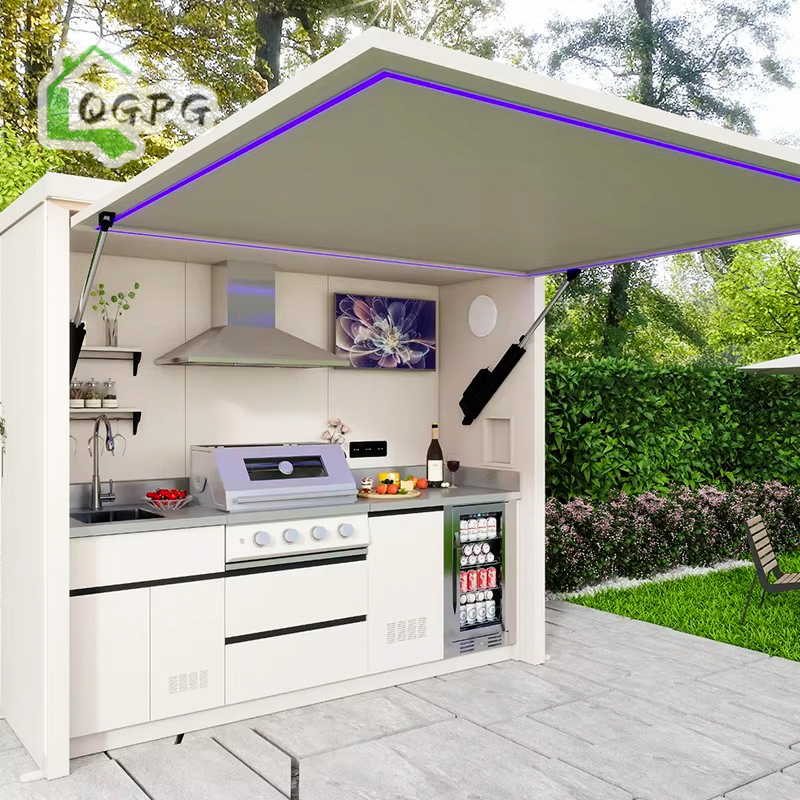
Turnkey Stainless Steel Motorized Flip-Up Outdoor Kitchen & Living Pod
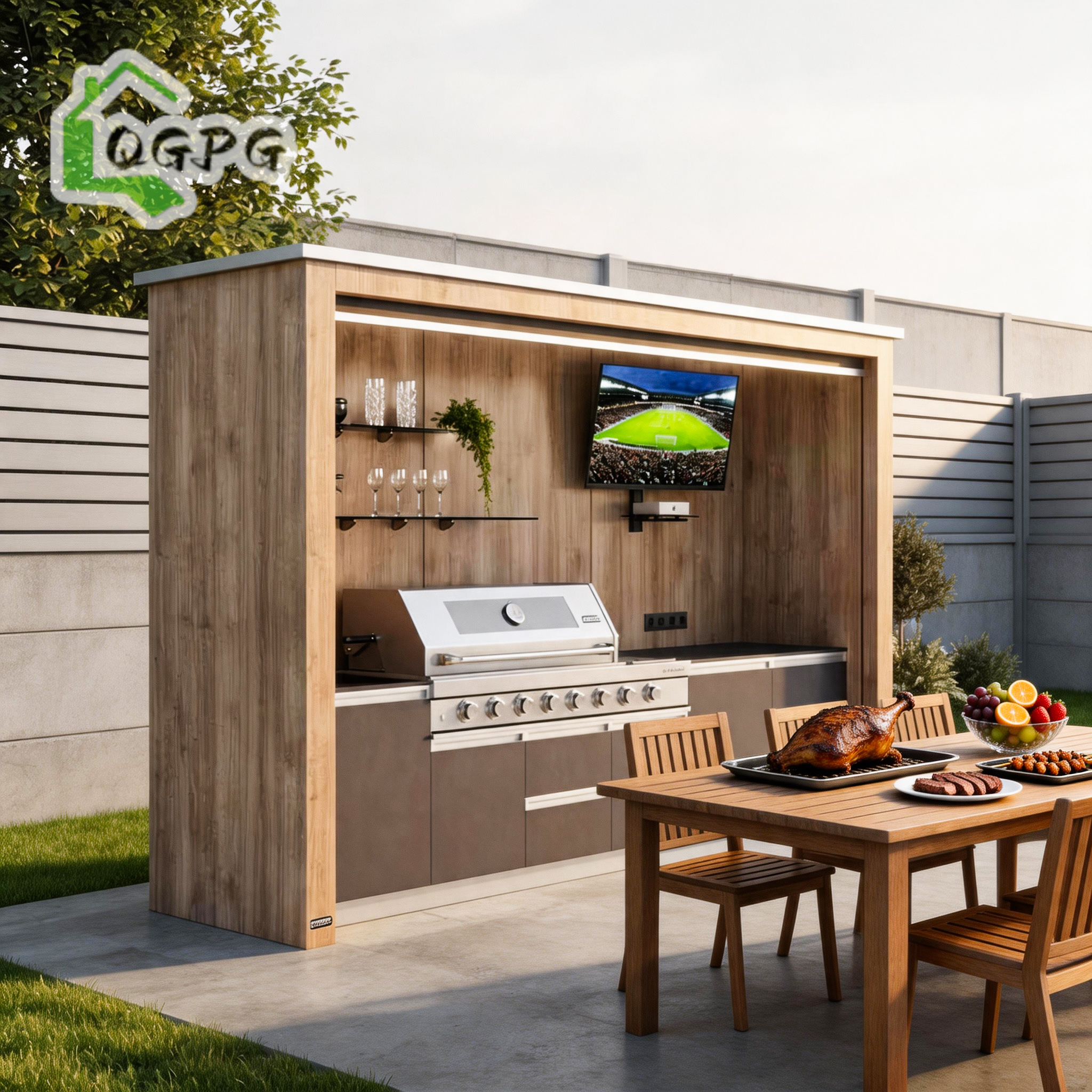
Premium 304 Stainless Steel Hydraulic Canopy Enclosed All-Weather Pod
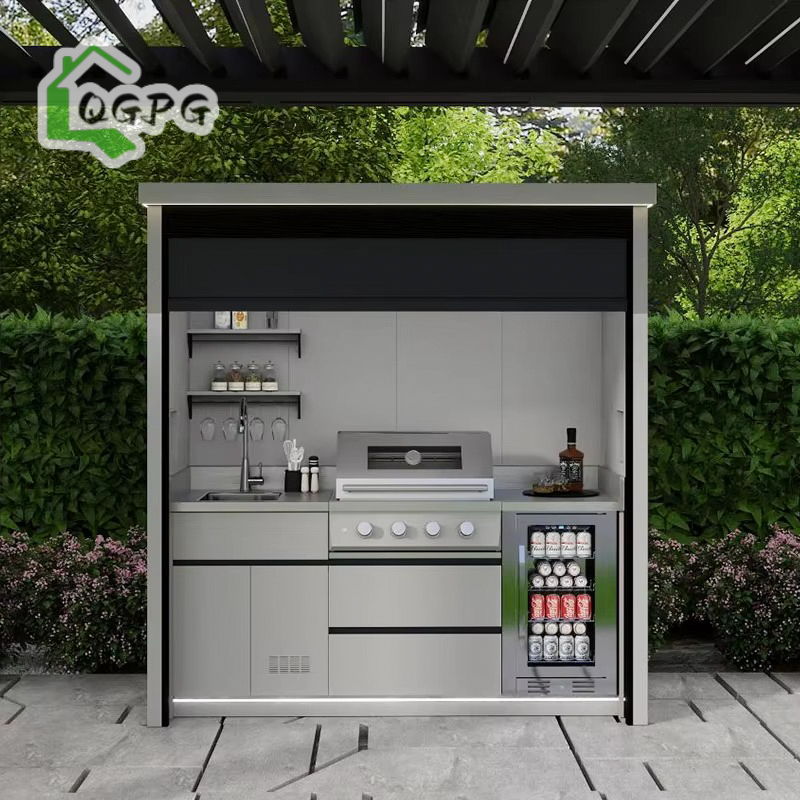
Commercial Marine Grade 304 SS Electric Lift Canopy Expandable Pod
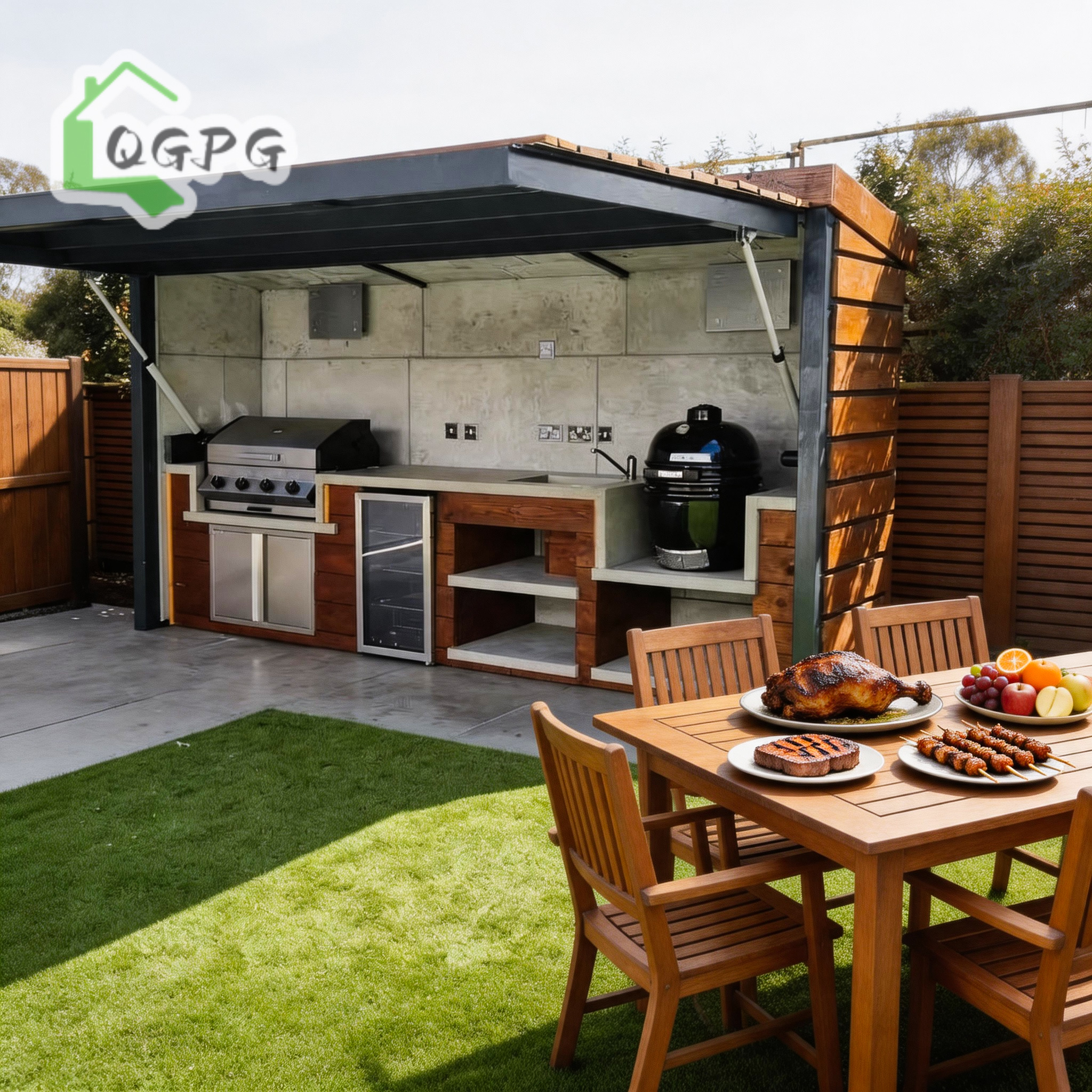
Commercial Marine Grade 304 SS Motorized Retractable Roof BBQ Pod
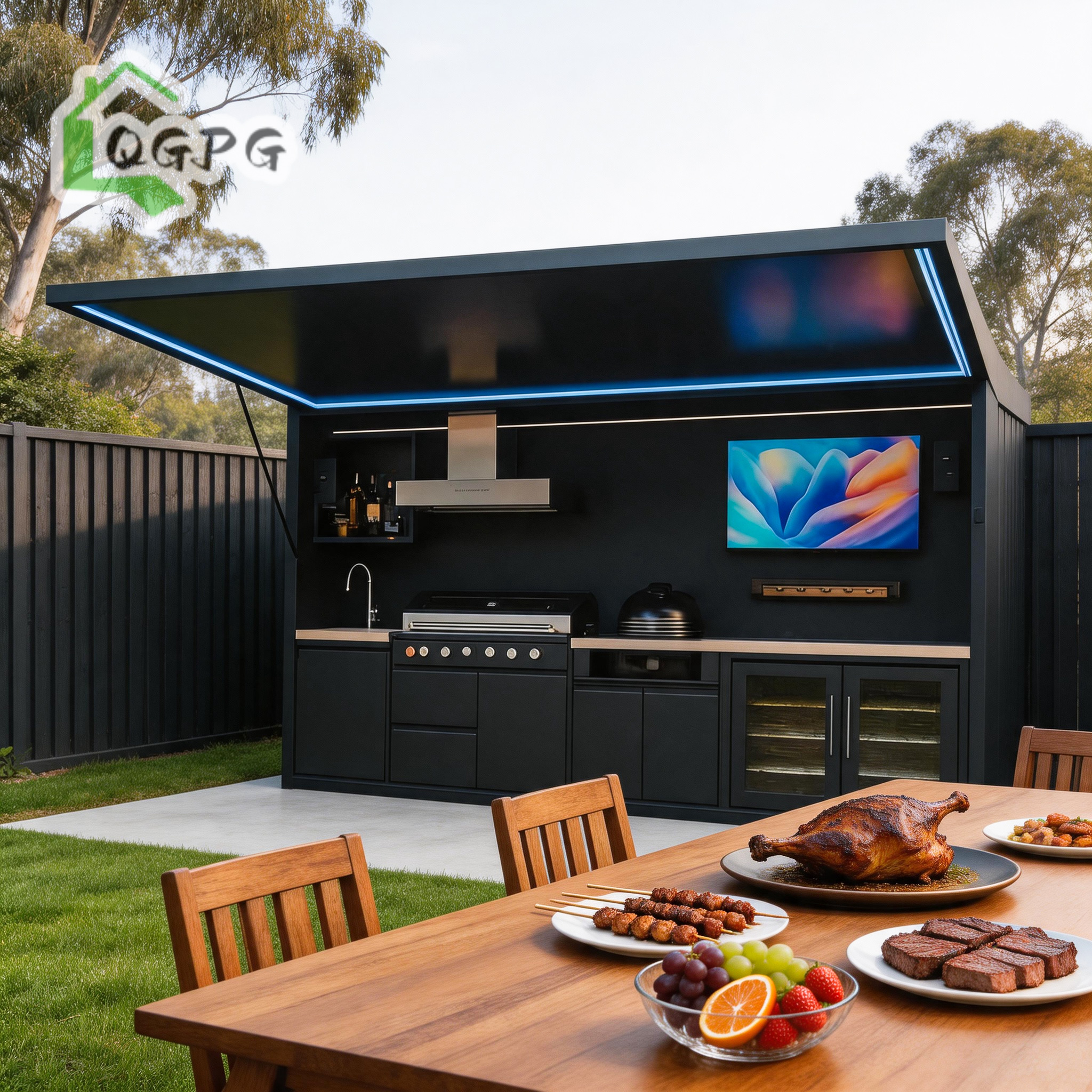
Commercial Grade 304 Stainless Steel Electric Hydraulic Lift Utility Pod
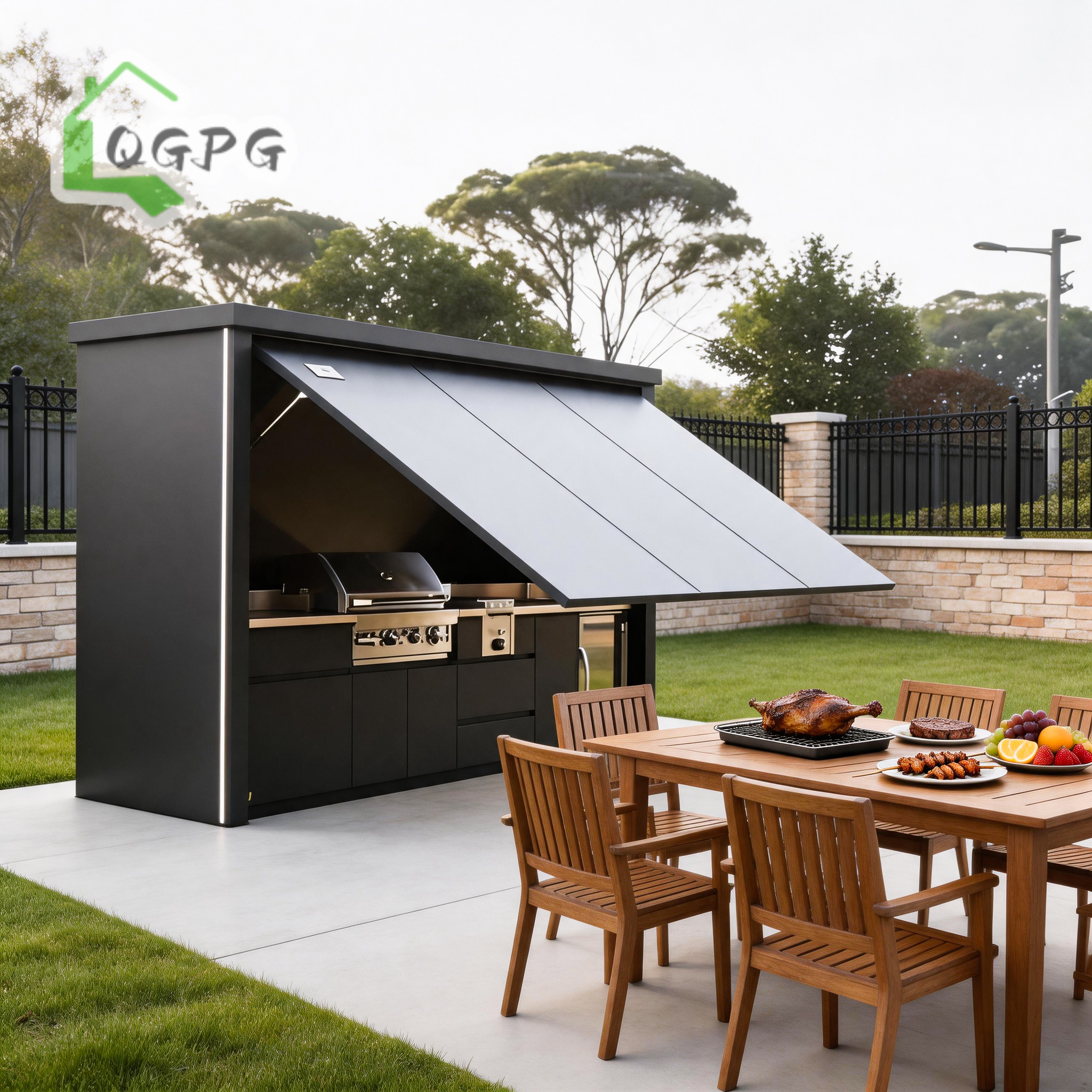
Professional 304 Stainless Steel Motorized Retractable Deployable Resort Pod
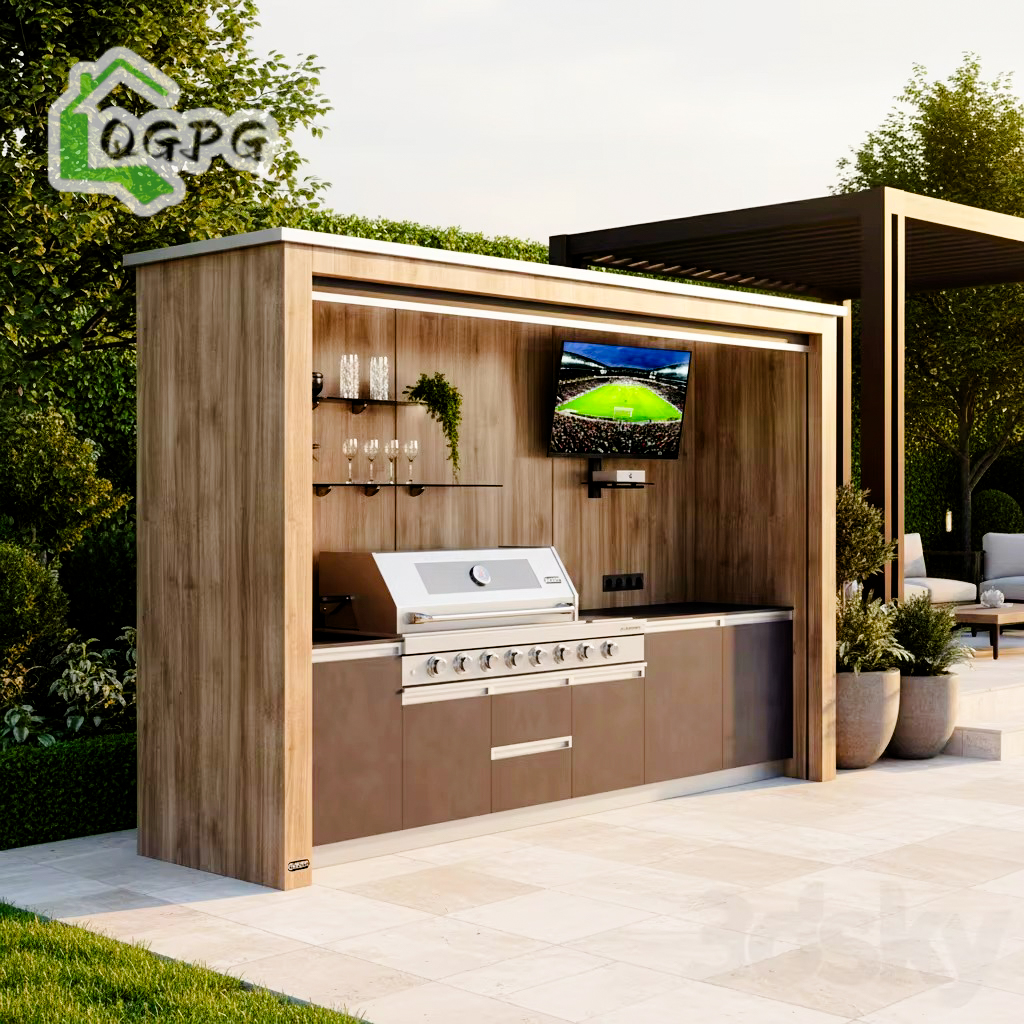
Custom 304 Stainless Steel Motorized Flip-up Door All-Weather Villa Pod
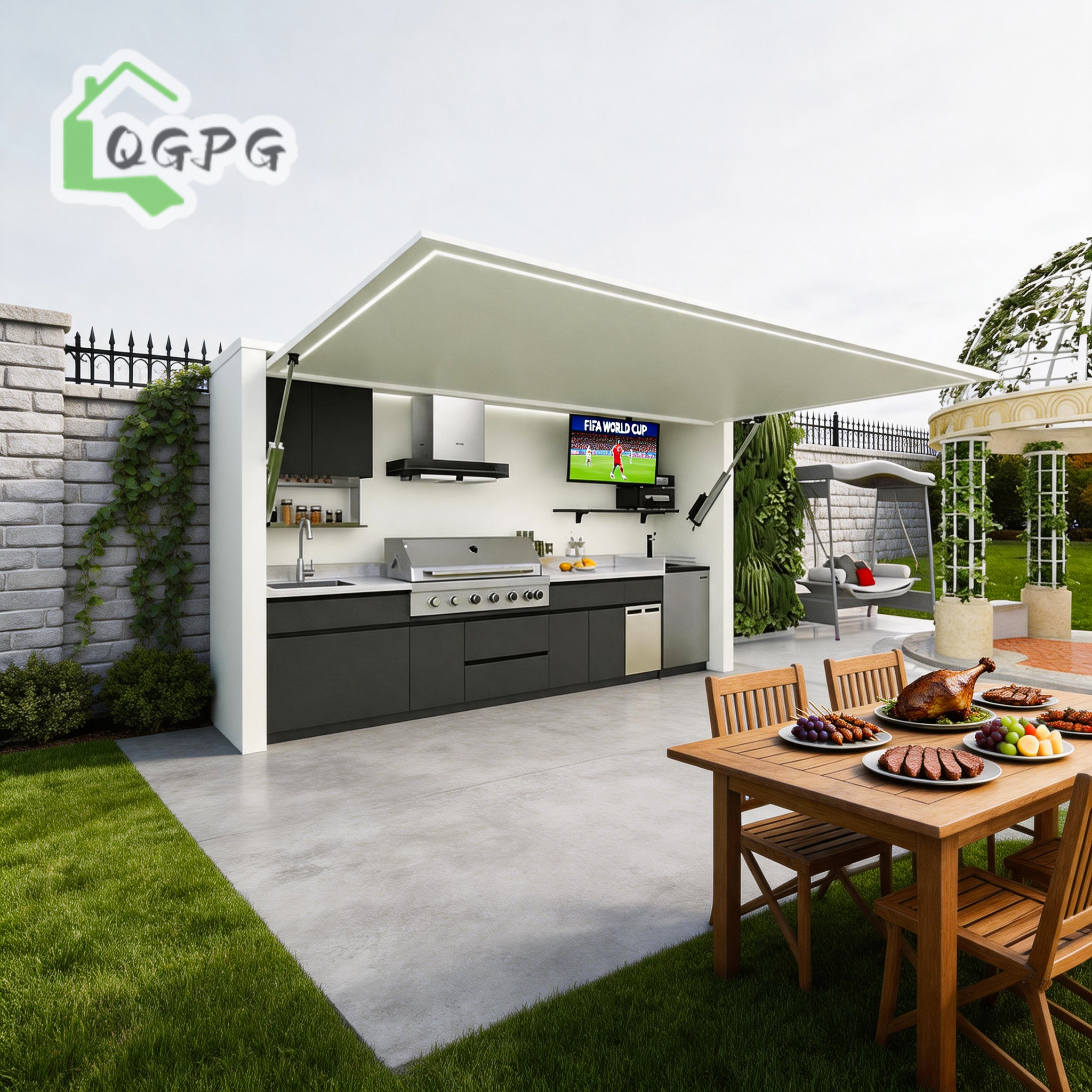
Luxury 304 Stainless Steel Electric Lift Canopy Expandable Living Pod
Navigating Prefabricated Capsule Housing Sourcing in Kiribati
An in-depth analysis of structural compliance, atmospheric protection, and logistical execution for building projects across the Gilbert, Line, and Phoenix Islands.
The Unique Geological & Climatic Challenge of Kiribati
Kiribati’s geographic profile—comprising 33 low-lying coral atolls spread across 3.5 million square kilometers of ocean—presents one of the world's most demanding environments for construction. With maximum elevations rarely exceeding 2 to 3 meters above sea level in South Tarawa or Kiritimati (Christmas Island), traditional brick-and-mortar foundation techniques face extreme saltwater intrusion, porous coral sand instability, and strict environmental preservation mandates.
Furthermore, local timber resources are virtually non-existent, and heavy construction equipment is scarce across outer islands. Hebei BSU’s modular capsule houses and space pods offer a zero-excavation, lightweight structural footprint designed for rapid assembly on screw piles without disturbing fragile coral ecosystems.
Emerging Localized Market Trends (2025–2030)
The demand for prefabricated space capsules and modular homes in Kiribati has experienced unprecedented growth driven by four core structural trends:
- 🌴 Eco-Resort & Lagoon Tourism Expansion: Sustainable resort operators in Kiritimati and North Tarawa are adopting luxury capsule pods to create high-yield, low-impact overwater and beachfront accommodations for fly-fishing and eco-tourists.
- 🌊 Climate-Adaptation Public Infrastructure: Government agencies and international NGOs are shifting toward elevated, relocatable modular capsules for healthcare clinics, administrative outposts, and climate-resilient residential displacement units.
- ☀️ 100% Off-Grid Solar & Desalination Pods: Modern capsule deployments increasingly mandate factory-integrated solar PV roofs, lithium energy storage, and integrated rainwater harvesting filtration systems to combat freshwater scarcity.
Strategic Application Scenarios Across the Kiribati Archipelago
Customized modular space capsules engineered for specific island use-cases, site constraints, and operational demands.
1. South Tarawa High-Density Modular Communities
South Tarawa experiences significant urban density challenges. BSU’s 20ft and 40ft expandable capsule houses provide modular multi-story living blocks that can be installed on elevated concrete piers, mitigating flood risks from high King Tides while maximizing land usage.
2. Kiritimati (Christmas Island) World-Class Fishing Lodges
Kiritimati attracts international bonefish anglers. Commercial operators utilize our panoramic aluminum glass capsule pods featuring motorized flip-up shades and integrated 304 stainless steel outdoor kitchen stations to offer luxury off-grid eco-suites directly on the lagoon coastline.
3. Remote Outer Atoll Administrative & Medical Outposts
For remote islands such as Tabiteuea or Abemama, transporting traditional building supplies is cost-prohibitive. BSU flat-pack space capsules ship compactly in standard 40ft HQ containers, allowing turnkey medical clinics and radio monitoring stations to be erected by local work crews in less than 48 hours.
Technical Specification & Atmospheric Resistance Matrix
Why BSU Marine-Grade Prefabricated Capsules Outperform Standard Modular Buildings in Pacific Marine Climates.
| Performance Feature | Standard Market Container House | BSU Marine-Grade Capsule House (Kiribati Spec) | Kiribati Project Advantage |
|---|---|---|---|
| Structural Frame Steel | Q235 Light Galvanized Steel (40-60µm) | Heavy-Duty Q355B + Marine 304/316 Stainless Accents | Prevents rust creep & structural failure from saline sea breezes. |
| Corrosion Protection | Standard Alkyd Spray Paint | C5-M Epoxy Zinc-Rich Primer + Fluorocarbon Topcoat | Extends exterior surface life to 25+ years without repainting. |
| Wall Insulation Core | 50mm Low-Density EPS Foam | 75mm High-Density Rockwool / PU Fireproof Sandwich Panels | Reduces internal thermal gain under intense equatorial solar radiation. |
| Window & Door Glazing | Single-Pane Tempered Glass / PVC Frames | Double-Glazed Low-E Argon-Filled Aluminum Alloy (Hurricane-Rated) | Withstands tropical storm wind loads up to 170 km/h and blocks UV rays. |
| Electrical Infrastructure | Basic Internal Wiring (Non-Certified) | Pre-wired AS/NZS & IEC Certified Moisture-Proof Systems | Plug-and-play connection to local diesel grids or solar-inverter setups. |
| Freight Efficiency | Ships fully rigid (High sea freight cost) | Optimized Expandable / Flat-Pack Module Design | Reduces ocean shipping costs per m² to Port of Betio by up to 60%. |
Hebei BSU Building Materials Technology Co., Ltd.
Your Intertek-assessed manufacturing partner committed to quality, structural integrity, and seamless global logistics.
Intertek Audited Factory Quality
Hebei BSU has undergone comprehensive on-site facility assessments by Intertek. As an authenticated custom manufacturer, every stage—from laser cutting structural steel to automated panel pressing—adheres to international ISO9001 quality management protocols.
Full Architectural Customization
We do not just supply standard units. Our in-house engineering team translates your site blueprints, electrical requirements (240V/50Hz), and plumbing designs into factory-controlled fabrication drawings, ensuring 100% compliance before container loading.
Turnkey Pacific Ocean Logistics
With extensive ocean freight experience shipping to South Pacific hub ports (such as Betio Port, Tarawa), our logistics team prepares full ocean-worthy packing, custom shipping frames, anti-moisture desiccant wrapping, and complete export documentation.
Frequently Asked Questions for Kiribati Buyers & Wholesale Buyers
Essential guidance on importing, installing, and maintaining prefab capsule houses in Kiribati.
How do BSU capsule houses resist severe ocean salt spray and corrosion in Kiribati?
Our Kiribati-grade capsule houses utilize heavy-gauge Q355B structural steel framing subjected to hot-dip galvanization and treated with a multi-layer marine-grade coating system: an epoxy zinc-rich primer followed by a high-durability fluorocarbon (PVDF) topcoat rated for C5-M atmospheric corrosive environments. Exterior trim elements and hardware are constructed from 304 or 316 marine-grade stainless steel to prevent rust pitting and maintain structural integrity for over 25 years.
What foundation type is required for installing capsule houses on coral sand atolls?
Due to the porous and low-bearing capacity of coral sand in Kiribati, we recommend either elevated concrete pier footings or ground screw pile systems. Screw piles are particularly advantageous because they require no heavy excavation or concrete mixing, can be manually driven into coral sand, elevate the capsule 0.5m to 1.5m above ground to protect against coastal storm surges and King Tides, and allow easy relocation if necessary.
Are BSU capsule houses rated for tropical cyclones and high wind conditions?
Yes. Our space capsules and modular houses are structurally calculated and engineered to withstand wind loads up to 170 km/h (equivalent to Category 3-4 tropical cyclones). The integrated structural frame, hurricane-impact double-glazed aluminum windows, and heavy-duty locking mechanisms ensure high structural stability during severe Pacific storm events.
How are the units shipped from China to Tarawa or Kiritimati (Christmas Island)?
Units are manufactured in our Hebei factory, transported to major ports (such as Tianjin or Qingdao), and loaded onto ocean container vessels bound for Betio Port (South Tarawa) or directly to Kiritimati. Depending on the unit type, expandable capsules ship as compact folded 20ft/40ft modules, while modular pods are shipped via standard 40ft High Cube containers or Flat-Rack containers. We provide a full packing list, moisture protection, and shipping insurance for every export order.
Can the capsule units operate completely off-grid with solar power and water collection?
Absolutely. For islands where municipal power grids or water pipelines are unreliable, BSU offers turnkey off-grid integration packages. This includes custom rooftop solar PV bracket arrays, hybrid solar inverters, lithium battery banks, LED low-voltage interior lighting, built-in roof drainage channels for rainwater harvesting, and integrated greywater plumbing setups ready for immediate connection.
What is the typical production lead time and shipping duration for wholesale orders?
Factory production lead time typically ranges from 15 to 25 days depending on project order volume and custom interior specifications. Ocean shipping from China to Betio Port in Kiribati generally takes between 25 to 40 days depending on shipping line feeder schedules. We provide real-time production tracking updates, pre-shipment video quality inspections, and full customs documentation to streamline clearance upon arrival.
Ready to Develop Your Modular Building Project in Kiribati?
Contact our engineering and sales export department today for factory-direct pricing, custom CAD layouts, technical specifications, and ocean shipping estimations to Tarawa or Kiritimati.
Get a Quote