Direct Factory Engineering Catalog
Featured Container & Modular Pod Systems for Tijuana
Engineered by Hebei BSU Building Materials Technology Co., Ltd. for cross-border industrial, commercial, and residential projects in Tijuana, Tecate, and Rosarito.
80+
In-House Engineers & Technicians
Intertek
On-Site Verified Manufacturer
Zone 4
Seismic Resistance Standard
500+
Global B2B Projects Delivered
Industry White Paper & Regional Market Analysis
Engineering Prefabricated Modular Structures for Tijuana’s Dynamic Economy
An in-depth guide on microclimate resilience, seismic safety, nearshoring industrial trends, and cross-border supply chain integration for Baja California.
1. Macroeconomic Drivers: The USMCA Nearshoring Surge and Tijuana’s Space Deficit
Tijuana has positioned itself as the undisputed nearshoring capital of North America. Accelerated by the United States-Mexico-Canada Agreement (USMCA) and global supply chain realignments, the industrial corridors of Otay Mesa, Parque Industrial El Florido, and Tijuana South have seen unprecedented absorption of manufacturing space. This industrial boom has driven a massive inflow of engineering personnel, plant managers, construction contractors, and specialized workforces. Consequently, traditional brick-and-mortar construction—plagued by prolonged permitting, rising labor costs, and material inflation in Baja California—can no longer keep pace with market expansion.
As a leading custom manufacturer, Hebei BSU Building Materials Technology Co., Ltd. supplies direct factory-engineered container homes, expandable living modules, flat-pack camp complexes, and modular office pods directly to Tijuana’s commercial developers, general contractors, and corporate investors. Prefabricated container systems eliminate up to 70% of on-site construction timelines while providing capital-efficient, relocatable infrastructure capable of expanding alongside industrial operations.
2. Microclimate Engineering: Coastal Fog, Inland Heat & Atmospheric Corrosion
Deploying modular buildings in Tijuana requires strict adherence to localized environmental challenges. Tijuana presents a multi-microclimate topography that requires customized material selection during factory fabrication:
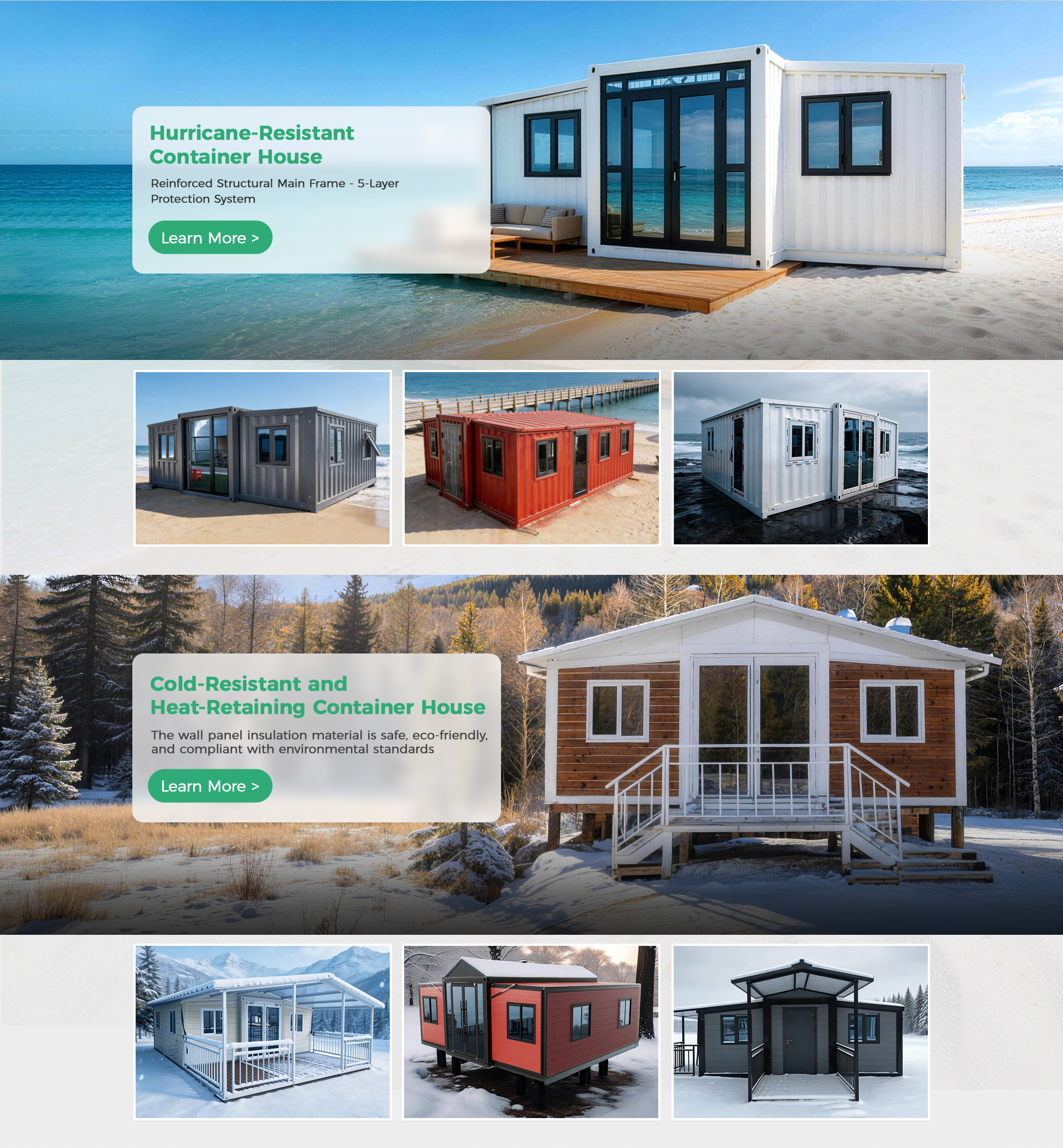
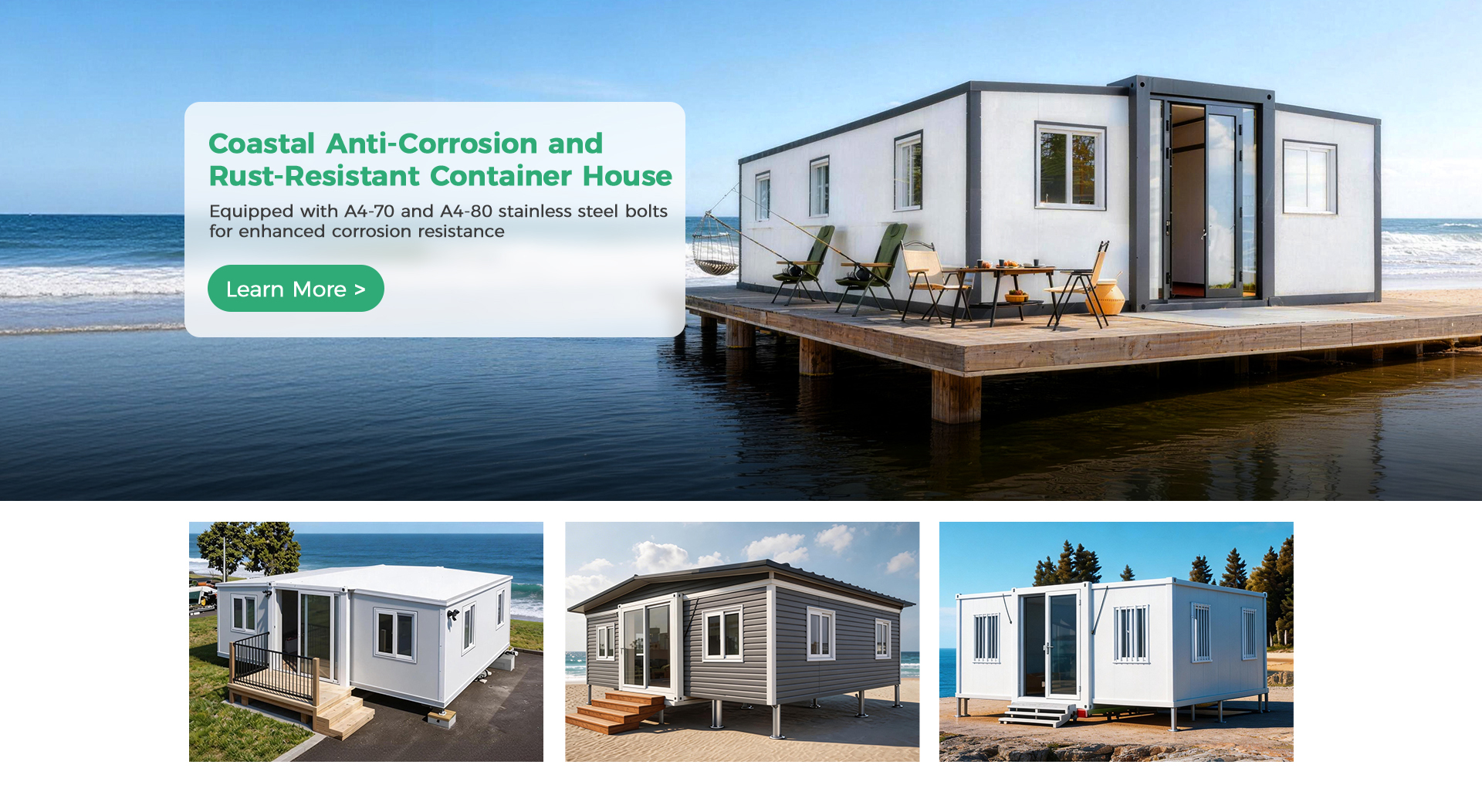
- Coastal Atmospheric Corrosivity (Playas de Tijuana & Rosarito Corridor): Properties along the Pacific coast experience dense ocean salt fog and high air salinity (ISO 9223 Corrosivity Category C4/C5). Standard mild steel structures rust rapidly under these conditions. BSU addresses this by utilizing heavy hot-dip galvanized steel frames (minimum 275 g/m² zinc coating) combined with marine-grade 304/316 stainless steel components and PVDF (fluorocarbon) anti-corrosion outer skin coatings.
- Inland Thermal Fluctuation (Mesa de Otay & Tecate Border Zone): Further inland, temperatures swing dramatically between semi-arid daytime heat and cold nocturnal desert breezes. Standard thin-skin containers suffer from extreme internal condensation and thermal bridging. Our engineered sandwich panels incorporate high-density Fire-Retardant Rockwool (120 kg/m³) or Polyurethane (PU) cores, achieving low thermal transmittance values (U-value ≤ 0.22 W/m²K) that substantially cut HVAC energy loads and align with regional sustainability directives.
3. Structural & Seismic Resilience: Engineering for Zone 4 Fault Systems
Tijuana sits within a high seismic zone affected by the fault networks of the Peninsular Ranges and the nearby San Andreas system. Structural integrity is paramount for public safety and municipal compliance. Unlike unreinforced masonry or rigid concrete block walls which crack under lateral seismic stress, steel container structures possess superior structural ductility.
BSU prefabricated container homes utilize structural steel framing engineered from cold-formed Q235B and Q345B galvanized structural steel profiles. Corner castings and structural columns are robotically welded to withstand high lateral drift ratios, ground acceleration forces matching Seismic Zone 4 requirements, and extreme wind loads up to 180 km/h (112 mph) frequently experienced on Tijuana’s exposed hillside topography.
Localized Deployment Cases
High-Impact Modular Application Scenarios Across Tijuana
Tailored structural configurations engineered for specific industrial, commercial, and residential land-use demands in Baja California.
Nearshoring Industrial Workforce Camps
Rapidly deployable flat-pack and expandable container modules configured as multi-storey workforce dormitories, executive quarters, and commercial canteens in the Otay Mesa and El Florido manufacturing zones. Pre-wired and pre-plumbed modules reduce on-site labor overhead by up to 75%.
Hillside Residential Modular Estates
Tijuana’s steep residential developments (e.g., Mesa de Otay terraces and San Antonio de los Buenos) benefit from lightweight, high-rigidity expandable container homes. These units mount securely onto stepped concrete piers, minimizing massive grading costs while providing modern, open-concept living spaces.
Coastal Eco-Resorts & Hospitality Pods
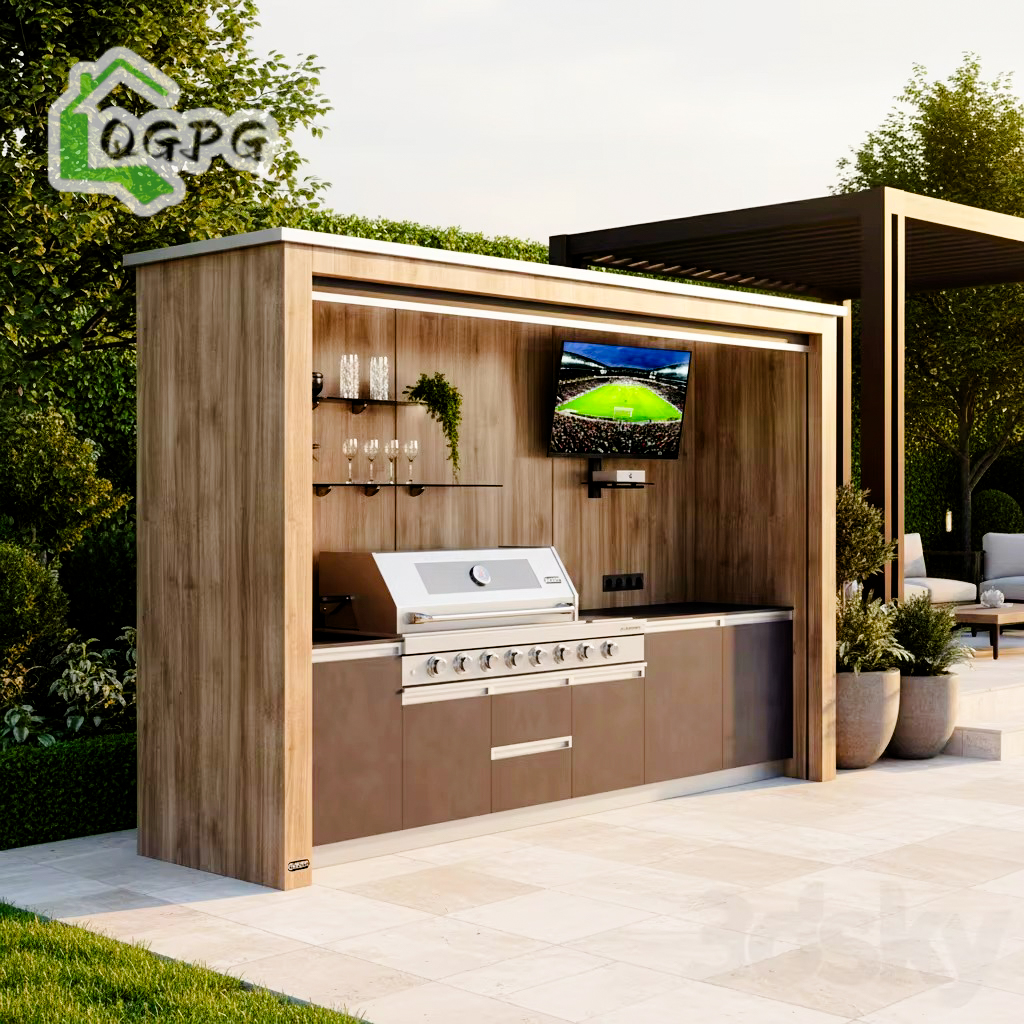
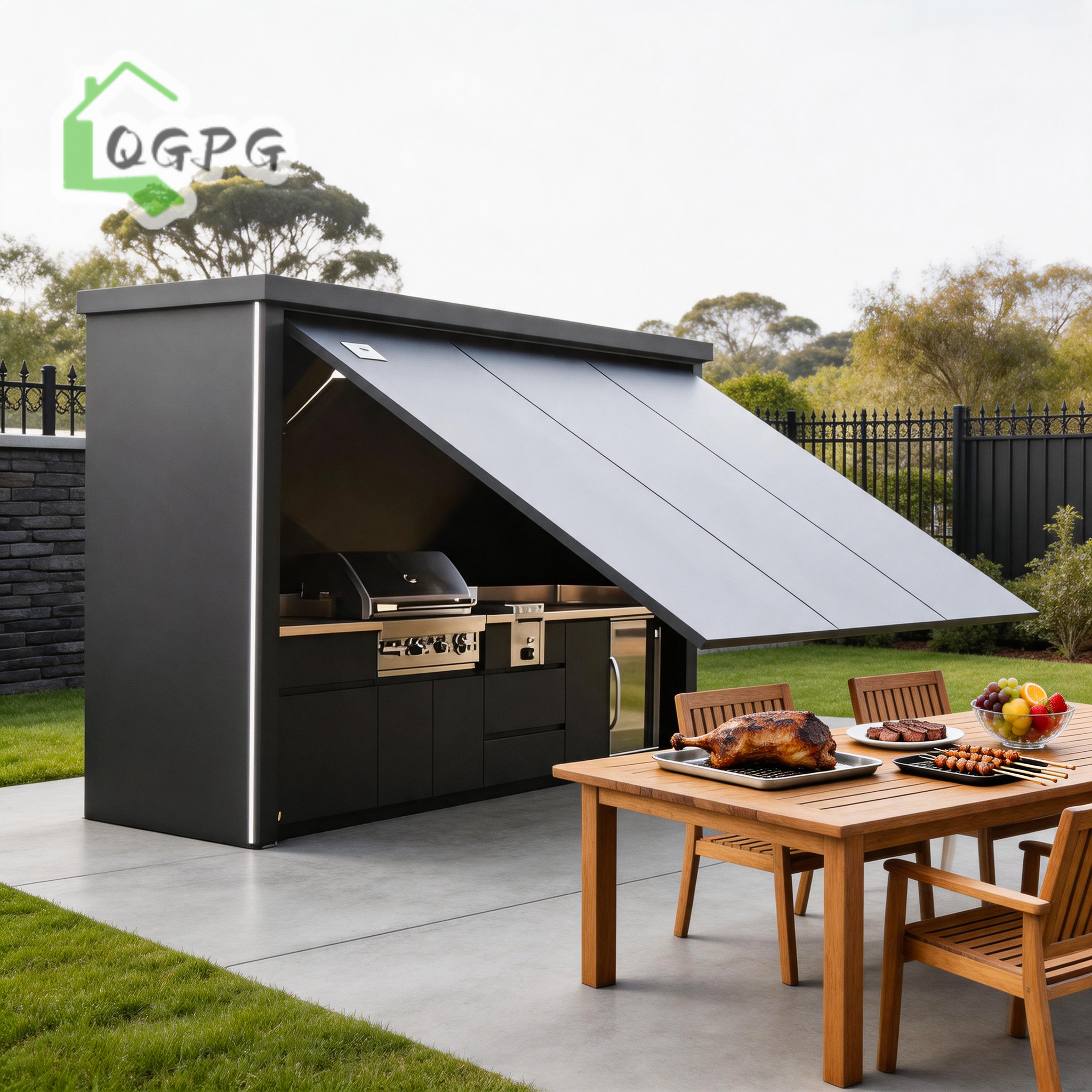
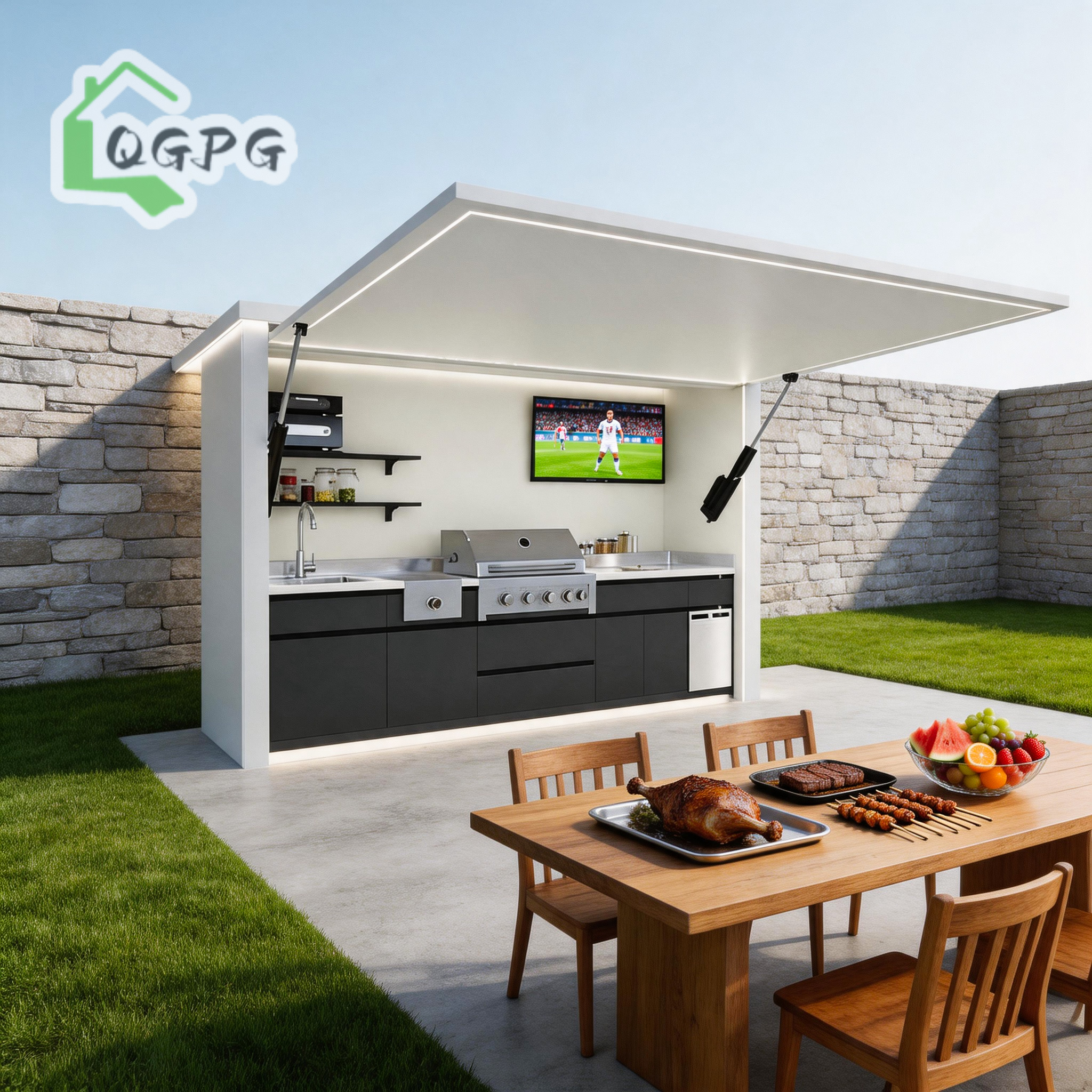
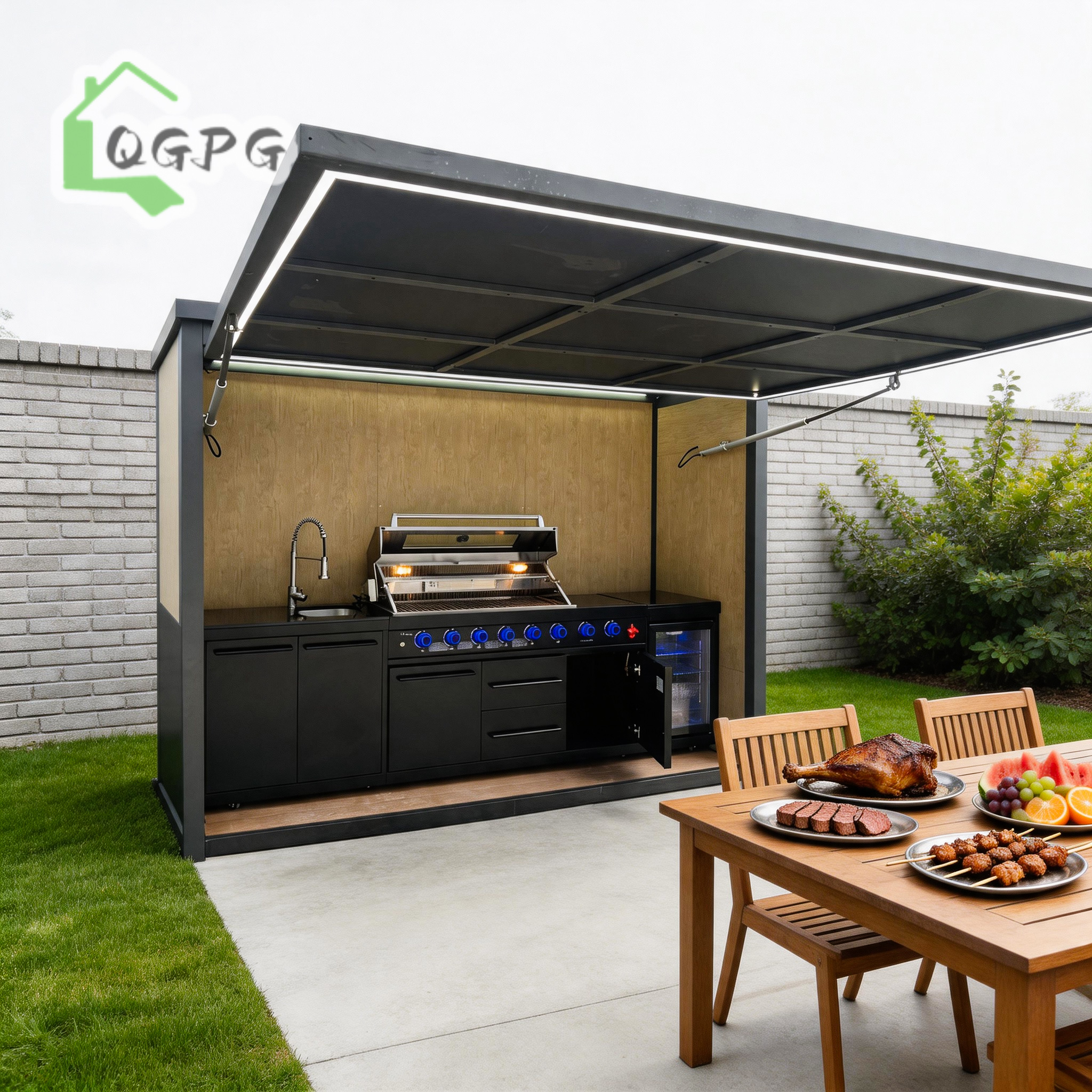
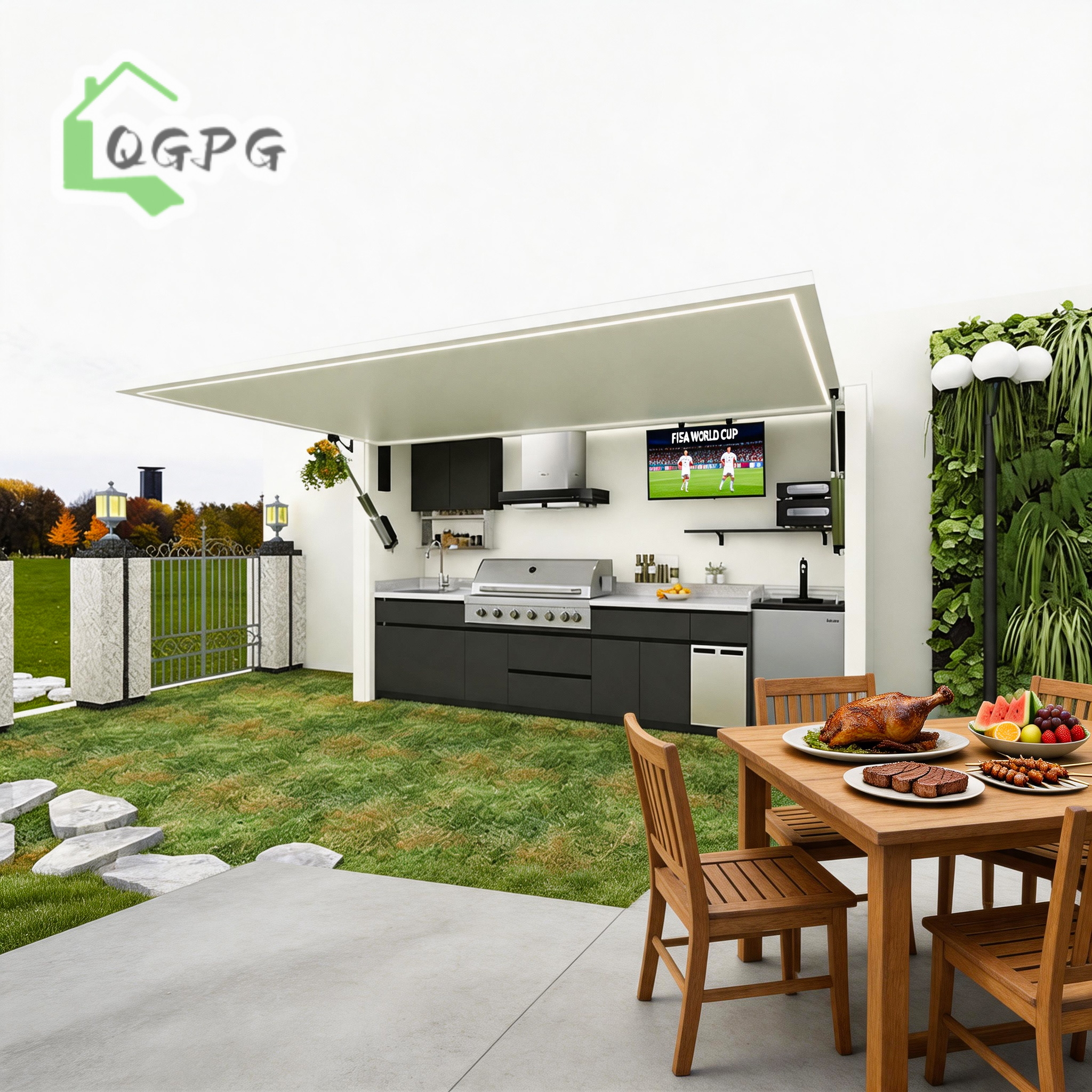
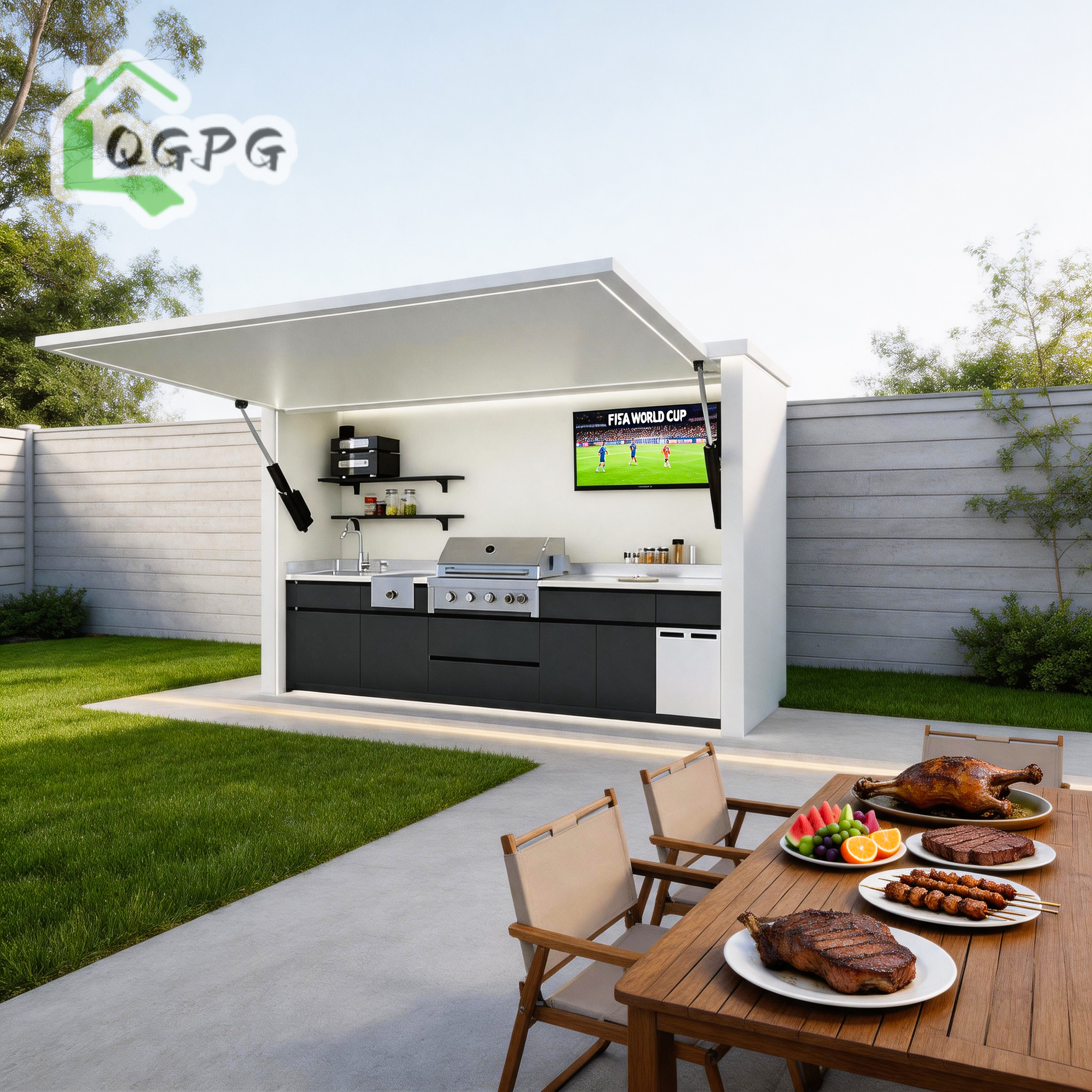
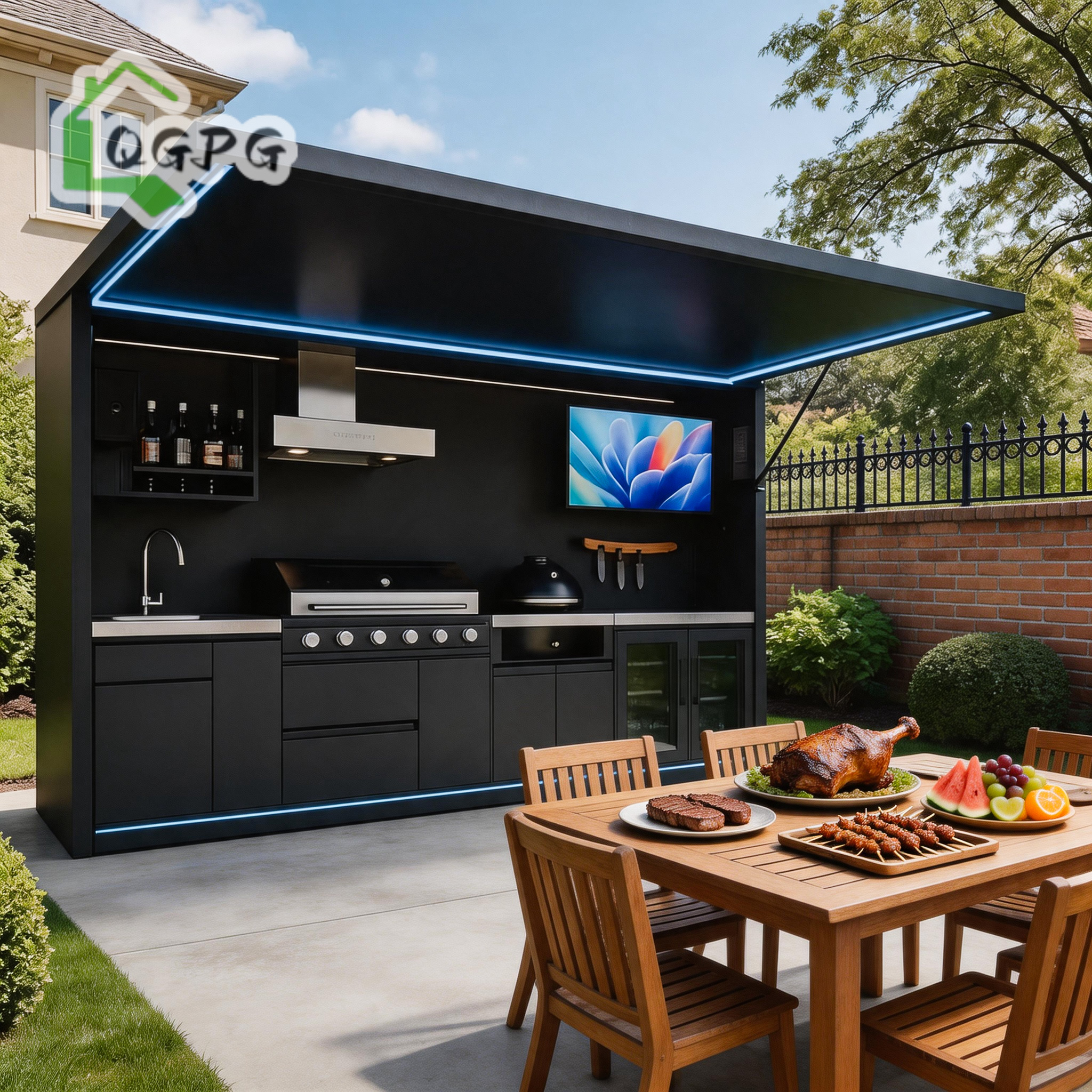
Designed specifically for luxury eco-tourism developments along the Playas de Tijuana, Rosarito, and Valle de Guadalupe corridor. Integrated motorized flip-up BBQ pods, full glass curtain walls, and premium stainless steel finishes deliver upscale, low-impact hospitality suites.
Relocatable Construction Site Headquarters
Durable, stackable modular office containers tailored for general contractors managing major infrastructure projects across Baja California. Easily disassembled and loaded onto standard flatbed trucks for movement between project sites upon completion.
Plug-and-Play Sanitation & Kitchen Pods
Self-contained mobile restroom trailers and integrated stainless steel kitchen pods engineered for fast connection to local utilities at commercial plazas, public parks, construction camps, and disaster relief zones near border crossing areas.
Engineering Comparison
Container House Systems Structural Specifications Matrix
Evaluate building technologies to determine the optimum performance-to-cost ratio for your site conditions and project timeline.
| Building System | Ideal Application | Thermal U-Value | Wind & Seismic Rating | Transport Efficiency | On-Site Assembly |
|---|---|---|---|---|---|
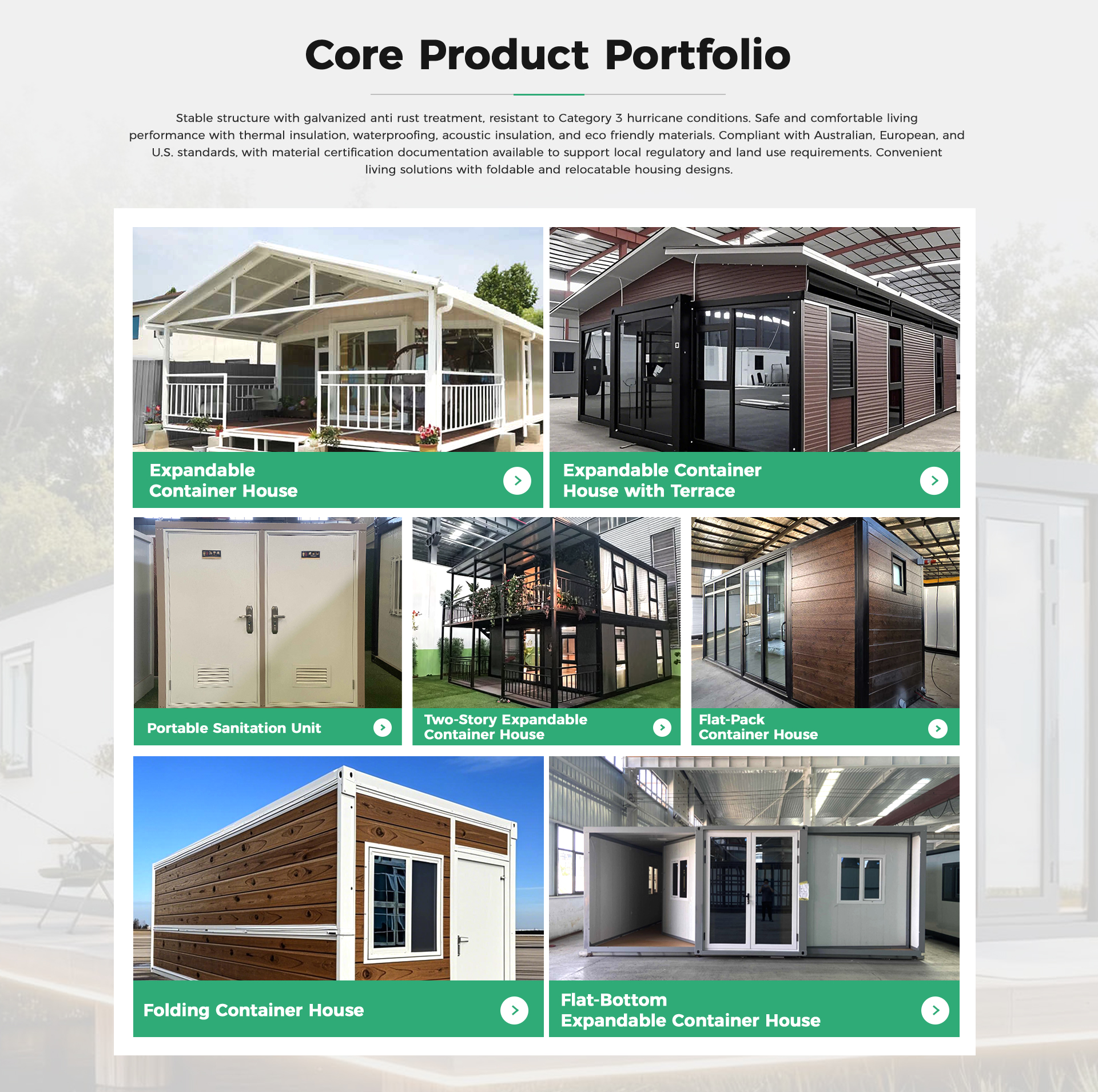
| Expandable Container Home | Residential Villas, Executive Site Offices, Cabins | 0.22 W/m²K | Seismic Zone 4 / 180 km/h Wind | 1 Unit per 40ft HQ Container | 2 Hours (2-3 Persons) |
| Folding Container House | Emergency Relief, Short-term Worker Camps | 0.28 W/m²K | Seismic Zone 3 / 140 km/h Wind | 10-12 Units per 40ft HQ Container | 10 Minutes with Crane |
| Flat Pack Container House | Multi-Storey Dormitories, School Complexes | 0.24 W/m²K | Seismic Zone 4 / 160 km/h Wind | 4 Units Bundled as 20ft ISO Size | 3-4 Hours (4 Persons) |
| Detachable Container House | Medical Clinics, Customized Office Layouts | 0.25 W/m²K | Seismic Zone 3 / 150 km/h Wind | 15 Units Knocked Down per 40ft HQ | 5 Hours (3 Persons) |
| Light Steel Villa Structure | Permanent Luxury Homes, Commercial Resorts | 0.18 W/m²K | Seismic Zone 4+ / 200 km/h Wind | Loose Materials per Container Load | 2-3 Weeks On-Site Erection |
Direct Factory Credentials
Why Sourcing Directly from Hebei BSU Protects Your Investment
We eliminate trading intermediaries, providing verified structural engineering, complete quality control documentation, and transparent trade verification.
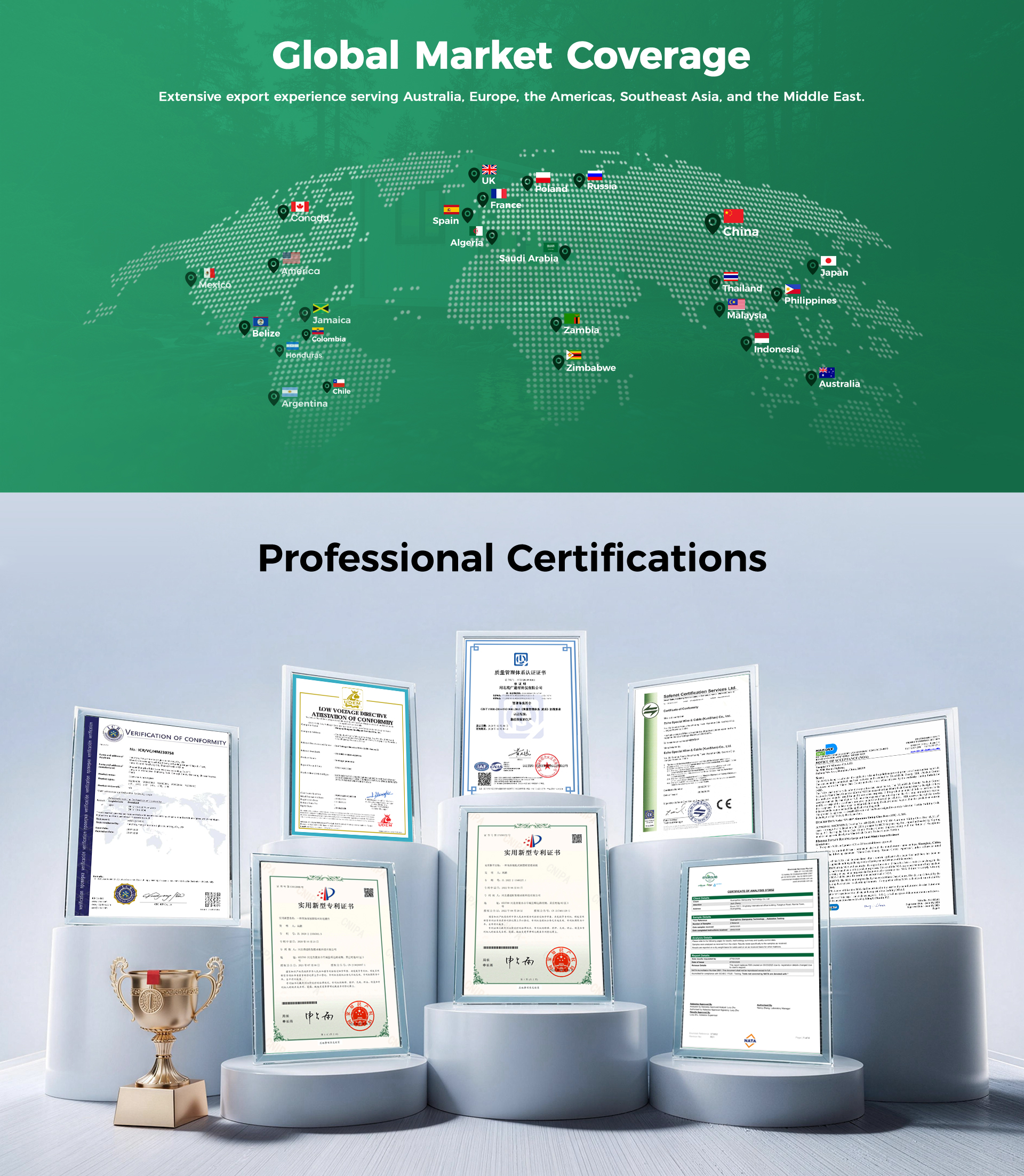
Intertek On-Site Assessed Factory
Hebei BSU Building Materials Technology Co., Ltd. has undergone rigorous physical audits by Intertek. Our production capacity, corporate documentation, automated fabrication lines, and material compliance certificates are verified for complete peace of mind.
Full In-House Custom Engineering
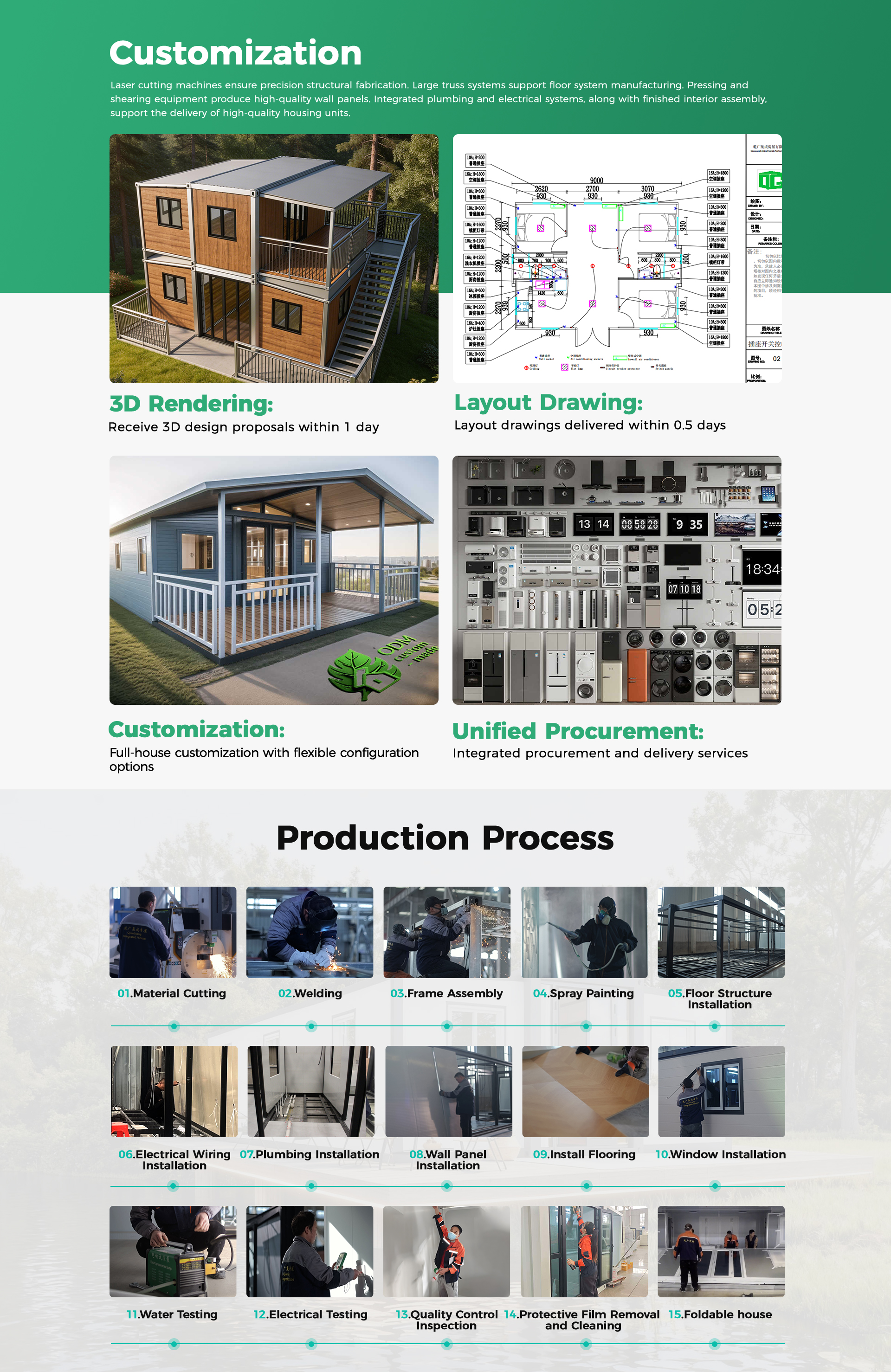
With a dedicated staff of over 80 structural engineers, CAD draftspeople, and technicians, we modify dimensions, floor plans, insulation materials, electrical wiring standards (110V/220V dual system readiness), and plumbing outlets directly from your architectural blueprints.
Optimized Cross-Border Shipping
We engineer module dimensions specifically for ocean freight optimization. Units ship via direct container routes from Northern China sea ports directly to the Port of Ensenada or Port of Long Beach for simple overland transit into Tijuana via the Otay Mesa Commercial Port of Entry.
Factory Operations & Fabrication
Inside Our Production & Quality Control Facilities
Real-time visual proof of raw material preparation, robotic frame welding, insulation sandwich panel lamination, and sea-container export packing.

Heavy Industrial Fabrication Plant
Expandable Home Module Assembly
Rapid Deployment Folding Units
High-Density Freight Bundling
Detachable Frame Engineering
Commercial Office Module Finishing
Cold-Formed Light Steel Framing
Pre-Plumbed Sanitation Pods
Procurement & Engineering FAQ
Frequently Asked Questions by Tijuana Buyers & Developers
Essential guidance on cross-border logistics, building compliance, custom engineering, and factory verification for Baja California projects.
What shipping route is used to transport container houses from China to Tijuana? +
Cargo typically ships via direct ocean freight from Tianjin or Qingdao ports to either the Port of Ensenada (Baja California) or the Port of San Diego / Long Beach (California). For Ensenada discharges, units move via the Carretera Escénica highway directly into Tijuana. For U.S. port discharges, cargo clears bond and enters Tijuana through the Otay Mesa Commercial Border Crossing. BSU provides complete sea-freight packaging and container loading manifests to ensure seamless customs clearance.
How do BSU container structures withstand Tijuana’s seismic conditions? +
Tijuana is classified under high seismic activity (Zone 4). BSU container homes use high-ductility Q235B/Q345B cold-formed structural steel frame matrices. Cold-formed steel frames absorb and dissipate seismic energy through elastic deflection rather than fracturing, preventing structural collapse. Our engineering team calculates load distribution specifically for stepped hillside foundations commonly required in Baja California topography.
Are the electrical systems customized for Mexican (NOM) standards? +
Yes. Factory electrical wiring, main distribution boxes, circuit breakers, switches, and outlets are fully configured during manufacturing to support 110V/220V 60Hz single-phase or three-phase configurations matching Mexican National Electrical Code (NOM-001-SEDE) and North American NEMA standards. Conduit runs are pre-installed inside sandwich panels for clean aesthetics and fire safety.
How do you protect units against ocean fog in coastal areas like Playas de Tijuana? +
For coastal deployments within 5 kilometers of the ocean, we specify heavy hot-dip galvanization (275g/m² minimum zinc coating) for structural frames, marine-grade 304 stainless steel hardware, aluminum alloy window framing with double glazing, and multi-layer PVDF (polyvinylidene fluoride) exterior wall coatings resistant to salt spray oxidation and UV radiation.
Which container home design offers the fastest on-site installation for tight schedules? +
For immediate emergency housing or rapid workforce camp setup, Folding Container Houses expand in under 10 minutes per unit using a crane or forklift. For permanent residential living, Expandable Container Homes unfold in approximately 2 hours, expanding from a standard 20ft shipping width into a full 37-square-meter 2-bedroom home complete with factory-installed bathroom fixtures.
Can BSU modular buildings be stacked to create multi-storey complexes? +
Yes. Our Flat Pack and Detachable container systems are structurally rated to stack up to 3 storeys high without requiring secondary structural exoskeletons. Integrated corner castings connect vertically using twist-locks or heavy-duty bolted steel plates, ideal for high-density worker dormitories or modular office headquarters in industrial parks.
What thermal insulation is recommended for Tijuana’s semi-arid inland heat? +
We recommend 75mm to 100mm dense Polyurethane (PU) or Structural Rockwool sandwich panels (density 120kg/m³). Rockwool provides non-combustible Class A fire safety alongside exceptional acoustic dampening for industrial zones, while PU cores provide the highest thermal efficiency to minimize air conditioning electricity costs during peak summer months.
How can procurement managers verify Hebei BSU’s factory capability prior to deposit? +
Hebei BSU Building Materials Technology Co., Ltd. maintains a verified Custom Manufacturer status backed by an independent Intertek on-site audit report. Buyers can access our audited credit reports, trade history, third-party certification documents, 360-degree panoramic virtual factory tours, or schedule a live video call with our engineering team to inspect ongoing production lines in real time.
Ready to Engineer Your Modular Project in Tijuana?
Send your site dimensions, structural requirements, or project drawings to our engineering team. We provide complete technical proposals, CAD layouts, and factory-direct pricing within 24 hours.
Get a Quote