Prefab Housing Factories & Suppliers in the Fiji Market

Engineering Climate-Resilient Modular Buildings, Category 5 Cyclone Housing, & Resort Infrastructure Across Viti Levu and Outer Fijian Islands

Factory Direct Catalog

Featured Modular Buildings & Island-Engineered Pod Solutions

Designed specifically for South Pacific tropical environments, coastal high-salinity exposures, and rapid deployment across Fijian archipelagos.

Industry Whitepaper & Technical Analysis

Fiji Prefab Housing Landscape: Market Drivers, Regulatory Compliance, & Technical Sourcing Framework

The Republic of Fiji represents one of the most demanding built environments in the South Pacific. With over 330 islands stretching across vast oceanic distances, traditional timber and concrete block construction face extreme vulnerabilities: severe logistical bottlenecks, skyrocketing imported material costs, high local labor overhead, and constant threats from tropical cyclones and saltwater corrosion.

In recent years, the Fijian government—alongside private developers in tourism, agriculture, and infrastructure—has aggressively pivoted toward **prefabricated container homes, expandable modular cabins, and light-gauge steel villa systems**. However, sourcing prefabricated buildings for Fiji is not merely a matter of purchasing standard off-the-shelf units. To ensure long-term structural integrity and compliance, international buyers and contractors must navigate strict local environmental and engineering parameters.

280 km/h
Category 5 Cyclone Rating
Wind resistance engineered according to AS/NZS 1170.2 standards.
C5-M
Marine Anti-Corrosion
Hot-dip galvanizing + epoxy fluorocarbon marine-grade coating systems.
70%
Faster On-Site Build
Reduces total project timeline compared to traditional Fijian wet trades.
100%
FNBC Compliant
Pre-designed to align with the Fiji National Building Code requirements.
Critical Insight: Information Gain for Fiji Prefab Procurement

Standard container houses designed for temperate inland climates regularly fail in Fiji within 24 to 36 months due to delamination of non-marine sandwich panels, fast-track rust on ungalvanized welds, and uplift structural failure during tropical depression storms. High-value procurement requires verified C5 marine coatings, polyurethane (PU) core panels with zero water absorption, and certified tie-down anchor engineering.

Comparative Construction Economics in Fiji

When evaluating structural options for projects in Suva, Lautoka, Savusavu, or outer island resorts, total cost of ownership (TCO) must factor in island freight logistics, crane access, skilled trade availability, and lifetime maintenance against environmental degradation.

Evaluation Parameter Traditional Concrete Block Standard Import Container BSU Fiji-Grade Prefab System
Build Timeline (100 sqm) 7 - 10 Months 1 - 2 Months 3 - 7 Days (On-site assembly)
Category 5 Cyclone Uplift High Structural Mass Required Vulnerable (Unanchored Roofs) Engineered Twist-Lock Anchor System
Salt Spray / Rust Resistance Rebar Corrosion Risk C2/C3 Paint (Rusts in 2 yrs) C5-M Marine Coating + HDG Frames
Outer Island Transport Extremely Expensive (Bagged Cement) Heavy Crane Required Flat-Pack / Expandable High Density Load
Thermal Comfort (R-Value) Poor (High Thermal Mass) Extremely Hot without Retrofit High-Density PU/Rockwool (R-22+)
Local Market Applications

Targeted Deployment Scenarios Across Fiji's Key Economic Sectors

From luxury eco-resorts in the Mamanuca Islands to government infrastructure projects in Vanua Levu, modular prefabricated construction fulfills critical, localized architectural requirements.

Luxury Eco-Resorts & Overwater Villas

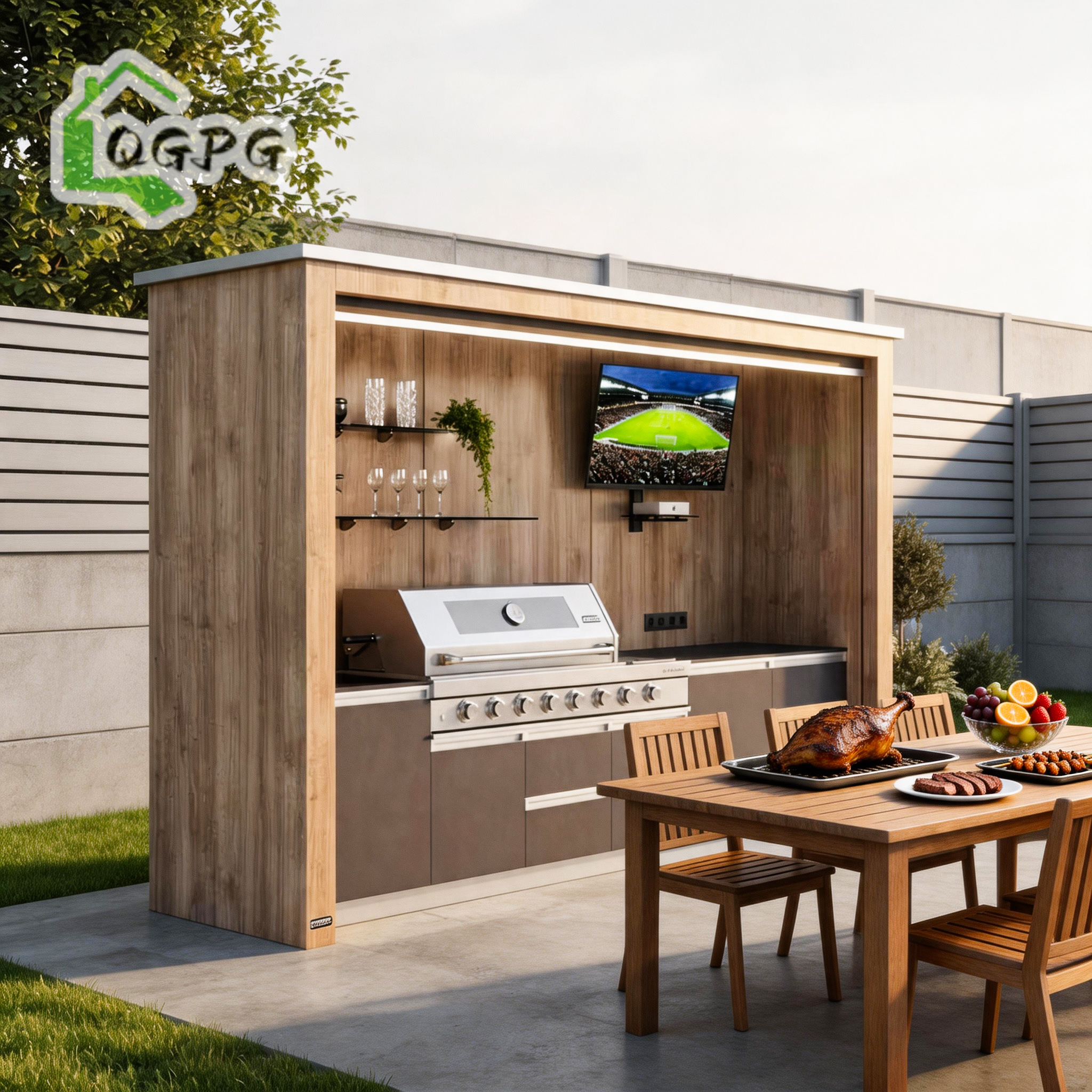
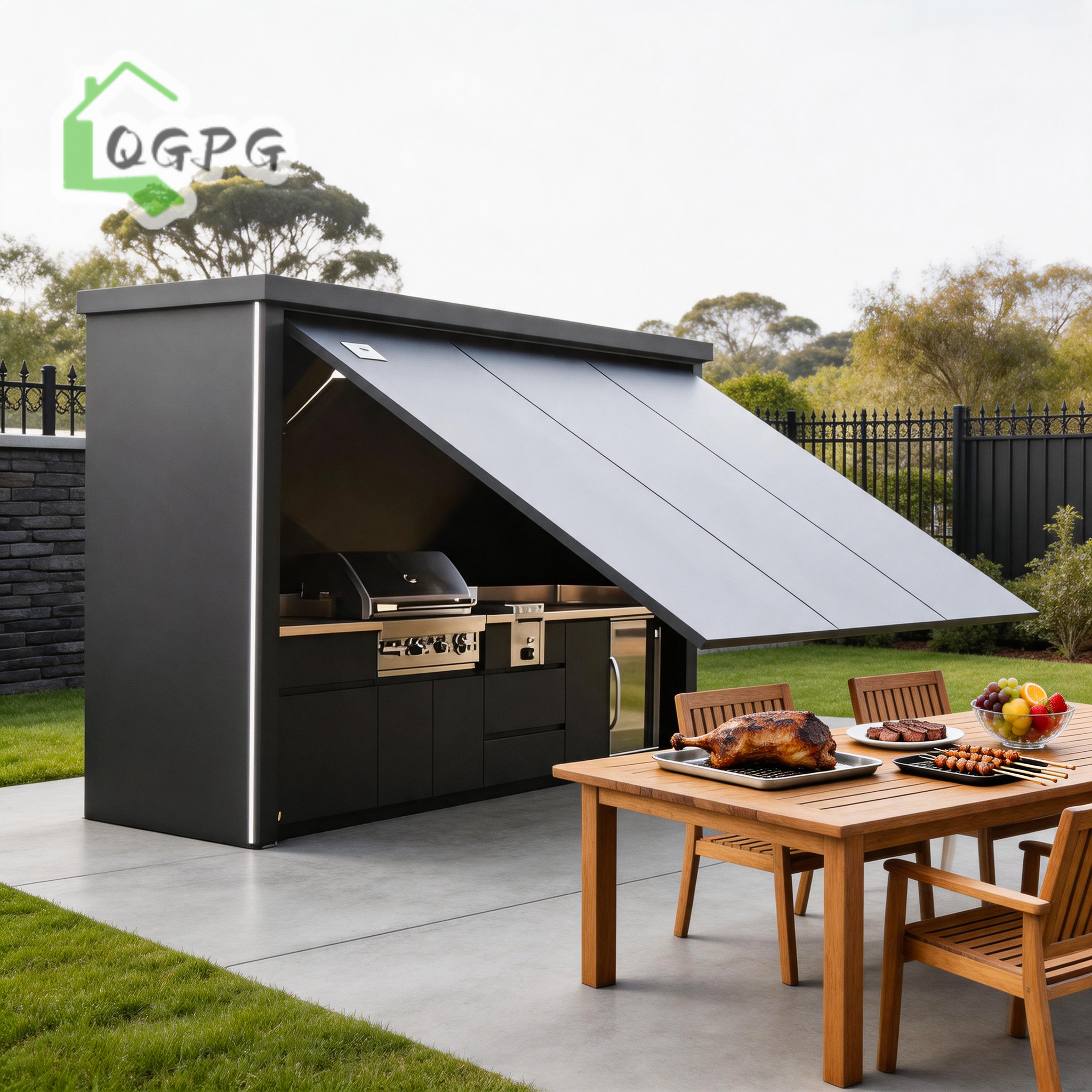
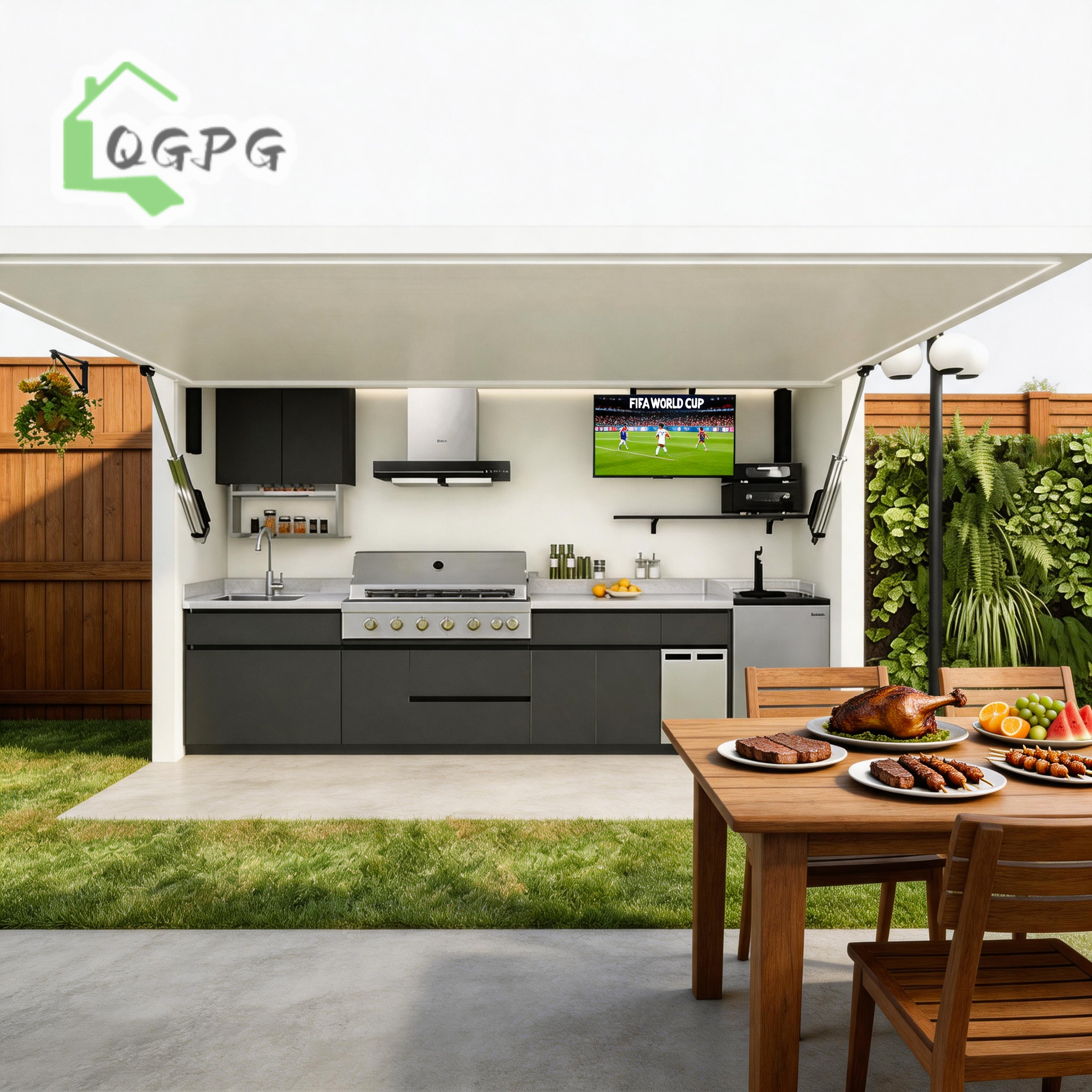
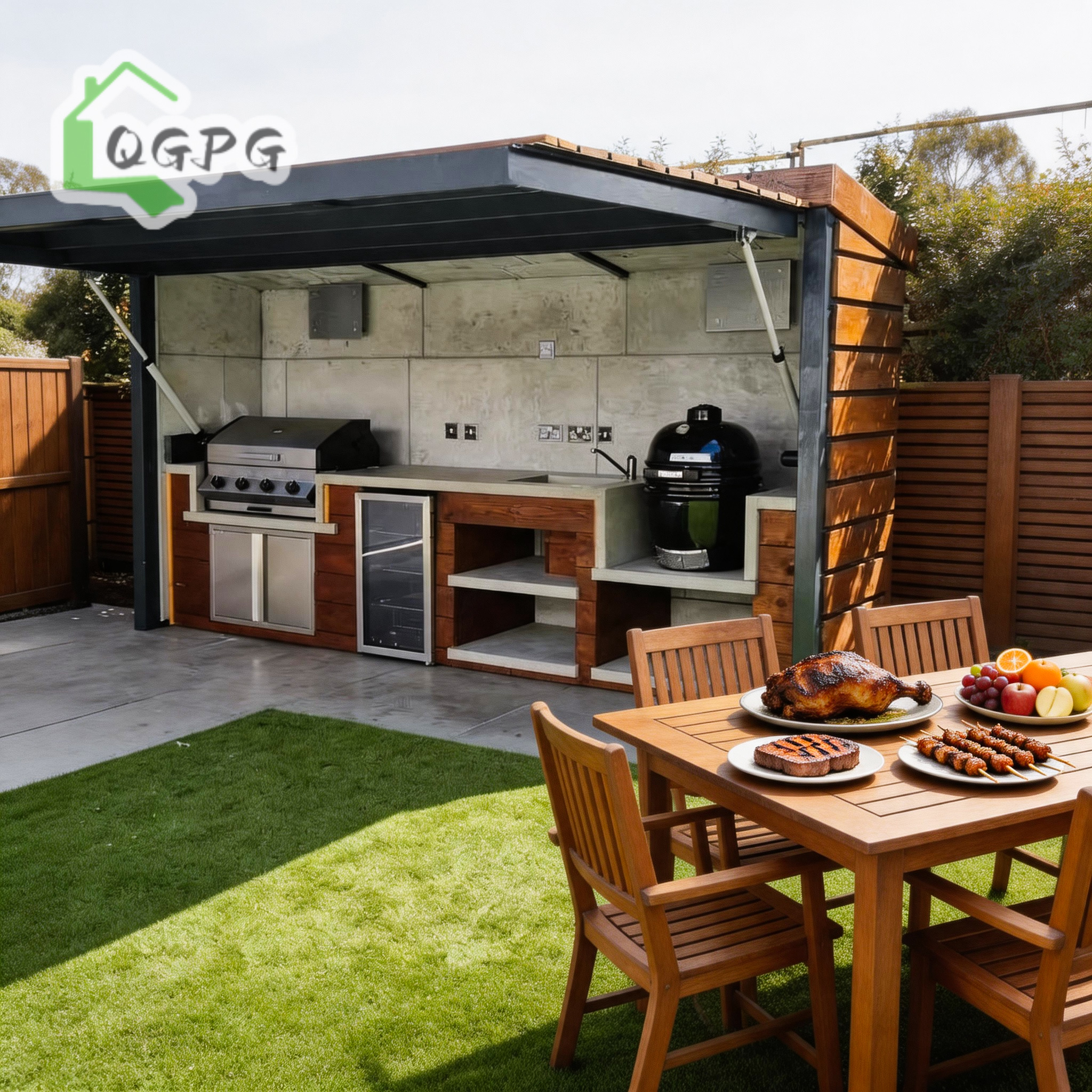
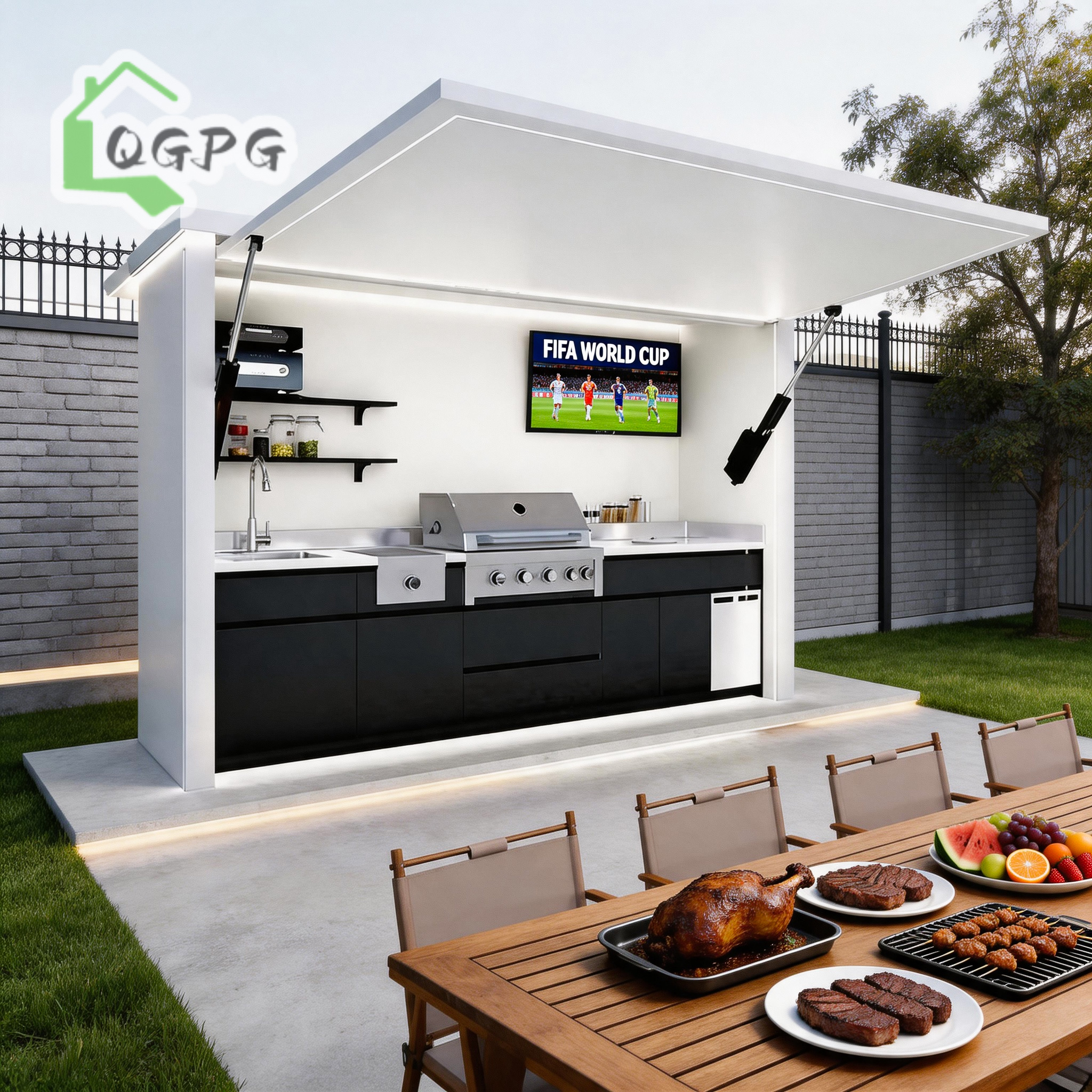
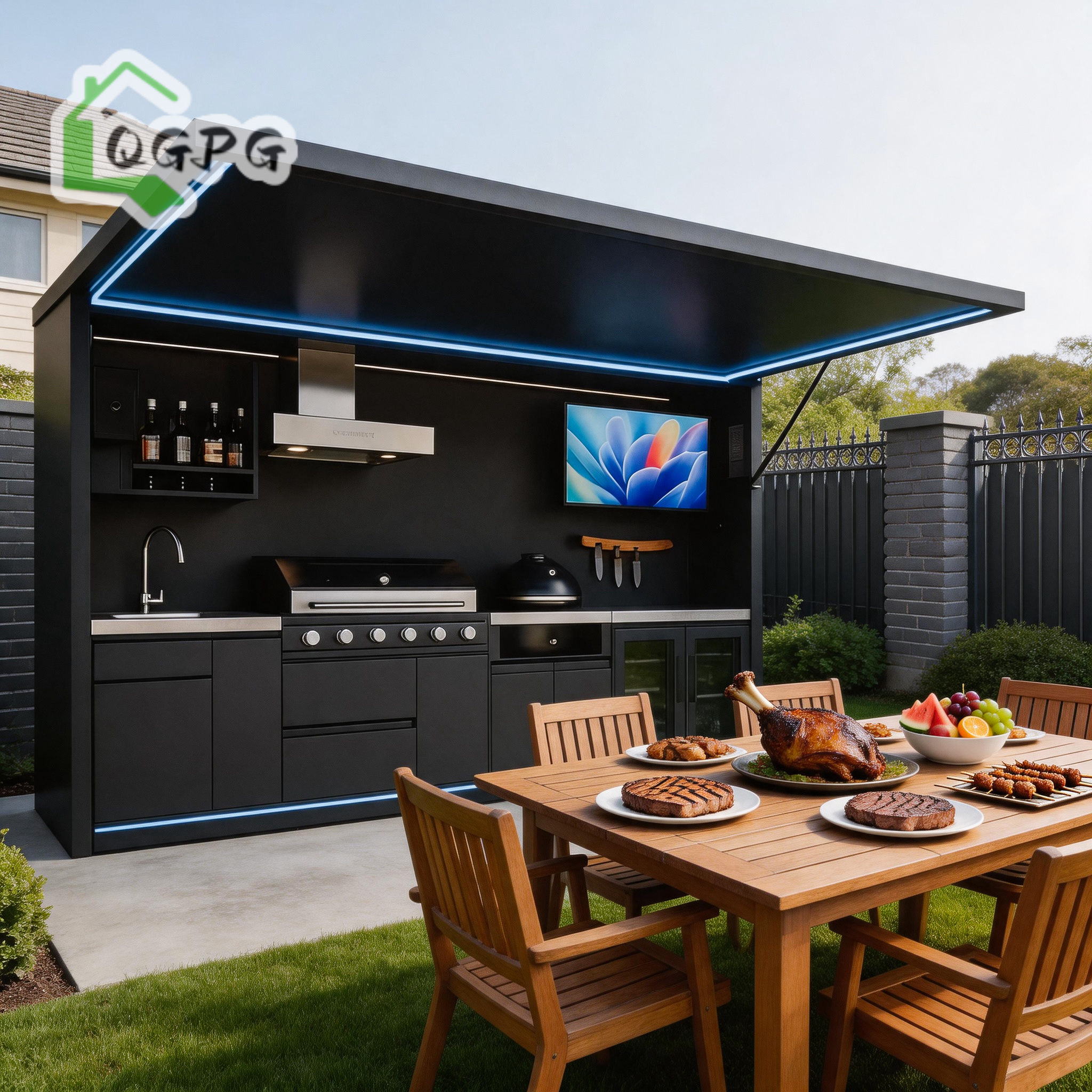
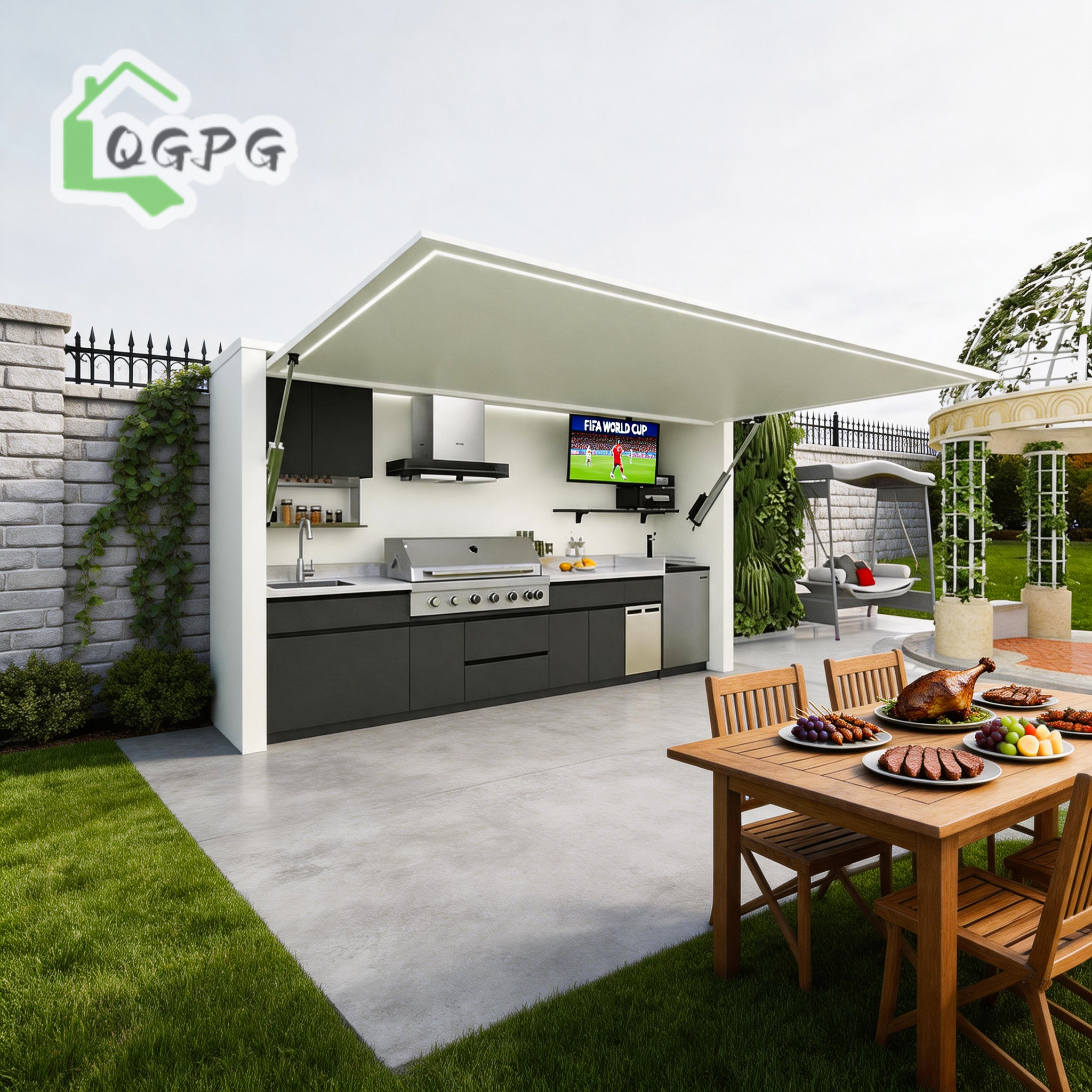
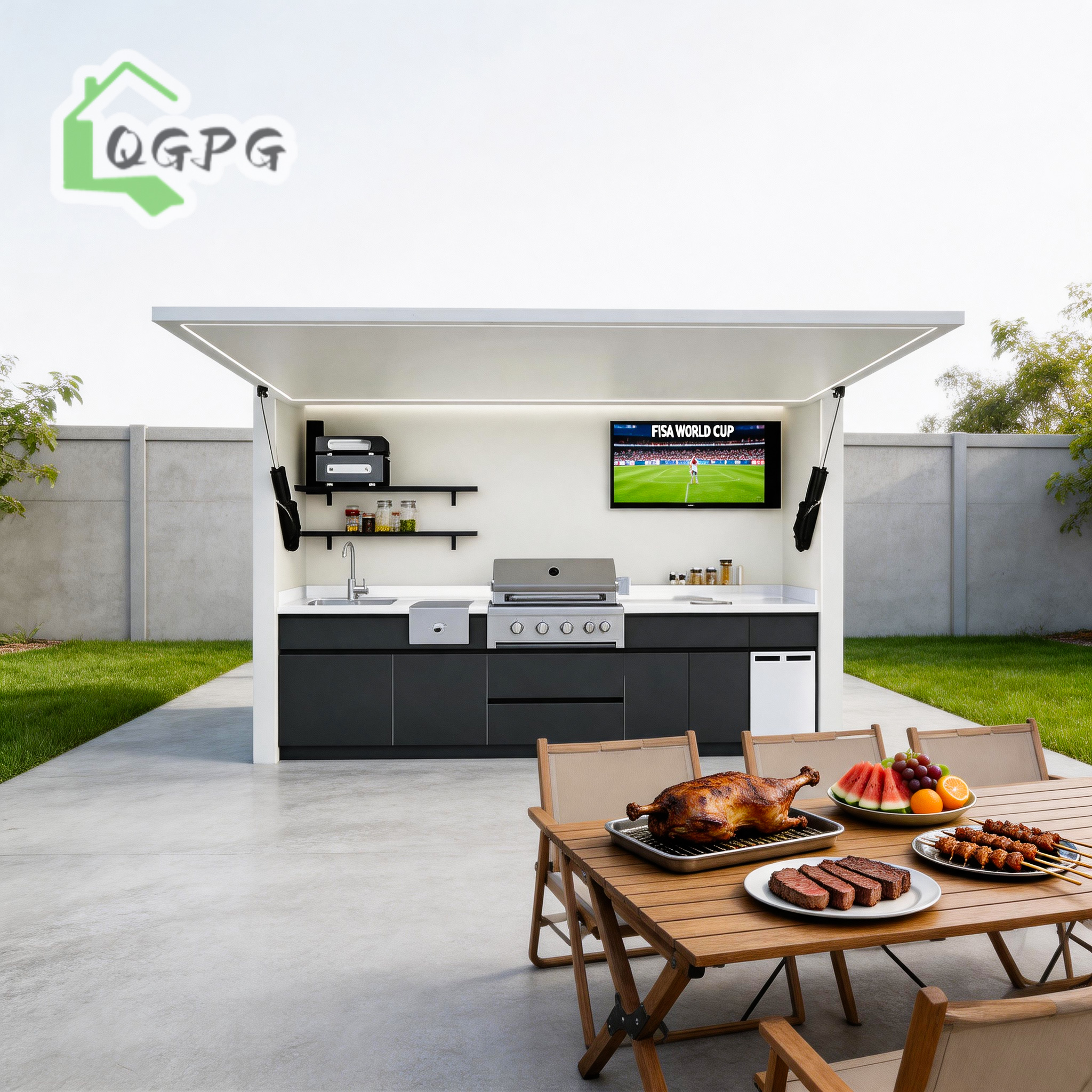
Hospitality developments in remote island groups like the Yasawa or Mamanuca Islands face severe freight constraints. BSU’s expandable container homes and outdoor luxury kitchen pods offer plug-and-play installation without heavy environmental impact on delicate coastal ecosystems. Delivered fully outfitted with marine-grade fixtures, high-end interiors, and integrated power/water interfaces.

Cyclone Emergency & Disaster Relief Housing

Fiji lies directly in the South Pacific tropical cyclone belt. When natural disasters hit, rapid deployment of shelter is critical. Our folding container houses fold down to just 450mm height during shipping, allowing up to 12 units to fit into a single 40ft HQ shipping container. On arrival, a 4-person crew can erect a complete structural unit in under 15 minutes.

Mining, Energy & Infrastructure Workforce Camps

For major infrastructure upgrades along the Kings and Queens Roads, hydro-electric installations, or gold mining operations near Vatukoula, turnkey workforce camps are vital. Modular site office containers, multi-storey flat-pack dormitories, portable restroom trailers, and commercial kitchen modules can be connected horizontally and vertically to support hundreds of workers.

Residential Housing & Rural Village Upgrades

With urban migration straining housing supply in Suva and Nadi, prefabricated steel frame villas and modular homes offer affordable, durable, and modern housing options. Engineered with termite-proof MGO subflooring and non-combustible insulation panels, these homes offer a 50+ year structural lifespan with minimal maintenance.

BSU Prefabricated Container House Factory Delivery
Precision-Engineered Modular Units Ready for Export
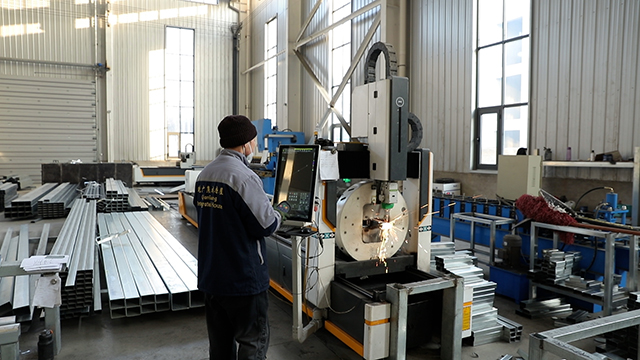
Hebei BSU Factory Production Line
Hebei BSU 10,000+ sqm Heavy Industrial Production Facility
Quality Inspection and Intertek Verified Manufacturing
Intertek On-Site Assessed Quality Control Verification
Strategic Market Trends

Key Construction Trends Shaping the Fiji Prefabrication Sector

Understanding market trajectory is essential for B2B procurement officers, developers, and import distributors operating in the Fiji market. The convergence of climate change resilience initiatives and tourism growth is driving four key industry trends:

1. Strict Alignment with AS/NZS Structural Standards

Because Fiji’s structural building guidelines heavily reference Australian and New Zealand standards (AS/NZS 1170 for wind loads and AS 4100 for structural steel), non-compliant imports face immediate rejection at port customs or municipal engineering review. BSU pre-engineers frame connections and structural calculations to satisfy local certified engineers (CPEng).

2. Solar-Ready Off-Grid Integration

Outer Fijian islands frequently lack centralized power grids. Modern prefab housing in Fiji is increasingly specified with solar-ready roof load capacity, pre-piped conduit runs for DC/AC inverters, and high thermal efficiency insulation (PU foam cores) to minimize air conditioning electrical demand by up to 40%.

3. High-Density Container Shipping Solutions

Ocean freight rates to Suva and Lautoka represent a major percentage of landed costs. Products engineered as flat-pack modules or folding container structures optimize ocean freight density. Shipping 4 flat-pack office units in a single SOC container slot reduces sea transport costs by up to 65% compared to fully assembled rigid units.

4. Termite & Humidity Defensible Materials

Fiji's high relative humidity (averaging 75%-85%) and active subterranean termite populations make traditional timber joists and drywall prone to rapid decay. BSU utilizes inorganic MGO (Magnesium Oxide) boards, fiber cement sheeting, and extruded PVC internal wall trims that are 100% immune to fungal decay, mold, and insect attack.

Enterprise Trust & Authority

Why BSU Modular Buildings is the Preferred Manufacturer for South Pacific Projects

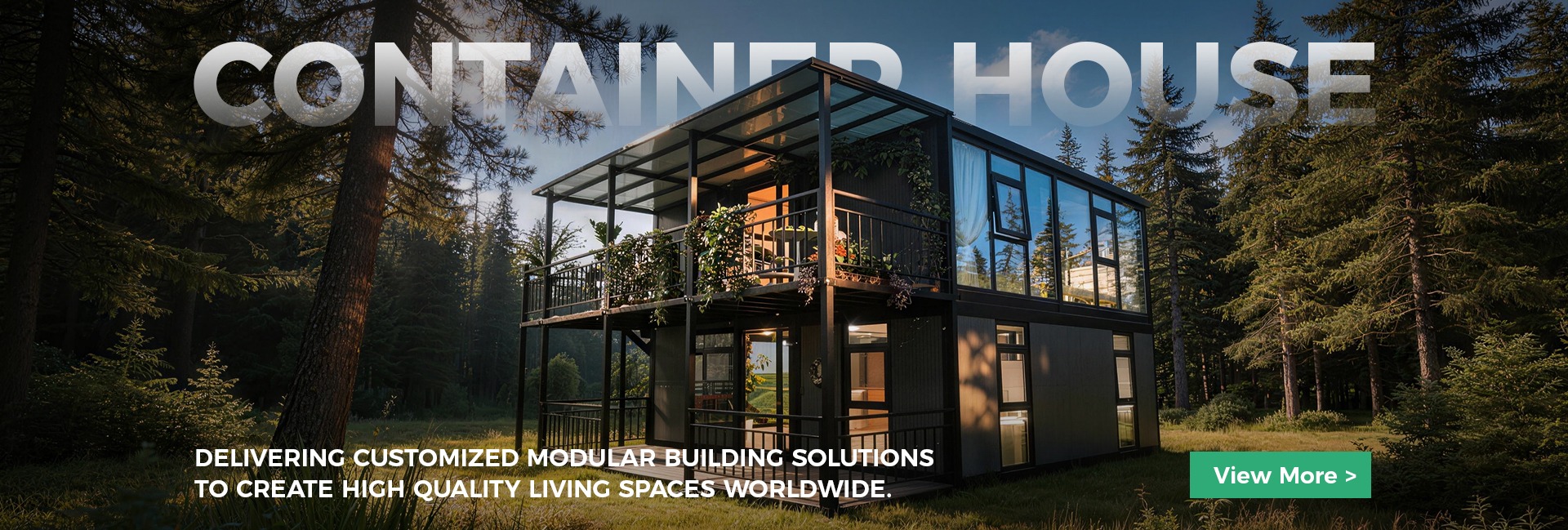
Hebei BSU Building Materials Technology Co., Ltd. (BSU) is an Intertek-assessed custom manufacturer specializing in expandable, folding, and flat-pack container houses, site offices, steel structure villas, and outdoor luxury pod systems for international B2B buyers.

Intertek On-Site Verified Manufacturing

Unlike trading intermediaries, BSU operates dedicated manufacturing facilities in Hebei Province, China. Our factory infrastructure, automated production machinery, welding standards, and quality management systems have passed rigorous on-site audits by Intertek, providing complete procurement transparency.

80+ Experienced Engineers & Specialists

Our in-house engineering team translates complex site specifications, tropical wind loads, and regional electrical codes (such as AS/NZS 3000 wiring rules) into precise CAD and BIM fabrication models. We offer full structural calculations and load-bearing certifications for peace of mind.

End-to-End Export Logistics Expertise

With hundreds of units exported across Oceania, Asia, and Europe, BSU manages the full supply chain workflow: custom container loading plans, seaworthy shrink-wrapping, anti-humidity desiccant packing, and complete documentation packages required for seamless Fiji Revenue & Customs Service (FRCS) clearance.

Local Buyer Guidance

Frequently Asked Questions: Sourcing Prefab Buildings in Fiji

Direct technical and operational answers to common questions raised by Fijian contractors, resort owners, and project managers.

How do BSU prefab container houses withstand Fiji's Category 5 tropical cyclones?
BSU units engineered for the Fiji market incorporate structural high-tensile hot-dip galvanized steel frames with corner casting lockable twist-locks and ground anchoring systems. Wall panels are mechanically fastened with heavy-duty structural rivets and hurricane clips. Our structural calculations align with AS/NZS 1170.2 wind load standards, supporting ultimate limit state wind speeds of up to 280 km/h (78 m/s).
What anti-corrosion protection is applied to prevent rust in coastal island environments?
To combat C5-M high-salinity marine air, all structural steel profiles undergo hot-dip galvanizing with a minimum zinc coating weight of 180-275g/m². The steel surfaces are then treated with zinc-rich epoxy primers and finished with fluorocarbon (PVDF) outdoor weather coatings. Exposed metal hardware, door hinges, and outdoor pod kitchens are manufactured using 304 or 316 marine-grade stainless steel.
How are units transported from Lautoka or Suva ports to outer islands like Taveuni or Vanua Levu?
For outer island delivery, flat-pack and folding container models are strongly recommended. These units ship compact in standard 20ft or 40ft HQ ocean containers. Upon arriving at Suva or Lautoka Port, the sea containers can be transferred directly onto inter-island landing barges or roll-on/roll-off (Ro-Ro) ferry services. Offloading can be completed using standard 5-ton forklifts or small site cranes.
Are electrical wiring and plumbing components compliant with Fijian regulatory standards?
Yes. BSU pre-installs electrical wiring, conduit, switchboards, and sockets that strictly comply with AS/NZS 3000 wiring rules (Type I AS/NZS 3112 power plugs, 240V, 50Hz). All internal plumbing lines use SAA/WATERMARK certified PEX or PVC piping system options capable of withstanding high temperature and pressure conditions.
Can BSU customize interior floor plans and exterior finishes for luxury resort applications?
As a verified custom manufacturer, BSU adjusts module dimensions, interior partition walls, luxury bathroom fittings, floor finishes (SPC click-flooring, WPC decking), sliding glass doors, and exterior architectural cladding (composite timber, aluminum louvers). Our design team works directly from your architectural floor plans or provides custom 3D concepts.
What is the typical production and shipping lead time from factory dispatch to Fiji?
Standard modular units have a production cycle of 15 to 20 days following final CAD drawing approval. Ocean transit time from main Northern China ports (e.g., Tianjin/Qingdao) to Suva or Lautoka Port typically ranges between 18 to 25 days depending on shipping line routing. Full tracking and pre-shipment inspection photos are provided.

Ready to Build in Fiji? Request a Free Engineering Proposal

Send your project floor plans, required unit quantities, and target island location. Our senior engineering team will provide a comprehensive technical specification, layout drawings, and factory-direct price quotation.

Get a Quote