Featured Modular & Space Capsule Systems
Factory-direct prefabricated units engineered for hospitality expansion, commercial hubs, and high-performance outdoor pods.
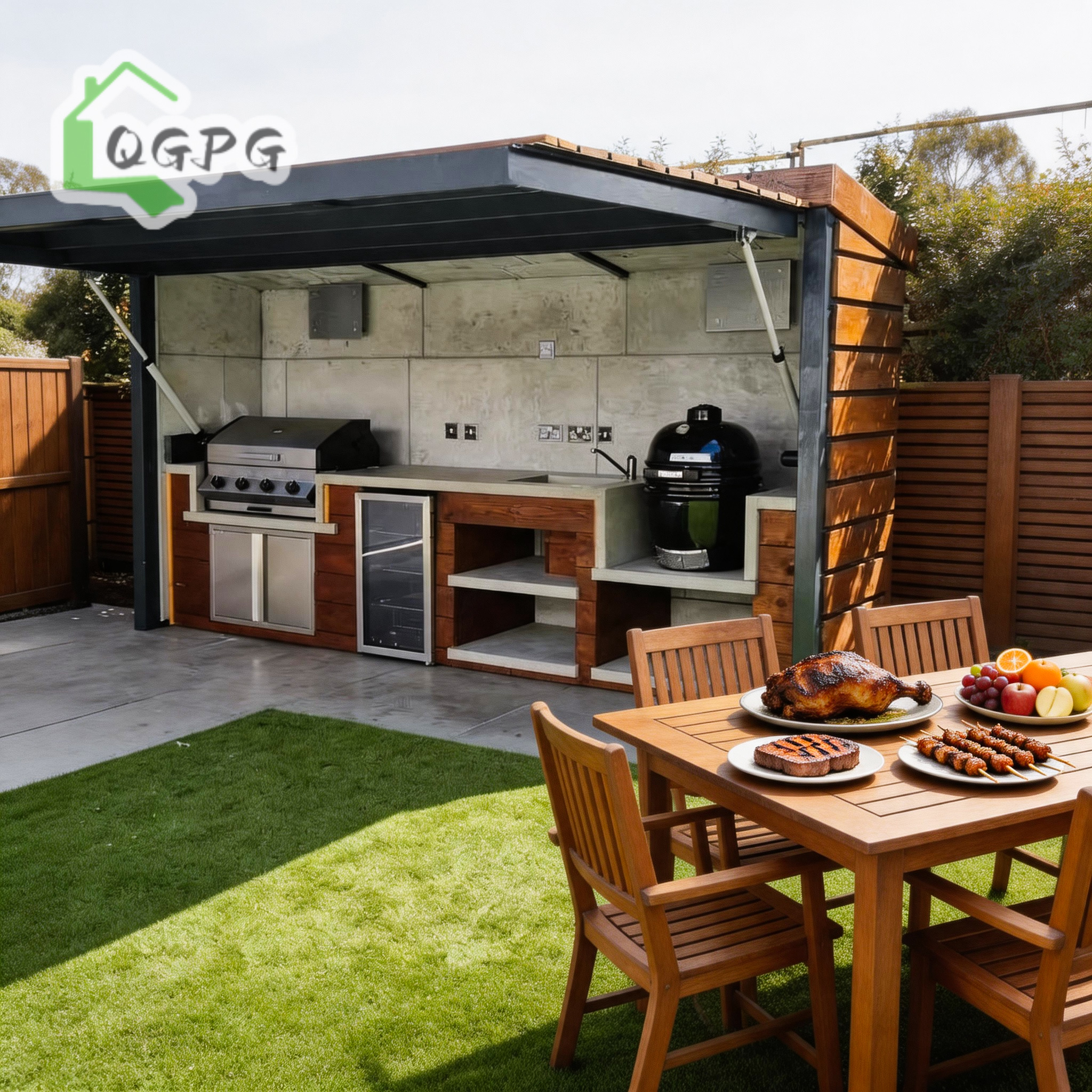
Commercial Marine Grade 304 SS Motorized Roof BBQ Pod
View Details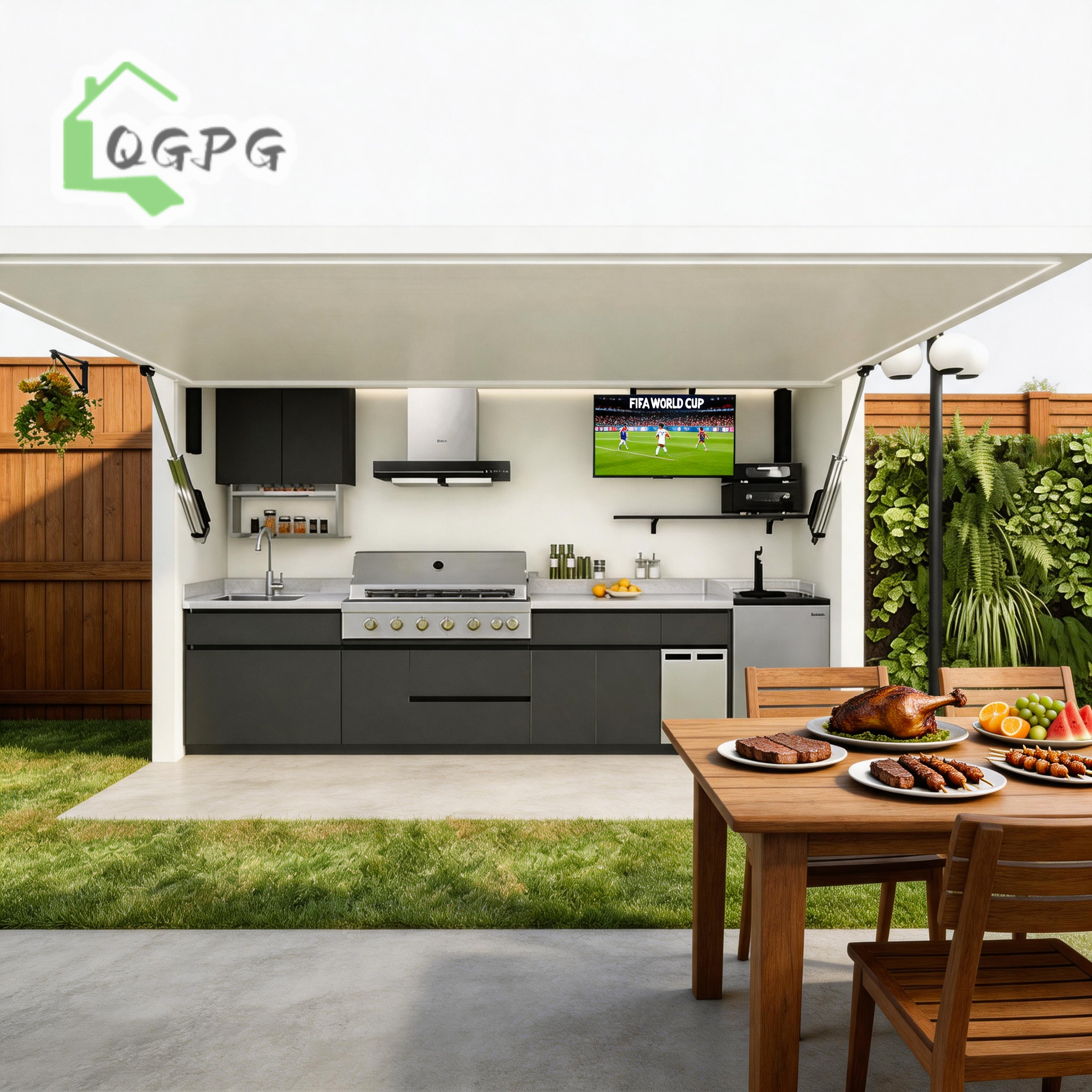
Custom Stainless Steel Motorized All-in-One Kitchen Pod
View Details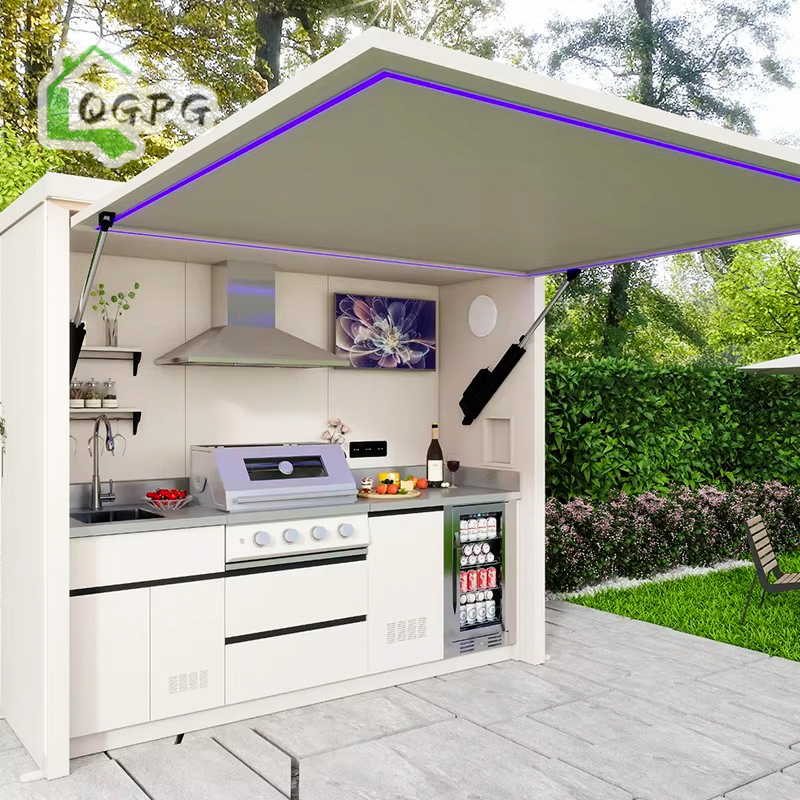
Turnkey Stainless Steel Motorized Flip-up Door Modular Unit
View Details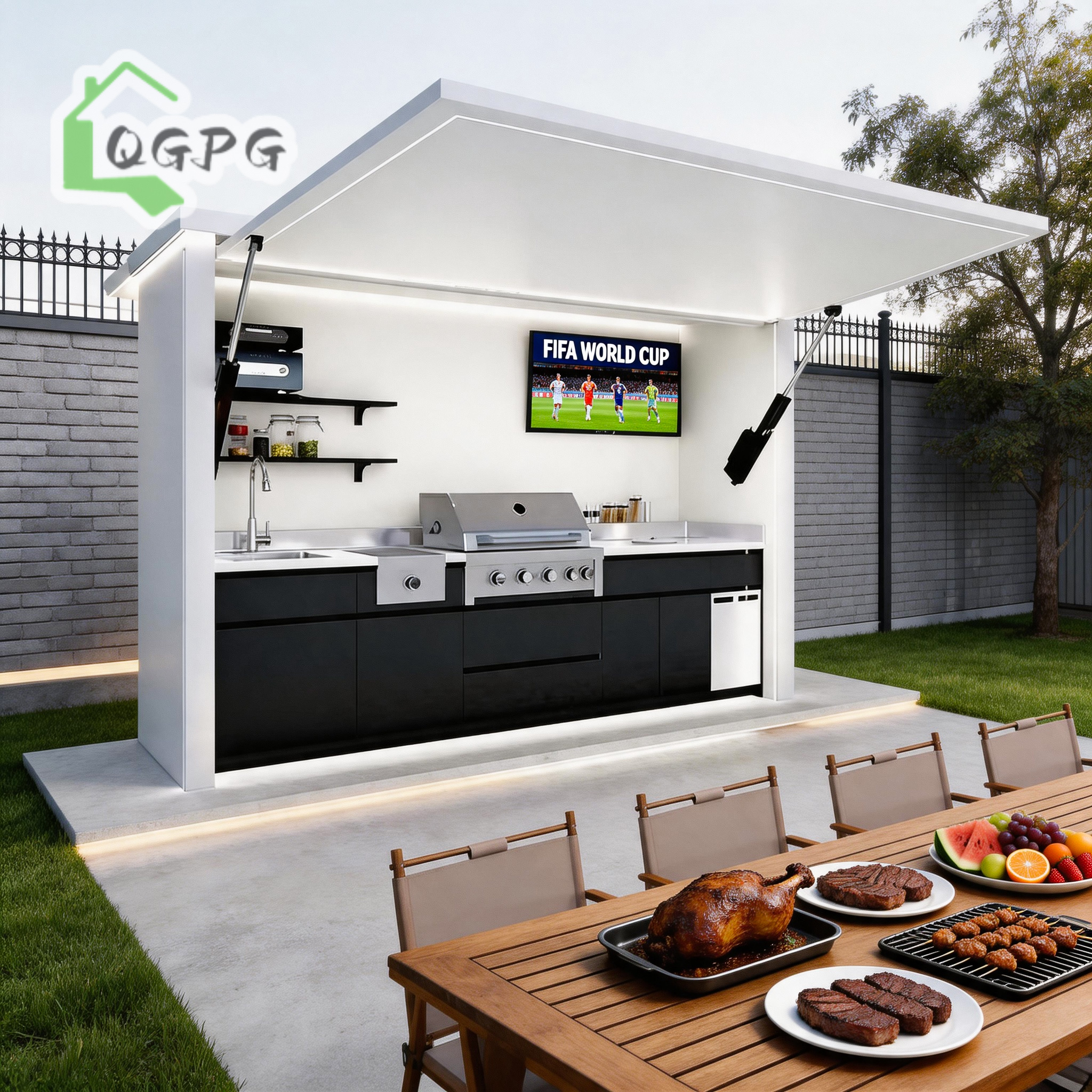
Galvanized Steel Hydraulic Retractable Awning Enclosed Pod
View Details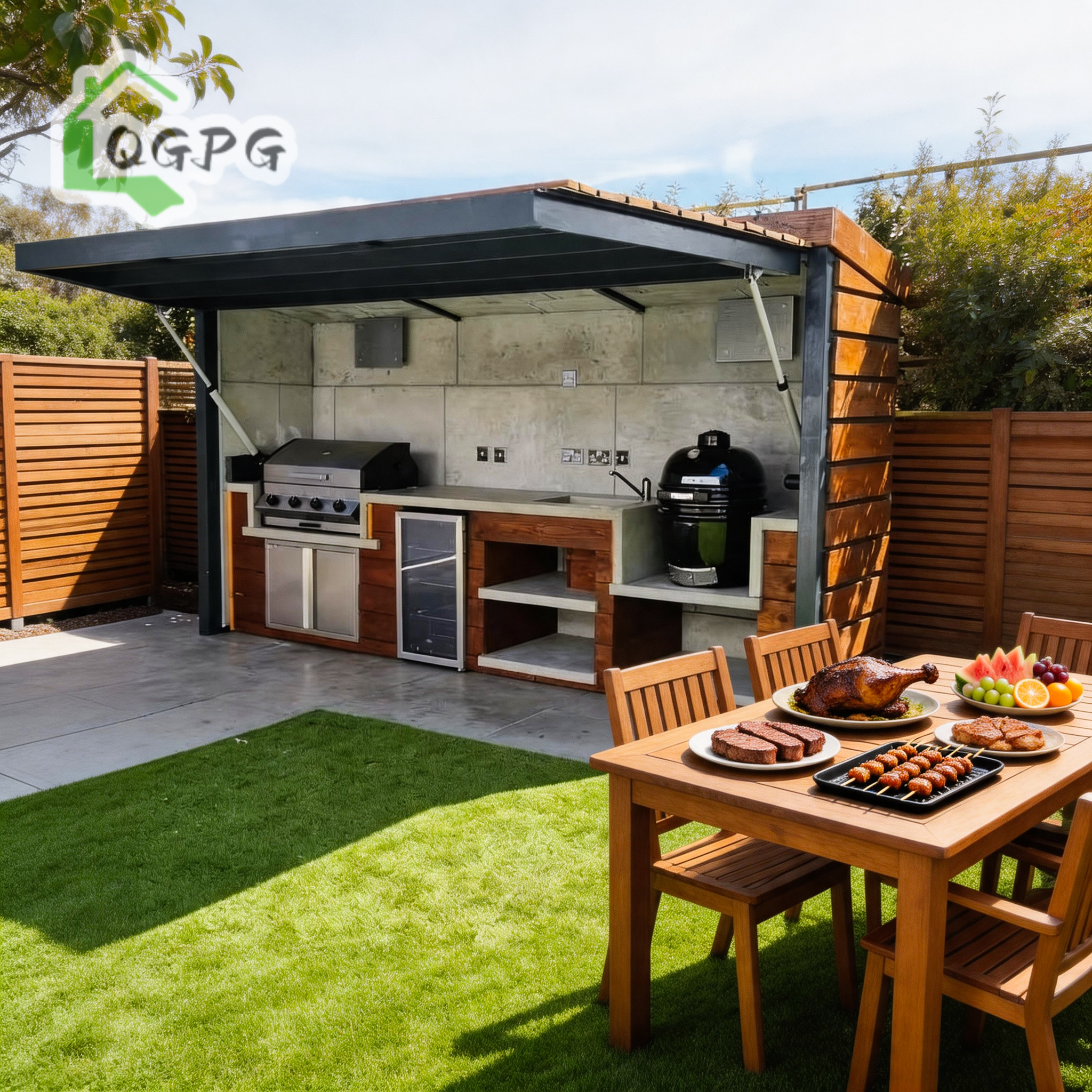
Premium 304 SS Hydraulic Canopy Garden Pod with LED
View Details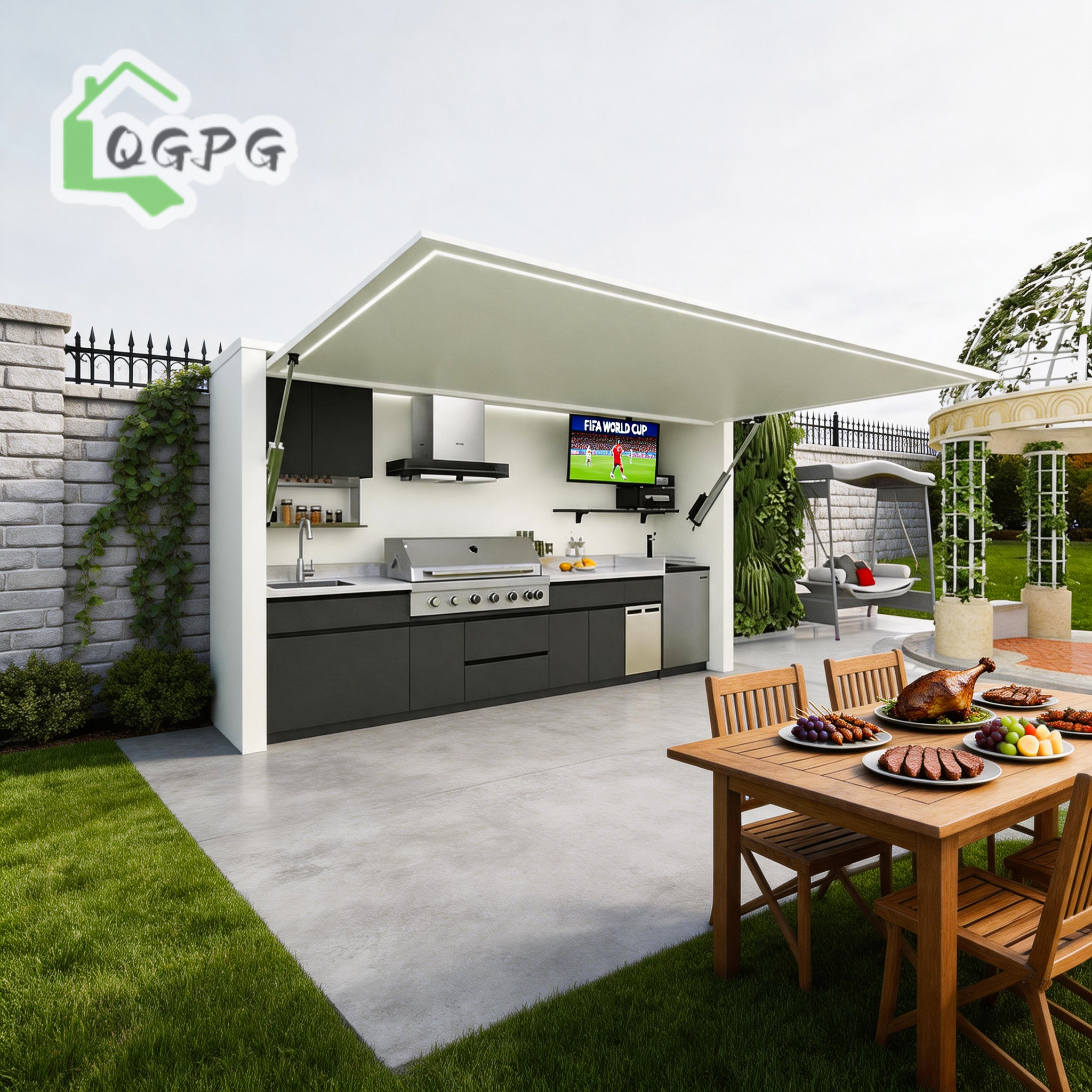
Luxury 304 SS Electric Lift Canopy Expandable Pod
View Details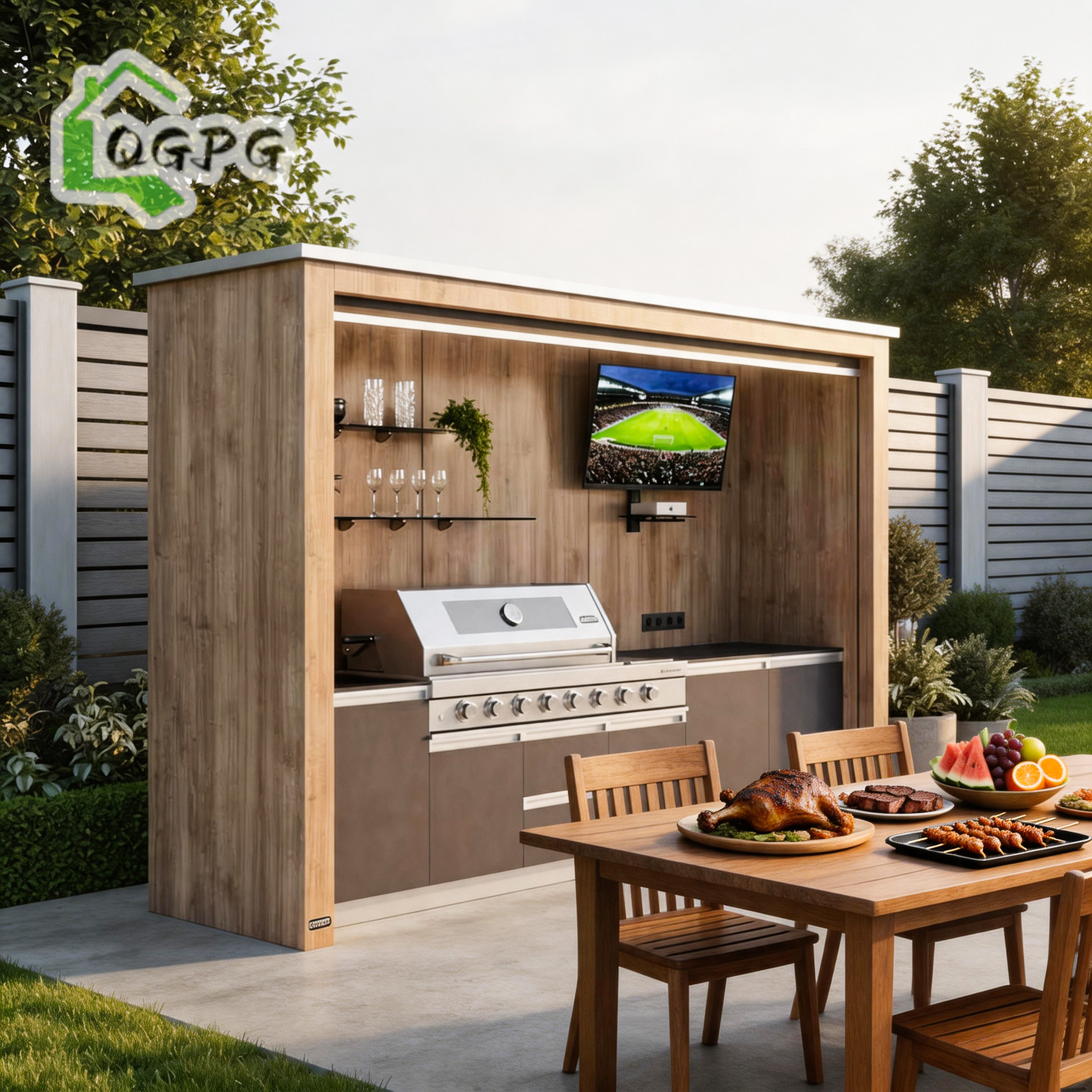
Professional Stainless Steel Electric Lift Canopy Covered Pod
View Details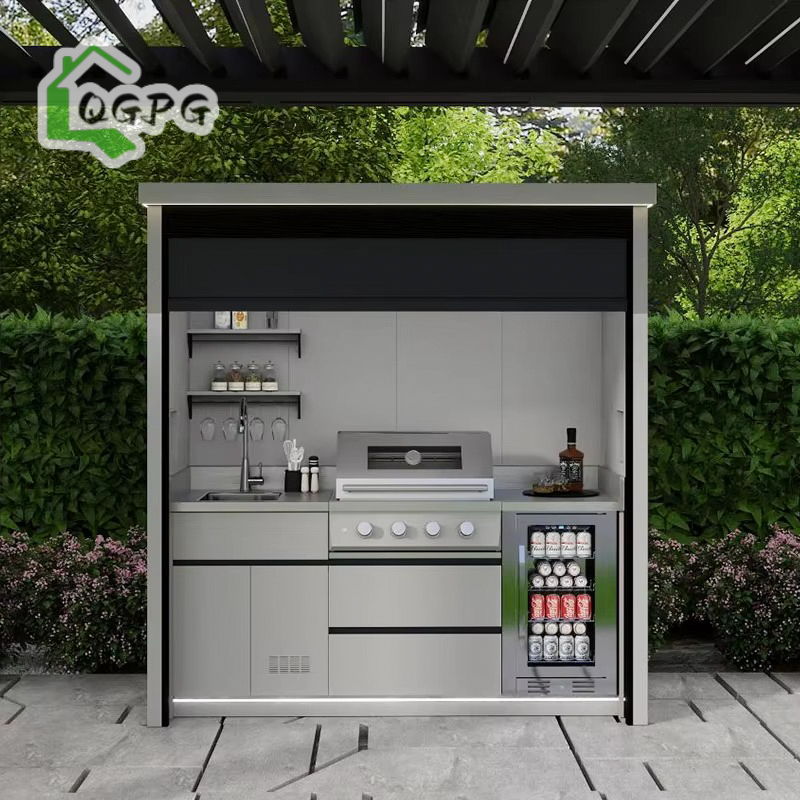
Commercial Marine Grade 304 SS Electric Lift Pod
View DetailsExecutive Market Blueprint: Space Capsule Deployment in Baltimore, MD
Navigating the intersection of coastal resilience, urban densification, and eco-tourism growth across the Chesapeake Bay watershed.
As the premier industrial and maritime gateway of the Mid-Atlantic, Baltimore presents a uniquely compelling market for prefabricated space capsule houses and high-performance modular units. From the commercial developments surrounding the Helen Delich Bentley Port of Baltimore to the expanding eco-resort footprint along the Chesapeake Bay, land developers, hospitality groups, and commercial wholesalers face escalating stick-built construction costs, labor shortages, and stringent local environmental mandates. Space capsule housing technology—characterized by aerodynamically optimized shell structures, galvanized steel chassis, and factory-integrated smart utilities—delivers a transformative solution for real estate operators in Maryland.
Coastal Weathering Defense
Baltimore experiences high relative atmospheric humidity (averaging 70-80%) and salt fog near Patapsco River estuaries. Our space capsule pods feature aviation-grade T6063 aluminum alloy cladding and 304 stainless steel hardware rated for extreme coastal weather.
Urban Infill & ADU Flexibility
Baltimore City and Baltimore County zoning updates favor Accessory Dwelling Units (ADUs). Capsule pods require minimal site footings, bypassing heavy foundation excavation while maximizing backyards and urban infill parcels.
Rapid Off-Grid Integration
Engineered for turn-key deployment, each capsule arrives pre-wired and pre-plumbed, supporting quick hookups to local grid networks or off-grid solar and greywater filtration loops.
Engineering Specification & Structural Integrity
Inside the structural matrix of BSU space capsule pods manufactured for North American B2B distribution.
Building for the Mid-Atlantic market demands strict compliance with wind shear, thermal bridge prevention, and structural load calculations. Hebei BSU Building Materials Technology Co., Ltd. utilizes automated robotics, CNC laser welding, and strict quality control protocols to ensure every space capsule exceeds North American residential and commercial performance standards.
Structural Frame & Outer Shell
The primary load-bearing architecture consists of high-strength galvanized steel structural tubing integrated with a T6063 aviation aluminum alloy curved shell. This structural composite delivers an exceptionally light deadweight while supporting snow loads of up to 2.5 kN/m² and resisting category 3 hurricane wind pressures.
- Galvanized Steel Frame: Hot-dipped anti-corrosion treatment.
- Exterior Shell: Fluorocarbon-baked aluminum alloy plate (100-micron coating thickness).
- Glass Envelope: Double-layer tempered hollow Low-E glass panels providing 270° panoramic views with high solar heat rejection.
Thermal Envelope & Smart Interiors
To withstand Baltimore's freezing winter temps and humid summer heat waves, the capsule walls feature high-density polyurethane (PU) injection insulation, achieving thermal performance figures that dramatically lower annual HVAC operational expenses.
- Insulation Core: 100mm Polyurethane spray foam (Thermal conductivity ≤ 0.024 W/m·K).
- Smart Climate Loop: Integrated concealed duct multi-zone inverter heat pump system.
- Interior Architecture: Eco-friendly bamboo charcoal fiber wall panels with integrated LED ambient lighting tracks.
Baltimore Localized Application Scenarios
Tailored modular deployment strategies for commercial operators, municipal developers, and hospitality investors in Maryland.
1. Chesapeake Bay Eco-Resorts & Glamping Hubs
Tourism developers along Anne Arundel and Baltimore County coastal corridors can launch futuristic glamping destinations without invasive permanent foundations. The capsule house’s self-contained sewage holding and low site impact satisfy strict Chesapeake Bay Critical Area protection guidelines.
2. Urban Backyard ADUs & Rental Yield Expansion
Property owners in residential Baltimore neighborhoods (e.g., Roland Park, Towson, Owings Mills) can utilize compact capsule units as turnkey accessory dwelling units for long-term rental income, student housing, or private home offices without months of site disruption.
3. Inner Harbor Commercial Pop-ups & Retail Pods
Event spaces, pop-up cafes, and experiential retail concepts around Baltimore’s Inner Harbor and Canton waterfront can leverage space capsules as eye-catching, lock-and-leave commercial kiosks that can be relocated via flatbed trailer at the end of leases.
4. Maritime & Industrial Port Site Command Offices
Logistics operators near the Port of Baltimore require durable, weather-tight field offices. Space capsule pods provide fully insulated, soundproof command centers that arrive pre-wired for instant integration into freight yards and industrial park complexes.
Maryland Regional Trends & Policy Alignment
How space capsule modular construction directly aligns with Maryland’s progressive green building policies.
Under Maryland’s Climate Solutions Now Act, developers are pushed toward low-carbon building techniques and energy-efficient building envelopes. Traditional stick-built site construction creates substantial material waste and land disturbance. In contrast, factory prefabrication at BSU’s production facility achieves up to 90% reduction in raw material waste.
Why Baltimore Procurement Managers Partner with BSU
Factory-direct accountability, Intertek verified manufacturing, and streamlined shipping routes to the Port of Baltimore.
Hebei BSU Building Materials Technology Co., Ltd. is not a broker; we are an Intertek-assessed custom manufacturer operating dedicated steel framing, aluminum shell shaping, and interior fit-out workshops. We provide complete OEM/ODM support for US wholesalers, distributors, and general contractors seeking high volume supply chains.
Intertek Verified Audit
Our production facilities have completed on-site verification by Intertek, confirming true manufacturing capacity, physical assets, staff credentials, and export compliance protocols.
Direct Port Shipping
Units are securely ocean-freighted via flat-rack or standard shipping containers directly into the Port of Baltimore, minimizing inland drayage costs across the Mid-Atlantic region.
Engineering Support
We provide full structural shop drawings, electrical single-line diagrams, and plumbing schematics to assist local engineers in securing Baltimore municipal permit approvals.
Comparative Analysis: Space Capsule vs. Traditional Prefab
Evaluating structural lifespan, site labor, thermal performance, and residual asset value.
| Vector Metric | BSU Space Capsule Pod | Traditional Stick-Built ADU | Standard Shipping Container |
|---|---|---|---|
| Structural Lifespan | 50+ Years (Aviation Grade Aluminum) | 30-40 Years (Wood Frame Rot Risk) | 15-25 Years (Corrosion Prone) |
| On-Site Assembly Time | 2 Hours (Unload & Connect Utilities) | 4 - 8 Months (Weather Dependent) | 3 - 6 Weeks (Retrofit Heavy) |
| Thermal Bridge Prevention | Integrated PU Core & Thermal Breaks | Requires Manual Layered Insulation | Poor (High Metallic Thermal Bridge) |
| Relocation Capability | 100% Relocatable via Crane / Flatbed | Permanent (Zero Asset Mobility) | Relocatable (Requires Re-sealing) |
| Coastal Salt-Spray Resistance | Fluorocarbon Baked Aluminum (High) | Paint Decay / Wood Rot (Moderate) | High Rust Risk (Low unless treated) |
Baltimore Procurement & Technical FAQ
Direct answers to structural, logistics, zoning, and customization questions from commercial buyers in Maryland.
How are BSU Space Capsule Houses transported directly to Baltimore?
What foundation preparation is required for space capsule installation in Maryland?
Can BSU space capsules meet Baltimore City and County building codes?
How does the capsule perform during winter freeze and snow load conditions?
Can commercial buyers customize internal floor plans and branding?
What is the lead time for wholesale orders shipped to the US East Coast?
Partner with a Verified Space Capsule Manufacturer
Planning a resort development, commercial glamping venture, or wholesale distribution network in Baltimore or the Mid-Atlantic region? Connect directly with our engineering and export team for technical specs, structural drawings, and volume pricing quotes.
Contact Us