Featured Modular Pods & Expandable Units
Engineered for high-durability hospitality, commercial extensions, and residential installations across Mexico's diverse climatic zones.
Mexico’s Modular & Prefabricated Housing Ecosystem
Analyzing structural demand drivers, Nearshoring impact, and technological shifts across the Mexican republic.
The Structural Shift toward Expandable Modular Architecture
Mexico is undergoing an unprecedented structural transformation in construction methodology. Driven by the Nearshoring economic surge in northern states like Nuevo León, Coahuila, and Tamaulipas, alongside explosive eco-tourism developments across the Riviera Maya and Baja California Peninsula, traditional masonry (block y cemento) is facing severe bottlenecks due to rising labor costs, extended build timelines, and material supply chain volatility.
Expandable container homes—engineered in highly controlled manufacturing facilities—have emerged as the premier capital-efficient alternative. By folding a fully equipped 3-in-1 living space into a compact standard shipping footprint (20ft or 40ft High Cube container), developers achieve up to 75% savings on international sea logistics while unlocking up to 37 to 74 square meters of usable indoor floor space upon rapid hydraulic or mechanical deployment.
Furthermore, Mexican federal energy standards (NOM-008-ENER) and seismic design codes defined by the Comisión Federal de Electricidad (CFE) necessitate advanced thermal insulation (PU or high-density Rockwool) and galvanized structural steel frames capable of enduring Zone B and C seismic accelerations as well as Category 4 hurricane wind forces.
Top 10 Expandable Container Home Manufacturers & Wholesalers
Comparative evaluation based on manufacturing capacity, structural engineering, customization capability, and direct export logisitics to Mexican ports.
- Custom 20ft & 40ft Expandable Layouts
- Integrated C5-M Coastal Anti-Corrosion Systems
- Verified Trade Capacity & On-Site Engineering Support
- Rapid Unfolding System
- Standardized Studio Layouts
- Local Inventory in CDMX & Queretaro
- Custom Architectural Retrofitting
- Heavy Duty Mining Spec
- Local Government Contracting
- Luxury Eco-Resort Finishes
- Off-Grid Solar & Sewage Integration
- Urban Residential Floorplans
- Turn-Key Plumbing Packages
- Modern Glass Facades
- High Thermal Mass Glass Insulation
- Cold-Formed Steel Hybrid
- Rapid Structural Erection
- Modular Office Networks
- Large-Scale Fleet Rental Options
- Hospitality Utility Pods
- Compact Footprint Engineering
Deployment Scenarios Across Mexico’s Microclimates
From tropical humidity to arid desert extremes, how expandable container systems adapt to specific regional conditions.
Quintana Roo & Yucatan Eco-Resorts
Coastal regions require C5-M Marine Grade anti-corrosion paint, high-density PU insulation to withstand ambient temperatures exceeding 38°C, and structural anchoring designed for 250 km/h wind loads (Category 4 Hurricanes). Expandable homes provide rapid boutique hotel expansion without environmental disruption to jungle ecosystems.
Monterrey & Northern Industrial Parks
To keep pace with multinational manufacturing facilities opening under Nearshoring initiatives, developers utilize expandable container modules for executive site offices, engineer dormitories, and high-spec security control hubs installed in under 48 hours.
Baja California & Valle de Guadalupe Glamping
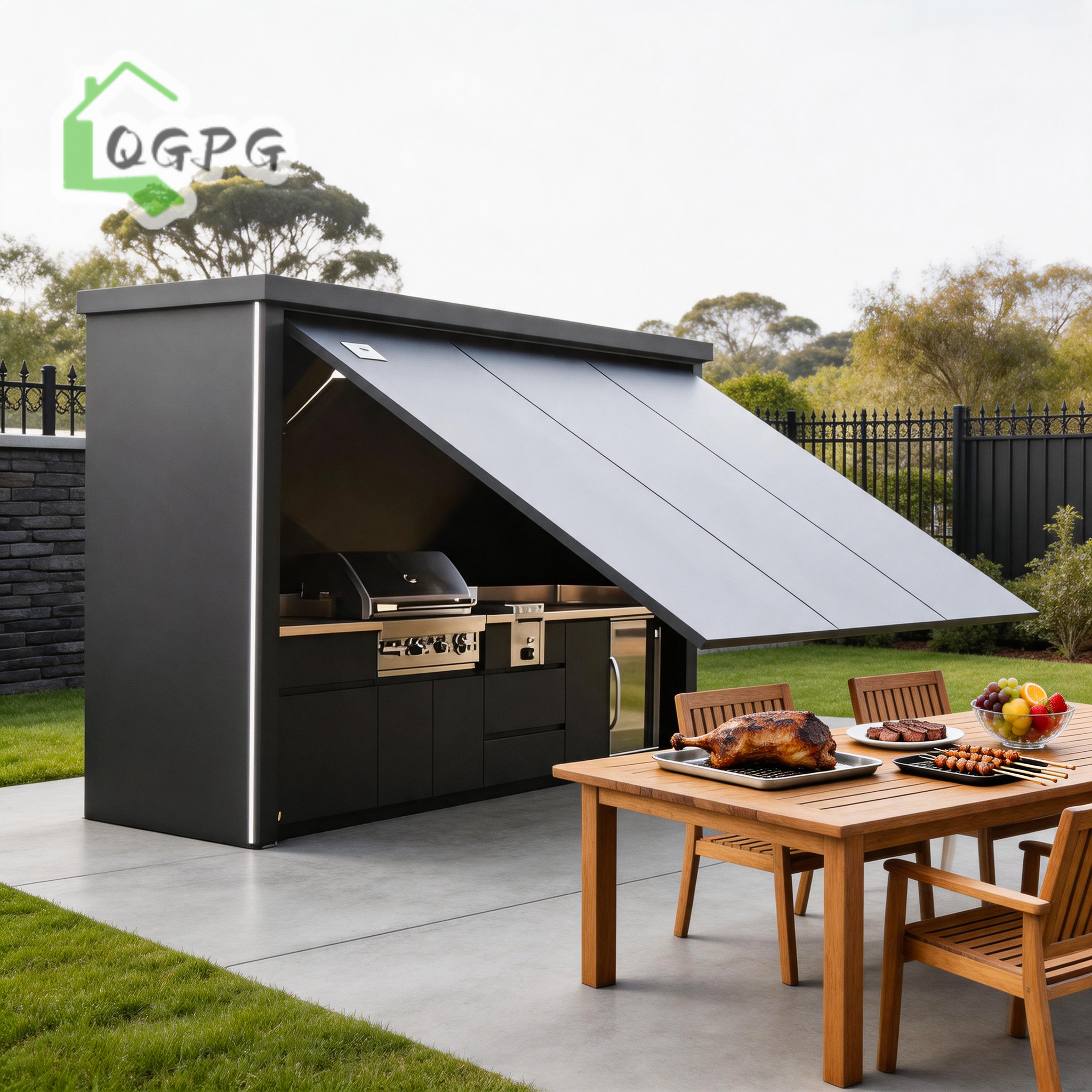
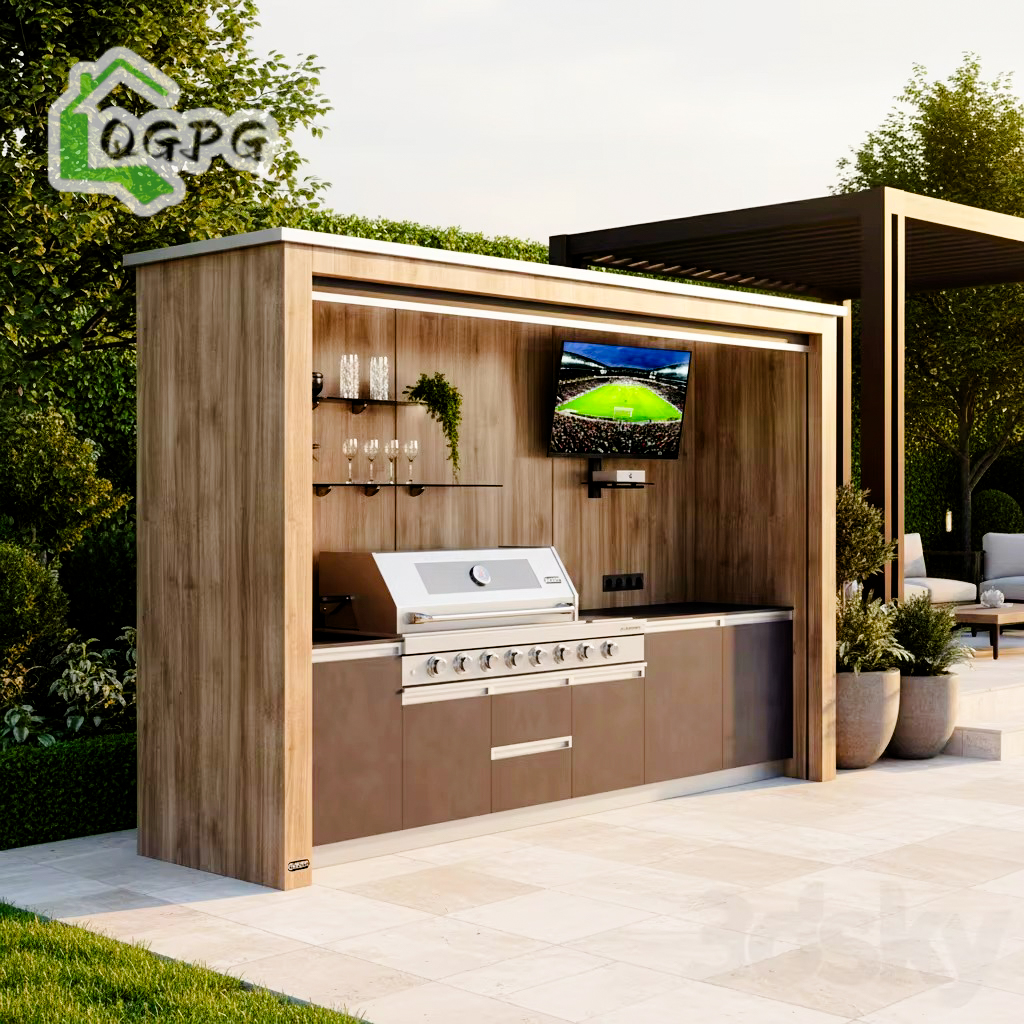
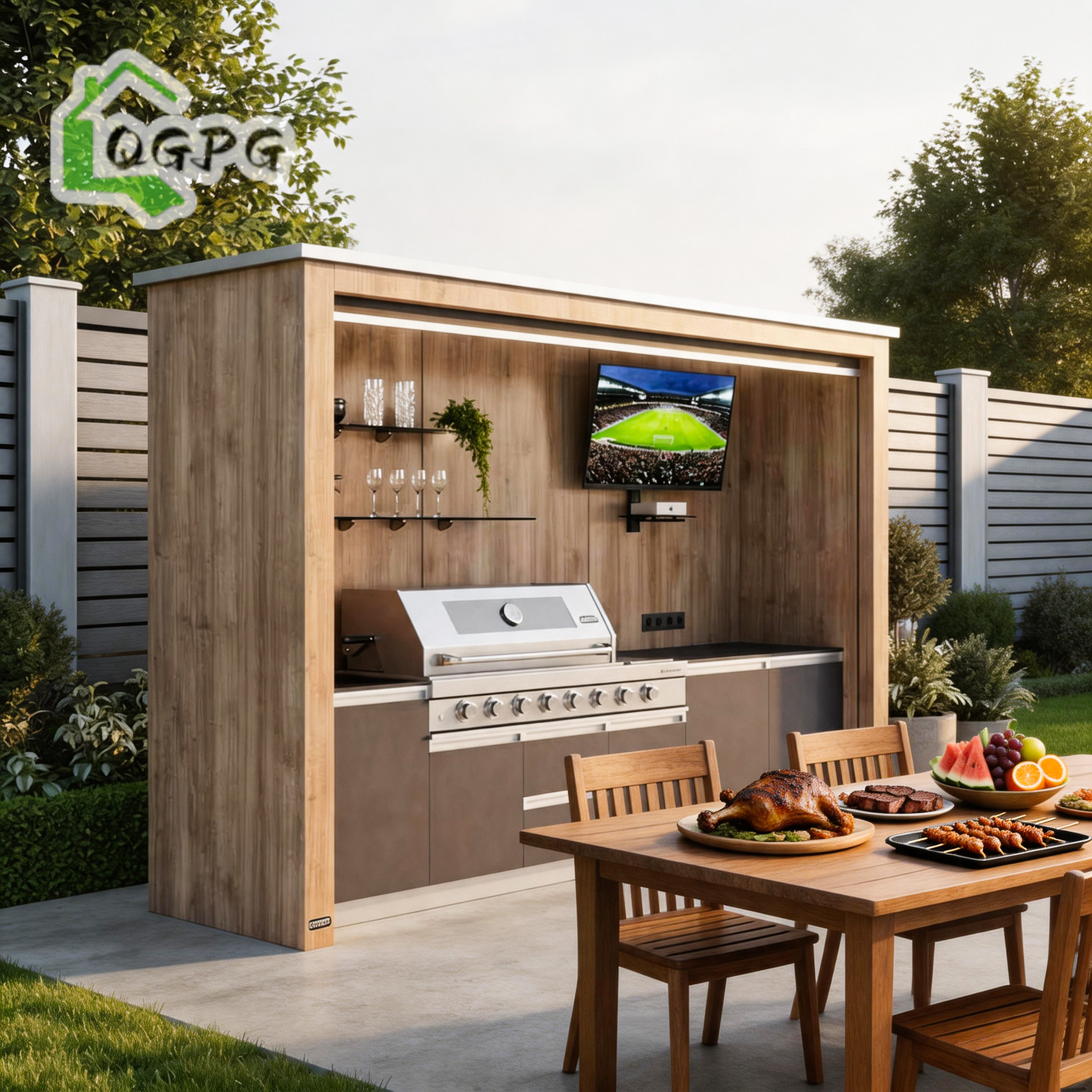
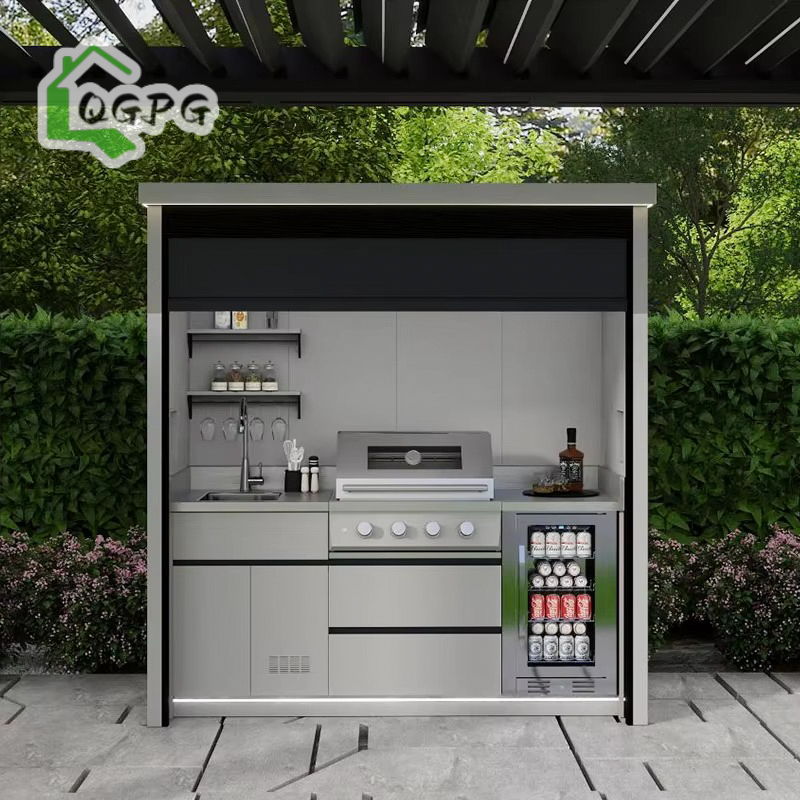
In arid terrain with high diurnal temperature swings (hot days, freezing nights), 75mm Rockwool sandwich panel walls ensure optimal thermal retention. Expandable units configured with integrated outdoor kitchen pods deliver turn-key luxury hospitality experiences.
Central Mexico High-Density Housing (Edomex & Puebla)
Addressing urban affordable housing shortages, multi-unit expandable configurations allow rapid stacking (up to 3 levels) on shallow slab foundations, dramatically reducing municipal infrastructure preparation costs.
Expandable Container Specs vs. Traditional Construction
Quantitative analysis of structural, thermal, and cost parameters for Mexican commercial buyers.
| Technical Parameter | Expandable Container Unit (Factory OEM) | Traditional Masonry (Block y Cemento) | Standard Flat-Pack Cabin |
|---|---|---|---|
| Installation Time | 2 Hours (2-4 workers) | 3 to 6 Months | 1 to 2 Days |
| Seismic Rating (CFE Code) | Zone C / D (Magnitude 8.0+ Resistant) | Vulnerable if unreinforced | Zone A / B Rated |
| Thermal Insulation (R-Value) | R-18 to R-24 (PU/Rockwool Sandwich) | R-4 (Uninsulated Block) | R-10 (Standard EPS) |
| Electrical Standard Compliance | NOM-001-SEDE Pre-wired (110V/220V 60Hz) | On-site conduit chasing required | Basic conduit routing |
| Coastal Marine Coating | C5-M Galvanized + Fluorocarbon Finish | Standard exterior paint (re-apply yearly) | C3 Industrial Enamel |
| Relocation Capability | 100% Re-foldable & Transportable | Permanent (Demolition required) | Semi-permanent (Disassembly needed) |
Why Global Wholesalers & Mexican Developers Partner with Hebei BSU
Hebei BSU Building Materials Technology Co., Ltd. is an Intertek-Assessed custom manufacturer operating 80+ certified engineering and fabrication personnel. BSU provides full structural custom design, advanced CAD/BIM modeling, strict batch-QC testing, and direct sea transport packing optimization. Whether you are importing 5 units for a boutique eco-lodge in Sayulita or 100+ units for a mining camp in Sonora, BSU guarantees exact material traceability, certified welding integrity, and seamless import documentation.
Frequently Asked Questions for Importing to Mexico
Essential guidance on tariff codes, ocean shipping routes, foundation requirements, and local Mexican electrical compliance.
What import duties and tariffs apply when bringing expandable container homes into Mexico?
Expandable container homes imported from China generally fall under HS Code 9406.90 (Prefabricated Buildings). Under Mexican customs laws (SAT - Servicio de Administración Tributaria), importers with an active Padrón de Importadores typically pay a standard General Import Duty (IGI) ranging from 0% to 15% depending on specific steel classification and trade agreements, plus the standard 16% VAT (IVA). Working with an established customs broker (Agente Adual) at major entry ports like Manzanillo or Lázaro Cárdenas ensures smooth customs clearance.
How do expandable container homes handle high seismic activity in states like Oaxaca, Guerrero, or Mexico City?
Expandable container homes possess inherent structural advantages during seismic events. Built around a high-tensile galvanized steel structural cage (Q235B / Q355B steel), the modular box acts as a flexible, unified diaphragm that dissipates lateral seismic energy far better than rigid masonry blocks. When properly anchored to isolated concrete footings (zapatas aisladas) or a reinforced concrete slab (losa de cimentación), expandable units easily comply with CFE Seismic Zone C and D requirements.
Are electrical and plumbing systems customized for standard 110V/220V 60Hz Mexican utilities?
Yes. Factory-direct units exported by top manufacturers like Hebei BSU are pre-wired strictly adhering to NOM-001-SEDE standards. This includes US/Mexico standard NEMA electrical sockets, 60Hz circuit breakers, double-pole breakers for air conditioning units (Minisplits), and standard PEX/PVC plumbing connections compatible with Mexican municipal water pressure and septic infrastructure.
How are units packed, and what is the transit timeline to Mexican Pacific ports?
A standard 20ft expandable unit folds into a compact shipping module measuring approximately 5900mm x 2200mm x 2480mm, allowing two full units to fit into a single 40ft High Cube container or shipping as a standalone flat-rack. Ocean transit from major Chinese ports (Qingdao, Tianjin, Shanghai) to Manzanillo or Lázaro Cárdenas typically takes between 22 and 28 days.
What foundation preparation is required prior to unboxing and expanding the unit?
Expandable container homes do not require deep excavation. A level surface is essential. The most common foundations in Mexico are a 15cm reinforced concrete slab, perimeter concrete beams (dadas de concreto), or helical ground screws. Once positioned, leveling jacks integrated into the unit frame allow fine adjustment before unfolding the side wings.
Can units be customized with luxury outdoor kitchen pods or solar power kits?
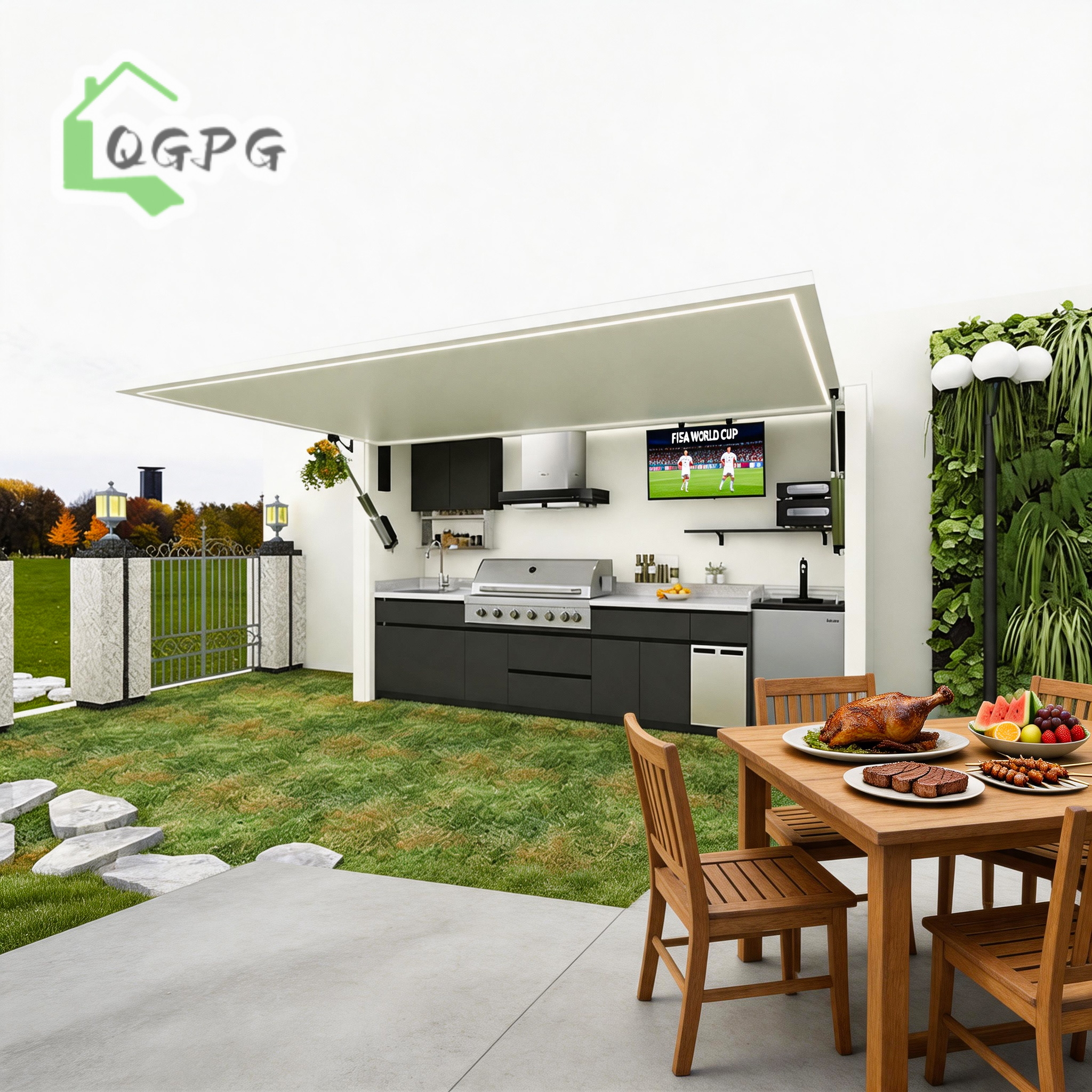
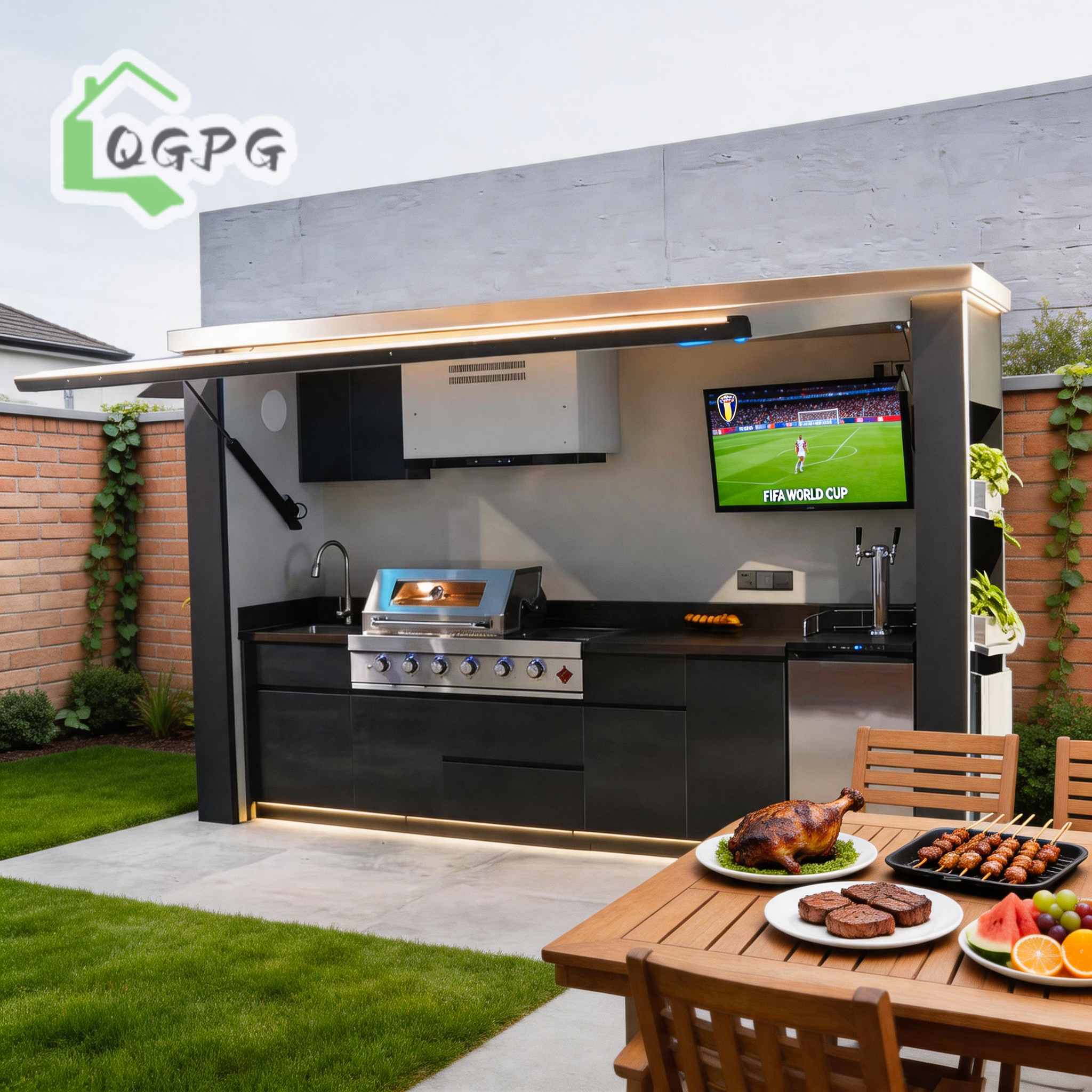
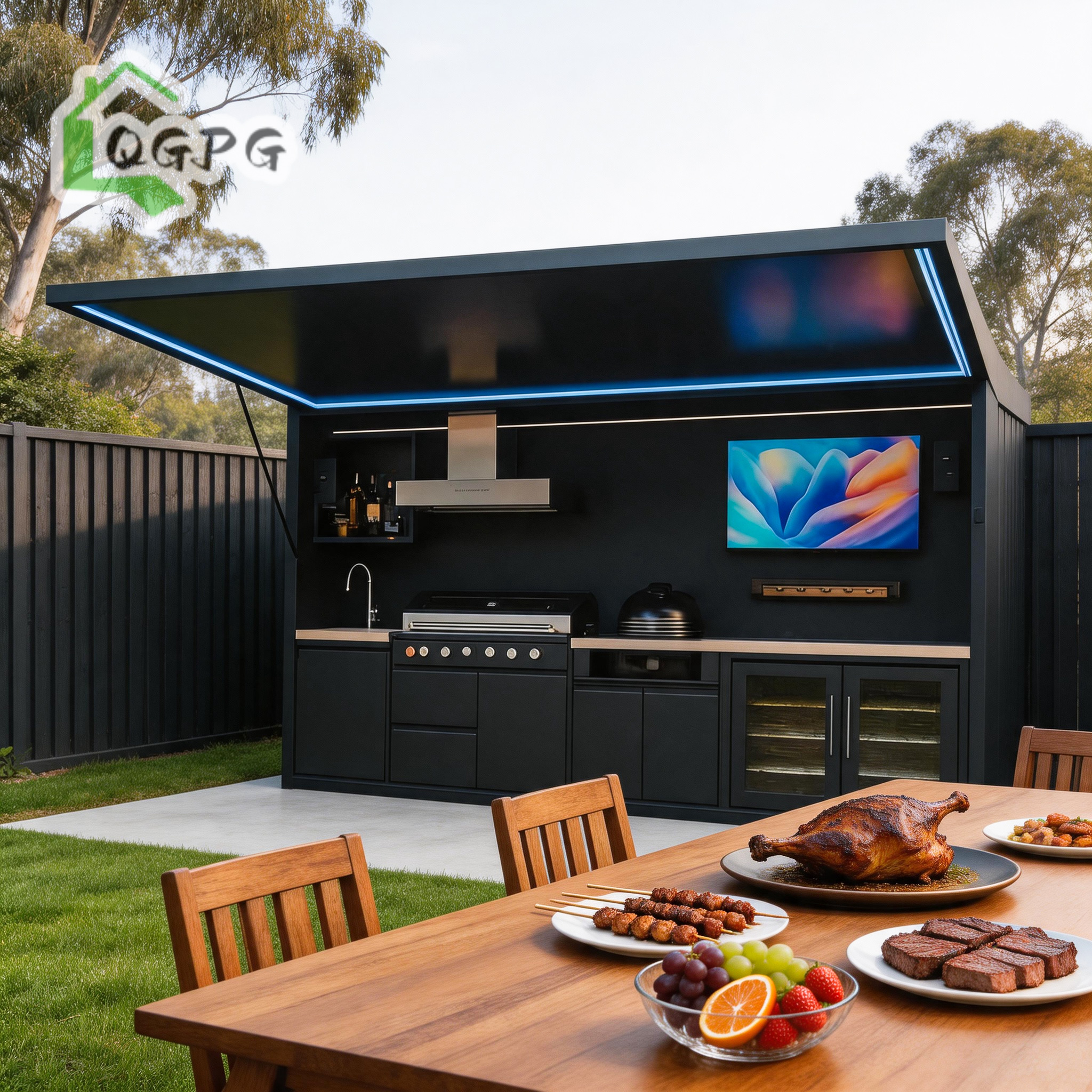
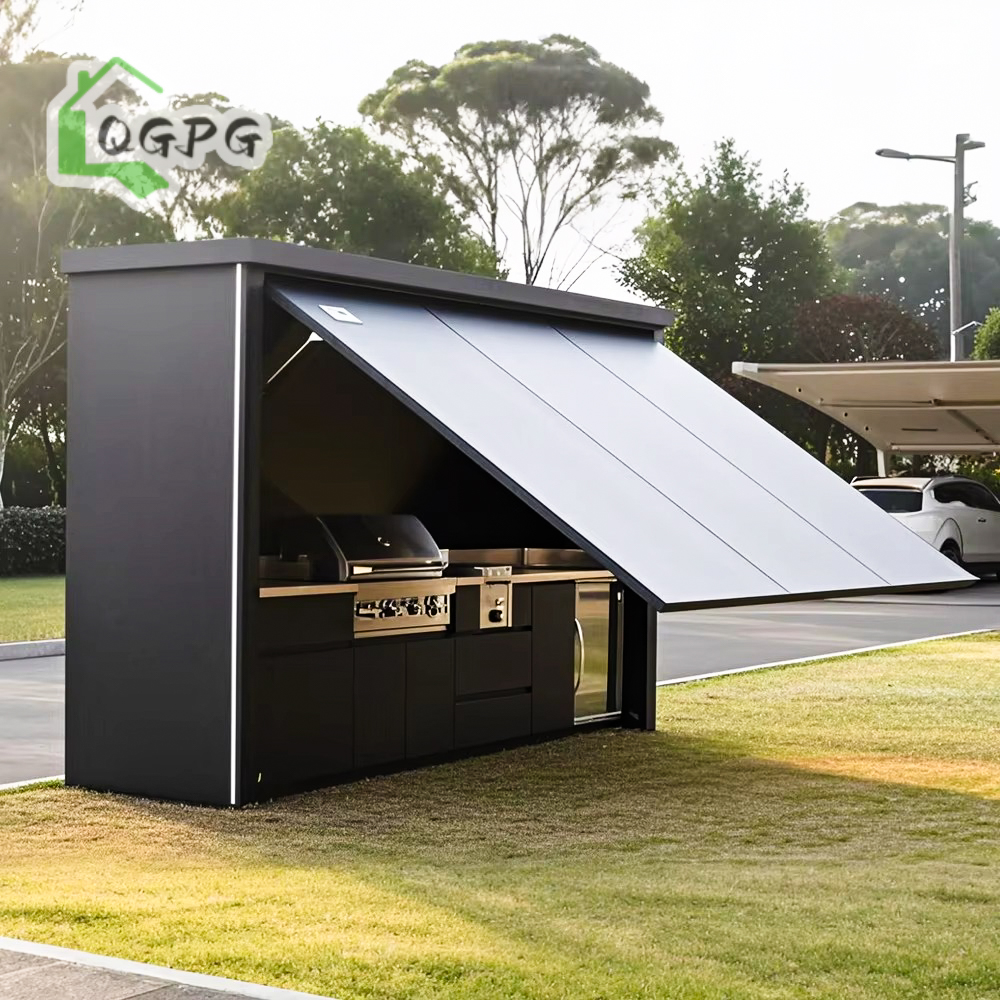
Absolutely. High-end eco-resort developers frequently pair expandable container homes with motorized 304 Stainless Steel Outdoor Kitchen Pods and off-grid solar storage systems. Pre-plumbed utility interfaces allow plug-and-play installation of motorized canopies, integrated grills, and outdoor refrigeration modules within hours of delivery.
Ready to Launch Your Modular Project in Mexico?
Connect directly with our engineering team for full architectural CAD drawings, structural calculation sheets, landed sea freight quotes, and custom OEM manufacturing schedules.