Prefabricated Cabin Construction in the Republic of the Marshall Islands
The Republic of the Marshall Islands (RMI)—encompassing 29 low-lying coral atolls and over 1,150 individual islands across the Central Pacific—presents one of the most structurally demanding built environments on Earth. Spanning key population centers like Majuro Atoll (Delap-Uliga-Djarrit) and Ebeye (Kwajalein Atoll) to remote outer islands such as Jaluit, Wotje, and Arno, developers face severe geographical constraints. Traditional field-built timber and masonry construction suffer from high ocean freight premiums, extreme salt-spray corrosion, vulnerable logistics chains, and acute shortages of specialized local tradespeople.
To overcome these geographical realities, government procurement agencies, resort developers, municipal utility operators, and private landholders are aggressively transitioning to off-site prefabricated cabin modules and marine-grade modular units. Prefabrication guarantees factory-controlled structural tolerances, rapid site deployment (unfolding or assembling in days rather than months), and advanced corrosion-resistant material science specifically engineered for ISO C5-M hyper-saline coastal environments.
Technical Sourcing Framework for Island Modular Buildings
Selecting a prefabricated cabin supplier for Micronesian deployment requires evaluating technical criteria far beyond basic unit price per square meter. In ocean-bound atoll conditions, structural failure typically occurs through internal frame rusting, wind uplift during tropical depressions, or moisture vapor saturation inside wall assemblies. Professional buyers must demand the following engineering specs:
C5-M Anti-Corrosion Metallurgy
Standard structural mild steel degrades within 24–36 months in the Marshall Islands due to constant salt-fog exposure. Top suppliers utilize heavy hot-dip galvanized steel chassis (coating thickness ≥ 275g/m²), 304 or 316 marine-grade stainless steel hardware, and fluorocarbon powder-coated aluminum framing systems.
Tropical Cyclone & Wind Rating
The RMI is subject to severe tropical storms and changing cyclone tracks. Modular cabins must be engineered to withstand ultimate wind shear pressures of up to 180 km/h (Category 4-5 typhoon thresholds), supported by heavy-duty corner cast anchoring and foundation tie-down systems.
Logistical Shipping Density
Ocean freight to Delap Harbor (Majuro) or Kwajalein is expensive. Top suppliers focus on expandable container structures, flat-pack cabin configurations, and knockdown modular kits that maximize cubic space inside standard 40ft High Cube (HQ) shipping containers.
Off-Grid Energy & Solar Integration
With grid power on outer atolls either non-existent or fuel-dependent, preferred cabin systems incorporate pre-wired rooftop PV solar connections, inverter racks, energy-efficient LED lighting, and thermal closed-cell polyurethane (PU) insulation to minimize air conditioning loads.
Structural Cabin Systems Comparison for Island Projects
Evaluate how different modular cabin engineering typologies perform under Marshall Islands operational realities:
| Prefab Cabin Typology | Salt Spray Corrosion Resistance | Deployment Speed | Ocean Freight Efficiency | Primary Local Application |
|---|---|---|---|---|
| Expandable Container Cabin | High (Galvanized / Marine Paint) | Extreme (2 Hours / Unit) | 1 Unit per 40ft HQ | Eco-Resorts, Private Cabins, Site Offices |
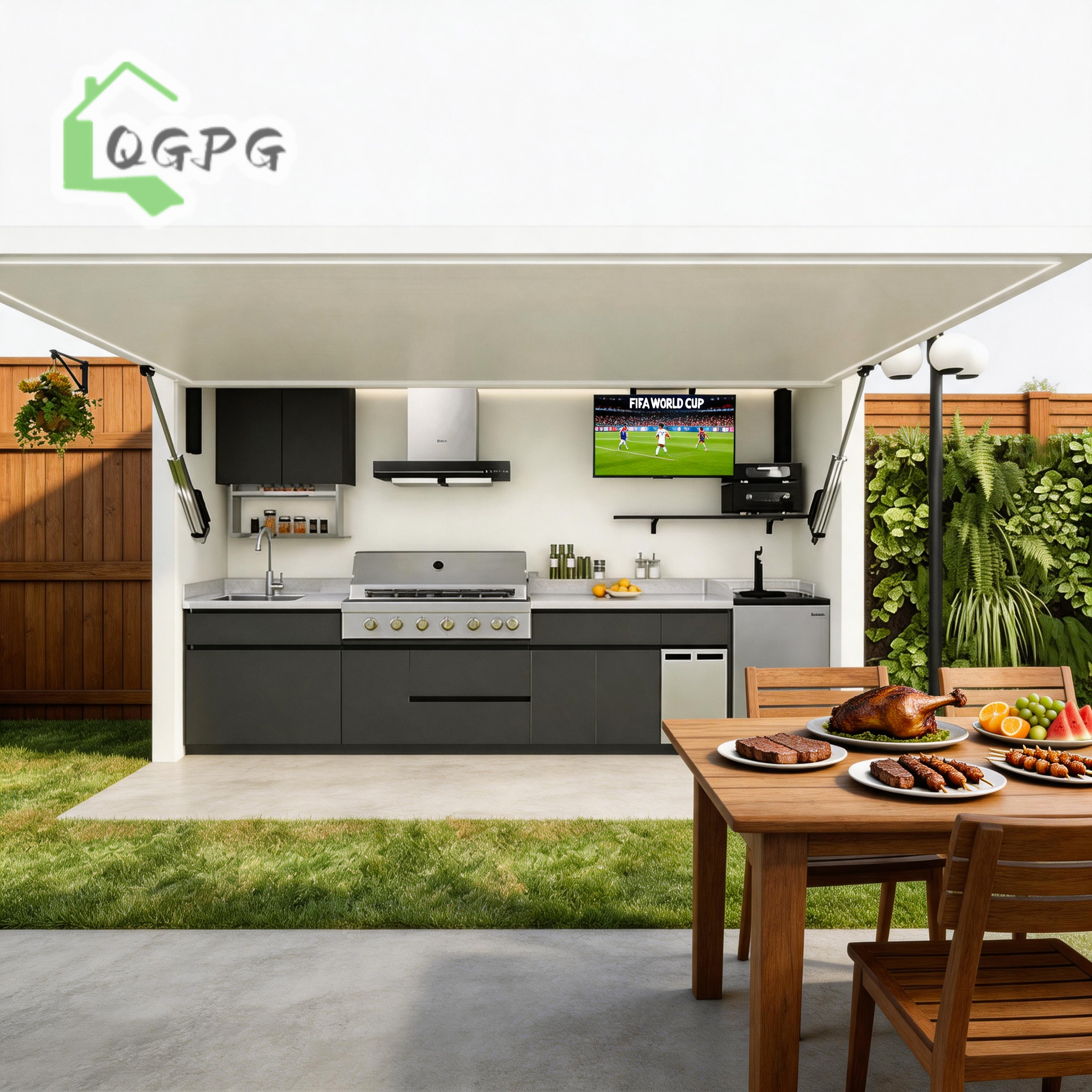
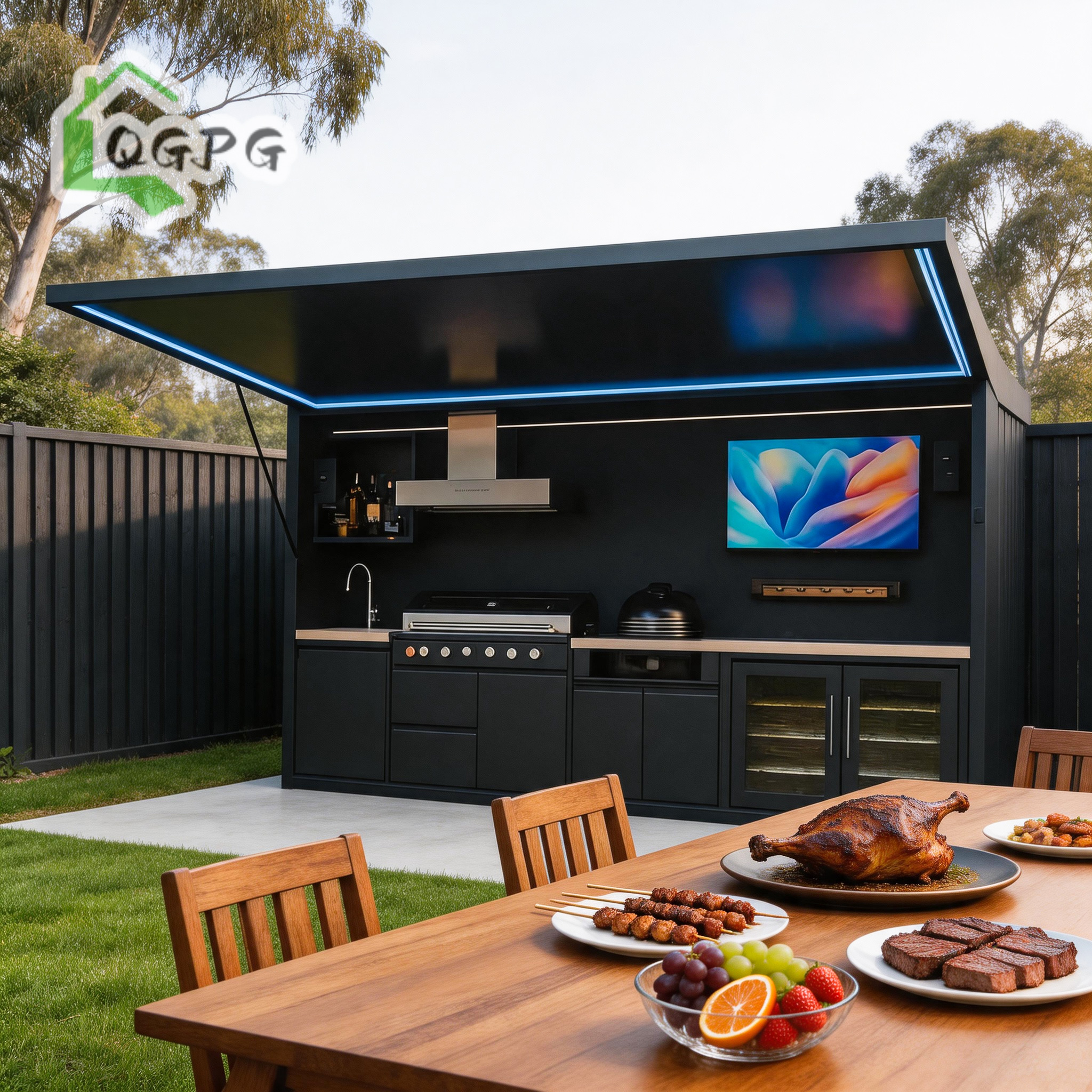
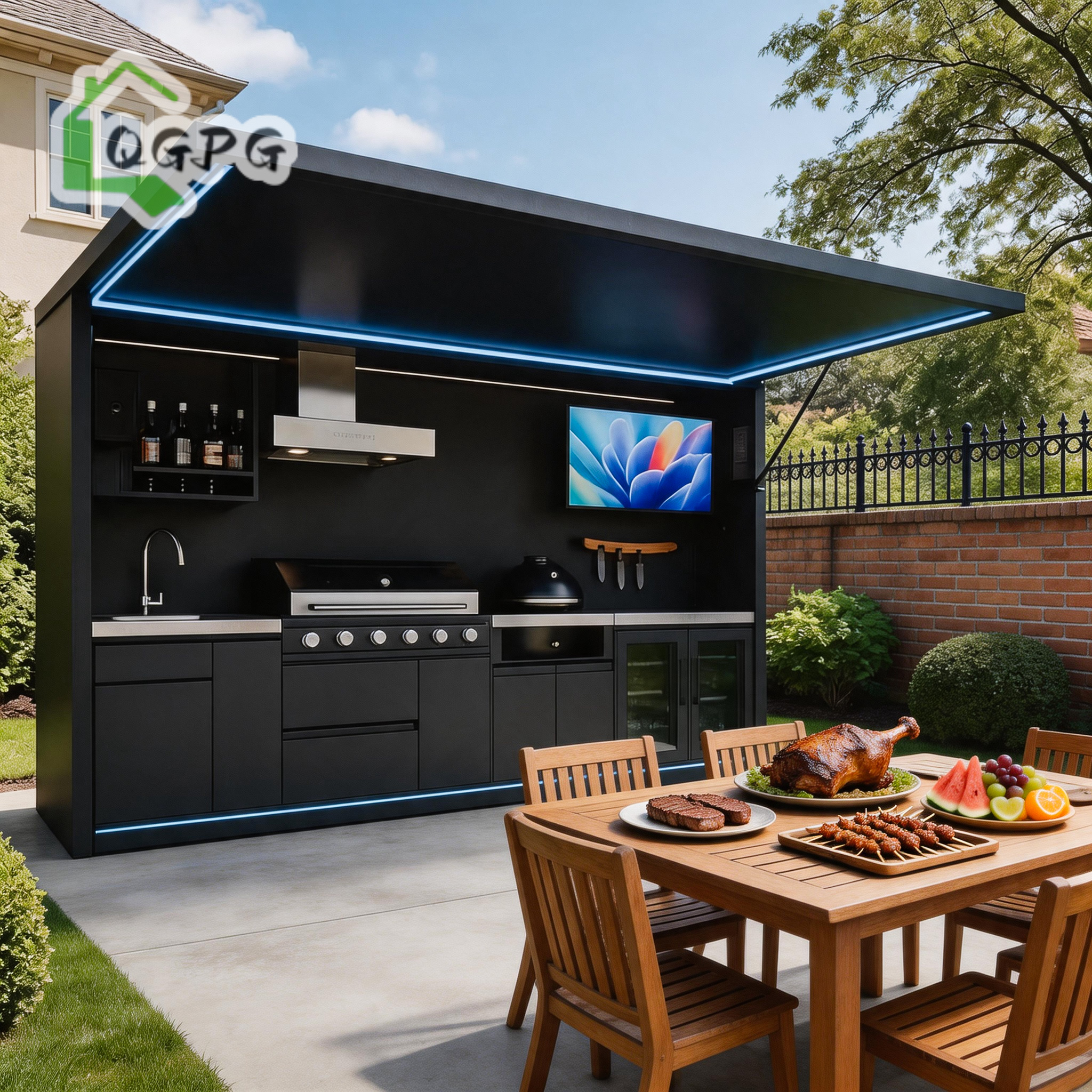
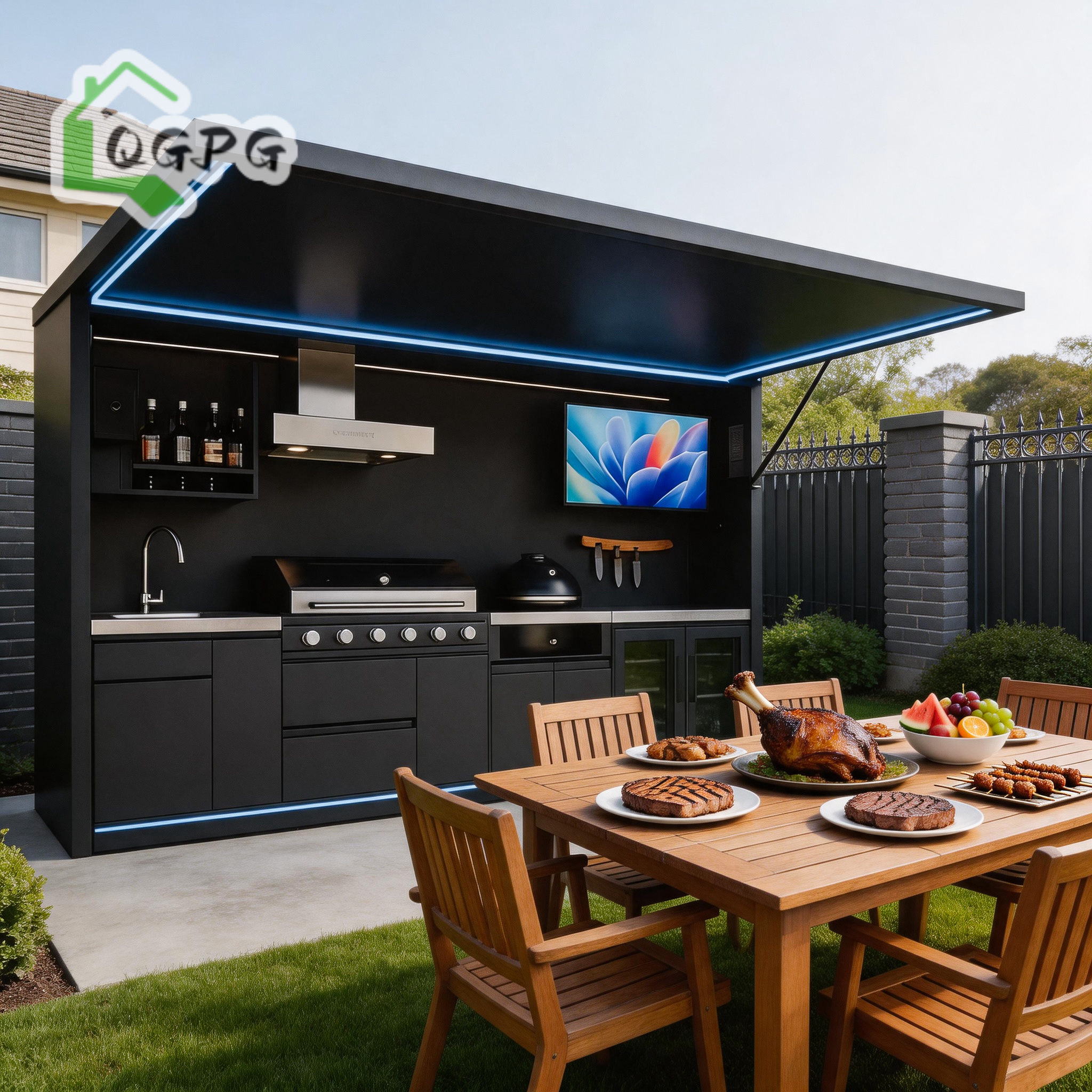
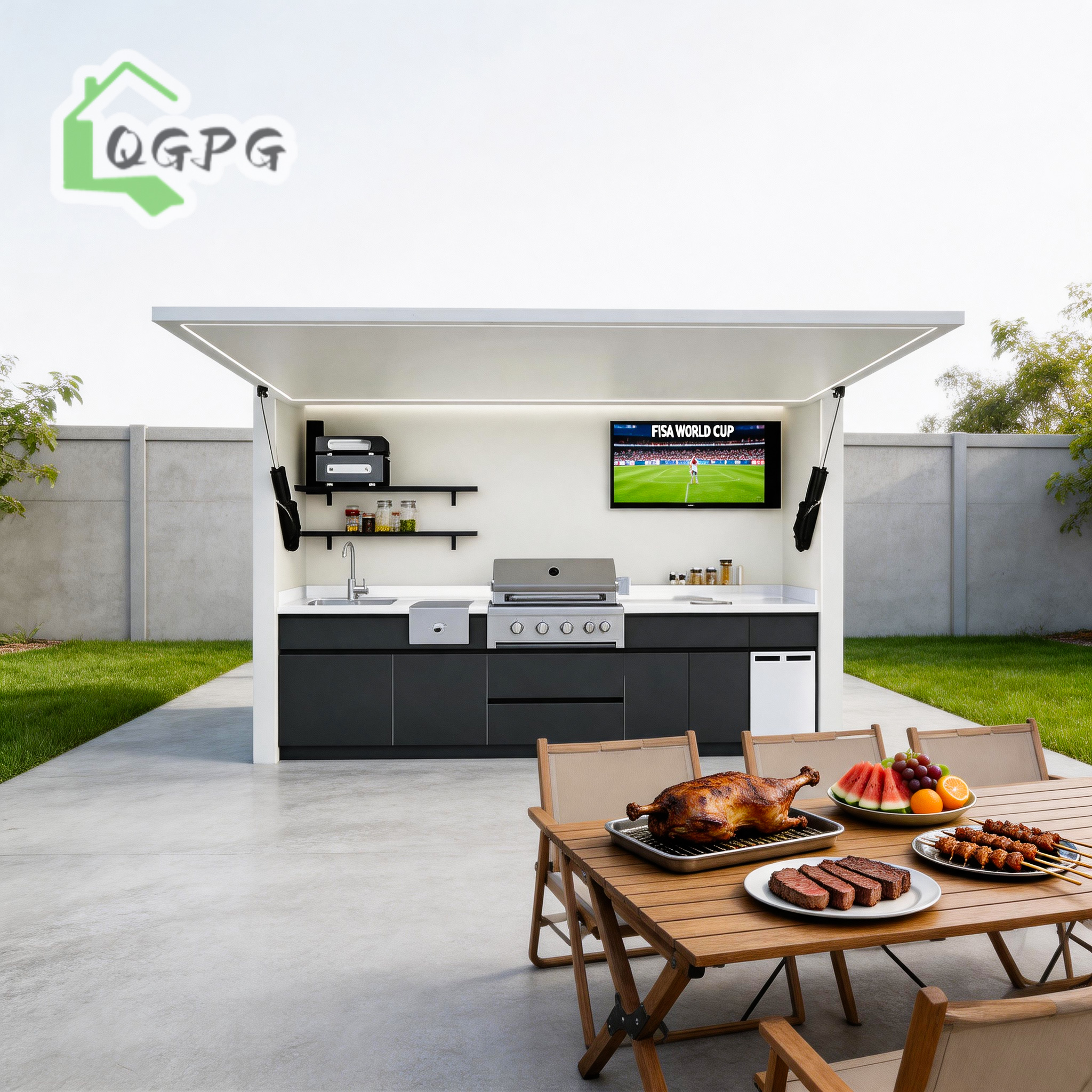
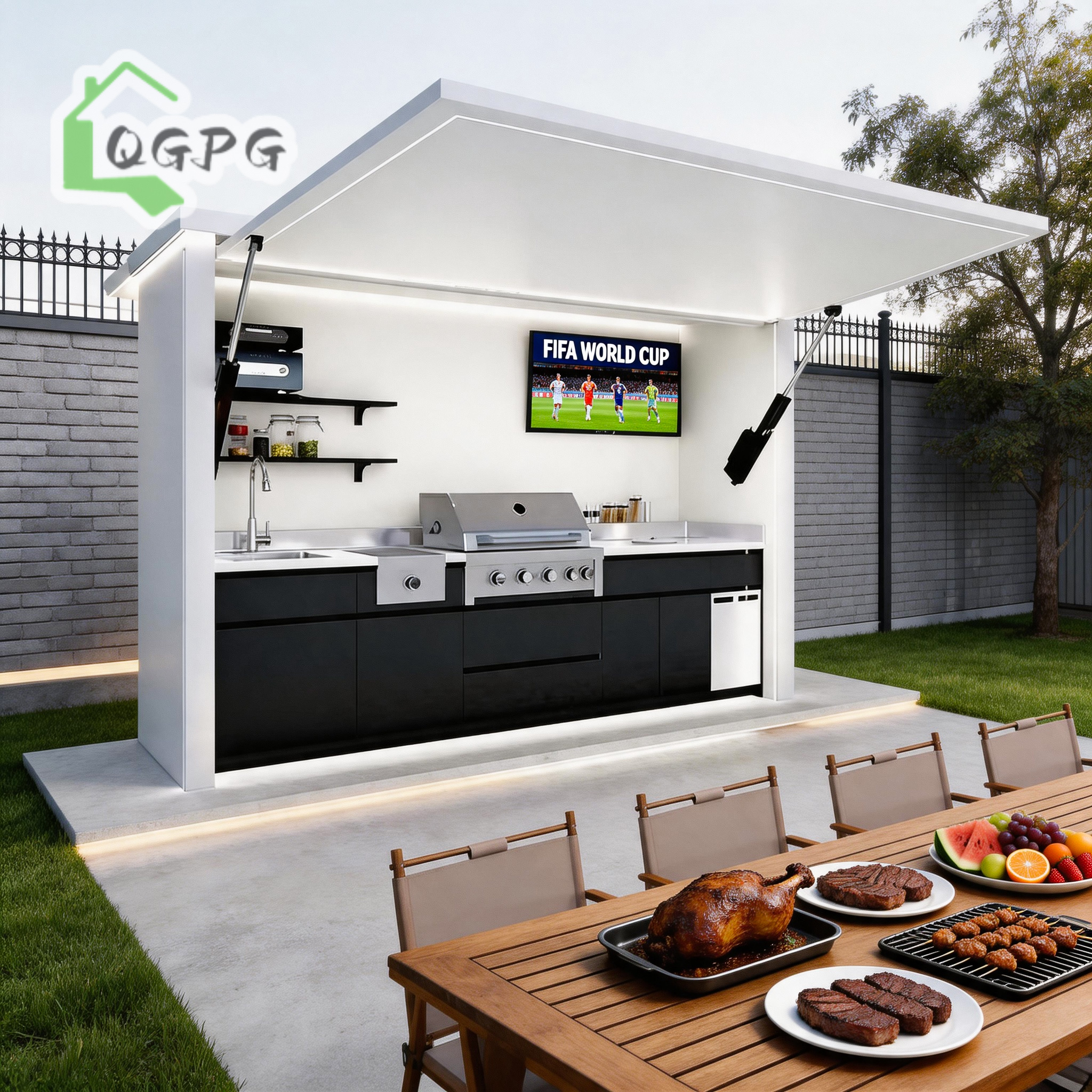
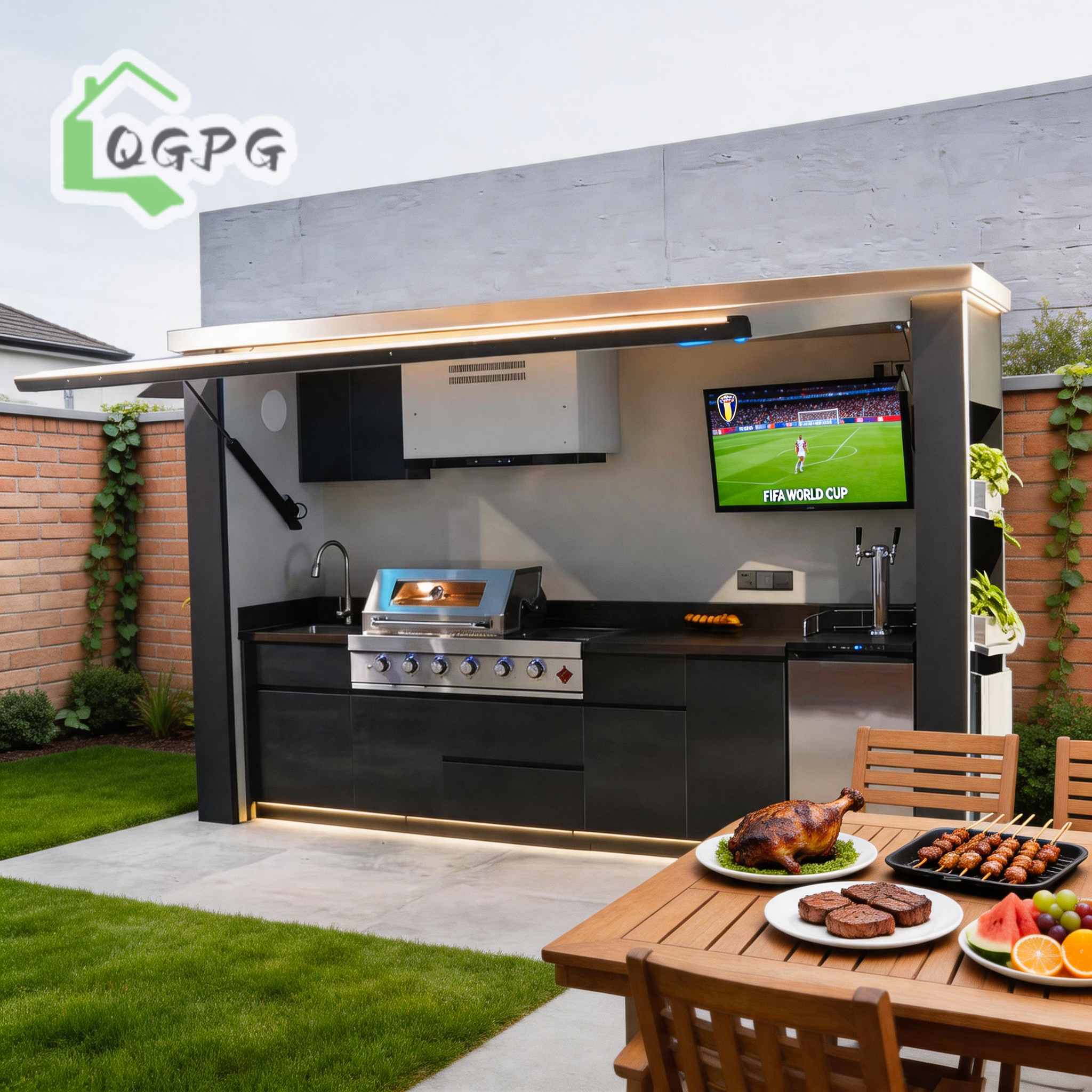
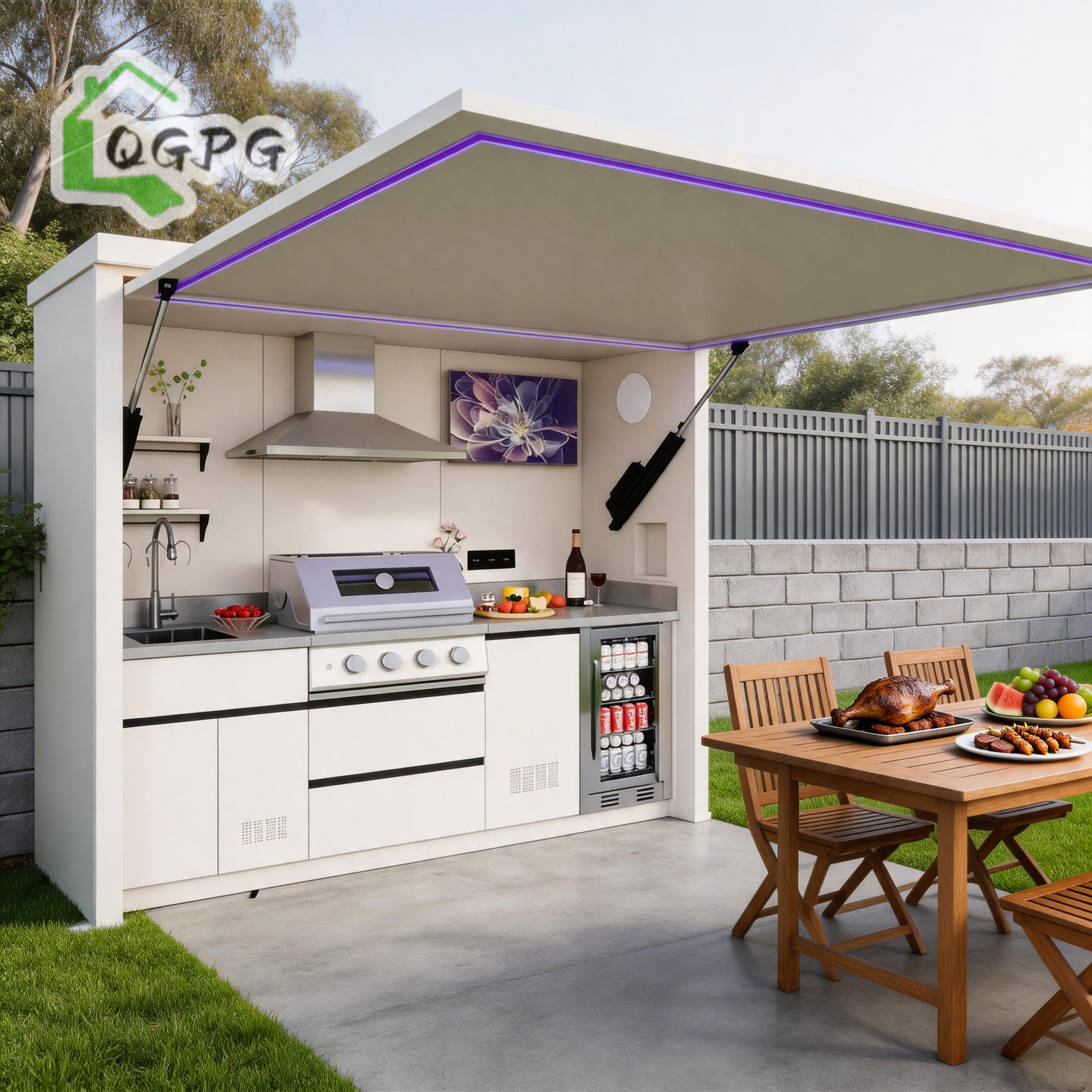
| 304/316 Stainless Steel Pods | Maximum (C5-M Ultra Class) | Instant (Plug-and-Play) | 2–4 Pods per Container | Resort Outdoor Kitchens, VIP Guest Suites |
| Flat-Pack Modular Cabin | High (Galvanized Steel Frame) | Medium (1 Day / 4 Crew) | 4 Units per 40ft HQ | Labor Camps, Municipal Housing, Schools |
| Light-Gauge Steel Villa | Moderate to High | Lower (2–3 Weeks) | Shipped as Raw Bundles | Permanent Government Facilities, Villas |
Detailed Directory of Top 10 Prefab Cabin Suppliers Serving RMI
Below is an engineered review of the leading global manufacturers and regional wholesalers capable of exporting high-performance prefabricated cabins, container houses, and modular luxury pods directly to the Marshall Islands.
Hebei BSU Building Materials Technology Co., Ltd. (BSU Modular)
Factory Location: Hebei, China | Global Export Storefront
Company Overview & Engineering Advantage: Hebei BSU Building Materials Technology Co., Ltd. is an Intertek-assessed custom manufacturer specializing in expandable container homes, flat-pack modular cabins, light-steel villas, mobile restroom pods, and marine-grade stainless steel outdoor kitchen/living pods. Employing over 80 authenticated structural engineers, technical draughtsmen, and certified welders, BSU manages the entire lifecycle from raw steel processing to international export loading.
Marshall Islands Market Specialization: BSU has developed specialized manufacturing protocols for Pacific island destinations. Structural steel frames receive heavy galvanized dip coatings combined with polyurethane topcoats designed specifically to resist C5-M hyper-saline humidity. BSU's flagship Expandable Container Cabins and 304/316 Stainless Steel Retractable Roof Living/Kitchen Pods are ideal for Majuro resorts, coastal landholders, and remote workforce camps due to their zero-welding on-site assembly and extreme storm durability.
Pacific Modular Systems Co.
Pacific Modular Systems focuses on importing standard container conversions and flat-pack modules for regional distribution across Micronesia and Polynesia. They provide turnkey logistics coordination from hub ports, stocking standard 20ft temporary office units and quick-deploy emergency housing modules.
OceanGrid Island Prefab Ltd.
OceanGrid specializes in high-end prefabricated timber and composite hybrid cabins designed for tropical hospitality markets. Their modular units emphasize natural ventilation, wood-grain composite cladding, and solar-ready roofing systems tailored for remote atoll luxury resorts.
AtollSteel Modular Buildings
AtollSteel provides structural steel framed flat-pack cabins and multi-story modular block systems. Their products are geared towards municipal government offices, medical clinics, and school classrooms requiring compliance with US building code standards often referenced in RMI public works.
Micronesia Shelter & Folding Pods
Focused on fast disaster-relief housing and short-term construction camp accommodation, this supplier produces folding container houses that expand in less than 10 minutes per unit using a simple boom crane or forklift setup.
CoralCoast Prefabricated Housing
CoralCoast offers lightweight aluminum-framed modular cabins and detachable panel shelters. Their light footprint reduces shipping weight, making them attractive for air-freight emergency deployments or small boat transfers between outer atolls.
TransPacific Modular Cabins
TransPacific modifies retired ISO sea containers into durable living cabins, generator rooms, and refrigeration storage modules. While extremely rugged against ocean transport, buyers must verify anti-corrosion paint specs for marine salt air.
Apex Marine Pod Systems
Apex Marine crafts premium motorized canopy kitchen pods, outdoor lounge units, and glazed structural steel cabanas for high-end residential and hotel properties seeking hurricane-rated outdoor dining space.
South Seas Steel Villa Group
Specializing in light-gauge steel (LGS) framing packages, South Seas supplies computer-designed LGS truss and panel systems for permanent private residences, government quarters, and resort villas throughout Micronesia.
Pacific Sanitation & Restroom Prefabs
This manufacturer exports pre-plumbed, heavy-duty portable restroom trailers, shower blocks, and blackwater treatment interface pods engineered for remote island camps, public parks, and event venues in Kwajalein and Majuro.
Localized Application Scenarios Across the Marshall Islands
Prefabricated cabin systems are not one-size-fits-all. In the RMI, successful projects match the specific cabin structural typology to the unique micro-climate and operational demands of the deployment site:
1. Lagoon Eco-Resorts & Island Hospitality
In destinations like Arno Atoll or Laura Beach (Majuro), resort developers utilize BSU’s Expandable Container Cabins and Stainless Steel Outdoor Kitchen Pods to erect beachfront bungalows and open-air dining decks. Units arrive fully fitted with glass sliding doors, electrical wiring, and hydraulic canopy shades, enabling rapid opening without disturbing lagoon ecosystems.
2. Municipal, Climate Resilience & NGO Outposts
Given rising sea levels and storm surges, government agencies and international development partners deploy flat-pack container cabins to outer atolls (such as Wotje and Jaluit). Configured as health clinics, telecommunication command hubs, or emergency relief centers, these structures provide insulated, weather-tight protection.
3. Infrastructure & Defense Contractor Housing
Near high-density infrastructure hubs and Kwajalein Atoll logistics bases, contractor workforce housing requires robust, modular accommodation blocks. BSU’s stackable 20ft flat-pack units assemble into multi-room dormitories, complete with integrated shower pods and central dining kitchens.
4. Residential Multi-Generational Compounds
Local landowners in Djarrit, Uliga, and Delap frequently expand existing family compounds using modular expandable homes. Shipped directly to Delap Harbor, these 37sqm or 74sqm cabins unfold on simple concrete footing pads, bypassing local timber shortages and offering rot-proof, termite-proof living quarters.
Localized Market & Engineering Development Trends (2025–2030)
• Total Polymer & Stainless Hardware Transition
Standard zinc-plated screws and mild steel hinges fail rapidly in RMI. The market is shifting exclusively to 304/316 stainless fasteners, nylon thermal breaks, and anodized aluminum extrusions.
• Solar Microgrid Pre-Integration
Modern prefab cabins now incorporate factory-installed solar conduits, roof-tilt brackets for tropical latitudes (7°N), and battery bay cutouts, making plug-and-play off-grid operation seamless.
• Rainwater Collection Roofing Designs
With freshwater scarce on coral atolls, integrated sloped canopy roofs with food-grade internal guttering allow prefab cabins to harvest freshwater directly into foundation cisterns.
Why B2B Buyers Choose Hebei BSU Building Materials Technology Co., Ltd.
As a verified custom manufacturer assessed on-site by Intertek, Hebei BSU provides complete structural engineering and direct factory manufacturing transparently. When sourcing for distant destinations like the Marshall Islands, dealing directly with our engineering team eliminates trading markups and guarantees strict quality control before container sealing.
Our manufacturing facility in Hebei Province includes automated laser steel cutting, robotic welding lines, sandwich panel lamination, and dedicated salt-spray coating booths. Every cabin order destined for the Pacific Islands undergoes a complete mock-up assembly in our yard. Electric hydraulic lifts, motorized canopy awnings, plumbing pressure seals, and door alignments are thoroughly tested and video-documented prior to packing into ocean export containers.
Marshall Islands Procurement & Logistics FAQ
Practical answers to key technical and shipping questions asked by buyers in Majuro, Ebeye, and Micronesia:
Plan Your Prefab Cabin Project in the Marshall Islands
Get direct-from-factory engineering support, CAD floor plans, C5-M anti-corrosion material specifications, and accurate sea freight quotes to Majuro or Ebeye. Speak with our technical modular engineering team today.
Get a Quote