High-Performance Modular & Container Systems
Engineered for direct export to Sydney, Wollongong, Newcastle, and Greater NSW projects.

Executive Summary: Sourcing Chinese Modular Buildings for Greater Sydney
The Greater Sydney metropolitan region, stretching from the Northern Beaches to the Western Sydney Aerotropolis growth corridor, is currently experiencing an unprecedented demand for agile, cost-effective, and high-performance building solutions. As traditional urban construction costs in New South Wales exceed $3,800 to $5,200 per square meter, property developers, mining contractors, and residential builders are turning to direct factory procurement of prefabricated container houses from leading Chinese manufacturers.
However, importing prefabricated structural modules into the Australian market requires navigating intricate regulatory hurdles. The National Construction Code (NCC 2022), Australian Standards (including AS/NZS 3000 for electrical installations and AS/NZS 3500 for plumbing), as well as local Council Development Application (DA) or Complying Development Certificate (CDC) rules in NSW dictate that modular structures must meet strict structural integrity, thermal efficiency (Seven-Star NatHERS equivalent), and fire protection metrics.
This technical whitepaper provides an exhaustive comparative evaluation of China’s top prefabricated container house manufacturers, focusing on Hebei BSU Building Materials Technology Co., Ltd. as an authentic benchmark for engineering capability, material quality, and compliance engineering specifically tailored for Sydney’s distinct climate zones and legislative environment.
Why Chinese Prefabrication Solves Sydney’s Construction Bottlenecks
Procuring modular structures directly from tier-one Chinese factories provides Sydney-based project managers with three distinct advantages: unprecedented speed-to-market, factory-level quality consistency, and substantial capital expenditure reductions. By shifting 85% to 95% of the construction workflow from the job site into automated manufacturing facilities, projects avoid the chronic labor shortages currently plaguing the NSW civil construction sector.
Australian Standards & NCC 2022 Integration
How Hebei BSU customizes structural specifications for seamless Council & Certifier approvals across New South Wales.
AS 1170 Structural Wind Actions
Sydney coastal regions (Region A2) and elevated regions require strict compliance with AS 1170.2 wind load standards.
- Cold-formed high-tensile Q235B/Q355B steel frame chassis.
- Engineered tie-down anchor designs for concrete footings.
- Deflection-tested wall panels rated for cyclonic/high-wind gusts.
BAL-12.5 to BAL-40 Bushfire Ratings
Outer Sydney zones (e.g., Blue Mountains, Hawkesbury, Sutherland Shire) demand high Bushfire Attack Level protection.
- Non-combustible mineral rock wool sandwich insulation (100mm–150mm).
- Toughened double-glazed low-E glass with stainless steel mesh screens.
- Flame-sealed composite joints preventing ember attack.
AS/NZS 3000 & 3500 Utilities
Pre-wired and pre-plumbed factory conduits built specifically for licensed Australian trades to sign off on-site.
- SAA-certified electrical wiring, RCD breakers, and wall sockets.
- WaterMark certified plumbing lines and internal PEX pipework.
- Factory bench-testing documented with individual inspection reports.
Selecting the Right Container House System for Sydney Projects
Compare structural choices based on transportation limits through Port Botany, site accessibility, and intended service lifespan.
| Container System Type | Primary Sydney Applications | Port Botany Freight Efficiency | On-Site Assembly Time | Thermal & Structural Rating |
|---|---|---|---|---|
| Expandable Container House | Granny flats, backyard studios, regional holiday cabins | High (1x 40ft HQ carries 2 complete expanded 37sqm homes) | 2 Hours (2-3 Workers) | R2.5 - R4.0 Thermal / C1 Wind Load |
| Flat Pack Container House | Multi-storey site offices, worker accommodation camps | Maximum (1x 40ft HQ holds 4 stacked flat-pack units) | 4-6 Hours per unit | R2.0 - R3.5 Thermal / AS 1170 Compliant |
| Folding Container Unit | Emergency housing, short-term civil construction booths | Extreme (1x 40ft HQ holds up to 10-12 folded frames) | 10 Minutes (Crane/Forklift) | Standard Temporary / R1.8 Thermal |
| Detachable Container House | Custom commercial kiosks, mobile pop-up cafes, school pods | High (Knock-down component packing) | 1 Day (Bolt-together panelized) | Customizable to NCC Class 1a / 6 / 9b |
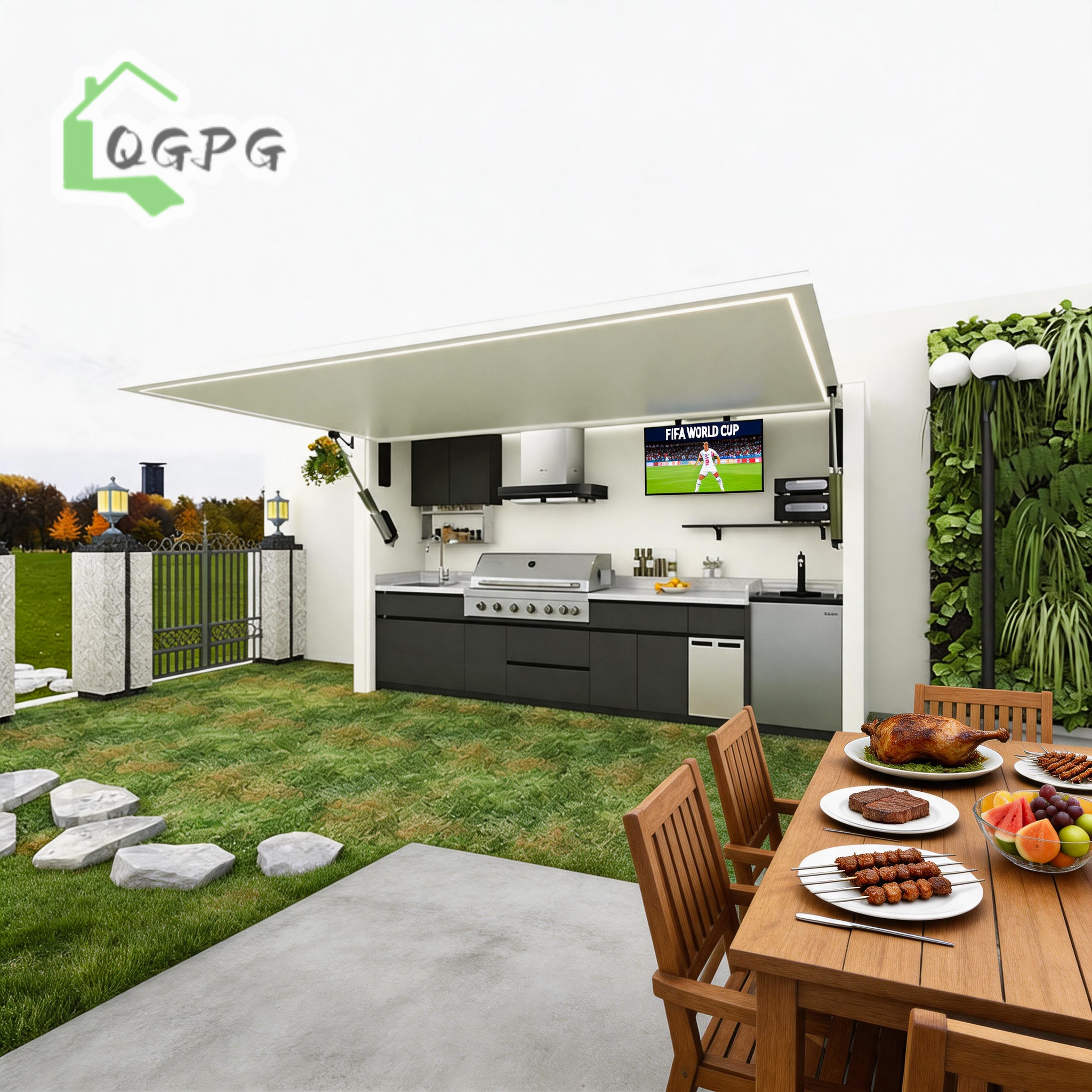
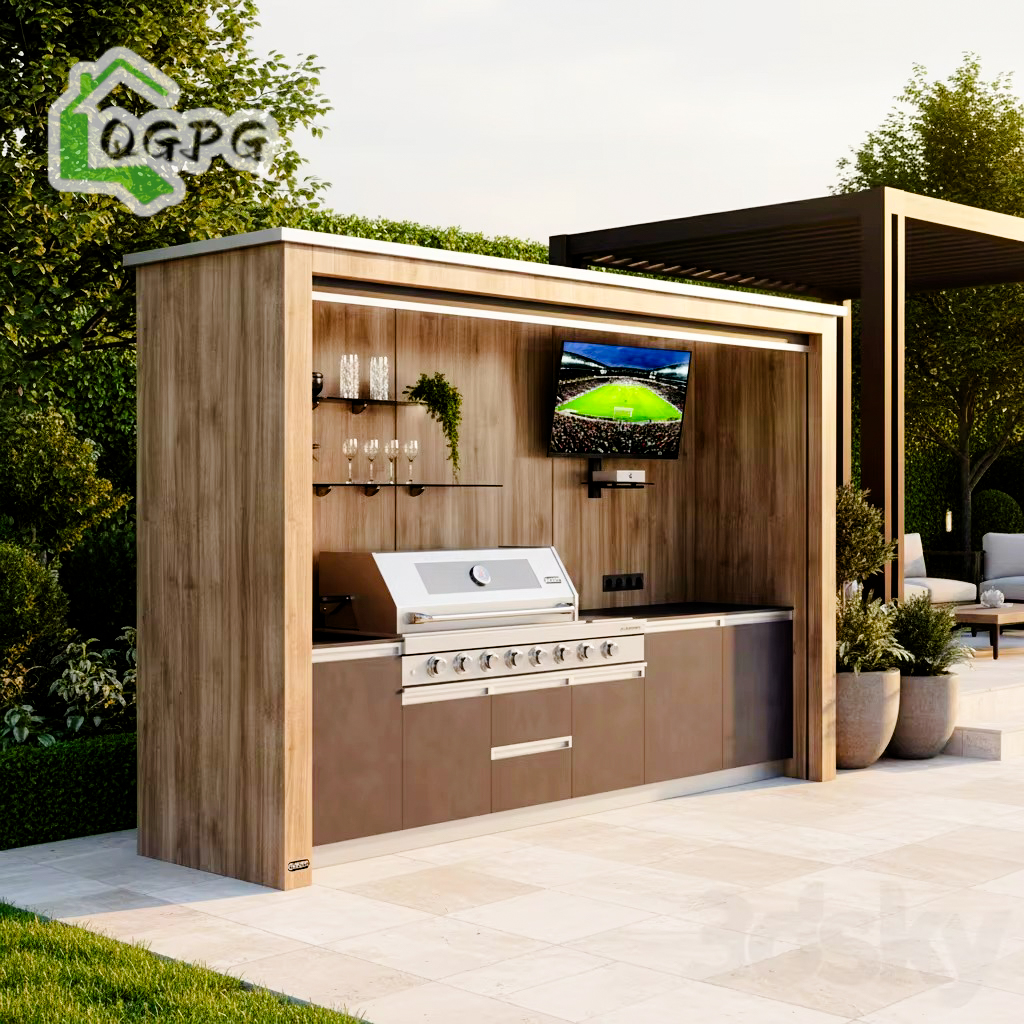
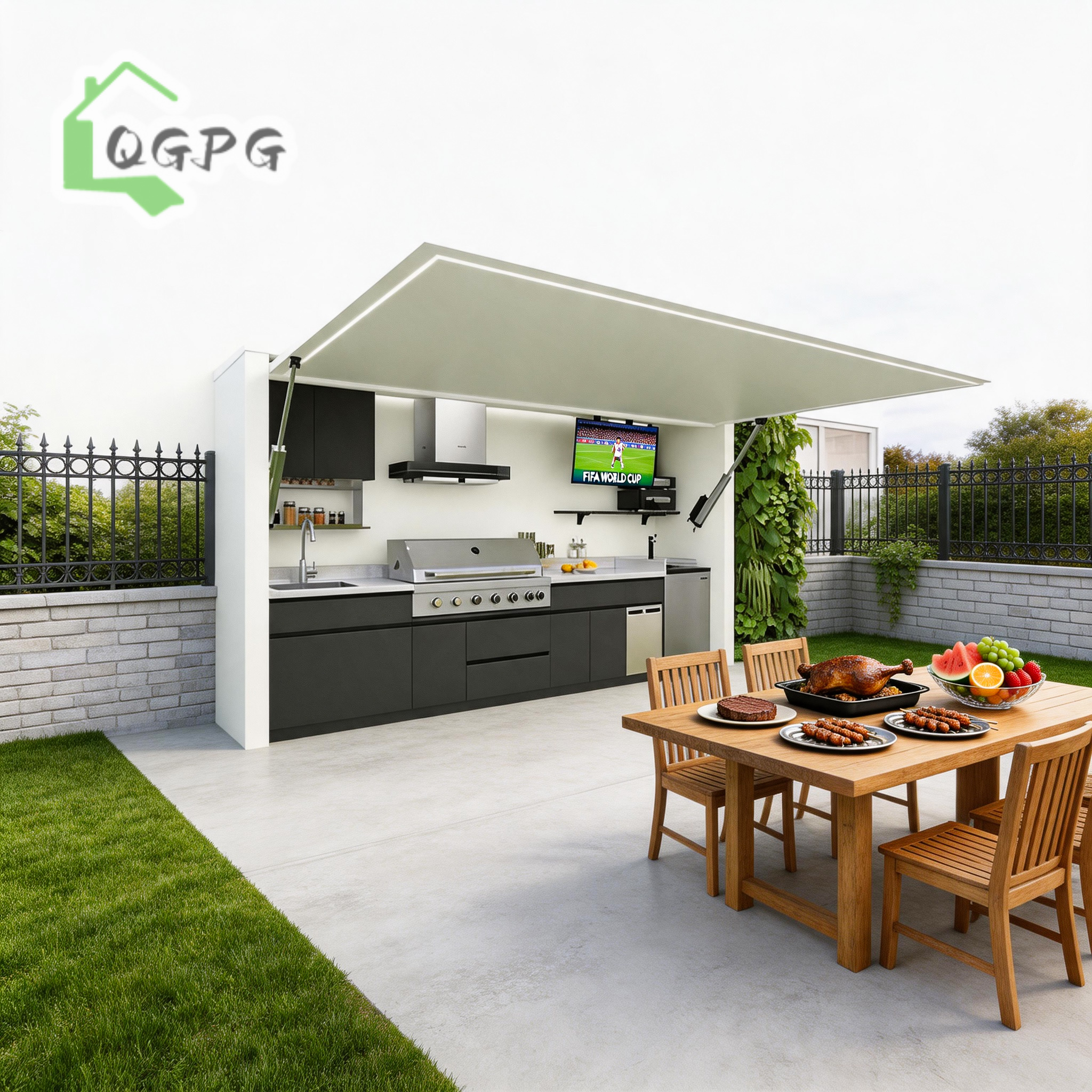
| Outdoor Modular Kitchen Pods | Luxury Sydney garden kitchens, rooftop bars, hotel suites | Complete Unit (Flat-rack or high-cube container) | Plug-and-Play (0.5 Days) | Marine Grade 304/316 Stainless Steel |
Localized Application Scenarios in New South Wales
Understanding where and how prefabricated container buildings are deployed in Sydney allows procurement managers to match structural specifications with local environmental demands. Below are the primary deployment vectors served by factory-direct exports from Hebei BSU Building Materials Technology Co., Ltd.:
1. Sydney Secondary Dwellings & Granny Flats (CDC Pathways)
Under the NSW State Environmental Planning Policy (Housing) 2021, home-owners across Greater Sydney can erect secondary dwellings up to 60 square meters under a streamlined Complying Development Certificate (CDC) without requiring full Council DA approval, provided strict boundary and code requirements are met. Hebei BSU's Expandable Container Houses (20ft and 40ft configurations) are specifically modified to meet the 60sqm ceiling. Equipped with integrated bathrooms, L-shaped or linear kitchenettes, double-glazed windows, and R3.0 ceiling insulation, these units serve as ideal rental income additions or multi-generational family housing in suburbs like Parramatta, Blacktown, Penrith, and Campbelltown.
2. Infrastructure Camps for Western Sydney Aerotropolis & Major Works
With billions invested in the Sydney Metro West, Western Sydney Airport, and regional road expansions, civil contractors require rapid, scalable site office compounds and workforce accommodations. Flat pack container modules engineered by Hebei BSU can be stacked up to three stories high, integrating executive office suites, boardrooms, ablution blocks, and commercial canteens. Their hot-dip galvanized steel framing resists severe weather exposure, while modular wall panels allow easy layout reconfiguration as project phases evolve.
3. High-End Coastal Hospitality & Glamping (Northern Beaches & South Coast)
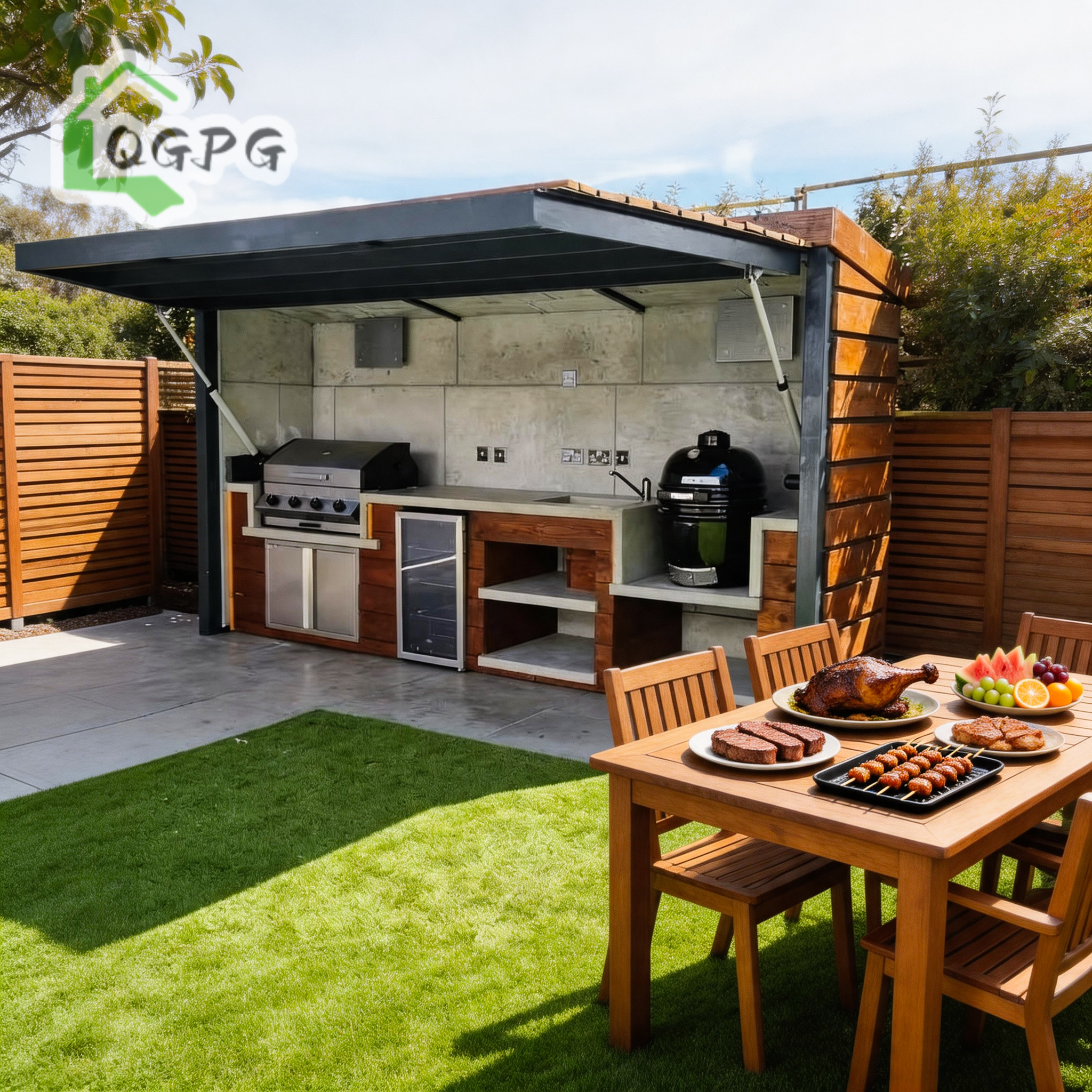
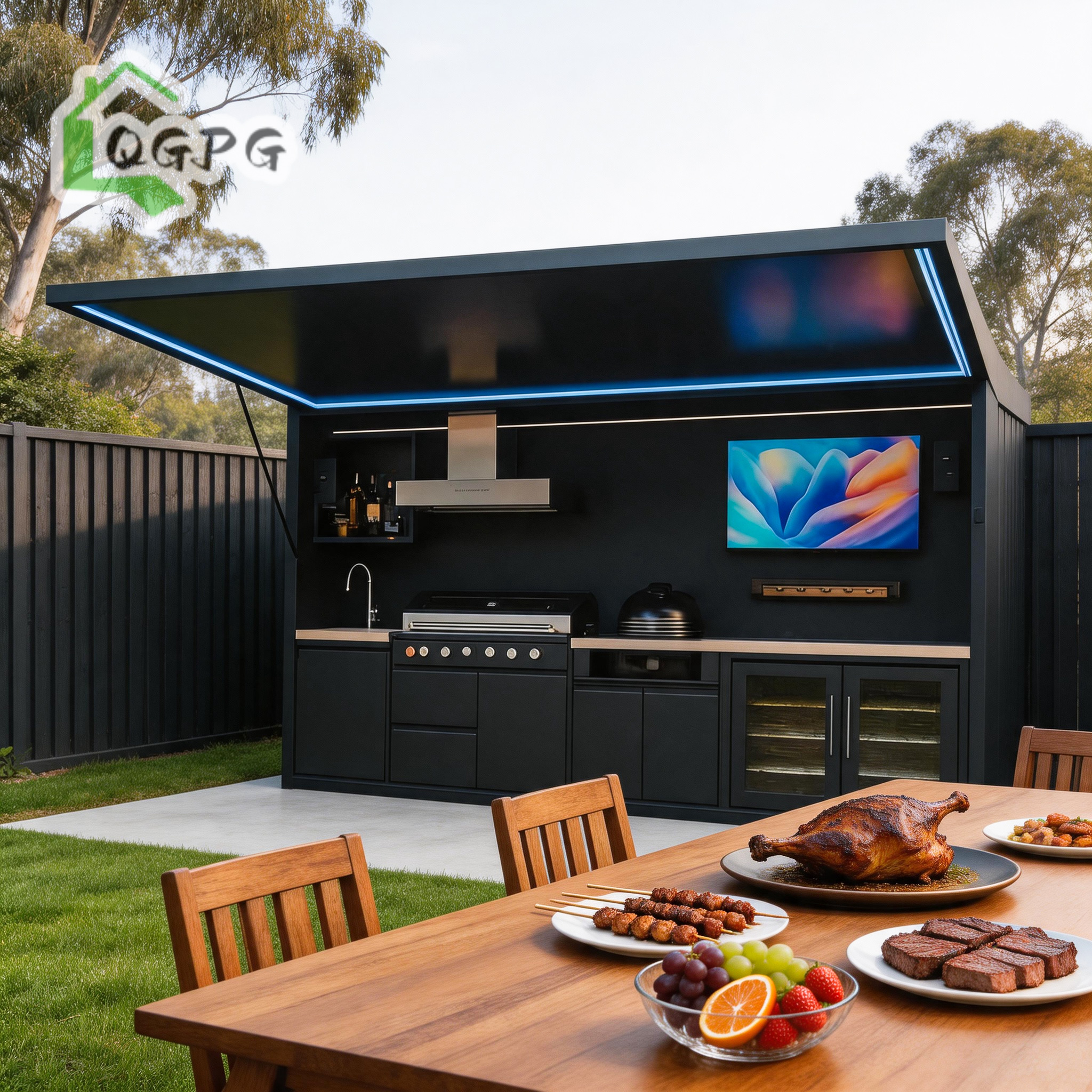
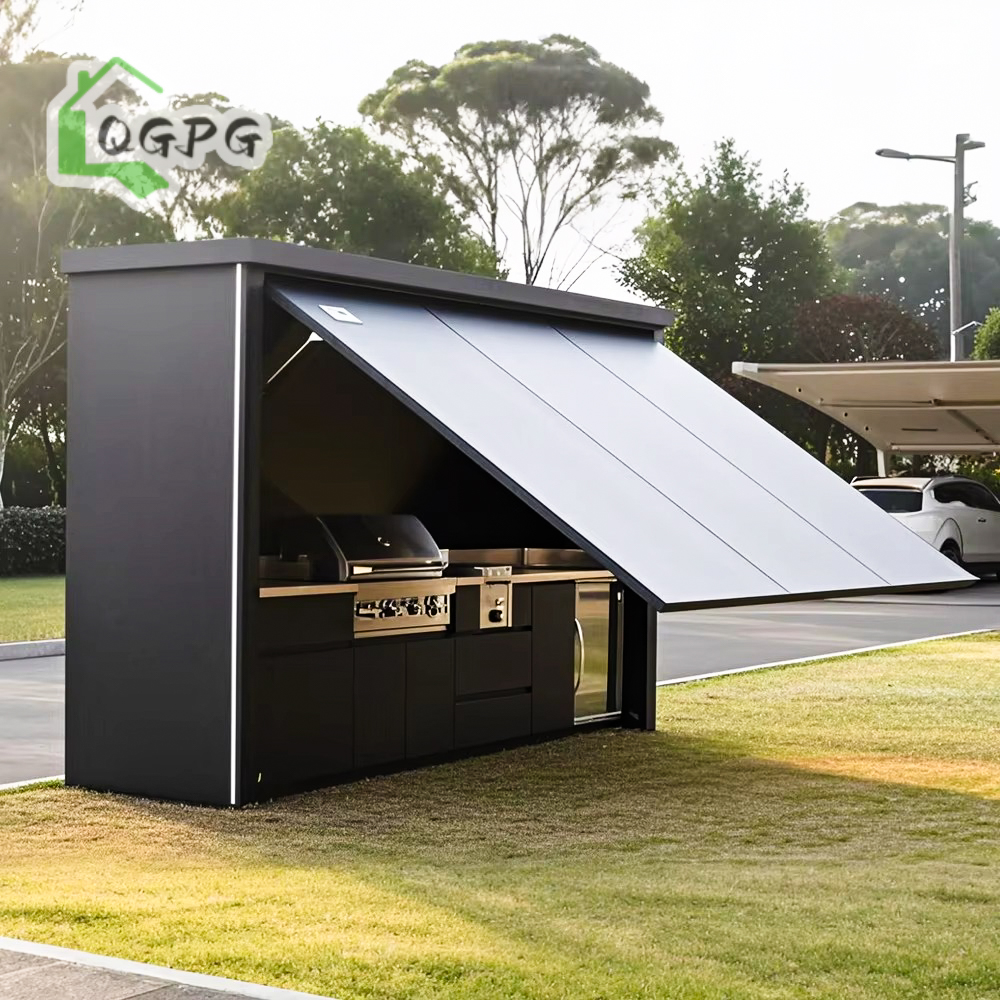
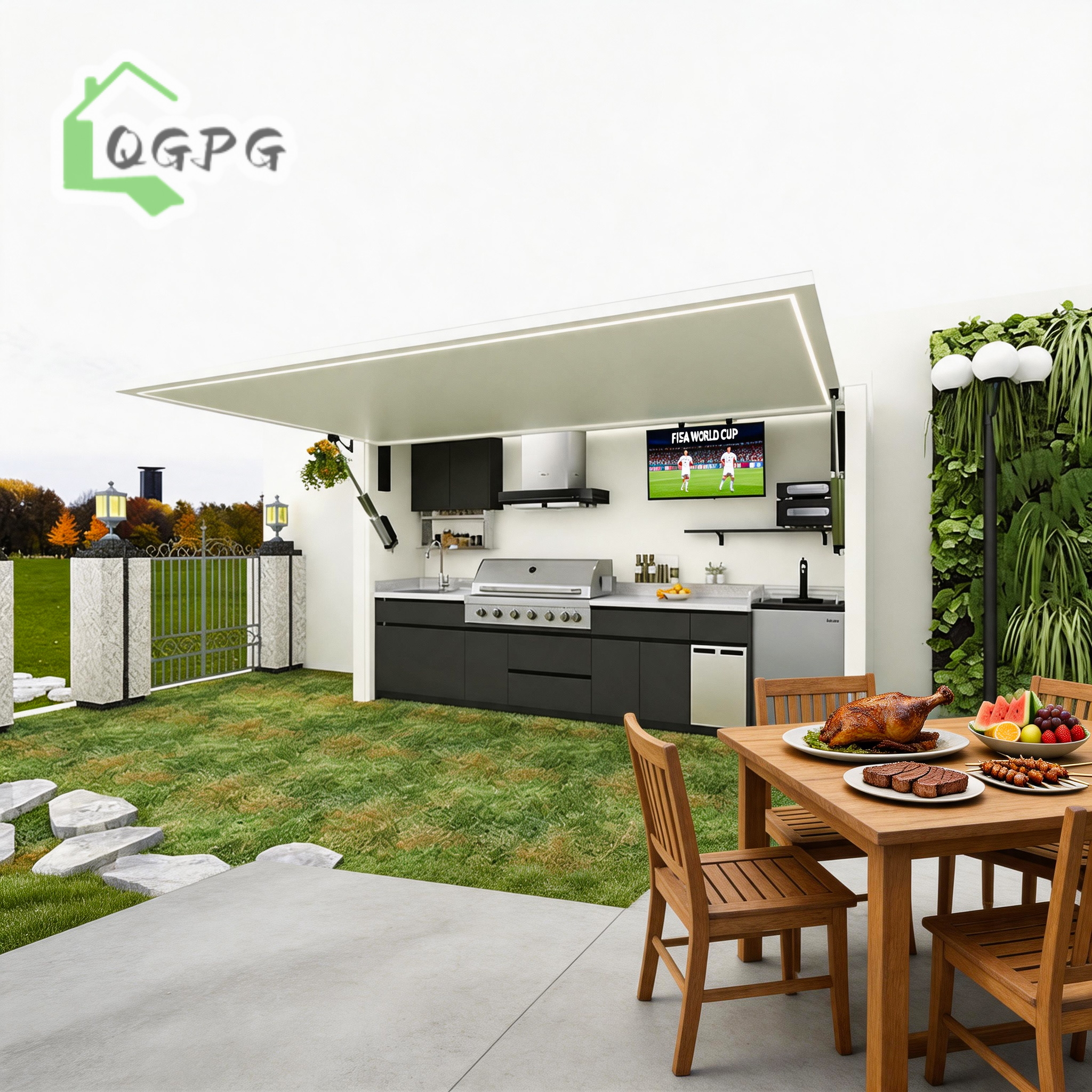
The NSW tourism sector demands luxury, weather-resistant accommodation modules capable of resisting salt-air corrosion. Hebei BSU’s range of 304 Stainless Steel Motorized & Hydraulic Kitchen Pods and custom prefabricated steel villas offer marine-grade protection for eco-resorts, coastal retreat gardens, and luxury Airbnb developments in Byron Bay, Wollongong, and the Shoalhaven region. Featuring motorized flip-up doors, ambient LED architectural lighting, and integrated BBQ/refrigeration modules, these pods provide high operational durability in humid, maritime conditions.
Why Hebei BSU Leads China-to-Sydney Export Sourcing
Direct manufacturer capabilities validated by international third-party audit agencies.
Intertek On-Site Assessed Facility
Hebei BSU Building Materials Technology Co., Ltd. operates an audited production hub in Hebei Province, verified by Intertek for structural welding capability, material traceability, and export manufacturing capacity. Overseas buyers deal direct with factory engineers, bypassing trading markups.
Complete Customization Engine
Over 80 authenticated technical staff enable custom floor plans, bespoke structural steel profiles, tailored electrical harness configurations (AU plug types, circuit breakers, 240V/50Hz standards), and specialized insulation (PU, Glasswool, Rockwool) tuned for Sydney’s Zone 5 climate classification.
Supply Chain & Logistics Roadmap: From Hebei Factory to Port Botany
Navigating international shipping for heavy modular buildings requires a disciplined execution plan. Hebei BSU enforces a standardized 6-stage export control framework ensuring zero customs delays or transit damage upon arrival in Sydney:
1. Technical Sign-Off
Cad architectural drawings, electrical layouts, and structural load calculations are reviewed and signed off against Australian NCC standards before steel cutting begins.
2. Precision Production
Automated roll-forming of high-grade galvanized steel frames, robot-assisted seam welding, and multi-layer anti-corrosion coating application in certified clean booths.
3. Pre-Shipment Inspection
Factory trial-assembly of expandable units and hydraulic pods. Plumbing pressure tests, electrical ground checks, and waterproof rain chamber simulation tests performed.
4. Sea Freight Packing
Flat pack units are stacked in specialized protective bundles; expandable units are secured in standard 40ft High Cube sea shipping containers with heavy-duty lashings.
5. Port Botany Clearance
Delivery via direct sea routes (approx. 14-18 transit days from Tianjin/Qingdao to Port Botany). Complete Commercial Invoice, Packing List, and Biosecurity Timber Declarations provided.
6. Site Unfolding & Utility Hookup
Side-loader truck delivery to Sydney job sites. Unfolding via forklift/crane in under 2 hours, followed by local certified electrician and plumber final connection.
Frequently Asked Questions by Sydney Buyers
Addressing compliance, freight logistics, and factory customization for New South Wales developments.