Engineered Modular Units & Integrated Kitchen Systems
Explore our export-grade, precision-manufactured insulated container units and stainless steel outdoor modules built to withstand tropical marine environments.
Technical Whitepaper: Prefabricated Modular Architecture in Lautoka & Fiji’s Western Division
Understanding the microclimate demands, structural loads, and logistics optimization required for high-performance insulated container house procurement.
Thermal Efficiency & Dew Point Control
Lautoka experiences high relative humidity exceeding 80% alongside tropical heat. Standard uninsulated containers suffer from extreme thermal bridging and interior condensation. Our structures integrate high-density PIR/PU or Rockwool core sandwich panels with specialized thermal breaks, keeping indoor temperatures stable while preventing moisture accumulation and mold.
Severe Cyclone Resistance (AS/NZS 1170.2)
Fiji lies directly in the South Pacific tropical cyclone belt. Engineering modular units for Lautoka requires adherence to wind load standard AS/NZS 1170.2. Our heavy-duty structural steel frames feature cold-formed galvanized C/Z purlins and integrated corner casting lockouts engineered to withstand severe Category 5 cyclonic wind gusts up to 280 km/h.
C5 Marine-Grade Anti-Corrosion Protection
Situated on the western coast of Viti Levu, Lautoka’s salt-laden sea air rapidly degrades standard mild steel. We apply a multi-layer epoxy zinc-rich primer system combined with a fluorocarbon topcoat. This achieves a verified C5 Industrial Marine Anti-Corrosion Rating, guaranteeing a 25+ year structural lifespan with minimal maintenance.
Verified Factory Direct Credentials & Production Capacity
Hebei BSU Building Materials Technology Co., Ltd. brings decades of specialized OEM/ODM manufacturing capability, fully assessed by Intertek for international compliance.
Rigorous Factory Quality Assurance (QA/QC)
Every modular unit undergoes pre-assembly testing before export packing. Frame structural welds are non-destructively tested (NDT), water tightness is verified through high-pressure monsoon simulation chambers, and electrical distribution lines are factory-tested to meet AS/NZS 3000 wiring standards.
- ISO 9001:2015 Quality Management System Certification
- ISO 14001 Environmental Management Standard Compliance
- Full traceability on raw steel mill certificates and panel density specs
Direct Ocean Freight Logistics to Lautoka Port
Lautoka serves as Fiji's primary bulk and container port for Viti Levu’s Western Division. We optimize unit packaging—utilizing flat-pack stacking or ISO container dimensioning—to minimize ocean freight costs per square meter. Our logistics division handles all export customs clearance documentation, bill of lading issuing, and biosecurity packaging protocols.
Localized Application Scenarios across Lautoka & Viti Levu
Custom-engineered prefabricated modular housing solutions designed for the specific economic, geographical, and industrial requirements of Western Fiji.
1. Commercial Port & Freight Logistics Offices
As Fiji’s hub for sugar export, timber, and containerized shipping, Lautoka Port facilities require rapidly deployable, relocatable administrative headquarters. Our Flat Pack & Modular Site Office Containers provide multi-story, sound-insulated, and air-conditioned operational hubs that can be expanded or relocated as terminal demands shift.
2. Island & Eco-Resort Worker Accommodations
Lautoka is the chief stepping stone to the Mamanuca and Yasawa Island resort chains. Resort developers face extreme transport costs for traditional cement and timber. Our Expandable and Folding Container Houses are shipped as compact units to Lautoka Port, barged to remote island sites, and unfolded within 2 hours to provide luxury staff housing or guest villas.
3. Agricultural & Sugar Cane Estate Site Cabins
In the vast agricultural hinterlands of the Sugar City, seasonal labor housing and machinery storage require robust, termite-proof structures. Unlike traditional wood framing which degrades under Fiji's subterranean termite pressure, our steel-framed insulated container units offer zero organic decay, rot-proof flooring, and secure lockup capability.
Strategic Trends Driving Modular Adoption in Western Fiji
Market dynamics show an accelerated transition from traditional masonry to off-site steel prefab architecture across Viti Levu.
Escalating On-Site Construction Costs
Rising costs for skilled labor, timber, and aggregate in Fiji have pushed traditional construction budgets beyond initial projections. Prefabricated container units lock in factory costs, eliminate weather-related site delays, and compress construction timelines by up to 70%.
Focus on Disaster Preparedness & Insurance Approval
Following historical super-cyclones, insurance underwriters in the South Pacific enforce strict structural resilience criteria. Pre-engineered container units with stamped wind load calculations offer commercial buyers seamless paths to structural certification and property insurance approval.
Sustainable & Low-Impact Building Mandates
Fiji's national commitment to climate resilience demands construction methods with minimal land disruption. Container homes require simple concrete pier foundations rather than extensive earth-moving, protecting delicate coastal topsoil and mangrove ecosystems around Lautoka.
Engineering Specifications & Technical Comparison
Compare structural capabilities across our container building matrix to match your project requirements in Lautoka.
| Modular Unit Type | Structural Frame Spec | Insulation Core Option | Wind Load Resistance | Primary Lautoka Application |
|---|---|---|---|---|
| Expandable Container House | Galvanized Steel Frame + Hinge Folding Wings | 75mm PIR / High-Density EPS | Category 4 - 5 (Up to 250 km/h) | Resort Accommodation, Residential Homes |
| Folding Container House | Integrated Steel Hinge Lockout Frame | 50mm Fireproof Rockwool Panel | Category 3 - 4 (Up to 210 km/h) | Emergency Relief, Short-term Mining Camps |
| Flat Pack Container House | Cold-Formed Bolted Corner Column System | 60mm - 100mm PU / Rockwool | Category 5 (Up to 280 km/h) | Multi-story Port Offices, Worksite Dorms |
| Detachable Container House | Knock-down Sectional Steel Frame | 50mm Glass Wool / EPS Panel | Category 3 (Up to 180 km/h) | Low-Cost Agricultural Storage, Guard Booths |
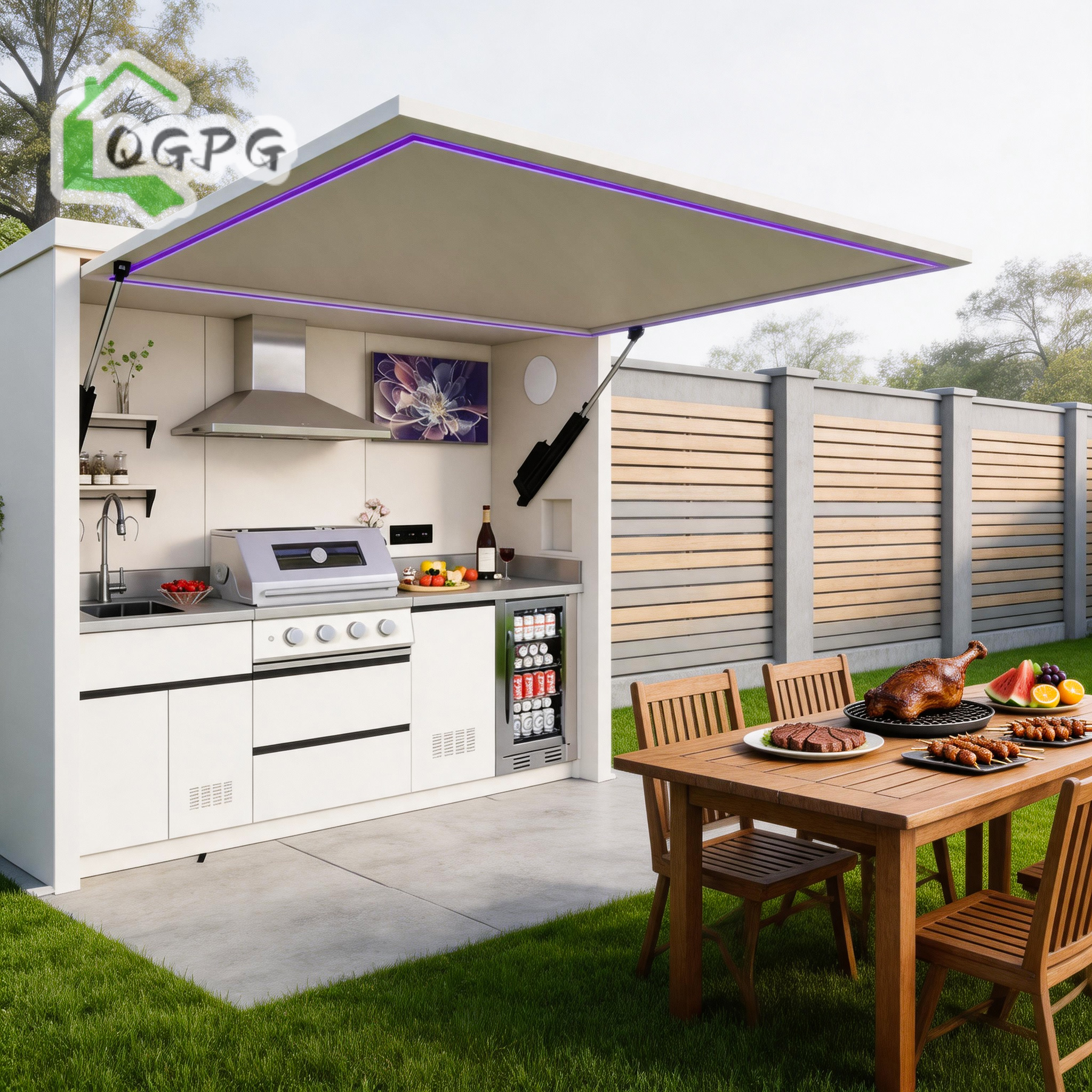
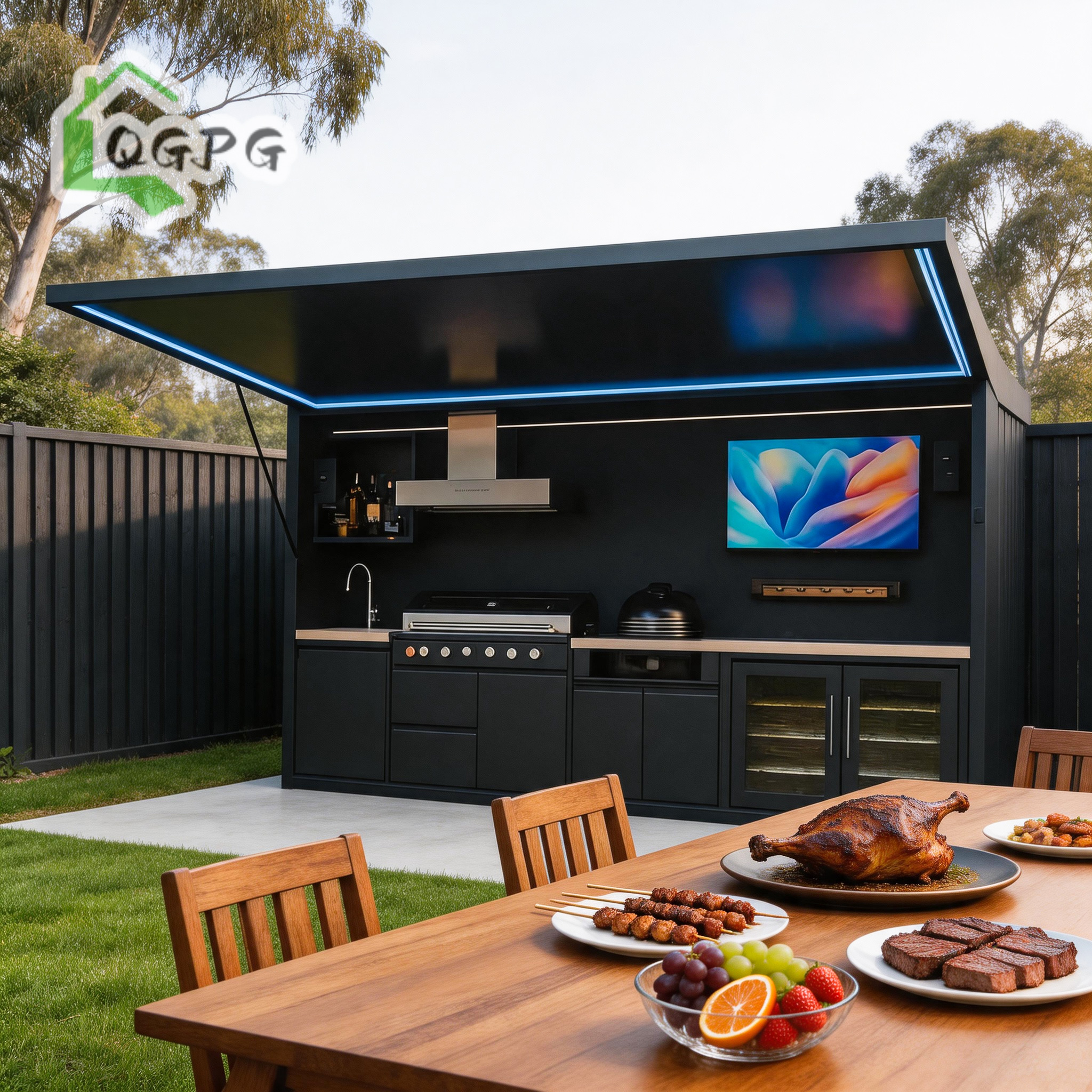
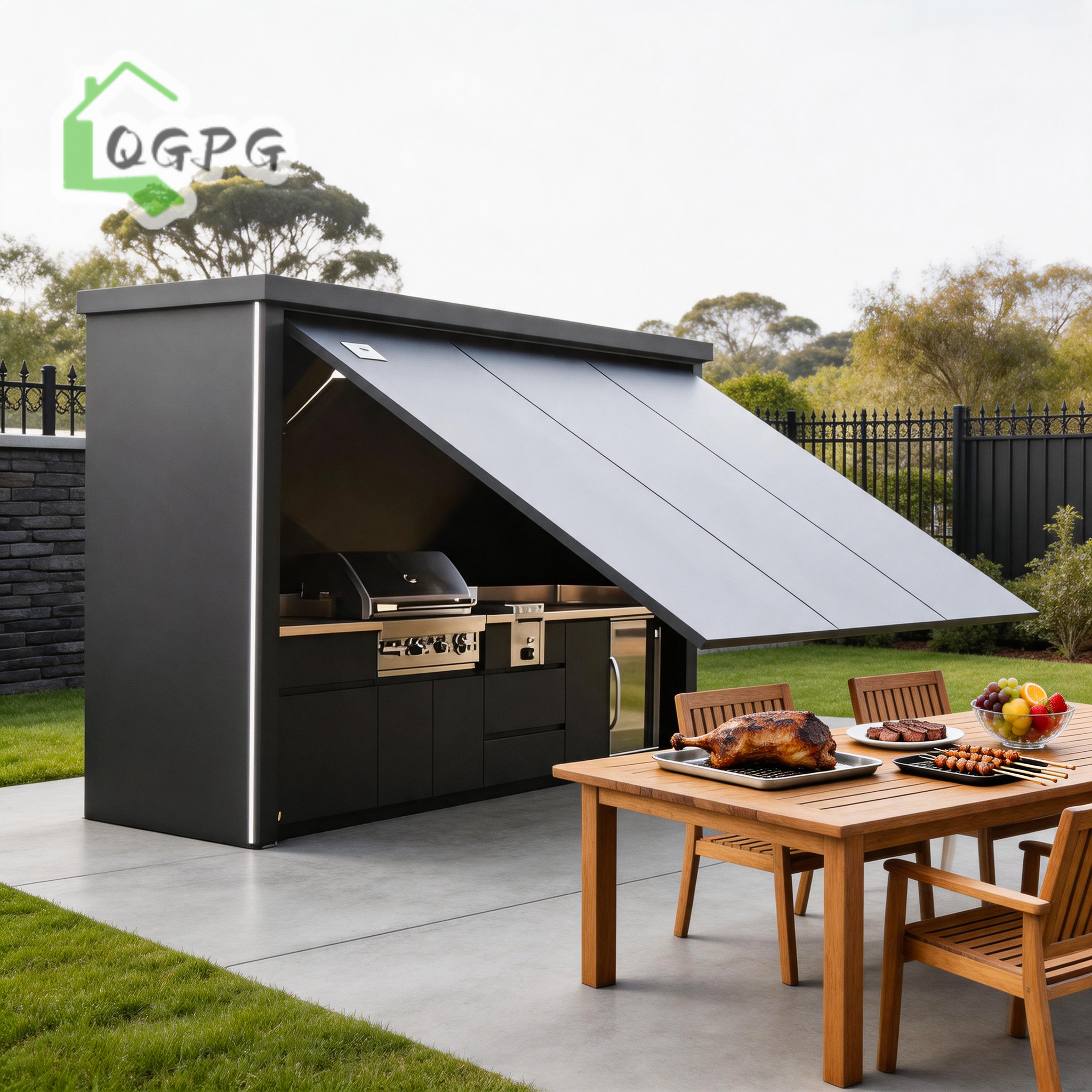
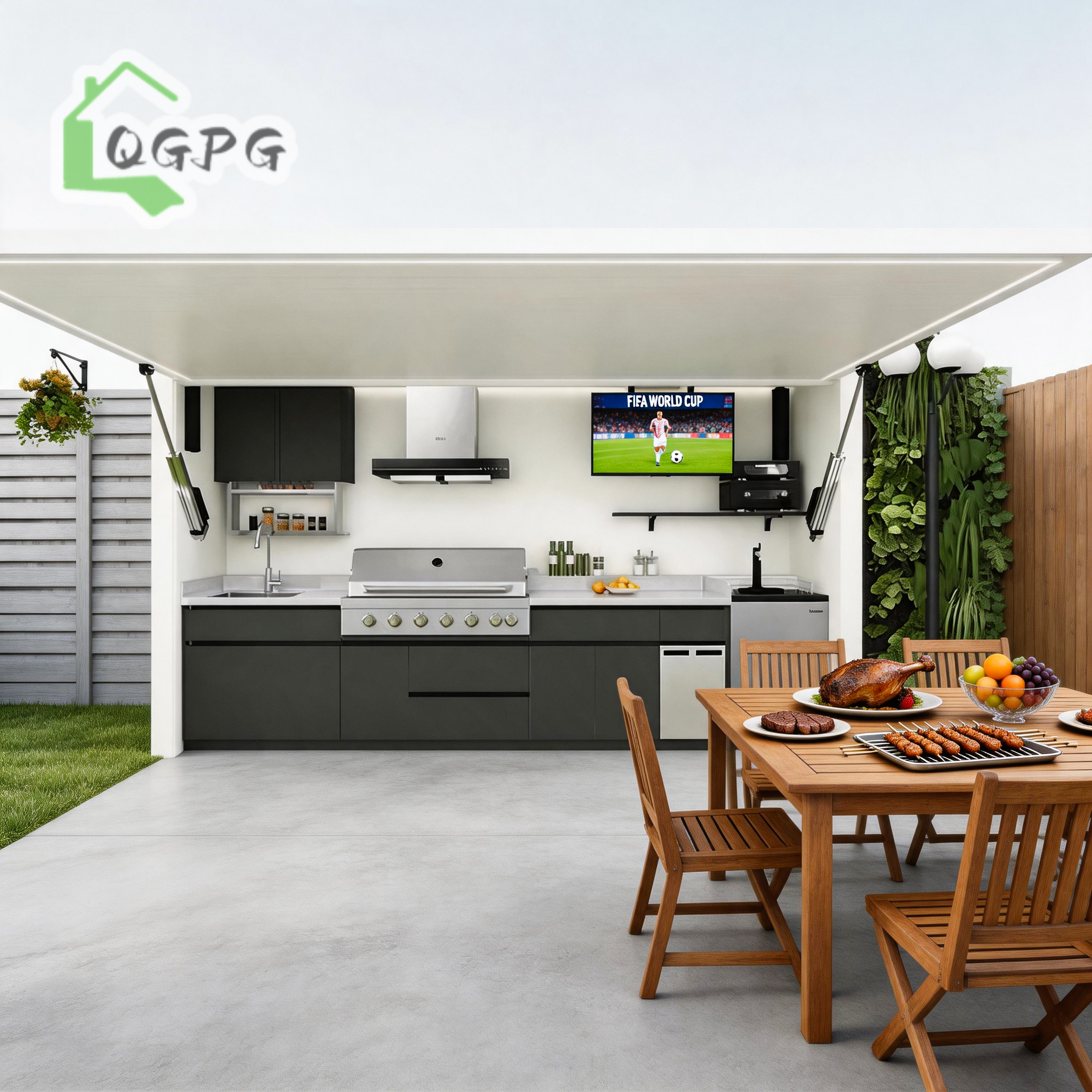
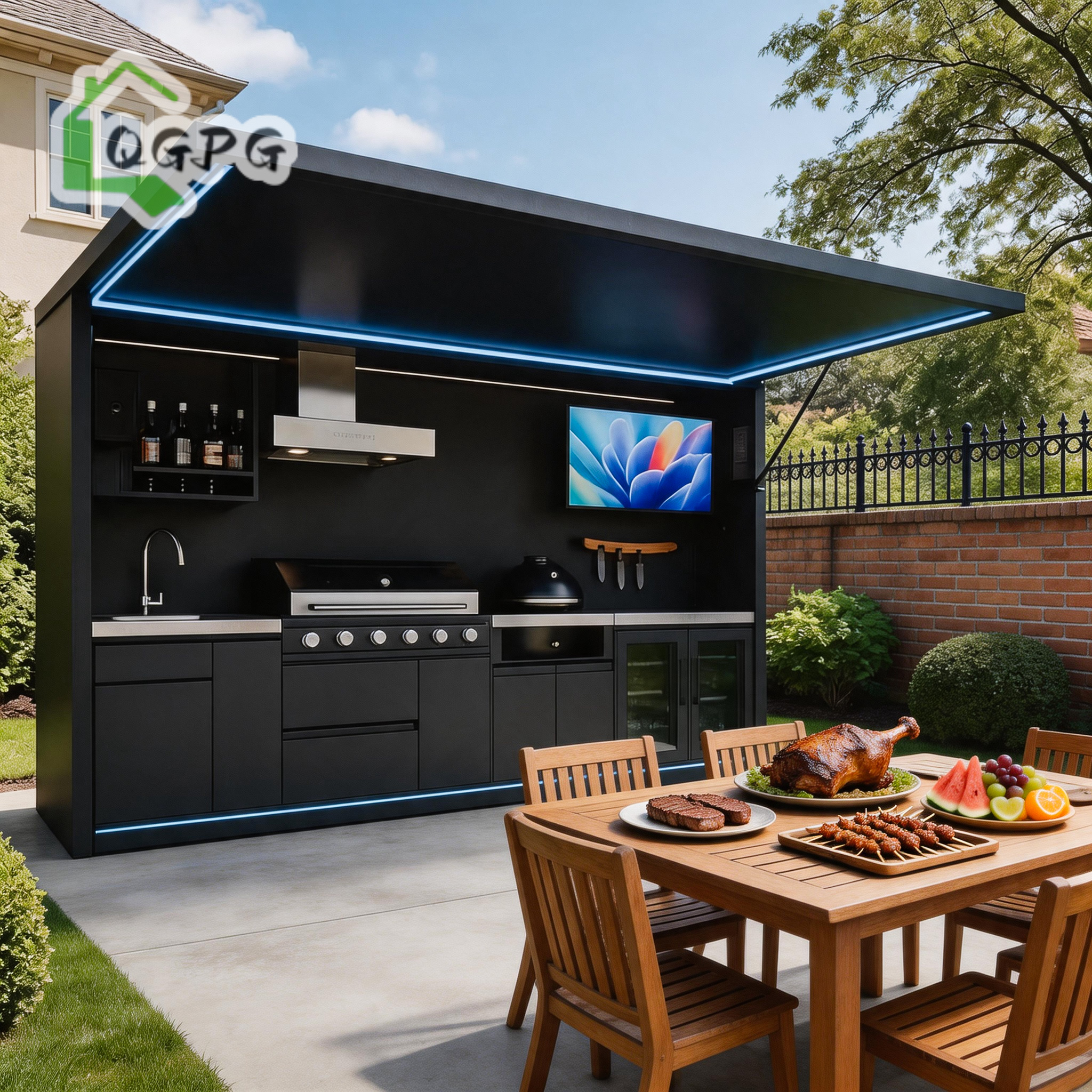
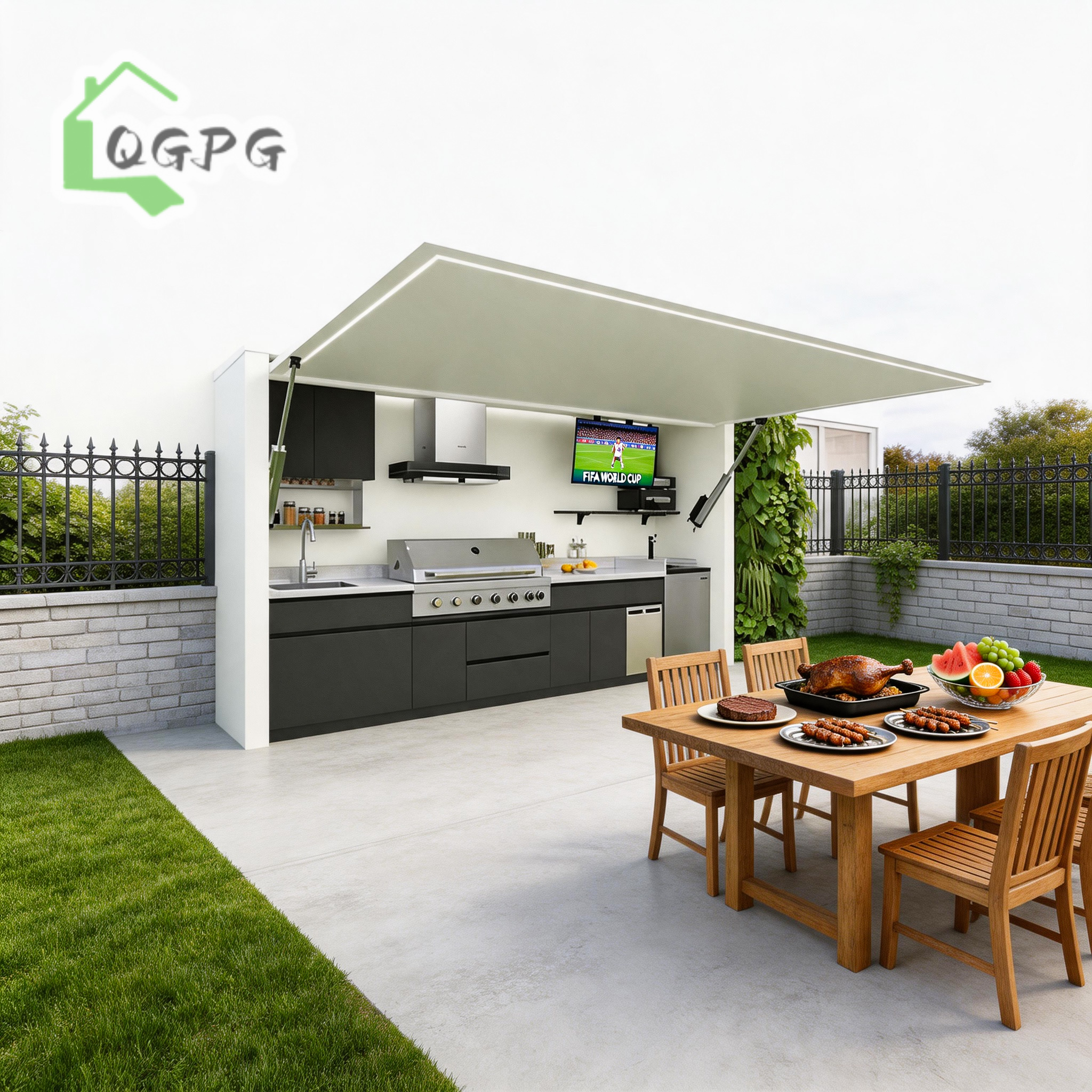
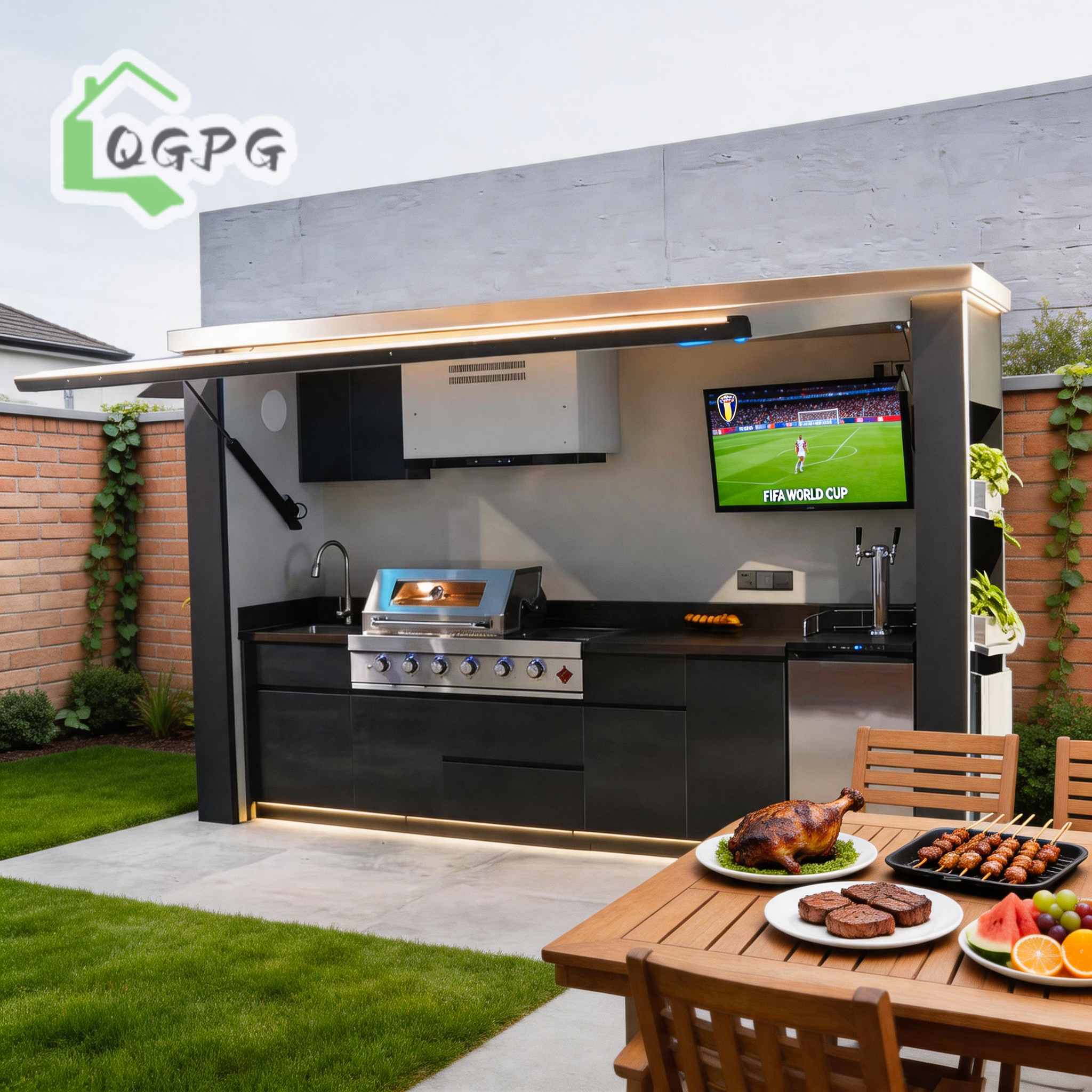
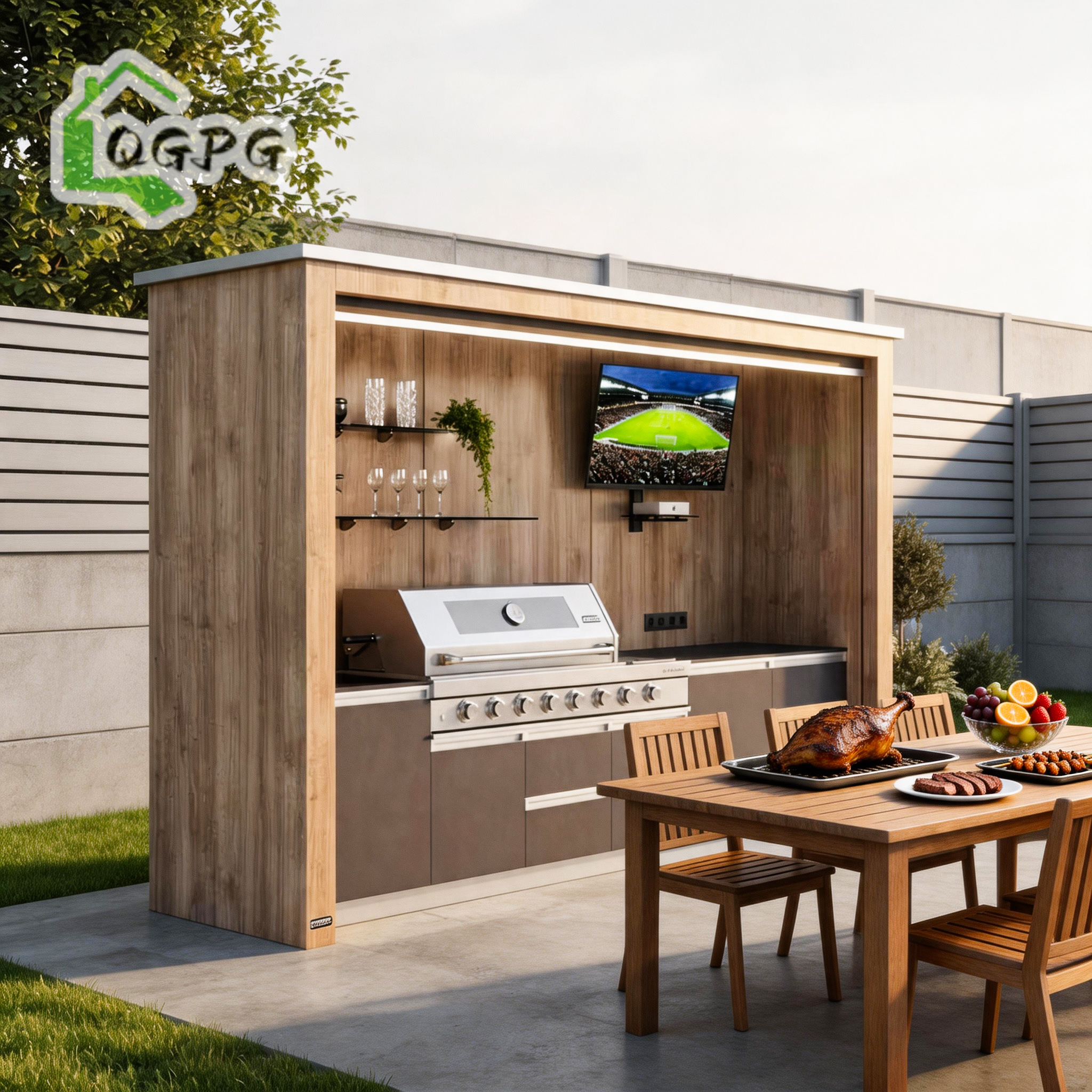
| Outdoor Kitchen / Restroom Pods | Marine-Grade 304 Stainless Steel / Heavy Frame | PU Insulation with SS Cladding | Enclosed Weatherproof / Waterproof | Commercial Hotel Patios, Resort Entertaining |
* All structural models can be custom engineered to meet specific localized engineering approvals and coastal corrosion protection ratings.
Frequently Asked Questions: Sourcing Container Houses to Lautoka
Essential guidance for project developers, purchasing agents, and private buyers importing modular structures into Fiji.
All timber components imported into Fiji must comply with Biosecurity Authority of Fiji (BAF) regulations to prevent invasive pests. Hebei BSU utilizes treated timber, fiber cement flooring (MGO), or 100% steel structure frameworks. We supply full ISPM-15 fumigation certificates, commercial invoices, packing lists, and bills of lading tailored for seamless FRCS (Fiji Revenue and Customs Service) clearance at Lautoka Port.
Standard steel containers heat up rapidly like ovens in Fiji's climate. Our prefabricated units feature engineered sandwich wall panels (PIR or Rockwool core) that block up to 95% of exterior thermal radiation. Roof systems include integrated guttering and sloping canopy caps designed for torrential tropical downpours, preventing pooling water and moisture intrusion.
Yes. When installed on proper engineered concrete pad or pier foundations and secured with our heavy-duty foundation tie-down brackets, our structurally reinforced Flat Pack and Expandable models meet the structural wind shear requirements for Category 5 cyclones (wind speeds up to 280 km/h).
Yes. Fiji uses AS/NZS electrical standards (240V/50Hz with Type I plugs). We pre-install concealed conduit wiring, RCD switchboards, sockets, and LED lighting fixtures pre-tested to meet AS/NZS 3000 guidelines. Plumbing systems use standard ISO-compliant PEX and PVC piping for effortless connection to municipal water supplies or septic tanks in Lautoka.
Container structures do not require solid concrete slabs unless preferred. They can be anchored to concrete strip footings, raised concrete piers, or ground screw piles. Raised pier foundations are recommended in low-lying coastal areas around Lautoka to allow natural airflow underneath and protection against storm surges.
Manufacturing standard or semi-customized orders typically takes 15 to 20 days. Direct ocean shipping from China main ports to Lautoka Port generally takes 18 to 25 days depending on shipping line schedules. In total, your project can move from design confirmation to site arrival within 6 to 8 weeks.
Start Your Modular Construction Project in Lautoka Today
Contact our engineering team for detailed floor plans, structural wind calculations, and factory-direct wholesale pricing for your Fiji project.